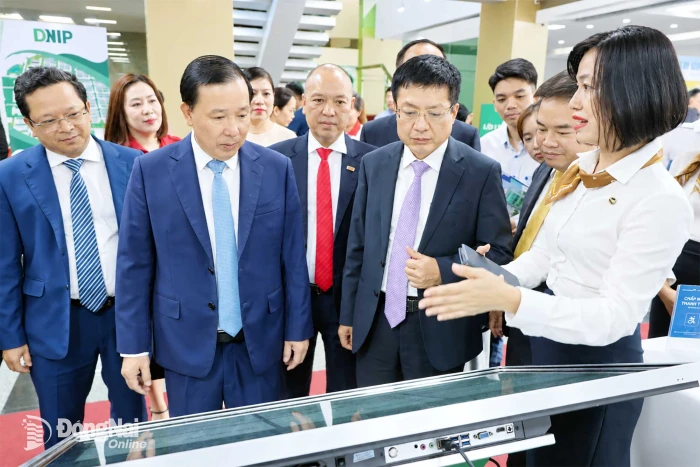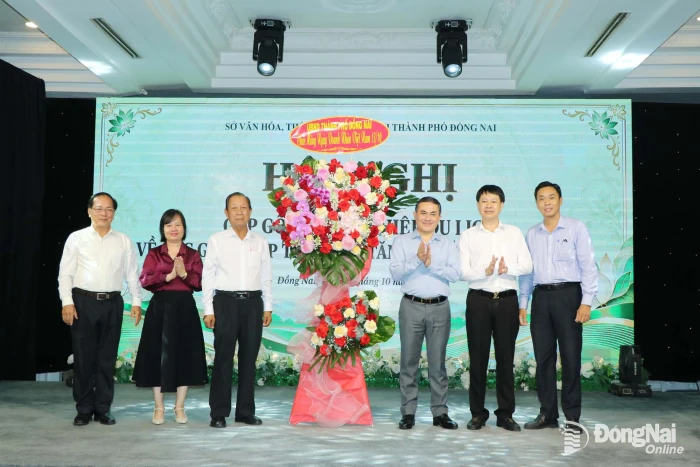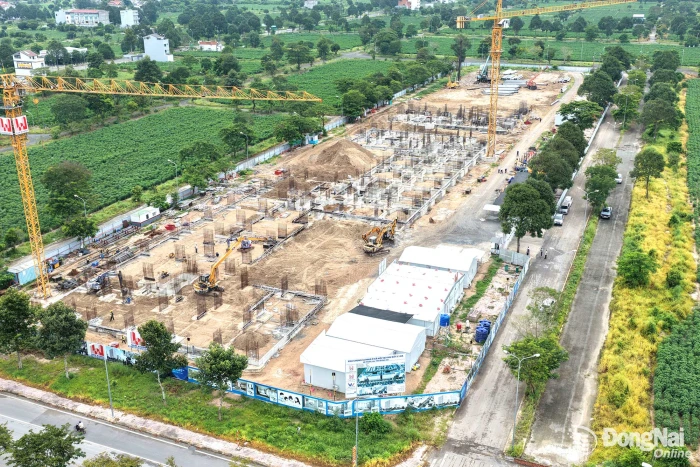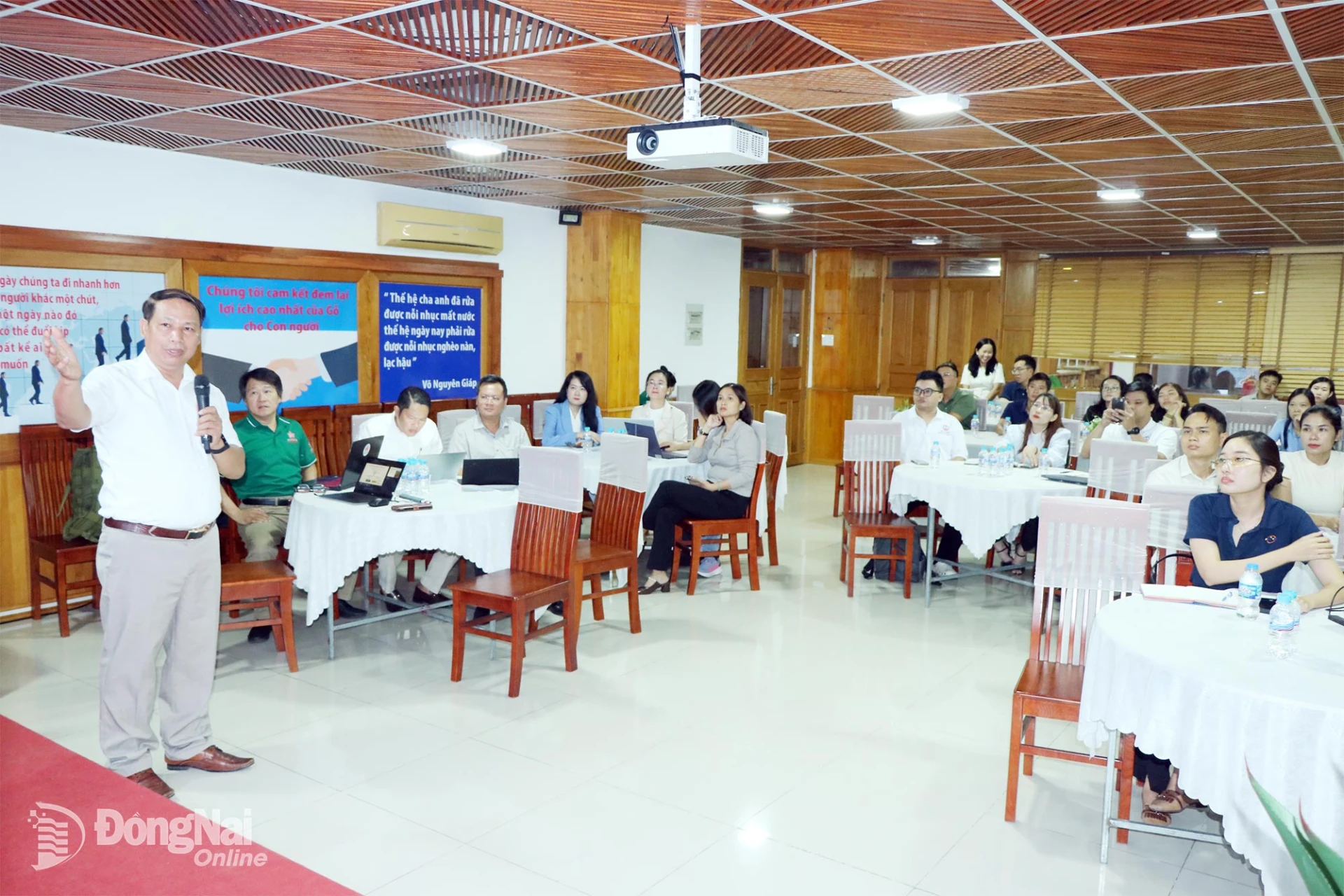
On the afternoon of June 5, the Dong Nai Department of Agriculture and Environment, in coordination with the Vietnam Agribusiness Club, held a conference on developing Dong Nai's pomelo value chain and expanding both domestic and international markets. Representatives from departments and agencies, experts, cooperatives, farmers, and export enterprises nationwide attended the conference.
Ta Lai commune was once heavily affected by war. It is the location of Ta Lai Prison, which was constructed by the French colonialists in a remote mountainous region in the northeast of the former Bien Hoa province (now Dong Nai City) to isolate and detain patriots and Communist Party members.
From June 3 to 6, the 38th session of the International Coordinating Council of UNESCO’s Man and the Biosphere Programme (MAB-ICC) was held in Hernandarias, Paraguay.
The Dong Nai City People's Committee and MobiFone Telecommunications Corporation (MobiFone) on June 5 signed a cooperation agreement on digital transformation for the 2026–2030 period.
On June 6, the People's Committee and the Vietnam Fatherland Front Committee of Tran Bien ward held a launching ceremony in response to the emulation movement titled “All People Join Hands to Protect the Environment for a Green, Clean and Beautiful Vietnam.”
Dong Nai City is home to many cultural sediments and the priceless assets of its forefathers, making it one of Southern Vietnam's finest cultural and historical localities.
On June 2, Le Truong Son, Member of the Dong Nai City Party Committee’s Standing Board and Vice Chairman of the City People's Committee, signed and issued Plan No. 53/KH-UBND to implement the Strategy for Developing Vietnam’s Cultural Industries to 2030, with a vision to 2045, in Dong Nai City.
The 14th Vietnam Trade Union (TU) Congress for the 2026–2031 term is an important event for the country’s working class and TU organizations. This occasion is not only a broad political activity but also a crucial milestone that will direct the development of TU organizations in the coming years.
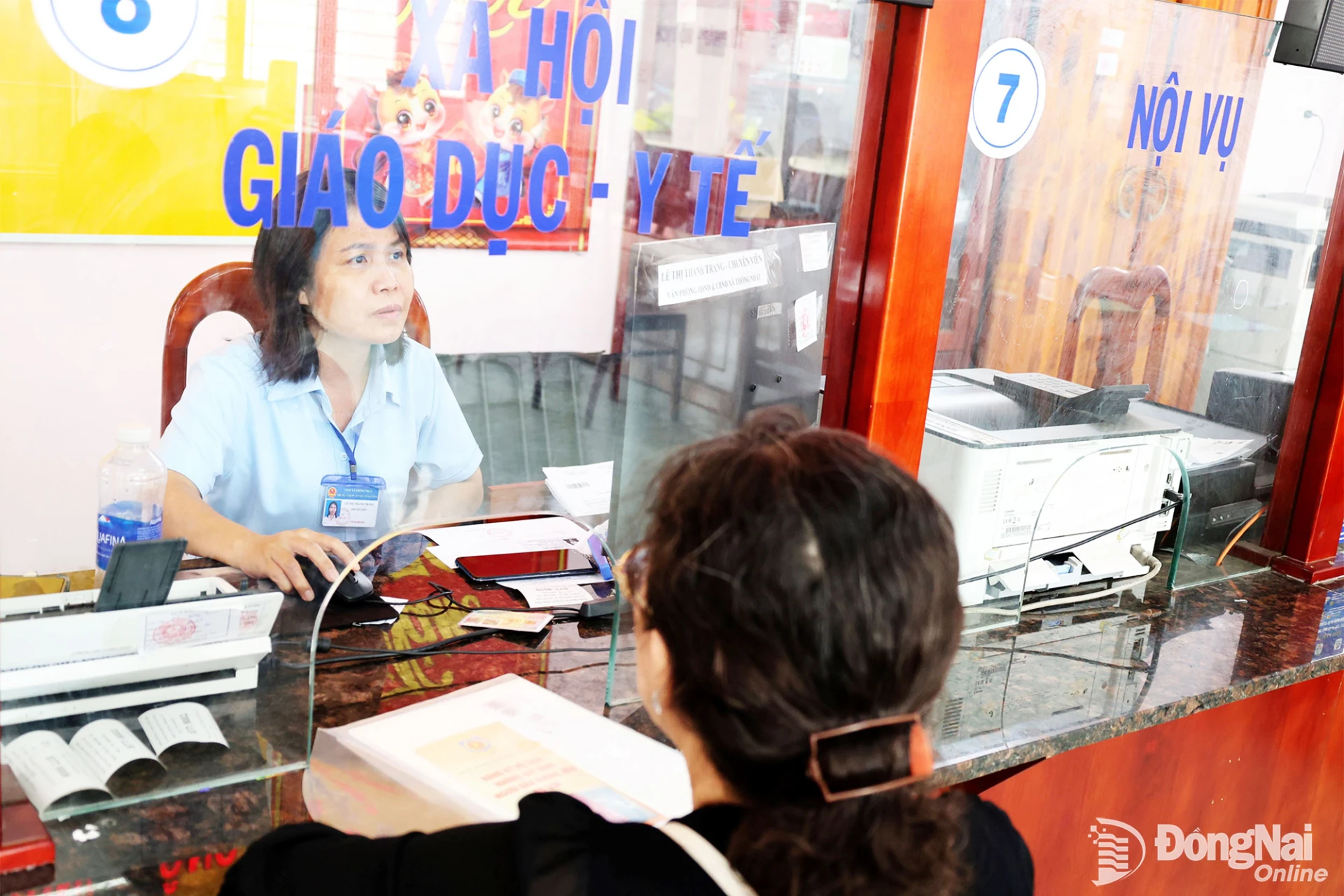
Strengthening administrative reform has been identified as one of the seven key priorities of Dong Nai’s special 500-day-and-night emulation campaign launched under Resolution No. 05-NQ/TU dated May 1, 2026, of the City Party Committee’s Executive Board.
On June 5, Nguyen Kim Long, Member of Dong Nai Party Committee’s Standing Board and Permanent Vice Chairman of the City People’s Committee, hosted a working session with a delegation from the Japanese Business Association in Ho Chi Minh City, led by its Chairman, Kume Kunihide. Representatives of relevant departments and agencies of Dong Nai City also attended the meeting.
The circular economy and cleaner production are emerging as essential pathways for development as countries pursue green growth, lower greenhouse gas emissions, and advance sustainable development goals. Nevertheless, many enterprises continue to face significant challenges in making the transition.
Dong Nai City is currently home to many ethnic groups living side by side. Among them, the S'tieng are among the longest-established indigenous ethnic groups. The S'tieng have many distinctive cultural traits drawing the interest of people keen on discovery and exploration, as well as experts and cultural researchers. Among these, the traditional longhouse of the S'tieng is a distinctive feature that enriches and diversifies the cultural life of ethnic groups in Dong Nai City.
On June 5, the Ho Chi Minh City (HCMC) People's Committee sent a document to the Dong Nai City People's Committee regarding the investment and construction plan for the Thu Thiem - Long Thanh railway project.
For many years, Dong Nai has been regarded as Vietnam’s “cashew capital,” playing a pivotal role in maintaining the country's position as the world’s leading cashew exporter.
Dong Nai City has ordered the establishment of a special “green lane” mechanism and a reduction of at least 50% in administrative processing time for social housing projects.
With a 328-year history and a rich cultural heritage, Dong Nai is steadily unlocking the potential of its cultural industries, viewing them as a new driver of economic growth and a means of improving the quality of urban development.