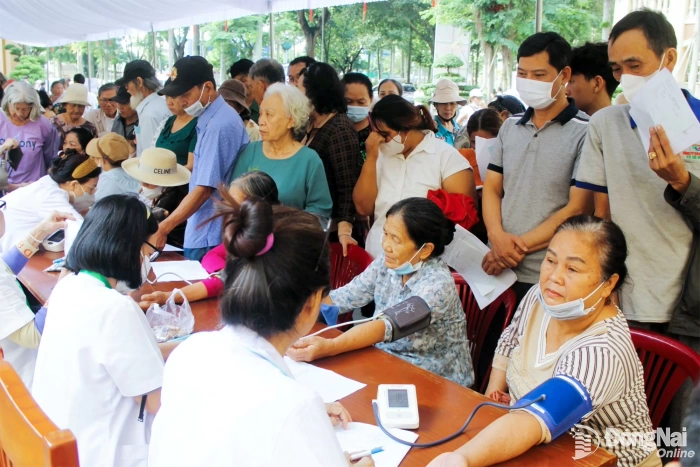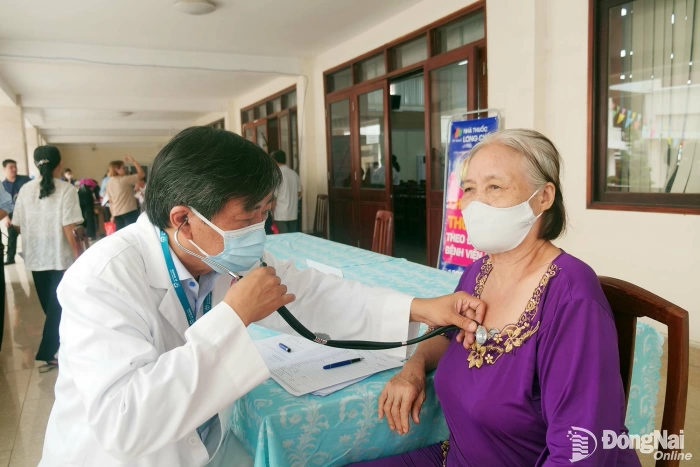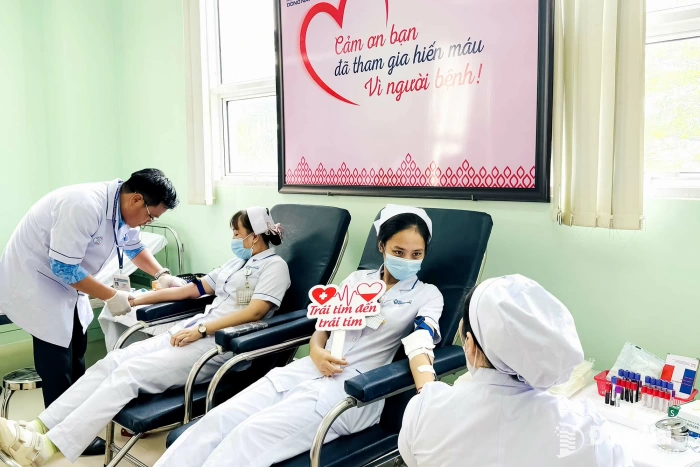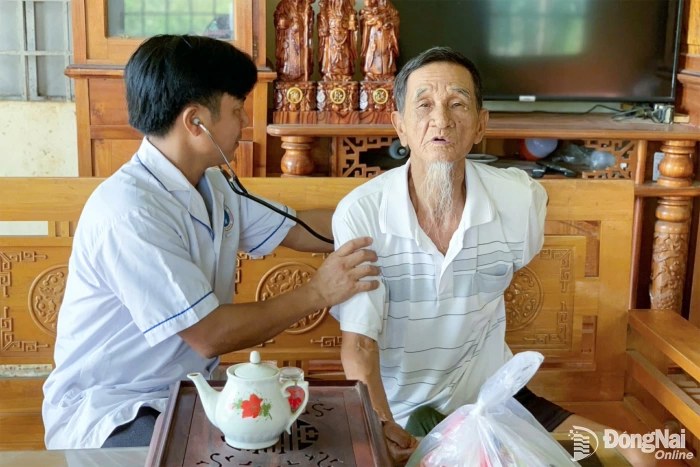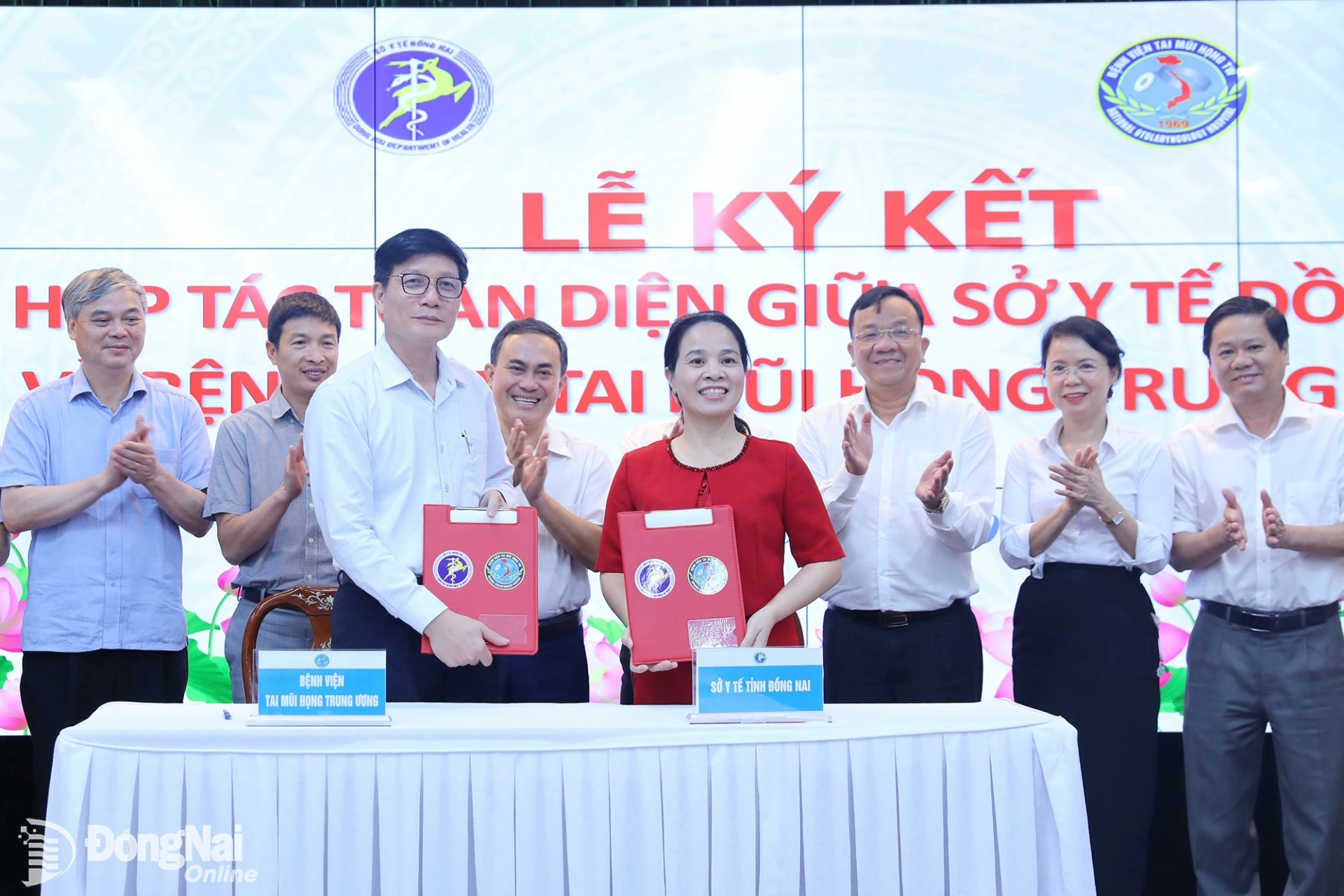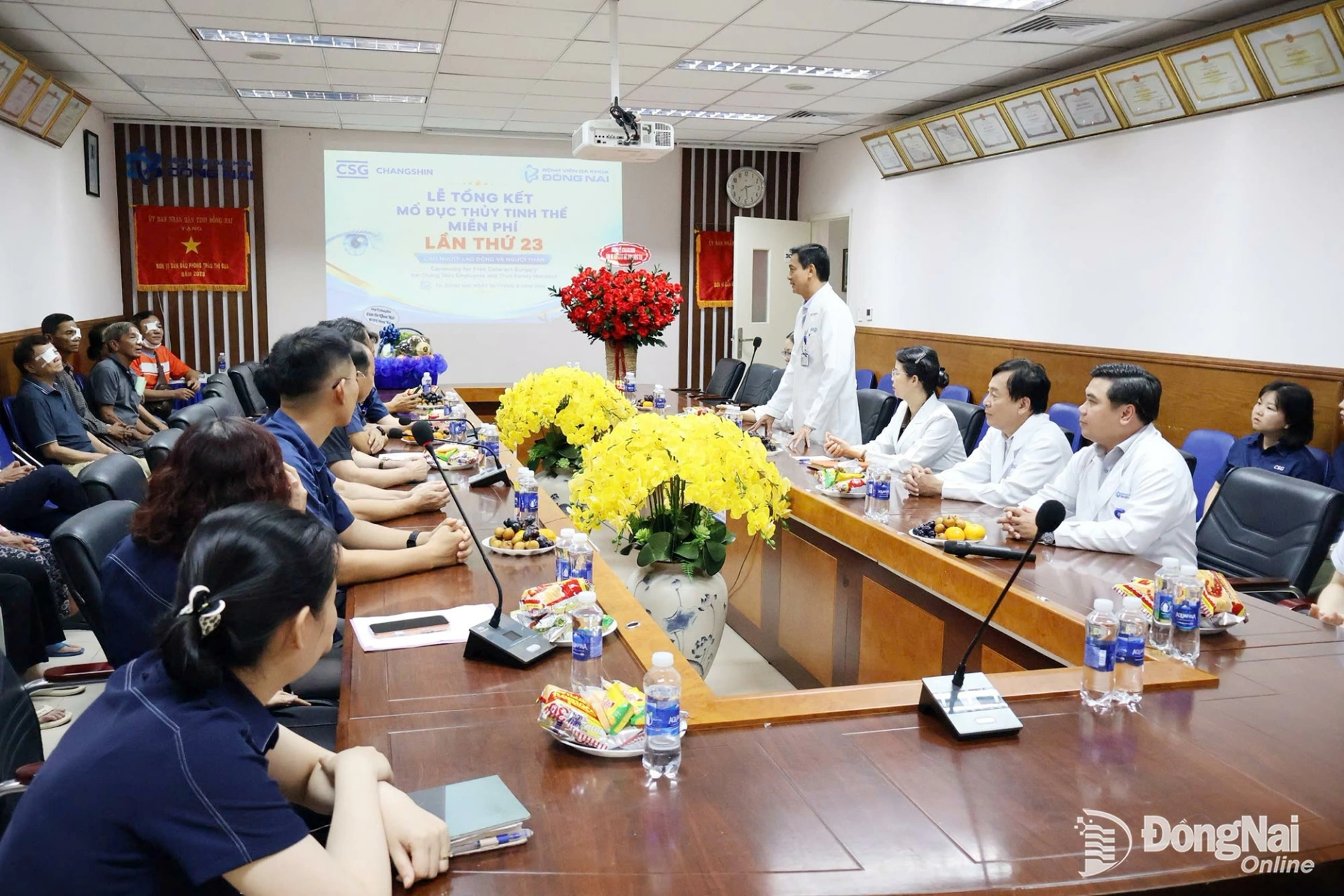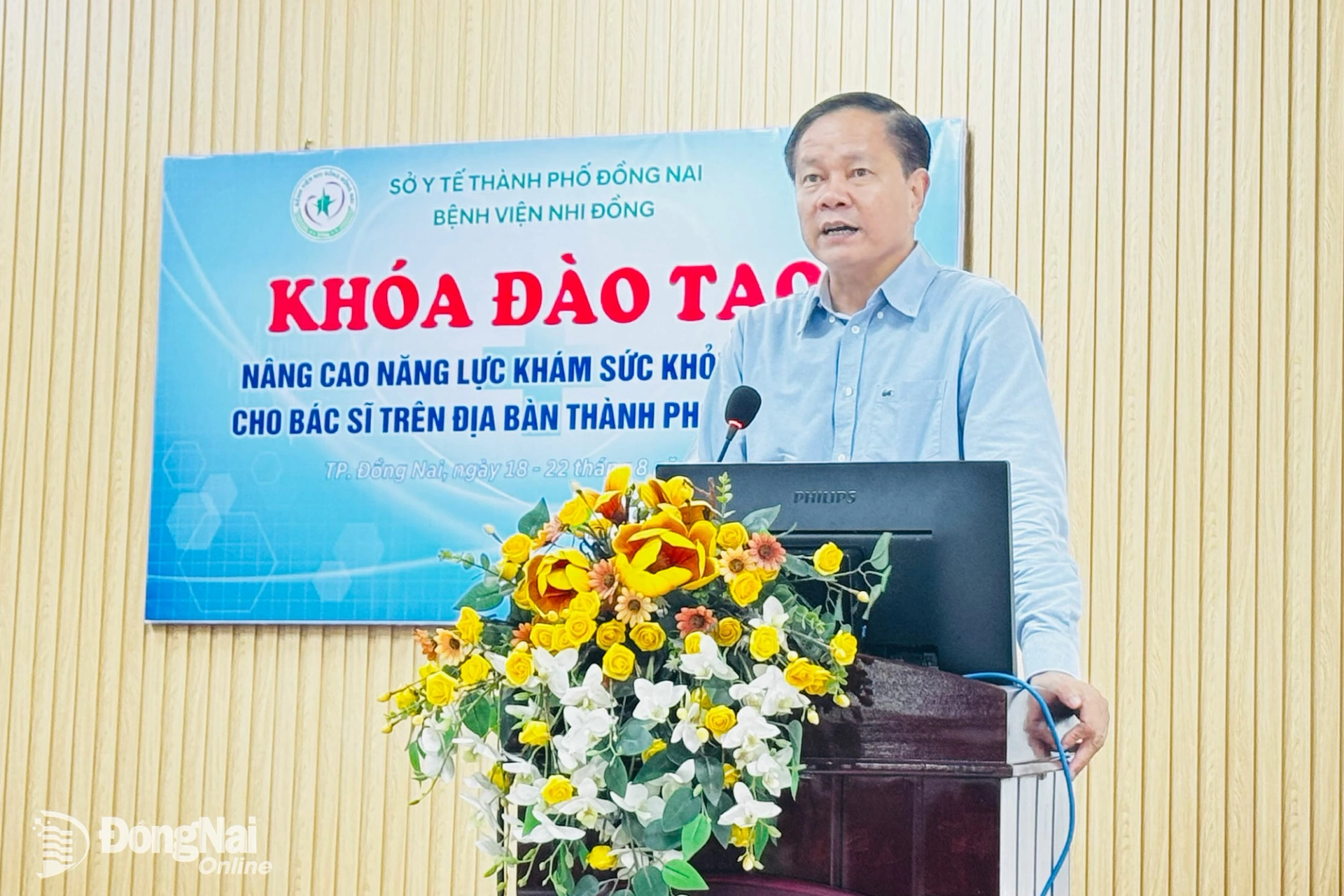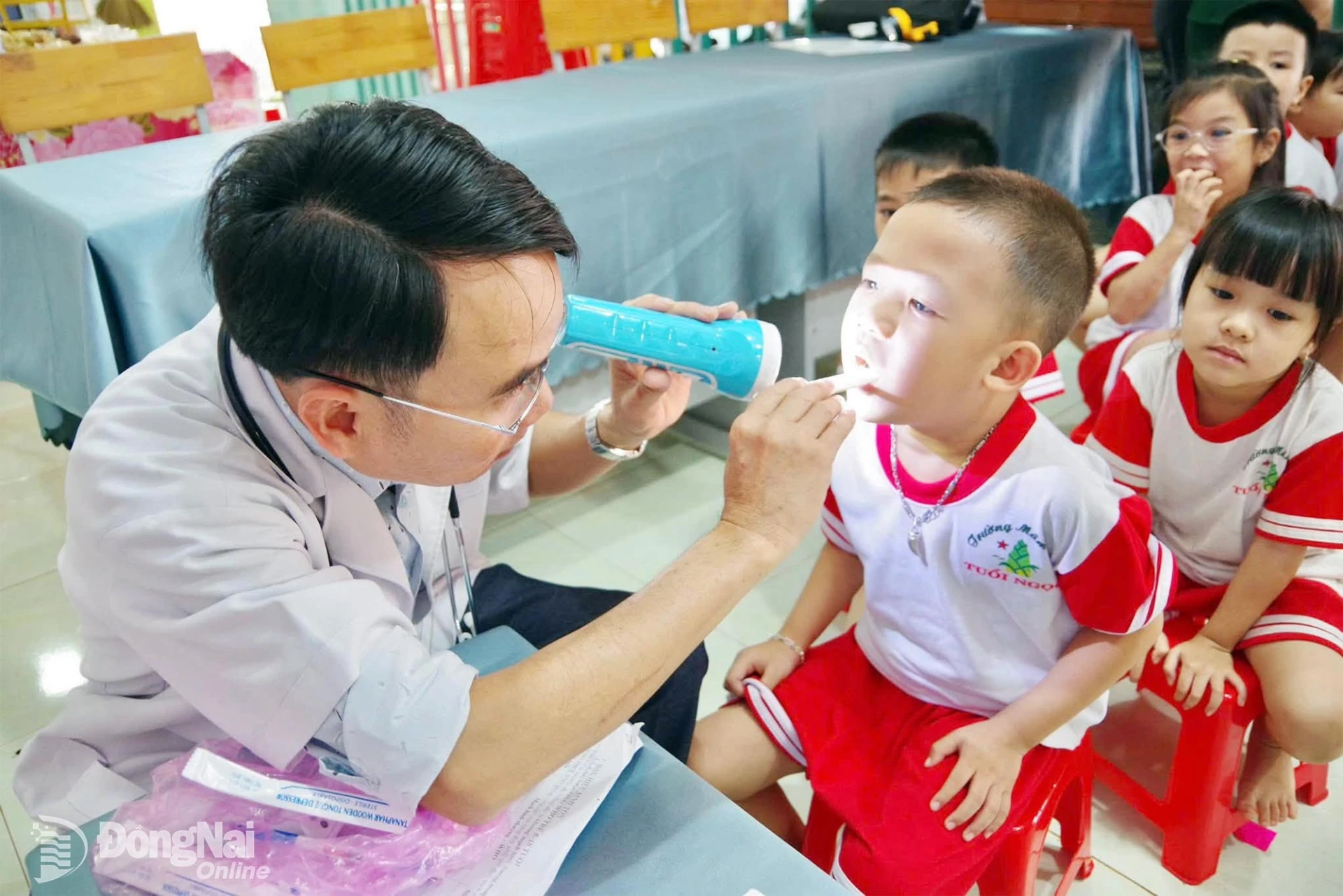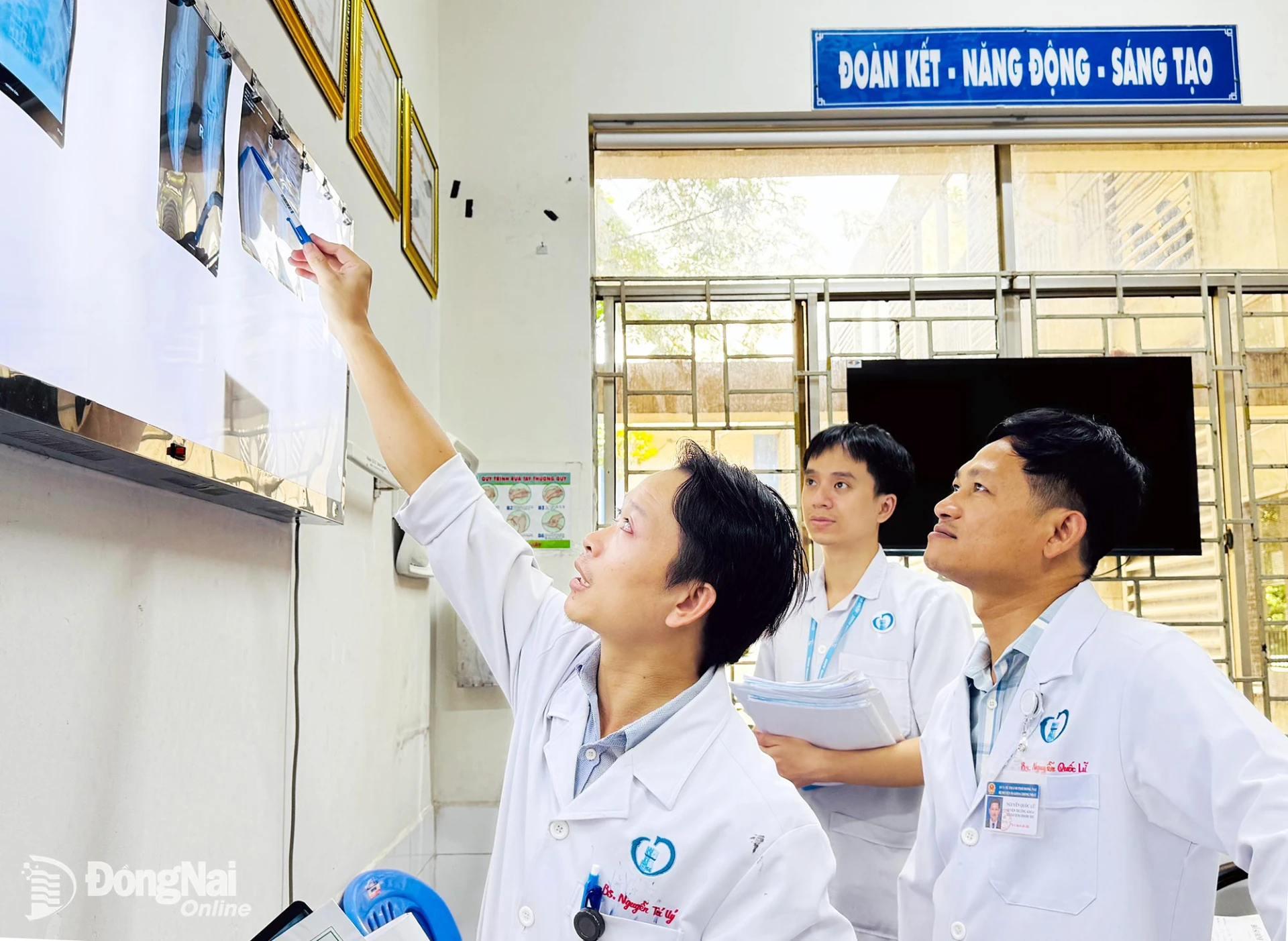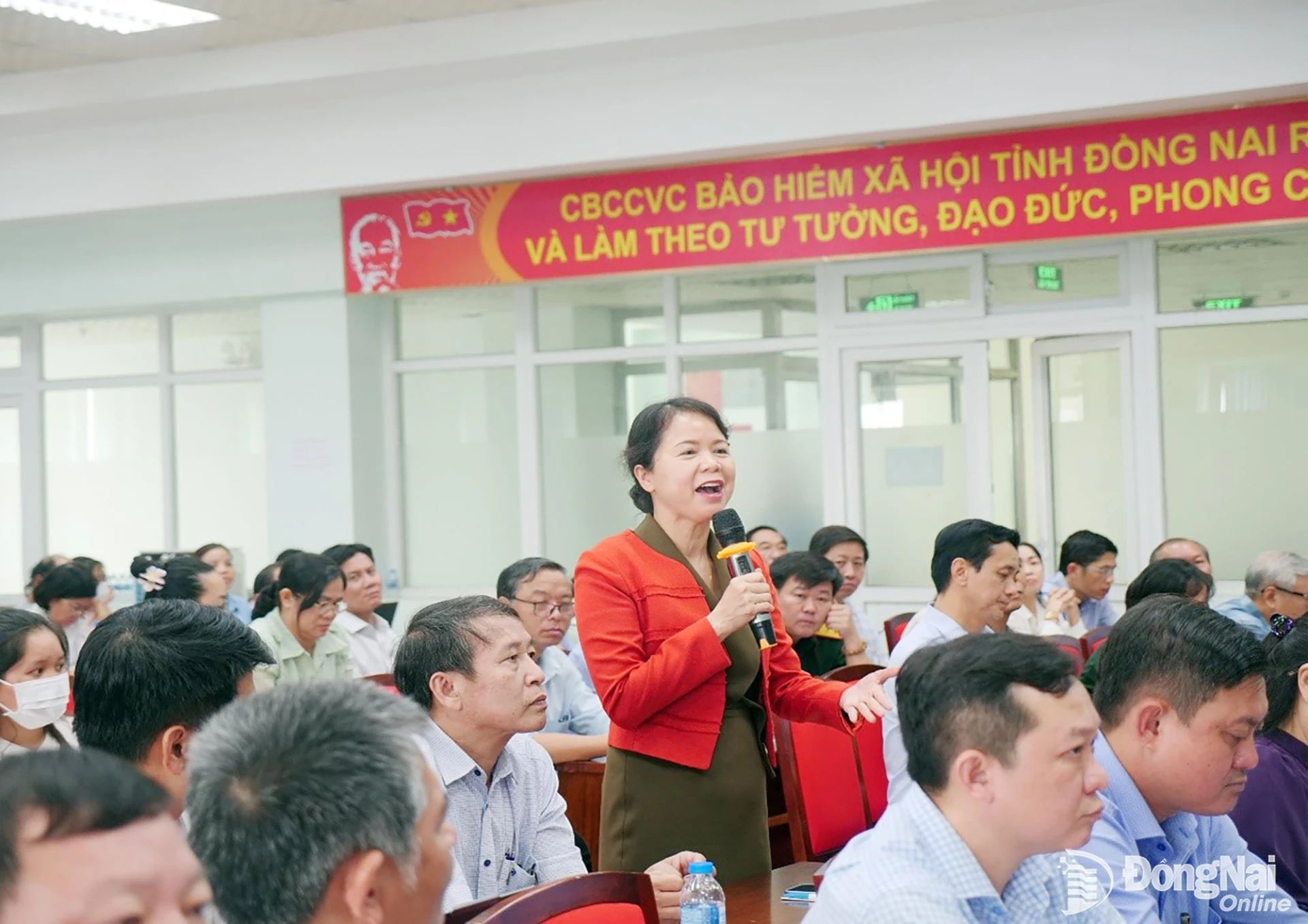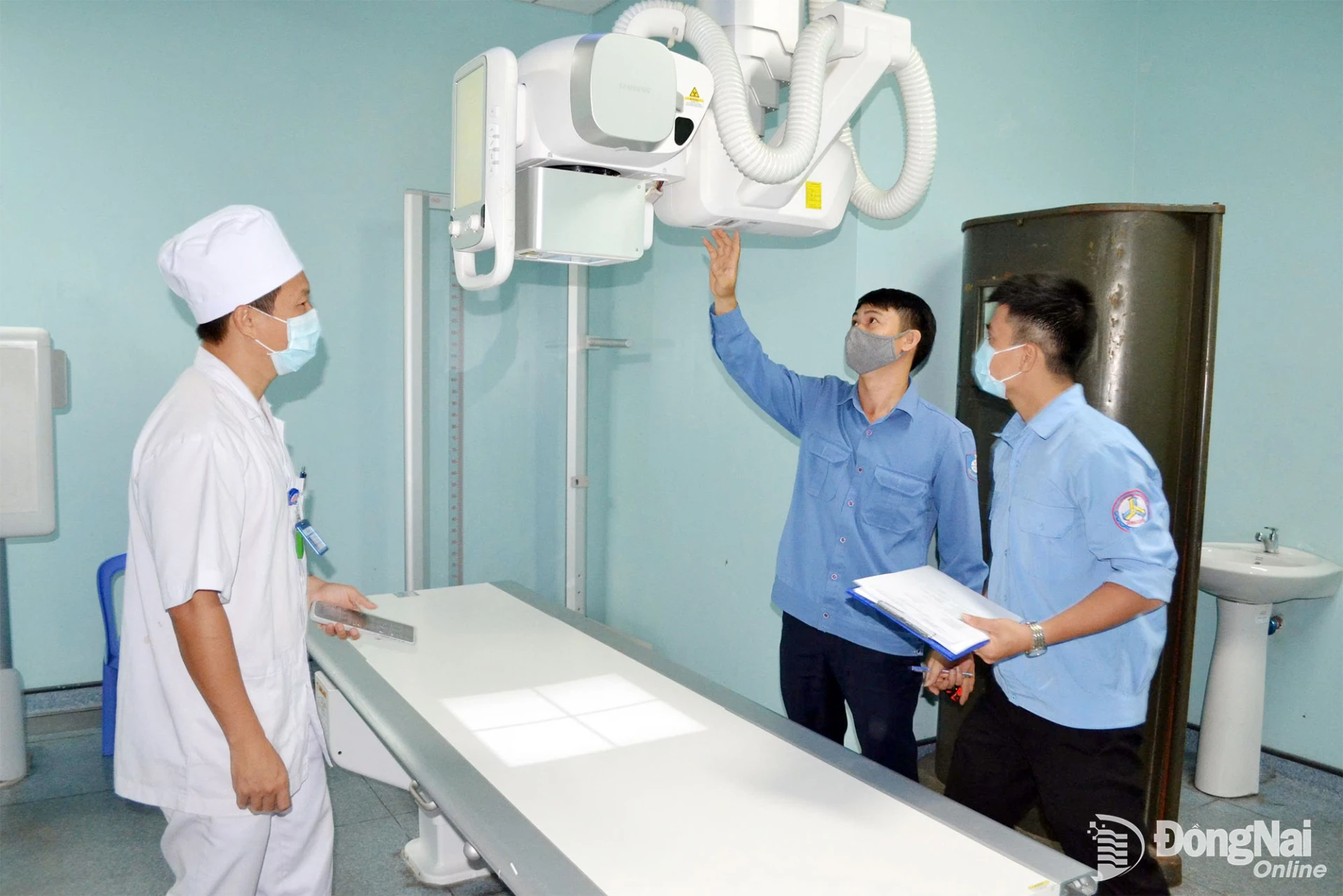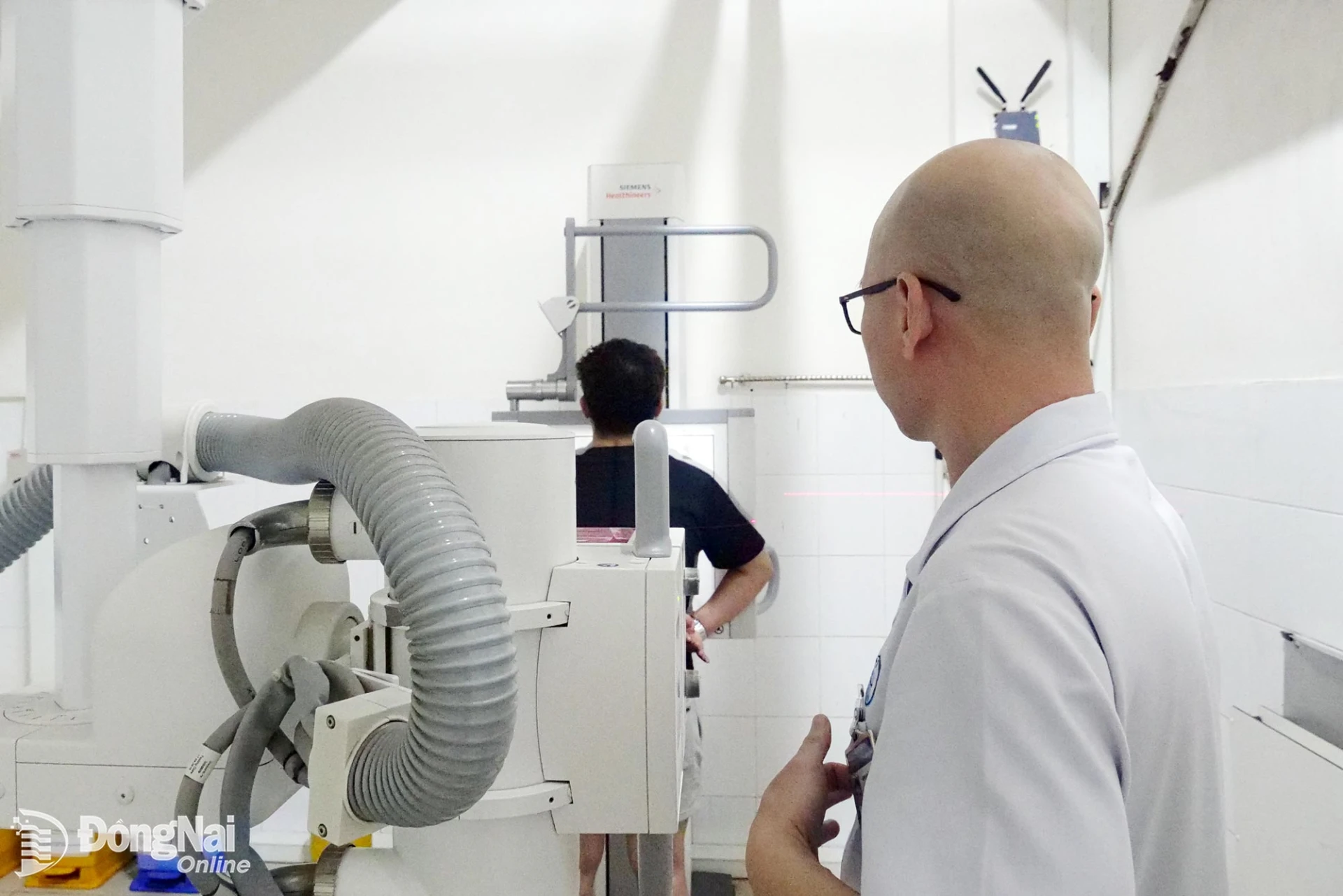
Dong Nai currently possesses a relatively comprehensive and robust healthcare network, ranging from grassroots and preventive healthcare to specialized treatment services, encompassing both public and private medical facilities.
The risk to the global population – including Viet Nam – remains low, as the outbreak is primarily confined to a specific international cruise ship, with no Vietnamese people reported to be on board, said World Health Organization Acting Representative in Viet Nam Dr Jennifer Horton.
In response to the rising demand for healthcare services, Dong Nai City is implementing a strategy to build a comprehensive, modern, and sustainable healthcare ecosystem.
Despite achieving many positive results, frontline healthcare in Dong Nai still reveals a number of limitations. Thus, its “gatekeeper” role in public healthcare has yet to meet expectations, prompting many residents to bypass lower-level facilities and place increasing pressure on higher-level hospitals.
As a key growth pole of the Southern Key Economic Region, Dong Nai not only focuses on economic development but also consistently places people at the center of its development process. Within this framework, healthcare plays a pivotal role as one of the pillars in ensuring social welfare, directly contributing to improving residents’ quality of life.
To strengthen the role of grassroots healthcare – the level closest to the people – particularly in remote, isolated, and ethnic minority areas, the Ministry of Health, international projects and Dong Nai City have recently increased investment in primary healthcare network.
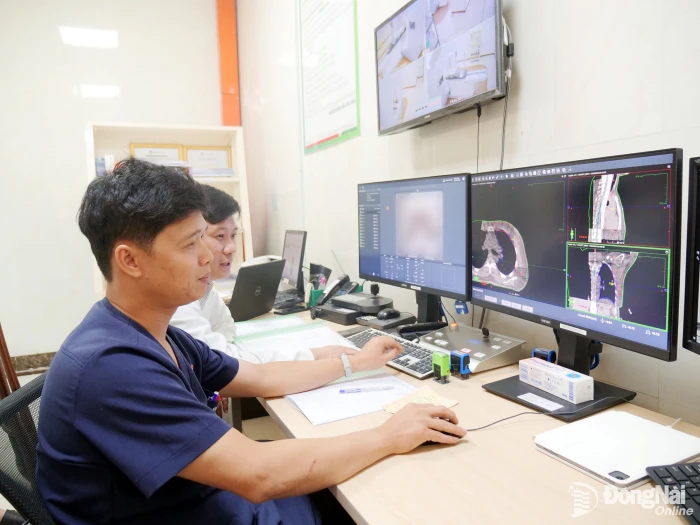
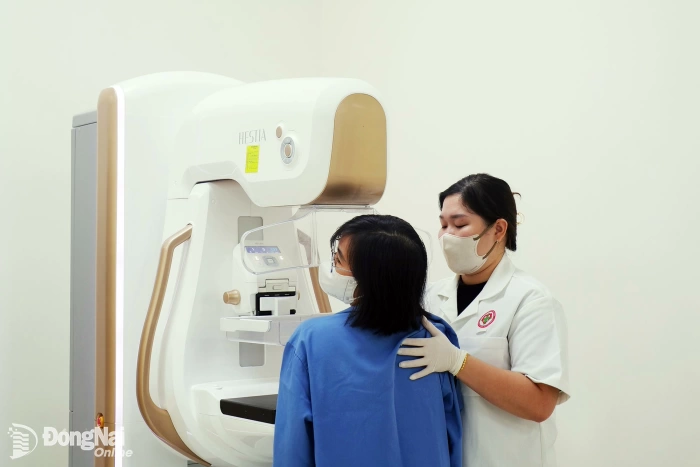
With strong breakthroughs in mobilizing social resources for investment in healthcare, Dong Nai has not only eased the burden on the state budget but also provided local residents with high-quality preventive, diagnostic, and treatment services supported by modern technology.
As Dong Nai advances on its roadmap for becoming a centrally governed city, upgrading the quality of healthcare services is not merely an administrative criterion but an urgent requirement to ensure quality of life for a population of nearly 4.5 million.
Resolution No. 72-NQ/TW (dated September 9, 2025) issued by the Politburo sets out the requirement for comprehensive changes and breakthrough solutions in protecting, caring for, and improving public health.
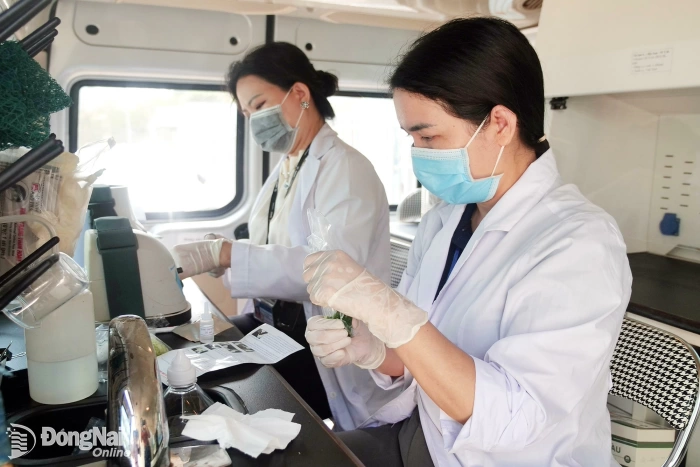
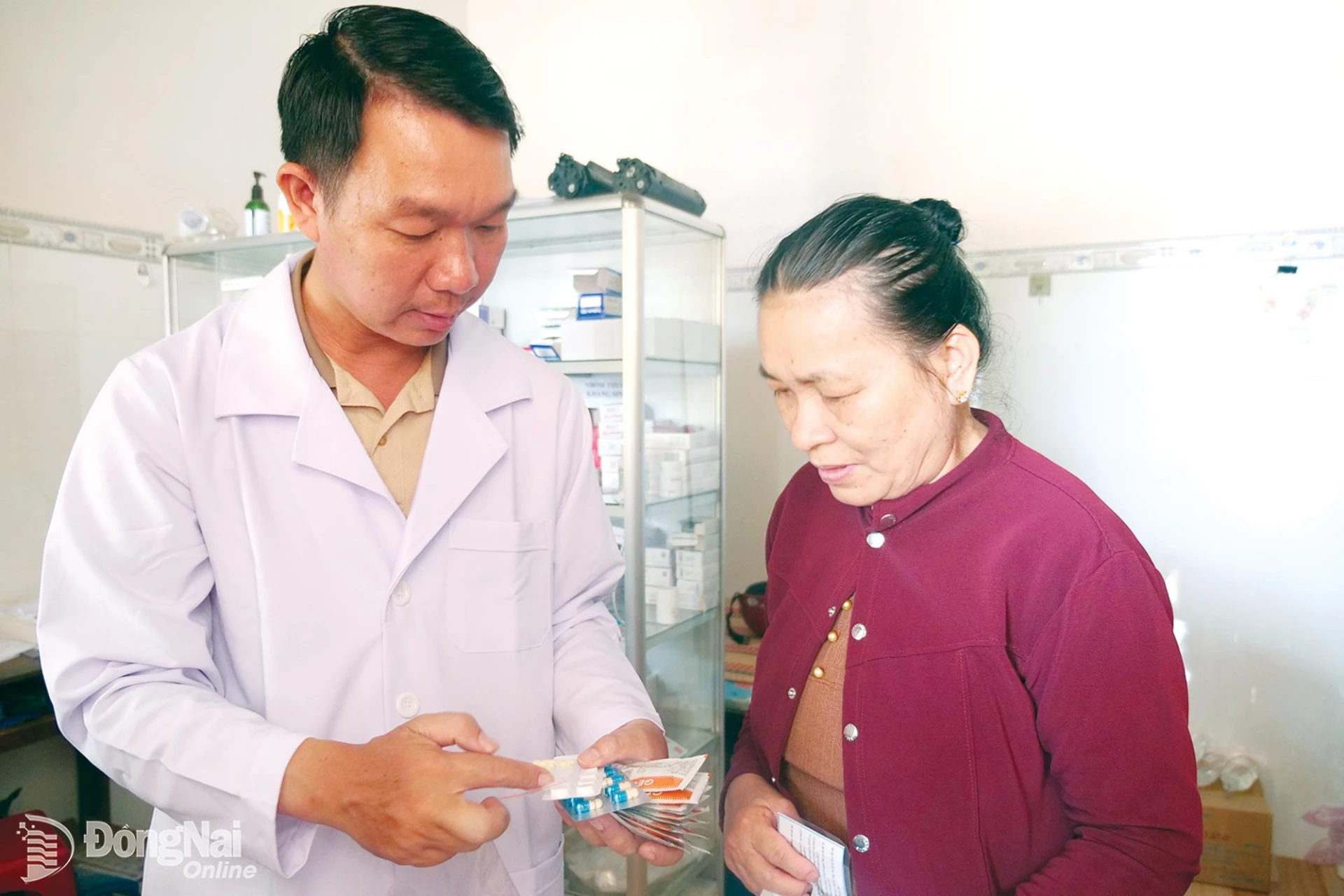
Despite many challenges in human resources and facilities, in recent times, local health stations in remote, underserved, and border areas of Dong Nai Province have been organizing numerous free medical check-ups and distributing medicines to residents.
On April 7, the Dong Nai Department of Health held a rally in response to All People's Health Day 2026, under the theme “Proactive disease prevention for a healthy Vietnam.”
On March 31, the Dong Nai Department of Health issued Plan No. 317/KH-SYT to implement Resolution No. 72-NQ/TW of the Politburo and the action programs of the Government, the provincial Party Committee, and the provincial People’s Committee on breakthrough measures to strengthen the protection, care, and improvement of public health throughout the province.
On March 25, the Dong Nai Department of Health held a ceremony to celebrate Vietnam Social Work Day under the theme “Vietnam Social Work: Professional innovation, breakthrough development.”
On March 19, a joint delegation from the Department of Disease Prevention under Ministry of Health and the World Health Organization led by Ann Josephine Burton, senior researcher at the Australian National Centre for Immunisation Research and Surveillance, worked with the Dong Nai Department of Health and the Dong Nai Provincial Center for Disease Control to evaluate the vaccination system in Dong Nai.