As Viet Nam aims to gain a modern industrial base by 2030 and become a developed, high-income country by 2045, science, technology, innovation and digital transformation have been identified as a major driving force, a “golden key” and a vital factor in realising the nation’s development aspirations, said PM Le Minh Hung while addressing a ceremony in Ha Noi on May 18 marking Viet Nam Science, Technology and Innovation Day (May 18) and a conference on strategic technology implementation.
Amid increasingly intense global technological competition, the Party and the State have introduced a series of major policies. Among them, Resolution No. 57-NQ/TW, issued by the Politburo on December 22, 2024, on breakthroughs in science and technology development, innovation, and national digital transformation, identified the development of strategic technologies as a pillar for rapid and sustainable growth.
Under the decision, Vietnam’s strategic technology framework comprises 10 major technology groups covering key sectors critical to the country’s long-term development and competitiveness.
Artificial intelligence (AI) is bringing profound changes across industries, while Viet Nam’s education and vocational training system is entering a phase of restructuring. These two “waves” are reshaping how the labour market operates, placing learners before constantly evolving choices.
Dong Nai possesses significant potential and advantages to develop science and technology (S&T), innovation, and digital transformation (DT) across government, the business community, and society as a whole.
Vietnam's export turnover of digital technology products reached 20.3 million USD, up 39.6%, while after-tax profit stood at 44.5 trillion VND and state budget contributions totaled 8.23 trillion VND.
Amid intensifying global technological competition, many countries are shifting decisively towards growth models based on knowledge and technology. For Viet Nam, innovation has been identified as a key driver to enhance productivity and competitiveness.
On April 28, at FPT Polytechnic College – Dong Nai Campus (Tran Bien Ward), the Provincial Youth Union, the Department of Science and Technology, and FPT Polytechnic jointly organized the final round of the 2026 Web AI Hackathon.
Promoting digital transformation among small and micro enterprises, retail shops, and household businesses is a practical step serving as a crucial driver of the deep, broad, and sustainable development of the digital economy.
The data centre and cloud computing sector is entering a phase of redefinition. Infrastructure is no longer merely a backbone for data storage and processing, but is evolving into a foundational platform powering complex digital ecosystems—from AI and advanced analytics to real-time applications.
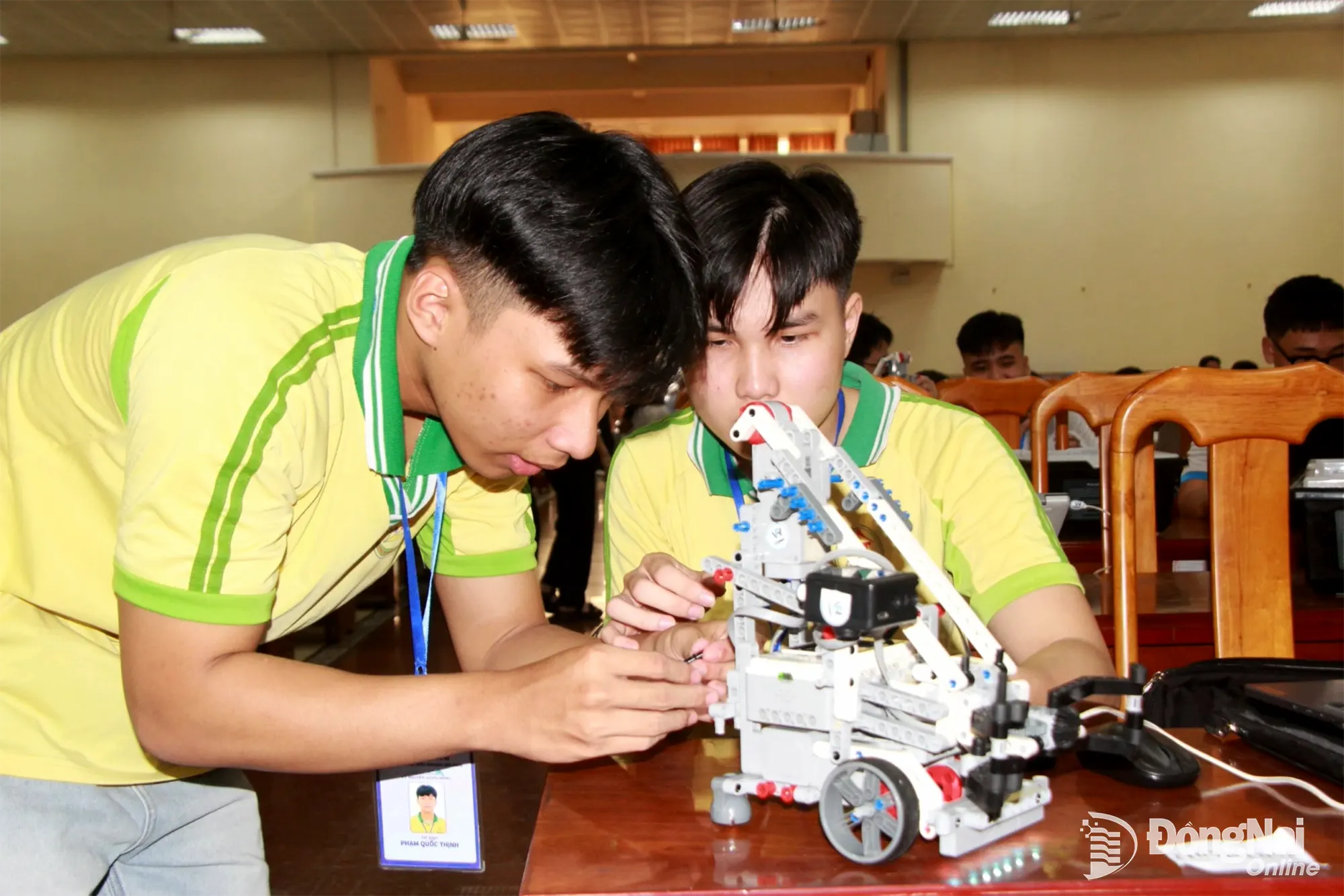
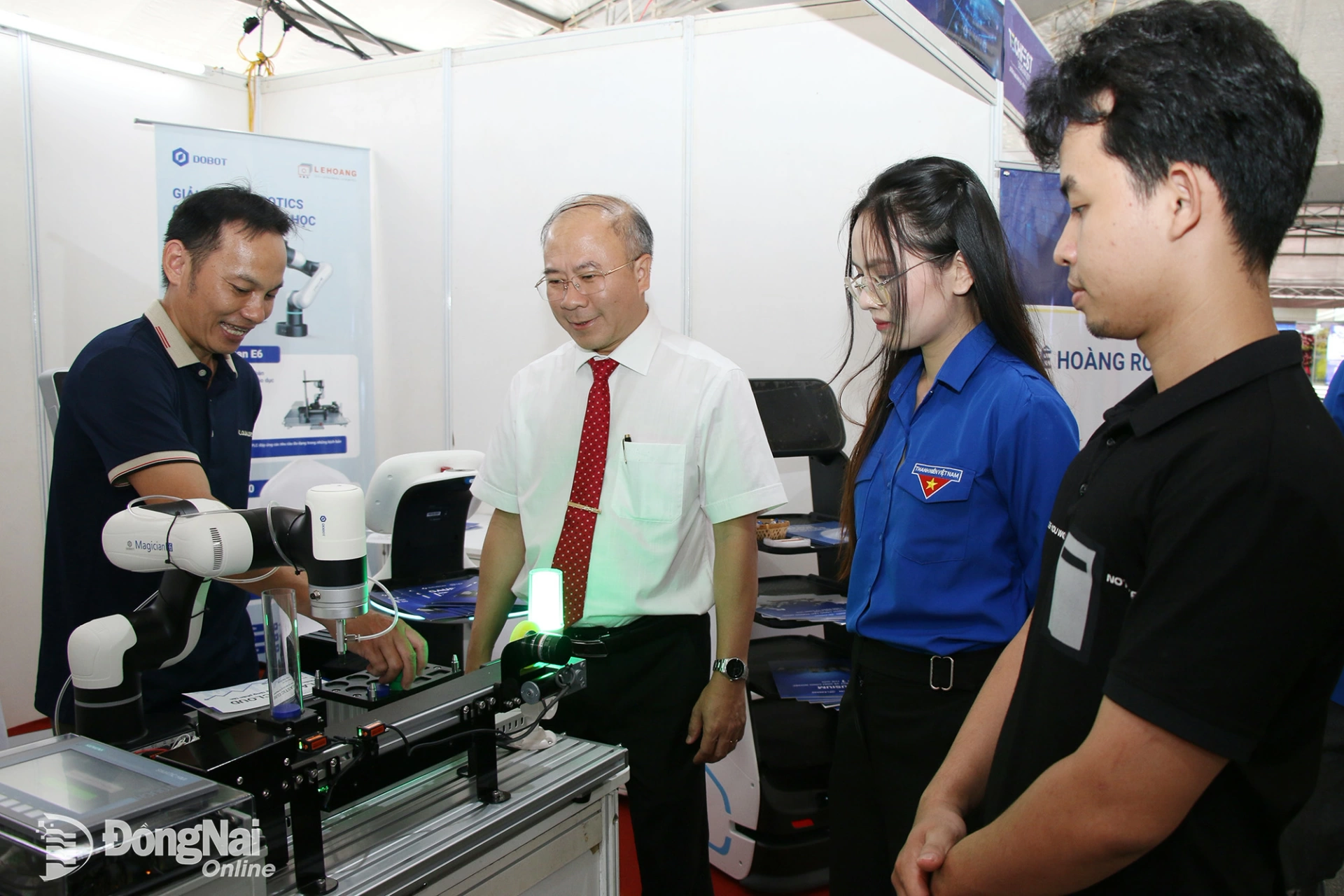
Sonadezi College of Technology and Management, located in Long Hung Ward, officially inaugurated the Sonadezi College Innovation and Robotics Center on April 18.
Vietnam's agricultural sector is investing more in deep processing technologies, particularly smart drying solutions that help increase product value and ensure compliance with international standards.
Around 11.5 million women and men in Viet Nam – one in five workers – are in occupations whose tasks are potentially exposed to generative artificial intelligence (GenAI), according to a new brief published today by the International Labour Organisation (ILO) Country Office for Viet Nam.
Dong Nai is emerging as an attractive destination for global technology investors. Competitive advantages in infrastructure and investment policies drive the shift.
Scientific and technological progress is enabling many maritime nations to intensify research into the potential of marine resources within their territorial waters, thereby supporting precise and effective policy decisions. The imperative to study, conserve, and responsibly exploit marine resources requires autonomy and localisation of research vehicles.