
Targeted investments in key road projects are gradually addressing transport infrastructure bottlenecks. Meanwhile, production support policies tailored to local conditions and the needs of eligible beneficiaries have been providing ethnic minority communities in Dak Nhau Commune with additional resources and opportunities to take the initiative in improving their economic circumstances and gradually enhancing their quality of life.
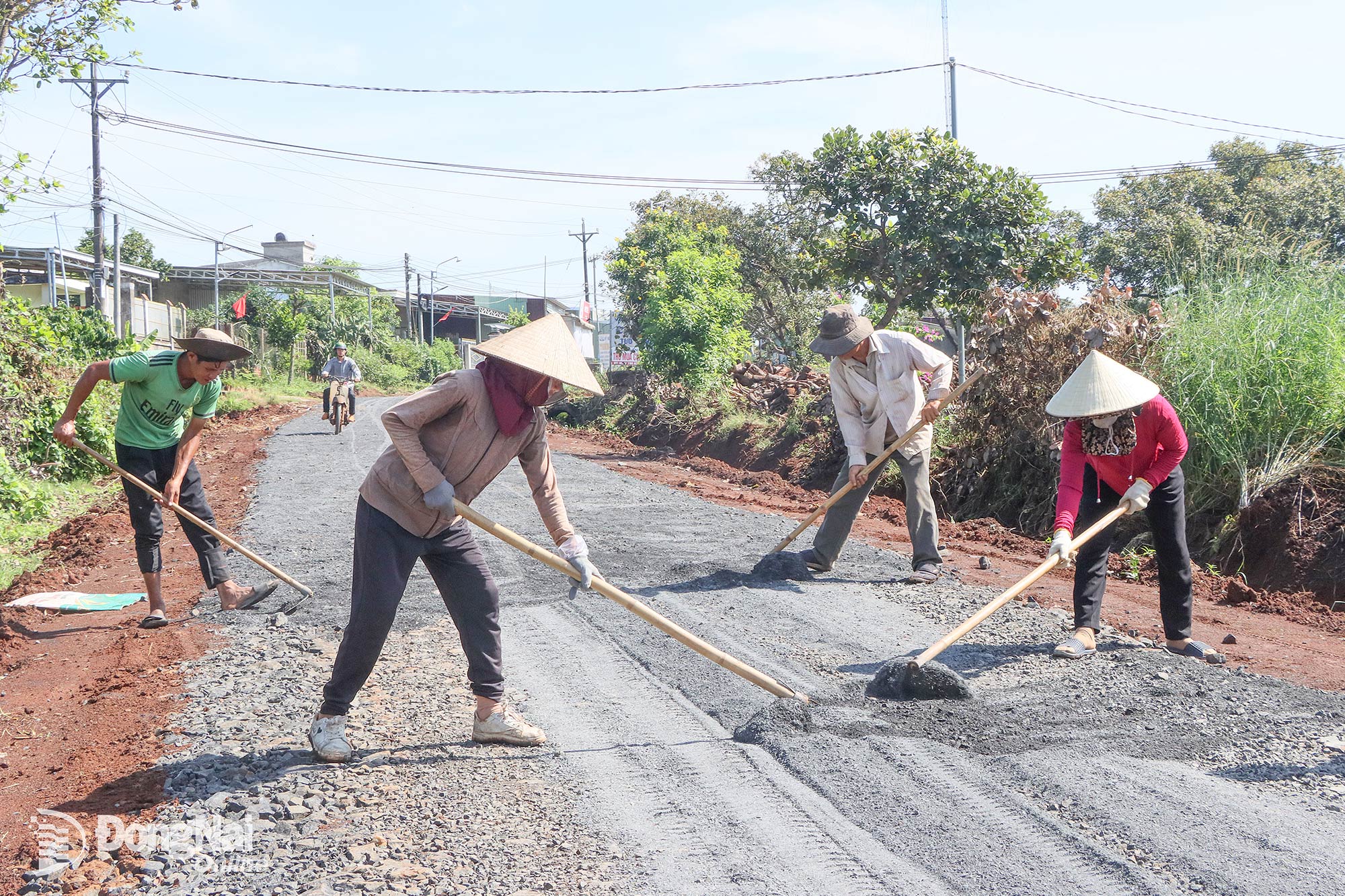 |
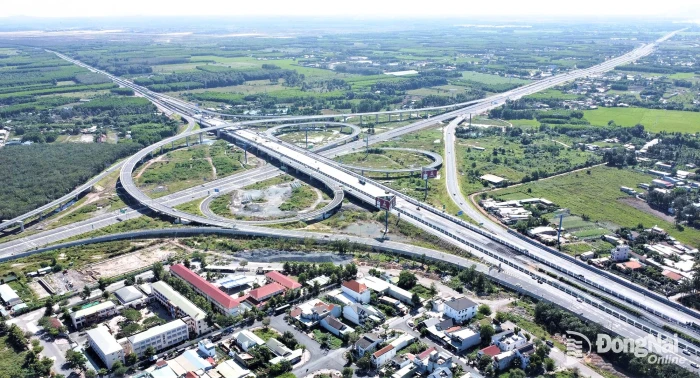
| Road projects are helping improve transport infrastructure in Dak Nhau Commune. |
Located in northeastern Dong Nai City, Dak Nhau Commune comprises five hamlets, two of which are classified as particularly disadvantaged. It has a population of more than 24,500, with ethnic minority residents making up about half. Covering more than 182 square kilometres, the commune has an agriculture-based economy, with cashew, pepper and coffee among its main crops.
Better infrastructure paves way for development
Nguyen The Dung, Head of Dak Nung Hamlet, one of the commune’s two particularly disadvantaged hamlets, said the road running from the junction near the Vo Thi Sau Primary School site to a stream in former Hamlet 5, now part of Dak Nung Hamlet, had seriously deteriorated.
The project to maintain and repair nearly three kilometres of road aims to improve the damaged surface and reduce localised flooding during the rainy season. Once completed, it is expected to make travel and the transport of agricultural produce easier for residents, while supporting local socio-economic development. The Dak Nhau Commune People’s Committee is also investing in a 6.4-kilometre road linking Dak Nung Hamlet with Provincial Road 760. Both projects are funded by the National Target Programme on Socio-Economic Development in Ethnic Minority and Mountainous Areas for the 2021-2030 period.
To Hoai Nam, Deputy Secretary of the commune Party Committee and Chairman of the Dak Nhau Commune People’s Committee, said the commune was also using public investment funds to carry out other road projects, alongside those supported by the national target programme. In 2026, the commune allocated approximately VND40 billion to six road projects, all of which are expected to be completed and opened to traffic by year-end, he said.
Investment in agriculture
Dak Nhau Commune has more than 13,000 hectares of perennial crops, including about 9,000 hectares of cashew. Coffee and rubber each cover around 1,000 hectares. Agriculture accounts for approximately 80% of the commune’s economic output.
Nguyen Manh Truong, Head of the commune’s Economic Division, said Dak Nhau had three cooperatives and one cooperative group with nearly 100 members, mainly engaged in growing and trading cashew, coffee and fruit. Their activities have begun to show encouraging results.
Capitalising on its advantages in land resources and soil conditions, the Dak Nhau Commune Party Committee has developed a breakthrough programme for agricultural economic development. Building on this initiative, local organisations are focusing on helping residents access preferential loans from the Vietnam Bank for Social Policies and the Farmers’ Support Fund, as well as providing technical assistance and transferring agricultural know-how.
To Hoai Nam said higher prices for key agricultural products, particularly coffee, cashew and rubber, had helped improve residents’ livelihoods in recent years. He added that investment in roads, schools and the offices of local government agencies and mass organisations had also brought significant changes to the commune’s appearance.
Despite the many challenges that remain, Dak Nhau continues to make steady progress in socio-economic development. These positive developments are laying the foundation for the commune to gradually narrow the development gap with other communes and wards across the city, working towards a more prosperous, comfortable and fulfilling life for its residents.
By Q.M – Translated by M.Nguyet, Minho

Thông tin bạn đọc
Đóng Lưu thông tin