
The Urban Development Law introduces a relatively comprehensive policy framework to channel investment into sectors that play an important role in the city’s socio-economic development. The scope of incentives and support extends beyond manufacturing, technology, energy, and infrastructure to education, healthcare, elderly care, cultural industries, social welfare, environmental protection, high-tech agriculture, and legal services.
Prioritizing high technology, digital and energy transformation, and infrastructure
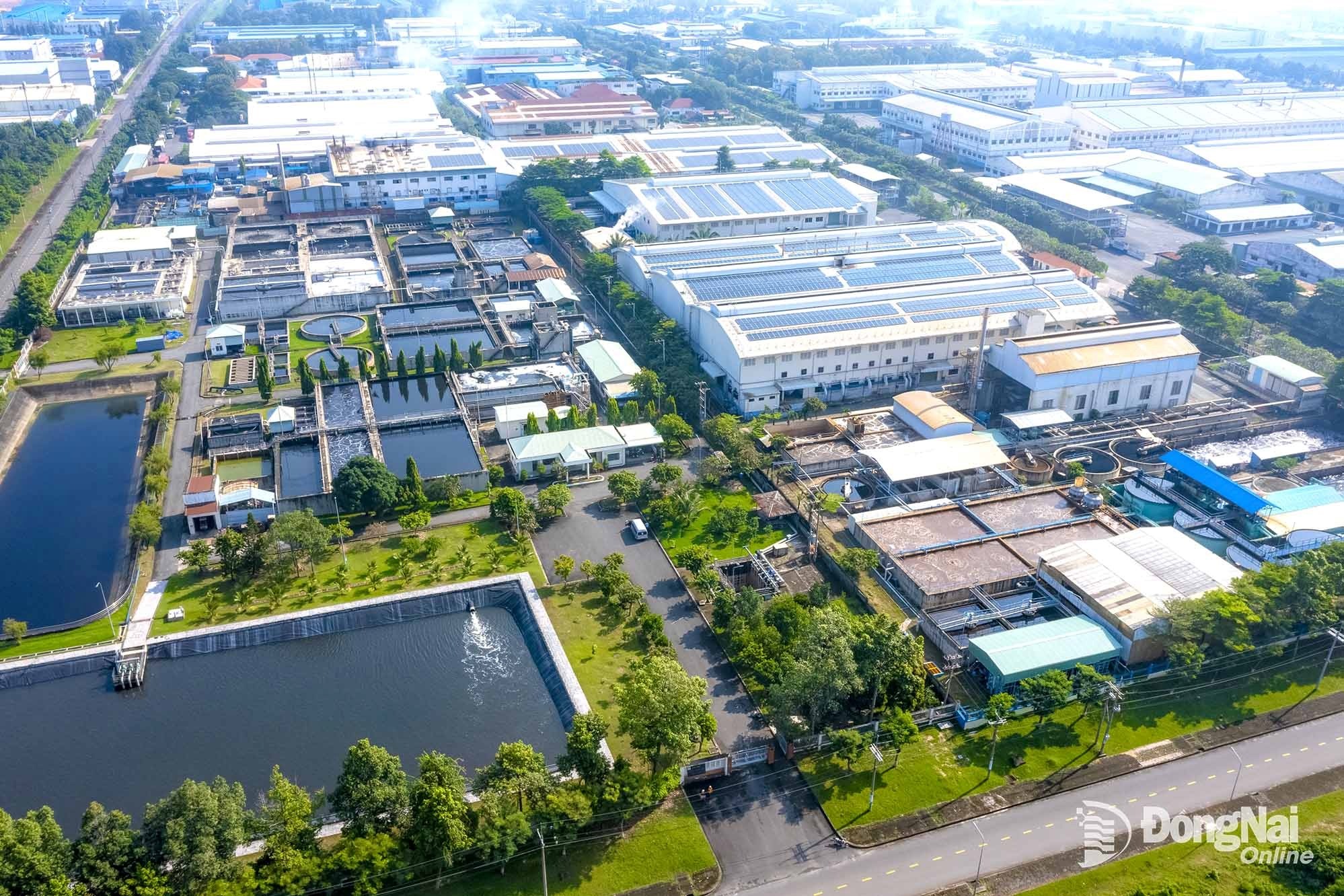 |
| Nhon Trach 2 Industrial Park has modern, completed infrastructure and provides quality services for secondary enterprises. Photo: Vuong The |
Under Article 39 on investment attraction, investment incentives and support, and enterprise development, investment projects in the city are eligible for incentives and support across a wide range of sectors. Amid the shift toward a new growth model, Article 39 provides considerable scope for projects related to science, technology, and innovation. Specifically, projects involving high technology, information technology, digital technology, innovation, and innovative startups in the city’s science and technology sectors are among those eligible for incentives and support.
The policy also targets projects using advanced and high technologies in environmental protection, carbon emissions reduction, climate change response, and waste and wastewater treatment. These sectors are directly linked to requirements for sustainable development, improved environmental quality, and efficient use of resources.
In the transport infrastructure sector, the Urban Development Law identifies local railway projects as one of the groups eligible for incentives and support.
The policy scope is also expanded in industry and energy. Eligible projects include those producing high-tech industrial products; digital transformation and energy transition projects; projects involving equipment and technology upgrades in industrial production; supporting-industry projects; projects included in the list promulgated under Clause 2, Article 25 of the Urban Development Law; new energy, renewable energy, gas, liquefied gas, and oil refining and petrochemical projects; energy storage projects; and smart-grid projects.
 |
| The high-tech cantaloupe-growing model in a greenhouse delivers high economic efficiency. Photo: Le Quyen |
The policy is not limited to manufacturing but also covers distribution systems, logistics, and commercial infrastructure. Article 39 includes investment projects for developing markets, supermarkets, shopping malls, trade fair and exhibition centers, outlet models, logistics centers, inland container depots (ICDs), and cargo warehouses in the city, all of which are eligible for incentives and support.
For the development of new production models and industrial areas, the law provides incentives for projects that develop eco-friendly enterprises; projects to develop and operate infrastructure in high-tech industrial parks, eco-industrial parks, specialized industrial parks, and supporting-industry parks; and projects involving free-trade zones and integrated logistics zones.
These provisions show that the investment attraction framework is designed to cover the entire chain, from research, manufacturing, energy, and infrastructure to the circulation and distribution of goods. The selected sectors are all associated with requirements for technological innovation, stronger production capacity, infrastructure development, and a transition toward greener and more modern development.
In addition to industry and technology, agriculture is another sector specifically covered by the policy. Eligible projects include high-tech agricultural projects; projects developing rural trades, craft villages, and traditional craft villages; research and production projects in organic agriculture and high-tech agriculture; projects researching and producing agricultural and forestry plant varieties, livestock breeds and aquatic breeds; projects developing and applying biotechnology in agricultural production; projects developing marine aquaculture; and projects investing in centralized animal slaughterhouses that meet national veterinary hygiene standards.
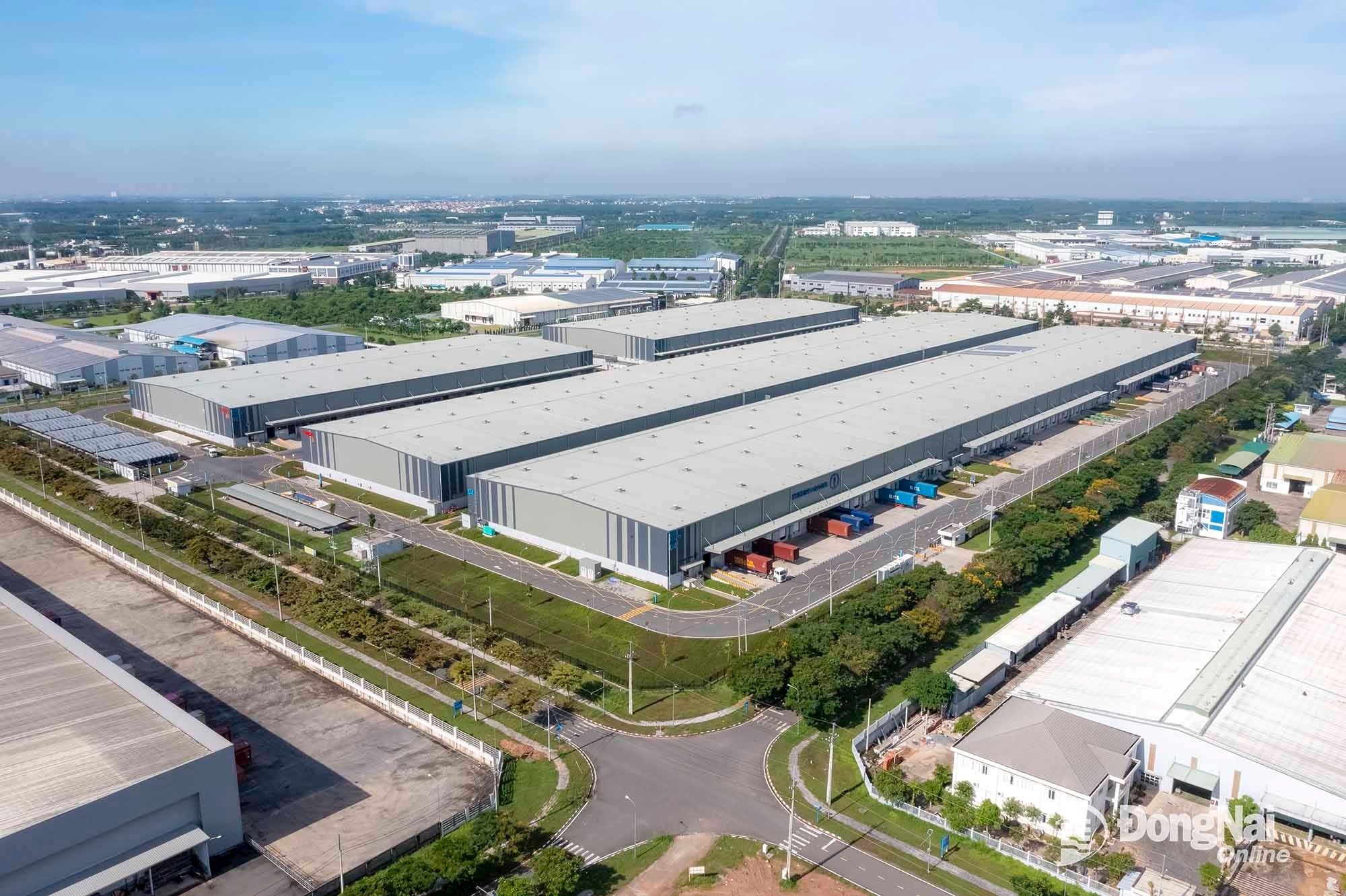 |
| Giang Dien Industrial Park has a prime location and prioritizes attracting high-tech industries, supporting industries, and a number of processing and manufacturing industries. Photo: Vuong The |
The incentives also cover investment projects in services and trade as stipulated in Article 20 of the Urban Development Law, as well as projects developing production and supply chains for products and services as stipulated in Point c, Clause 4, Article 40.
In the judicial sector, the policy targets investment and infrastructure development projects to support judicial services in the city, with a focus on modern, shared, interconnected, and integrated infrastructure. It also covers projects developing out-of-court dispute resolution services and high-quality legal services with international integration capacity.
Projects listed in the industries and sectors for marine economic development stipulated in Point b, Clause 1, Article 18 are also eligible for incentives and support. At the same time, Article 39 allows additional sectors to be included, stipulating that “other projects may be decided upon and promulgated by the City People’s Council in accordance with the city’s development strategy and circumstances.”
Tax incentives, land-rental exemptions and interest-rate support
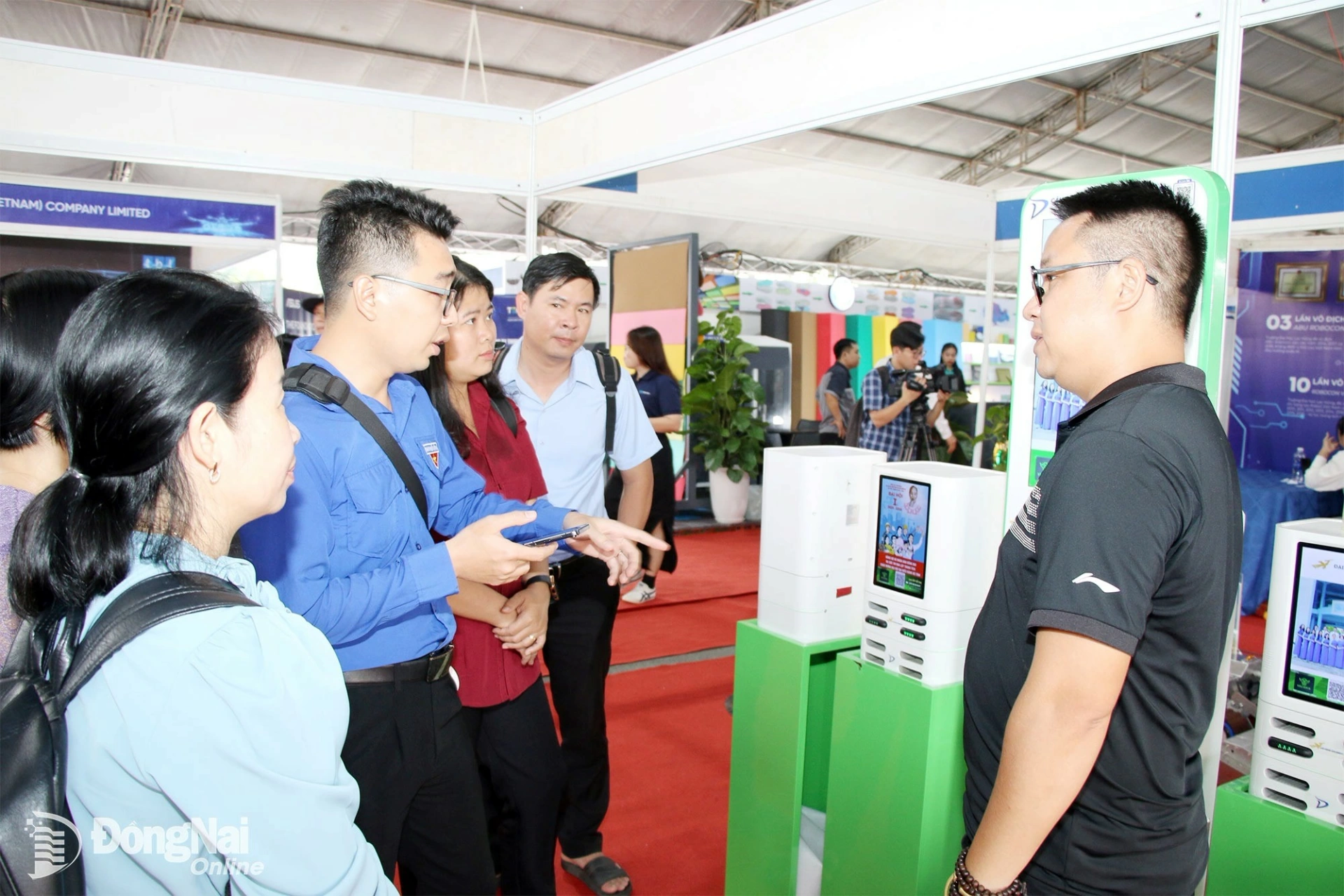 |
| Residents and businesses visit booths showcasing digital technology and innovative products at Techfest Dong Nai 2025. Photo: Hai Quan |
In addition to identifying eligible sectors, Article 39 of the Urban Development Law specifies forms of incentives and support available to businesses, organizations, and individuals implementing projects. These include exemptions from land rental fees in accordance with regulations issued by the city's People’s Council.
Notably, the policy also provides direct support for the innovative startup ecosystem. Under the regulations, “innovative startup enterprises, science and technology organizations, and intermediary organizations supporting innovative startups are entitled to a 50% reduction in rental fees for production and business premises at the city’s innovation centers.”
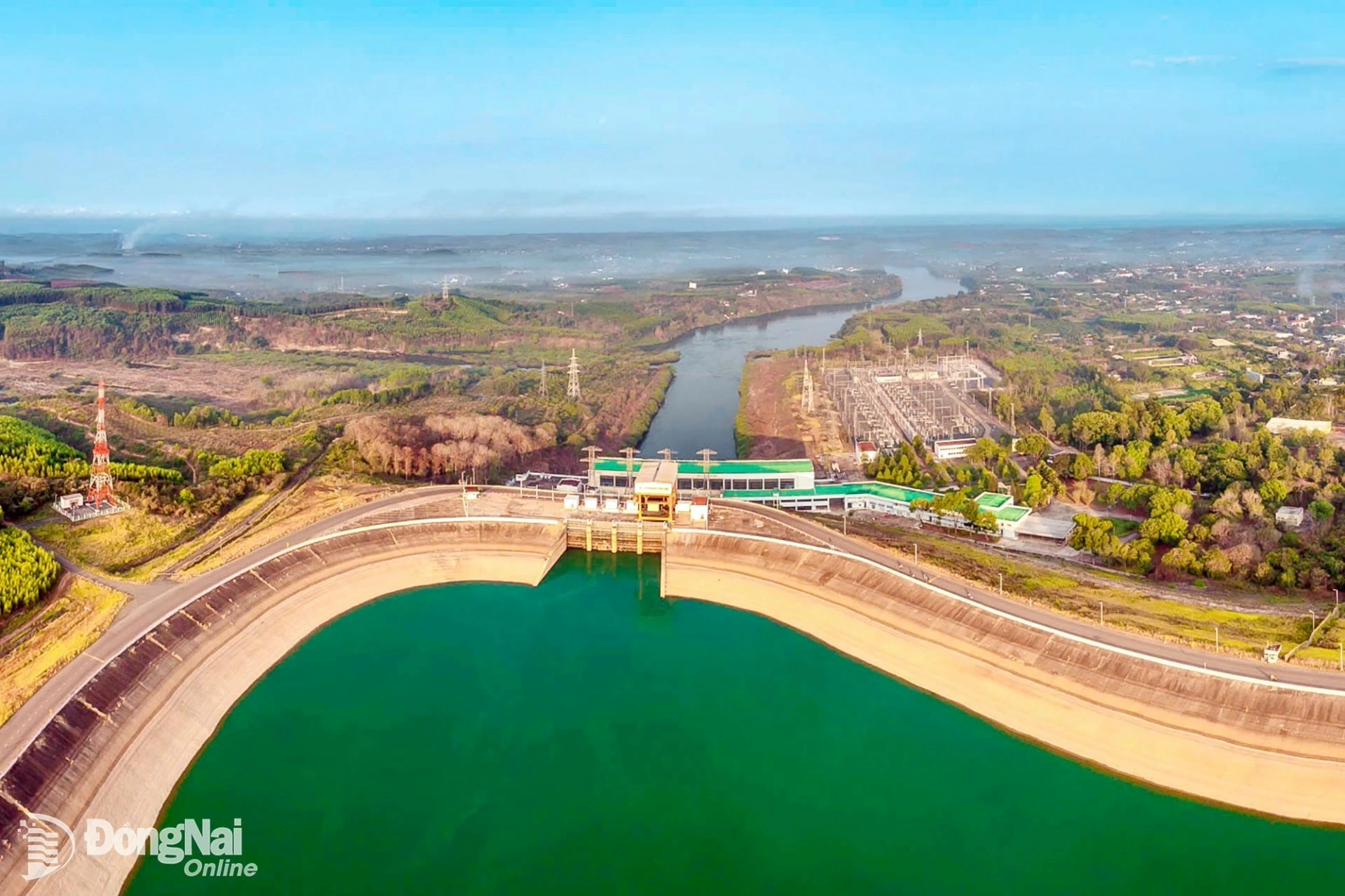 |
| The Tri An Lake area is planned for development into a national tourist area. Photo: Quang Huy |
Corporate income tax incentives are also provided. Clause 2, Article 39 stipulates that income generated from project implementation is subject to the tax rate specified in Clause 2, Article 13 of the Law on Corporate Income Tax and eligible for the corporate income tax exemptions and reductions specified in Clause 1, Article 14 of that law.
A separate mechanism is provided for projects in social assistance and drug rehabilitation. Under Clause 3, Article 39, businesses, organizations and individuals investing in projects specified in Point d, Clause 1 are entitled to incentives and support including exemptions from land-use fees and land rental fees when land is allocated or leased by the State, as well as corporate income tax exemptions on income generated from activities of non-public social assistance establishments, private drug rehabilitation facilities, and facilities providing voluntary drug rehabilitation services at home and in the community.
Projects in this group are also eligible for interest-rate support on loans from the city budget for a maximum of seven years from the start of the loan, in accordance with regulations issued by the City People’s Council.
The Urban Development Law provides incentives and support to make investment projects more attractive to businesses in key sports sectors, the establishment of cultural industry centers, projects in cultural industries, and traditional art sectors, including detailed lists decided upon by the City's People’s Committee. It also covers investment projects in educational and training institutions at all levels, vocational education institutions, and training facilities for people with disabilities and disadvantaged children. In healthcare, the policy targets investment projects in high-quality, modern medical examination and treatment facilities, as well as high-quality healthcare facilities for the elderly. Another notable aspect is support for projects associated with population aging and sustainable urban development.
The incentives are not limited to direct support for investors. Article 39 also establishes a mechanism to encourage social resources to participate in drug prevention and control efforts. Accordingly, donations and sponsorships from organizations and businesses for counseling, communication, drug prevention and control, drug rehabilitation, development of new drug rehabilitation models, and post-rehabilitation management, as well as incentive and commendation payments to businesses, organizations, and individuals with achievements in drug prevention and control, are recognized as legitimate expenses of organizations and businesses for accounting purposes.
For individuals, the regulations also establish a clear mechanism for handling such contributions. Donations and sponsorships from individuals for counseling, communication, drug prevention and control, drug rehabilitation, development of new drug rehabilitation models, and post-rehabilitation management, as well as incentive and commendation payments to organizations and individuals with achievements in drug prevention and control, may be deducted from income before tax is calculated for individuals residing in the city.
By Hai Thanh – Translated by Mai Nga, Minho


Thông tin bạn đọc
Đóng Lưu thông tin