
Value-added tax (VAT) policies for ordinary semi-processed timber have been clarified since 2026. However, in actual production and business operations, the timber industry continues to face the question, "Is this product still ordinary semi-processed timber, or has it become another processed wood product?"
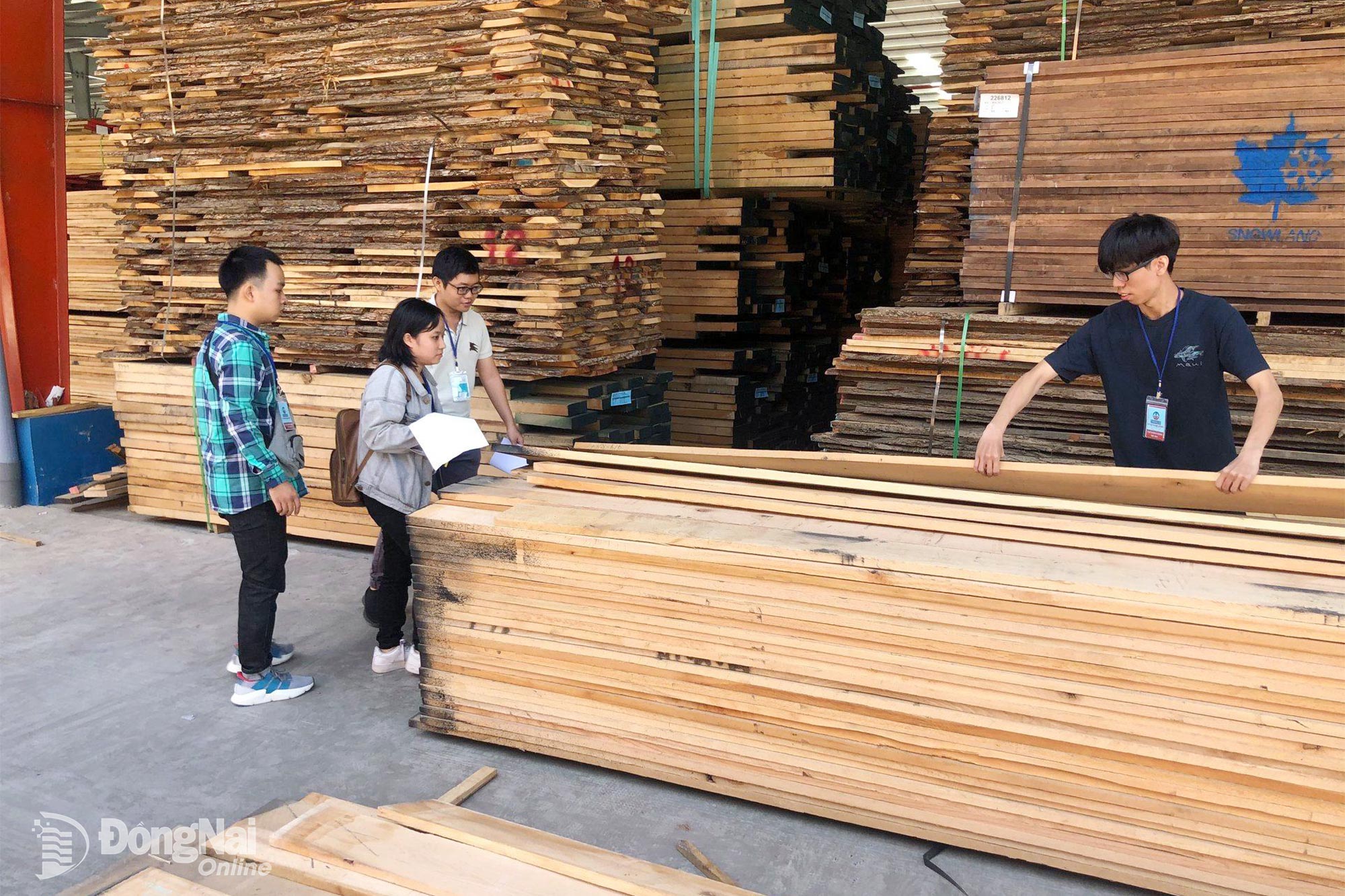 |
| Kiln-dried sawn, and semi-processed timber may be exempt from VAT under current regulations. In the picture: A raw timber warehouse operated by a member company of the Dong Nai Wood and Handicraft Association (DOWA). |
Enterprises are calling for the uniform application of VAT policies to ordinary semi-processed timber products to reduce legal risks and address difficulties facing exporters.
Confusion over determining tax rates
The country currently has nearly 4.9 million hectares of planted forests, of which about 2 million hectares are managed and harvested by 1.5 million households. Annual harvest output reaches more than 50 million cubic meters, serving as an important source of raw materials for the wood processing and export industry. In addition to domestic raw materials, Vietnam imports about 10 million cubic meters of timber and semi-processed wood products annually for production and export.
Since January 1, 2026, several new regulations on VAT for semi-processed timber products have come into force following the amended Law on Value-Added Tax adopted on December 11, 2025, along with its guiding decrees and circulars. Notably, Circular No. 84/2025/TT-BNNMT, dated December 31, 2025, issued by the Ministry of Agriculture and Environment, which details several provisions of the Forestry Law and amends and supplements various circulars in the field of forestry and forest protection, defines ordinary semi-processed timber as timber that, after harvest, has undergone initial processing stages such as sawing, peeling, chipping, or grinding without changing the fundamental nature of the wood. These products include rough-sawn timber, veneer, wood chips, and processing by-products such as sawdust and wood shavings.
However, determining VAT remains subject to inconsistent interpretations. Some localities grant tax exemptions only to companies that directly own planted forests and conduct their own semi-processing, while others apply the same treatment to companies that purchase raw materials and subsequently conduct preliminary processing. Furthermore, in some cases, a single additional processing step can change a product's tax treatment.
Some localities also do not recognize kiln-dried sawn timber as an ordinary semi-processed product, even though drying is covered by the Government’s Decree No. 181/2025/ND-CP, dated July 1, 2025, which details the implementation of certain articles of the Law on Value-Added Tax. Regarding imported timber, although it is not subject to VAT under the law, specific guidance remains lacking, requiring businesses in practice to continue declaring and paying VAT.
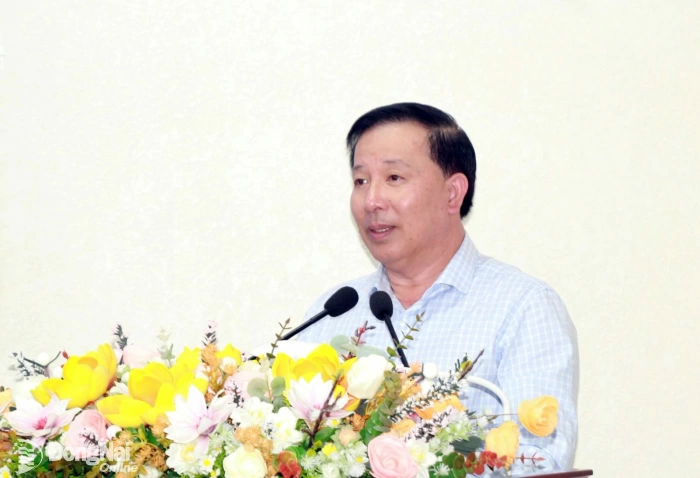
At the workshop "Value-Added Tax on Ordinary Semi-Processed Wood and Forest Product Documentation," organized by DOWA on September 4, 2026, DOWA Chairman Nguyen Phuong said many member companies were facing obstacles related to this issue. Specifically, enterprises raised numerous practical scenarios, including determining the classification and applicable tax rate of each type of wood product, issuing invoices and documentation, proving the origin of raw materials, and ensuring consistency among purchase and sale records, forest product documentation, and accounting records.
Uniform application needed
In June 2026, a local company asked the Dong Nai Tax Department whether its sawn timber products should be classified as ordinary semi-processed timber. The tax authority subsequently provided further guidance on the case. The classification must be based on both VAT regulations and specialized regulations on forest product management.
Dong Nai is home to a large number of timber producers, processors, and exporters, making the need for clear criteria for determining VAT even more critical. A single product may pass through multiple companies and various stages before becoming a finished product. If each company or stage interprets the status of "semi-processed" or "processed" differently, there is a significant risk of discrepancies in invoices, taxes, and forest product documentation.
At the aforementioned workshop, representatives of the Forestry and Forest Protection Department, the Dong Nai Tax Department, and the Customs Sub-Department Region XVIII addressed issues raised by businesses. Accordingly, to definitively resolve these obstacles, wood products need to be viewed from the source of raw materials and the semi-processing stage through to commercial transactions and import-export activities – rather than treating each type of documentation in isolation.
According to Huynh Thien Duy Phuong, Head of the Professional, Budgetary and Legal Affairs Division under the Dong Nai Tax Department, enterprises must first standardize their product documentation and production processes. This is not only a requirement for tax management but also helps businesses prove the legality of their raw material sources and the movement of forest products. The Dong Nai Tax Department will continue compiling practical scenarios to provide unified guidance. The important point is that not only the tax sector but also customs and other relevant local agencies must reach consensus on the application and issue specific guidelines for uniform implementation nationwide, avoiding the current situation in which each agency applies the rules differently.
Enterprises are also seeking consistency in tax determination as a basis for production and business planning. Nguyen Thanh Tin, Deputy General Director of Chien Vietnam Furniture Mfg. Co., Ltd. (Tam Phuoc Industrial Park), said that, in the context of the timber industry facing significant pressure from raw material costs, traceability requirements, and competition in export markets, priority must be given to the correct application of tax policy to reduce compliance costs for businesses.
In the first eight months of 2026, the total export value of Vietnamese timber and wood products reached USD11.69 billion, up 5% year on year. For many years, Vietnam's timber and forest product industry has maintained positive export growth, contributing significantly to economic growth, job creation, and increasing the value of the forestry sector.
By Vuong The – Translated by Minh Hong, Thu Ha



Thông tin bạn đọc
Đóng Lưu thông tin