
Following the merger, Dong Nai has expanded its tourism development space, creating more opportunities for ecotourism, resort, cultural and spiritual tourism, community-based tourism and other forms of tourism. Meanwhile, Long Thanh International Airport and improved inter-regional transport links, along with the formation of Dong Nai City, are providing a strong foundation for socio-economic development in general and tourism development in particular in the years ahead.
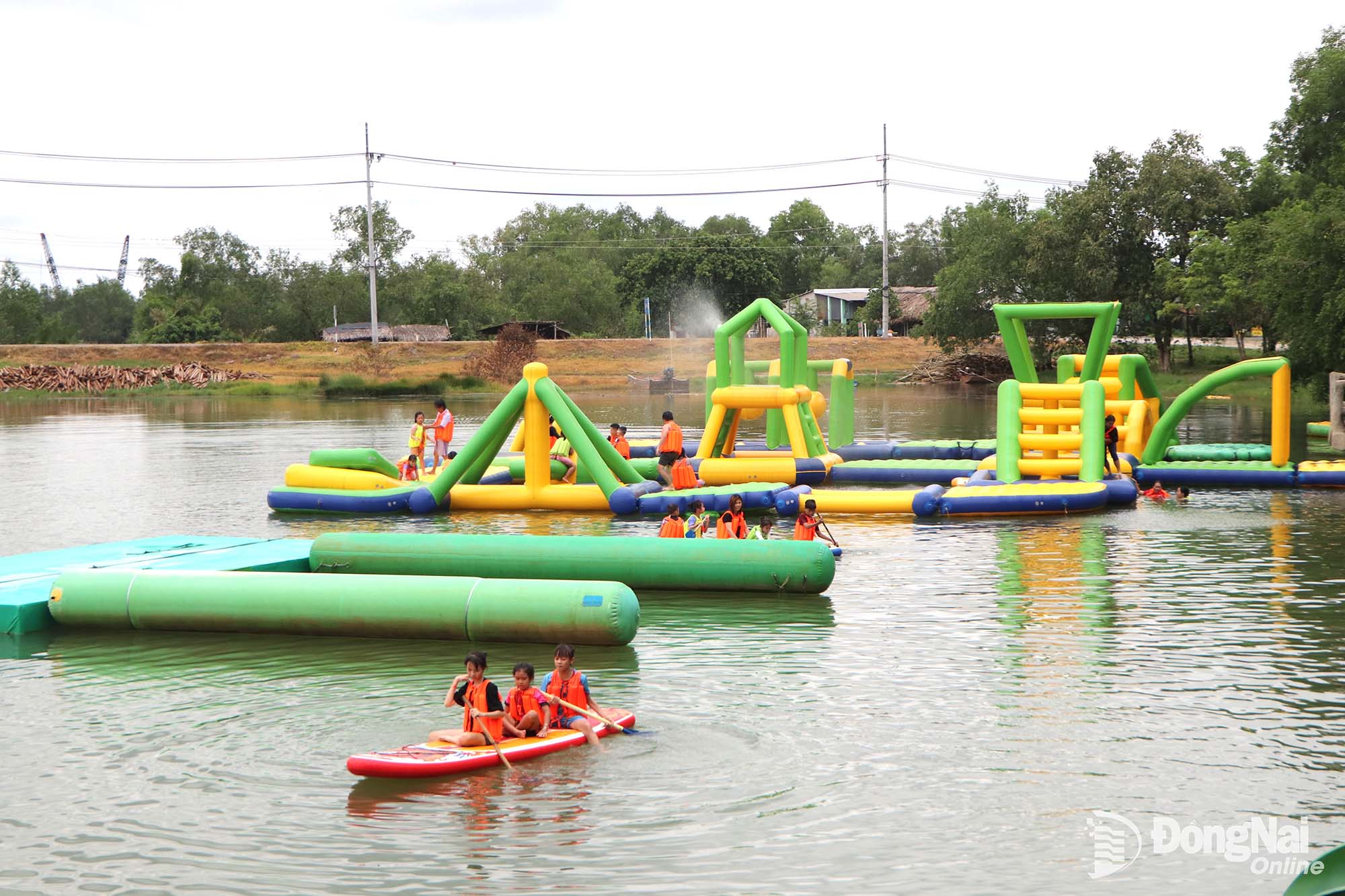 |
| Tourists enjoy river bathing and water-based activities at Bo Cap Vang Ecotourism Area in Dai Phuoc Commune. |
Building on these advantages, the city is focusing on developing tourism into a strong and diversified economic sector, with an emphasis on quality, international standards and products built around its distinctive strengths. Tourism is also identified as one of the city's five economic development pillars under Resolution No. 10-NQ/TU, dated August 20, 2026, issued by the Dong Nai City Party Committee on developing tourism into a strong economic sector (Resolution No. 10).
Leveraging local advantages
In recent times, Dong Nai's tourism sector has undergone positive changes as tourism sites and attractions have been upgraded and renovated. Some have improved the quality of their products by partnering with capable businesses to develop offerings based on local strengths, enhance competitiveness and attract international and high-value visitors.
Notable destinations include Cat Tien National Park and the Dong Nai Nature-Culture Reserve, which have partnered with businesses to research and develop new, distinctive forest-exploration tourism products. Dong Nai travel companies have also conducted surveys and signed agreements on tourism development cooperation between Dong Nai City and Lam Dong Province. In particular, the arrival of Dong Nai's first international cruise ship has opened up new opportunities and potential for developing cruise tourism in the city.
Resolution No. 10 sets the goal of making Dong Nai City a high-quality, attractive and sustainable destination through the effective use of its cultural and natural resources. The city will focus on developing high-end tourism products and professional services, improving the quality of its tourism workforce, fostering innovation and advancing digital transformation. These efforts aim to strengthen Dong Nai's tourism sector and contribute to the city's socio-economic development. By 2030, Dong Nai aims to become a key tourism destination in the southeastern region and Southern Vietnam.
Dinh Thi Lan Huong, Deputy Director of the Dong Nai Nature-Culture Reserve, said the reserve recently signed a memorandum of understanding with a partner to cooperate on ecotourism development and the research and development of new tourism products. The partner has extensive experience in developing nature-based tourism products and places a strong emphasis on sustainable development, minimizing environmental impacts and respecting local values. The two sides have agreed that ecotourism development must be grounded in conservation, ensuring a balance between protecting natural resources and making effective use of their value for socio-economic development.
The reserve expects the cooperation to help develop high-quality ecotourism products with distinctive local characteristics while promoting Dong Nai's natural, historical and cultural heritage to a wider audience of domestic and international visitors.
Aligning with national tourism development planning
For sustainable tourism development, Resolution No. 10 states that tourism development in Dong Nai must be aligned with the Tourism System Master Plan for the 2021-2030 period, with a vision to 2045; the Dong Nai City Master Plan for the 2021-2030 period, with a vision to 2050; and urban and rural planning for communes and wards. This approach is also consistent with the broader orientation set out in Resolution No. 26-NQ/TW, dated August 22, 2026, of the Politburo on developing Vietnam's tourism into a spearhead economic sector in the new era (Resolution No. 26). Accordingly, tourism is expected to become a spearhead economic sector and a new growth driver for the country, contributing to the goal of double-digit economic growth. Culture should serve as the foundation, while cultural identity and the quality of visitor experiences should be leveraged as competitive advantages. Tourism development should be driven by science and technology, innovation and digital transformation.
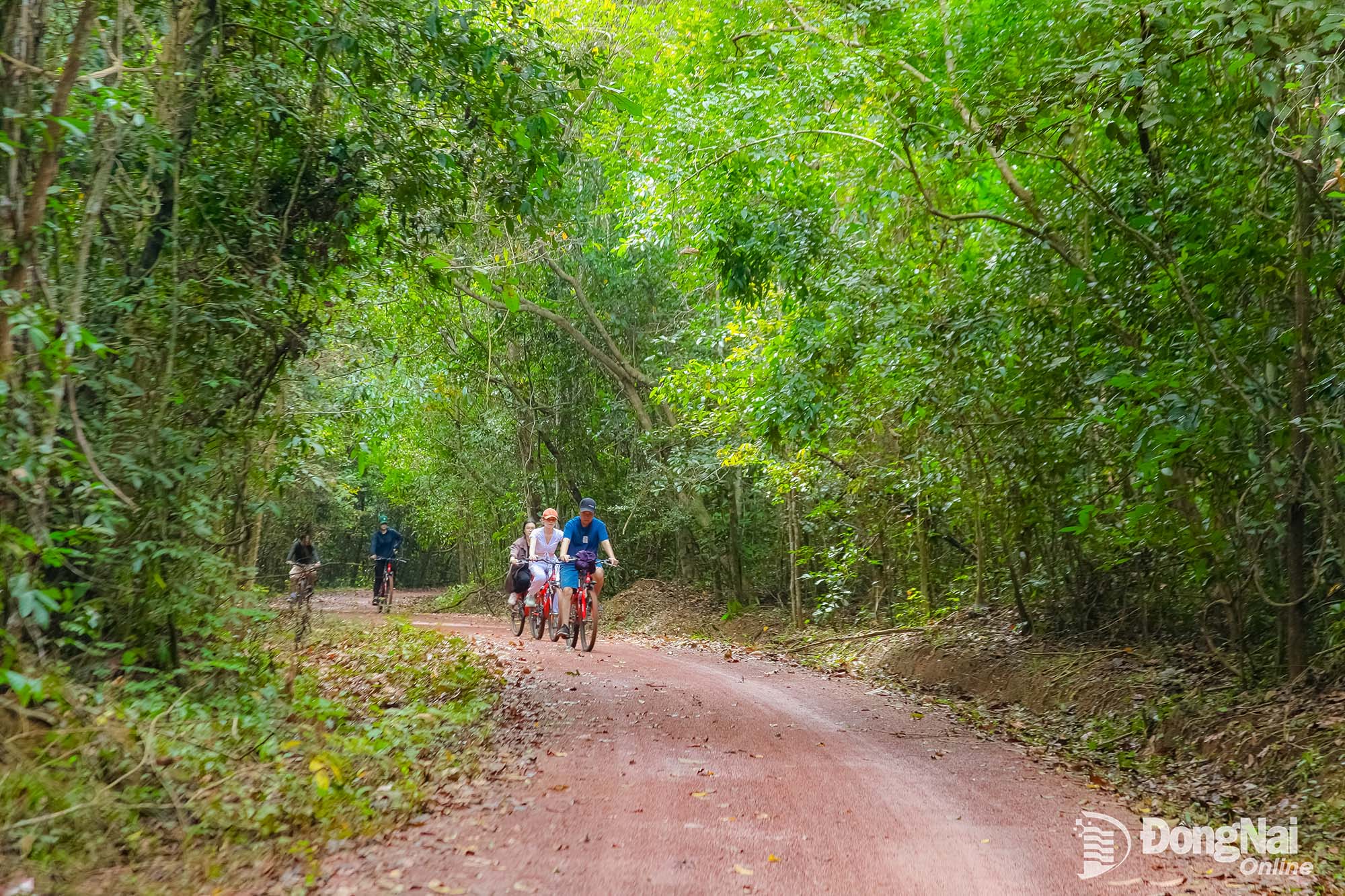 |
| The Dong Nai Nature-Culture Reserve is an attractive destination for domestic and international visitors. Photo: Ngoc Lien |
Addressing a national conference on September 3 to study, disseminate and implement several Politburo resolutions and directives, including Resolution No. 26, Party General Secretary and State President To Lam stressed the need to reorganize tourism development space and resources in the national interest. He also called for stronger links between regional development and tourism development while tapping the resources and contributions of Vietnamese people living abroad.
According to General Secretary and State President To Lam, tourism development must be integrated into the country's development strategy and regional economic space, becoming a new growth driver and enhancing the nation's soft power. Tourism should be organized as a comprehensive, inter-sectoral and inter-regional economic ecosystem. The sector must make a decisive shift from quantity to quality, added value and competitiveness, while leveraging culture, identity and visitor experience as key advantages. Science and technology, innovation, digital transformation and the green transition should serve as key drivers.
He also called for bottlenecks in institutions, visas, infrastructure, destination management, human resources, data, and tourism promotion to be removed, with a greater focus on high-spending visitors and longer stays. Regional linkages should generate distinctive tourism products, shared brands and substantive value chains. Businesses should play a pioneering role, while local people should remain central stakeholders. Heritage, cultural identity, and the environment must not be sacrificed for short-term growth.
By N.Lien – Translated by M.Nguyet, Minho


Thông tin bạn đọc
Đóng Lưu thông tin