
Innovation and digital transformation are important drivers for improving governance and administration, developing smart cities, promoting economic growth and enhancing residents’ quality of life.
The city is implementing a range of solutions to develop technology infrastructure and digital infrastructure while promoting innovation in tandem with urban development.
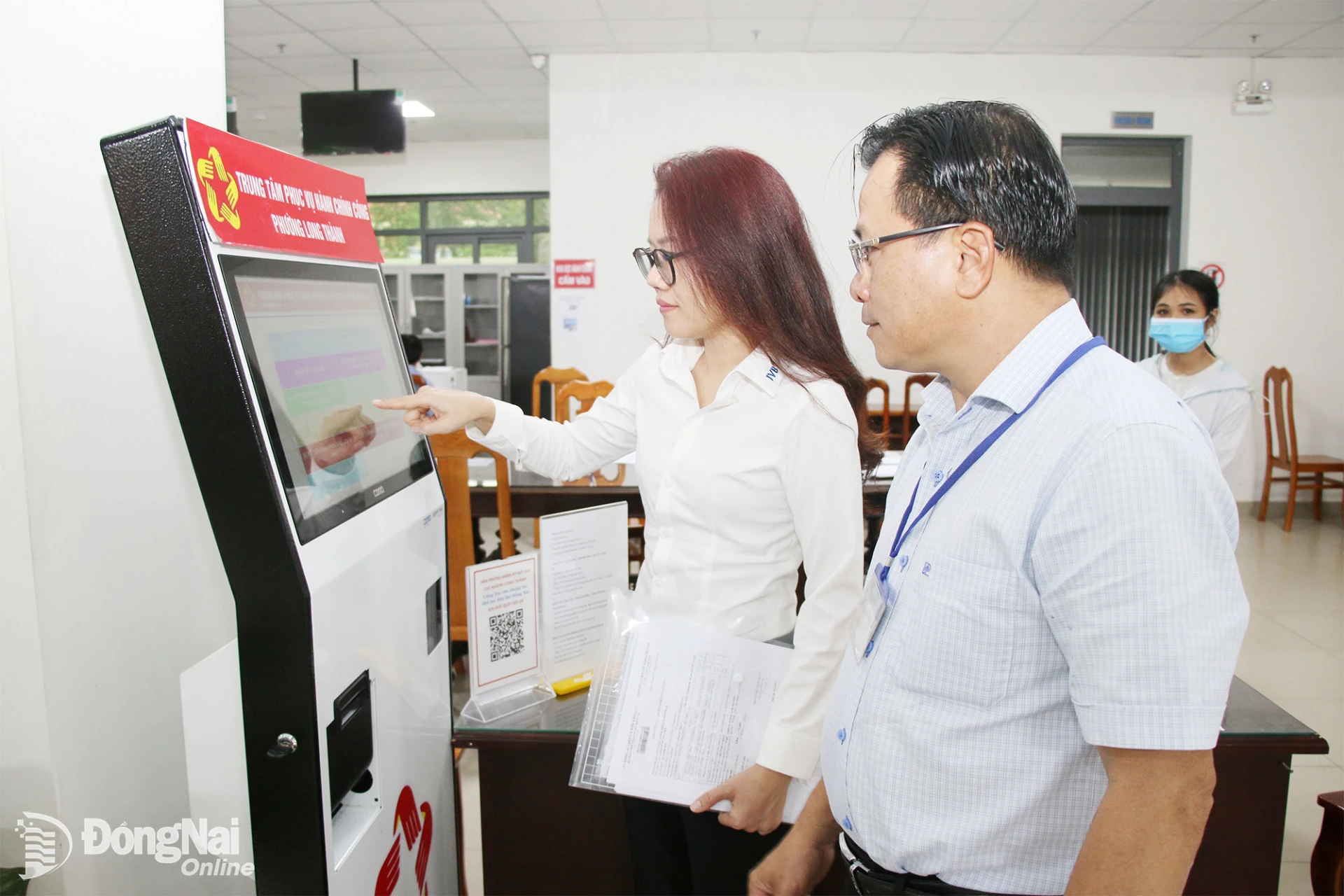 |
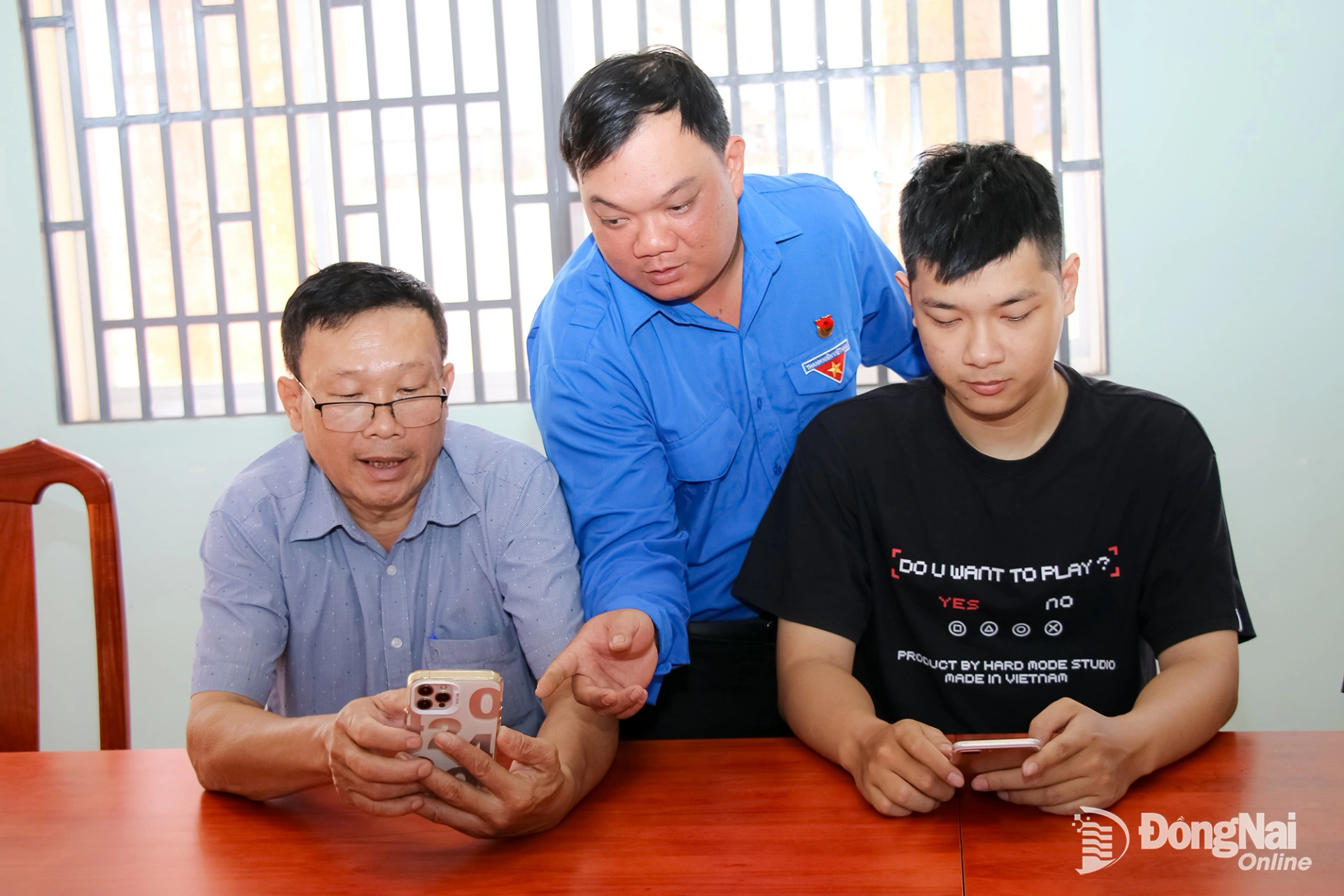
| Residents receive guidance and assistance in registering for online administrative procedures at the Long Thanh Ward Public Administration Service Center. |
Harnessing advantages and development opportunities
Dong Nai’s elevation to city status provides new momentum for the locality to tap into its potential and advantages in science and technology, innovation and digital transformation.
The Politburo issued Resolution No. 16-NQ/TW dated July 21, 2026, on building and developing Dong Nai City through 2035, with a vision to 2065. One of the eight key tasks and solutions identified in the resolution is to build a growth model based on science and technology, innovation and digital transformation while developing spearhead economic sectors.
In addition, the National Assembly has officially passed the Urban Development Law, introducing a range of mechanisms and policies to help promote the development of science and technology, innovation and digital transformation. The law provides mechanisms concerning resources, research, startups, technology commercialization, data and artificial intelligence (AI), along with specific powers for cities to organize implementation. This provides a foundation for cities, including Dong Nai, to pursue rapid and sustainable development in the new era.
With its important strategic location, particularly once Long Thanh International Airport becomes operational, Dong Nai will have additional opportunities to develop a digital technology ecosystem and implement high-tech projects linked to airport-city development.
The Urban Development Law outlines diverse models of high-tech zones, including traditional high-tech zones, concentrated digital technology zones, high-tech agricultural zones and models high-tech application models linked to emerging fields. The law also proposes a regulatory sandbox mechanism that allows new business models, technologies and policies to be tested under controlled conditions. This is an important mechanism for developing fields such as AI, financial technology (Fintech), Blockchain, digital services and smart cities.
Dr. Le Van, Director of the Fintech Program at the Institute of Innovation under the University of Economics Ho Chi Minh City, said Dong Nai has numerous competitive advantages in regional connectivity and economic development of the Southeast region. With sandbox model emerging alongside efforts to promote science and technology, innovation and digital transformation, Dong Nai has additional opportunities to pursue sustainable development goals.
According to Dr. Le Van, establishing sandboxes for digital business models, particularly in fintech and data services, would create a safe environment for testing innovative business models, promoting innovation and enhancing enterprises’ ability to differentiate themselves in the market.
Developing urban areas alongside a digital technology ecosystem
Dong Nai is focusing on attracting investment and developing technology zones, with a focus on semiconductor, AI and renewable energy projects. Key projects include the Long Thanh Concentrated Digital Technology Zone and an Innovation Zone associated with the airport city. These projects are expected to create new development momentum and foster a digital technology and innovation ecosystem in Dong Nai.
These projects are also important to concretizing Politburo Resolution No. 57-NQ/TW on breakthroughs in the development of science and technology, innovation and national digital transformation in the city.
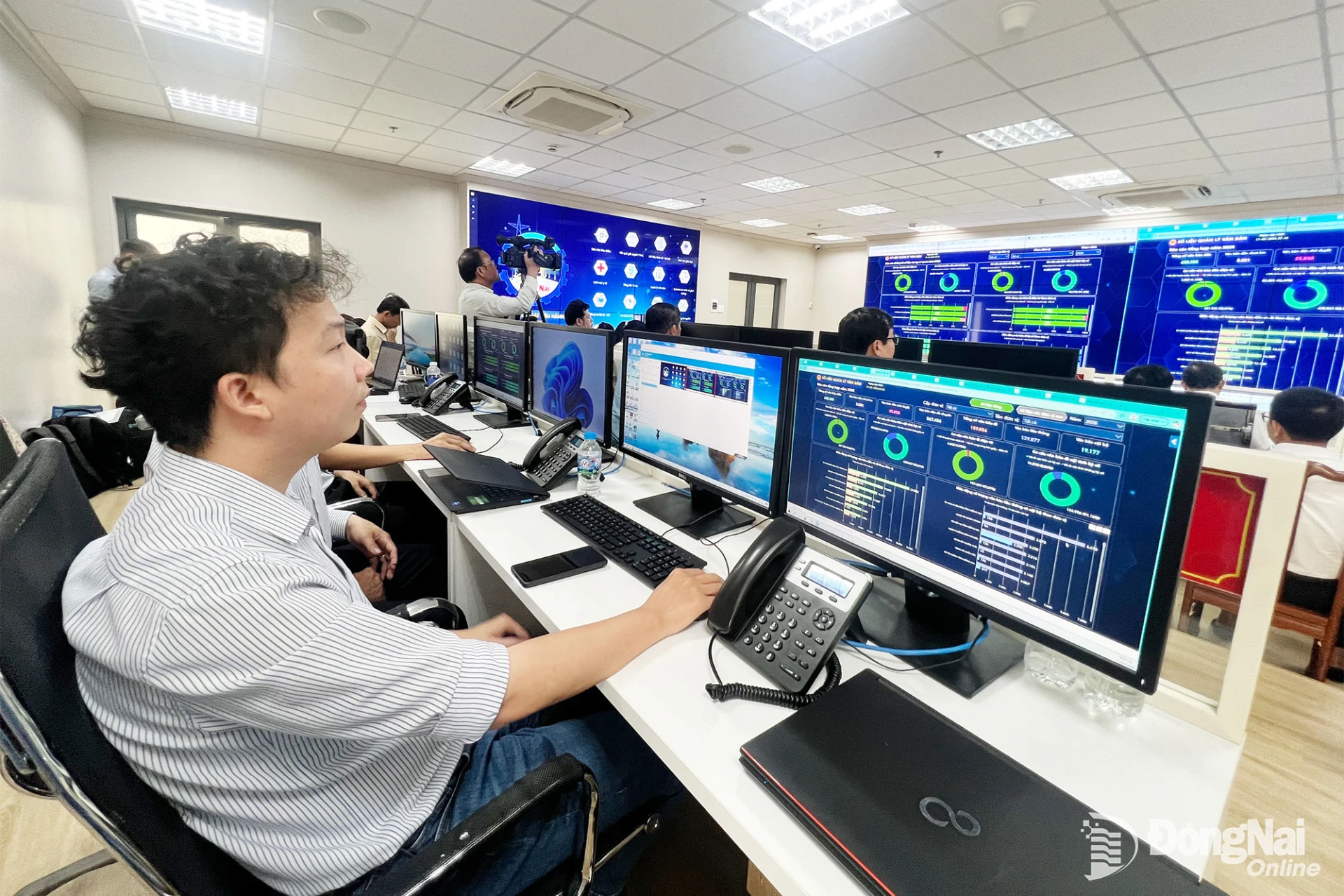 |
| Specialists operate control panels at the Dong Nai City Monitoring and Operations Center (IOC) in Tran Bien Ward. Photo: Hai Quan |
Assoc. Prof. Dr. Tu Diep Cong Thanh, Director of the Intellectual Property and Technology Transfer Center under Vietnam National University Ho Chi Minh City, said that to promote science and technology and innovation, Dong Nai should focus on its strengths in processing and manufacturing industry, logistics and environmental technology, thereby becoming a place for applying, testing and commercializing technologies linked to production.
At the same time, the locality needs to make targeted investments in science and technology and digital infrastructure, prioritizing the development of innovation centers, high-tech zones, shared data systems and digital platforms serving residents and businesses.
Similarly, Assoc. Prof. Dr. Nguyen Thi Thu Thuy, Vice Rector of Hong Bang International University, said innovation and digital transformation are no longer merely development trends but have become prerequisites for improving local competitiveness amid increasingly deep international integration.
With its advantages in geographic location, industry, logistics, its network of foreign-invested enterprises and human resources, Dong Nai has all conditions needed to become an innovation hub for the Southeast region. To realize this goal, the locality needs a systematic approach in which the government plays an enabling role, businesses serve as the center of innovation, universities provide knowledge and technology, and communities and investors act as catalysts for ecosystem development.
Recently, the city People’s Committee issued the Dong Nai City Digital Architecture Framework, Version 1.0, and the Information and Communications Technology Architecture for Smart Urban Development in Dong Nai City, Version 2.0.
According to experts, Dong Nai has taken a proactive approach to issuing and developing a roadmap for implementing its digital architecture framework. The development of a modern digital government operating on a data-driven basis aims to ensure that leadership, direction and administration at all levels are supported by data, analysis and forecasting in decision-making.
By Hai Quan - Translated by Mai Nga, Thu Ha
Thông tin bạn đọc
Đóng Lưu thông tin