
Building Dong Nai into a civilized, safe, livable, and happy city is one of the goals set out in Politburo Resolution No. 16-NQ/TW, dated July 21, 2026, on building and developing Dong Nai City through 2035, with a vision to 2065. Accordingly, “civilization” is not merely a criterion for the city's appearance but also an overarching requirement that guides Dong Nai's urban development.
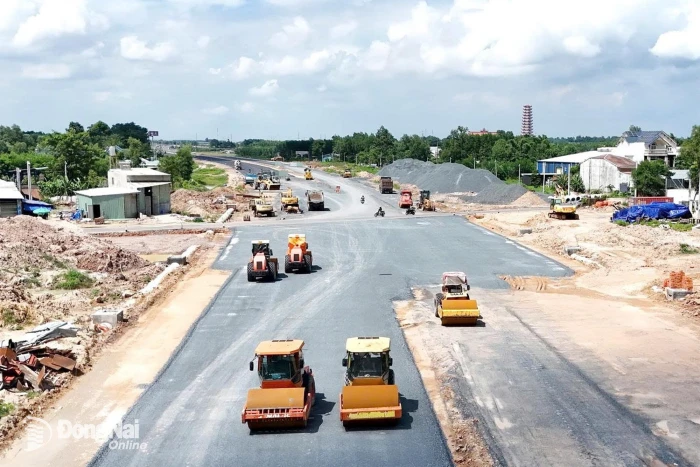
By 2035, Dong Nai aims to become a green, smart, multi-centered and multi-purpose urban area following airport-city and riverside-city models, with centers meeting international standards in high-tech industries, aviation, aerospace and the aviation economy. Such an ambition requires not only a modern infrastructure system but also a corresponding “infrastructure of awareness.” No matter how comprehensively a city is developed, it will struggle to become truly civilized if residents' awareness, behavior and lifestyles fail to keep pace.
Urban civility is therefore reflected first and foremost in small, everyday actions, such as keeping public spaces clean, queuing when shopping or using services, and avoiding disruptive behavior in public places. It also involves respecting the law, fostering a culture of responsible road use and gradually developing the habit of using public transport.
As Dong Nai undergoes a major transition toward green, ecological, riverfront and modern urban development, strengthening community awareness has become increasingly urgent. Residents need to better understand the importance of protecting riverside landscapes, sorting waste at source and refraining from dumping rubbish into rivers, streams and drainage channels, which can cause pollution and urban flooding. They should also use public amenities properly and help maintain and protect them, particularly smart facilities being introduced as part of urban modernization.
Urban civility in Dong Nai must also remain rooted in the historical and cultural values cultivated over generations. Bien Hoa ceramics, Tran Bien Temple of Literature, the Nguyen Huu Canh Temple, and the area's historical and architectural sites are not only valuable heritage assets that must be preserved but also contribute to Dong Nai's distinctive identity. Fostering a civilized way of life must therefore go hand in hand with the responsibility to preserve and promote traditional cultural values.
Building civic awareness must begin at its roots, with each person's moral foundations and lifestyle. As the first environment in which character is formed, the family plays a vital role. Parents should set an example for their children through seemingly simple actions: disposing of rubbish in designated places, keeping shared spaces clean, treating others with kindness and obeying traffic laws. Schools should provide an ongoing environment for developing life skills, civic responsibility and appropriate conduct in urban settings through both formal curricula and extracurricular activities.
At the same time, practical community initiatives should be expanded, including Green Sunday campaigns, exchanging plastic waste for plants, zero-dong kitchens providing free meals and youth-led flower-lined streets. Good deeds, acts of kindness and effective community-oriented initiatives should also be promptly recognized and promoted. When positive values are widely shared and become accepted standards of behavior, they can help “use beauty to dispel ugliness,” bringing about lasting improvements in social life.
The goal of building Dong Nai into a civilized, livable, and happy city can be realized only when two core elements are closely connected: modern infrastructure and a civilized “infrastructure of awareness.” Physical infrastructure serves as the foundation, while each resident's sense of responsibility toward the community and their living environment is the decisive driving force behind sustainable development.
By Thu Ngoc – Translated by Mai Nga,Minho



Thông tin bạn đọc
Đóng Lưu thông tin