
Following the administrative merger, Dong Nai City has abundant water resources, with an extensive network of rivers, reservoirs and irrigation lakes holding substantial water reserves. Notably, Tri An Lake, with a surface area of approximately 323 square kilometers (32,300 hectares), is the largest artificial lake in Southern Vietnam.
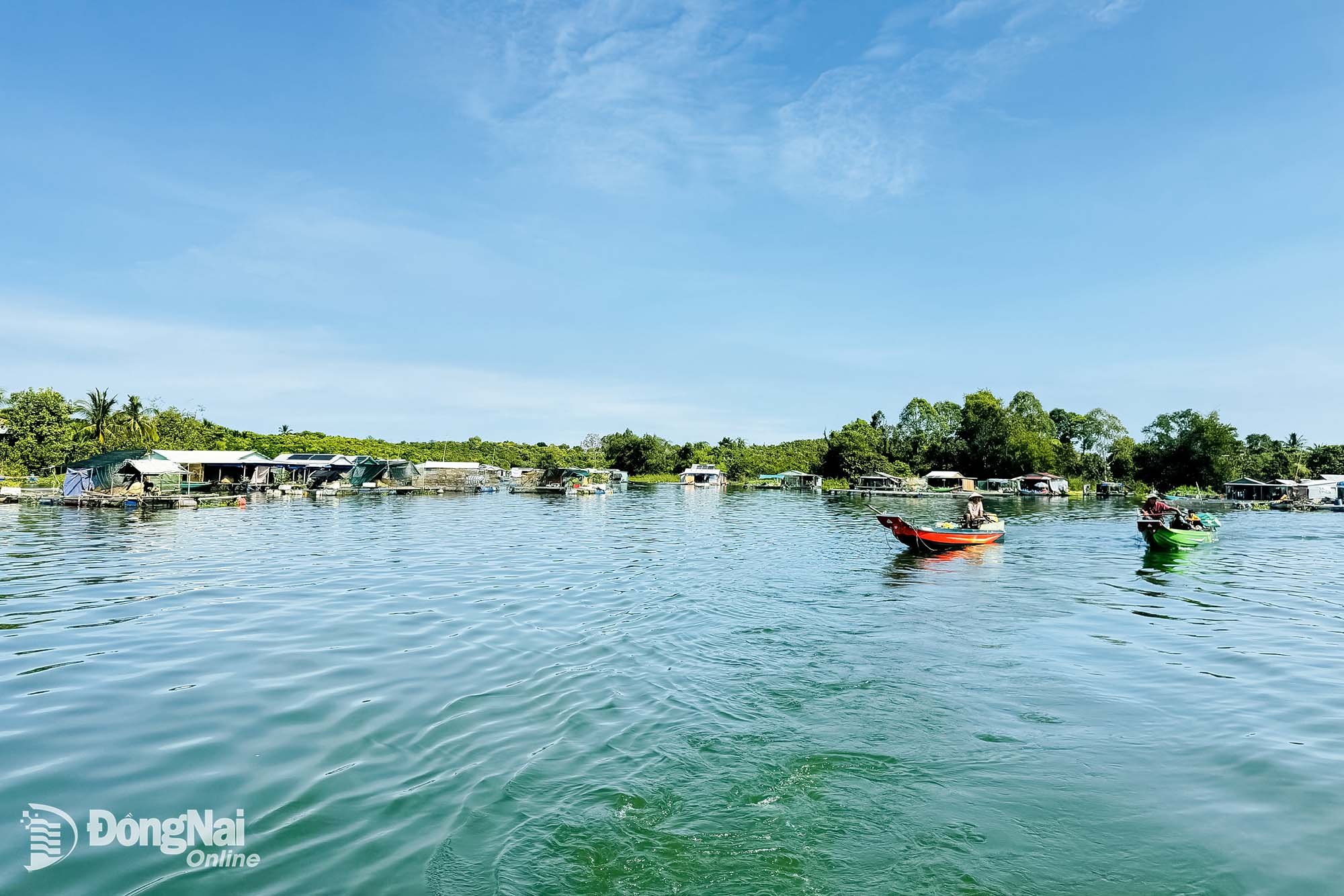 |
| Tri An Lake is being positioned for multi-purpose development. |
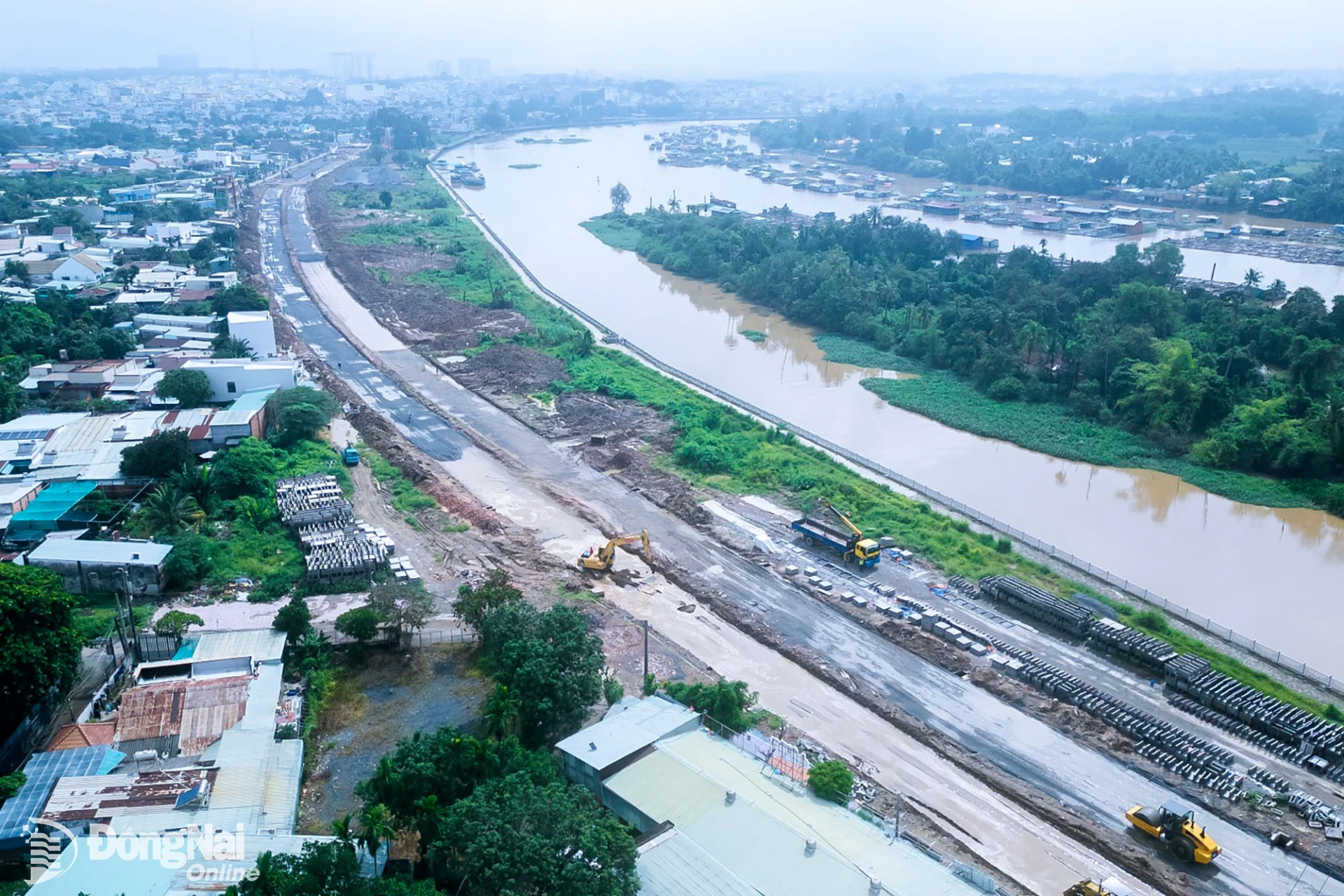
The city’s abundant water resources and river-and-lake systems play a particularly important role in its development and are a key driver of growth in the new period. Accordingly, the city is prioritizing investment in irrigation infrastructure, particularly reservoirs, to support multiple functions. Beyond irrigation, these facilities are expected to supply water for domestic use and industrial production while also supporting tourism and solar power development.
Abundant water resources
Dong Nai possesses substantial water resources, with a dense river network and numerous large reservoirs and irrigation lakes. According to a report by the Department of Agriculture and Environment, the city currently has 254 irrigation facilities, including 87 reservoirs, 73 dams, 46 pumping stations and 48 other types of facilities. Their combined capacity to supply water for domestic and industrial use is nearly 338,000 cubic meters per day. The system can provide irrigation for more than 37,600 hectares of agricultural land.
Dang Dinh Thuan, Director of Dong Nai Irrigation One Member Co., Ltd., said the company currently manages and operates 127 irrigation facilities, including 72 reservoirs, most of which have large storage capacities, as well as numerous dams and pumping stations. In addition to providing irrigation and drainage services, many reservoirs supply water for domestic use and industrial production. With demand for agricultural irrigation declining, the facilities are now prioritizing water supplies for domestic use and industrial production. The company is continuing to review and assess water reserves in major reservoirs and, based on the findings, is seeking to attract investment in water supply plants serving domestic and production needs while creating favorable conditions for investors.
At a meeting on the implementation of irrigation activities in 2026, Nguyen Thi Cat Tien, Member of the City Party Committee, Vice chairwoman of the City People’s Committee, emphasized that allocating investment funds for irrigation and ensuring the safety of dams and reservoirs were essential to the city’s socioeconomic development in the new period. She asked the agencies managing irrigation facilities across the city to review dredging, reinforcement and repair work at reservoirs, identify urgent projects that would serve both irrigation and clean-water supply needs and rank these projects by priority to establish an implementation roadmap.
Dong Nai has consistently prioritized investment in irrigation infrastructure in recent years. During the 2021–2025 period, Dong Nai invested in, repaired and upgraded 19 irrigation facilities, with total investment reaching VND 1.655 trillion. These projects expanded irrigation coverage by more than 3,500 hectares and drainage coverage by nearly 5,300 hectares, while increasing raw-water supply capacity by nearly 17,000 cubic meters per day. Numerous projects are currently underway across the city, including major projects such as the renovation and repair of Gia Ui Reservoir and Song May Reservoir, as well as the construction of the new Long An diversion dam.
Developing infrastructure for multiple purposes
Beyond supporting agricultural production, irrigation facilities also supply water for domestic and industrial use and serve other purposes.
Tri An Lake, in particular, serves as a source of clean water for more than 10 million people in the downstream areas of the Dong Nai River, including residents of Dong Nai City and Ho Chi Minh City. The lake has also become an attractive tourist destination, as it is located within the Dong Nai Nature-Culture Reserve, which covers more than 100,000 hectares of natural land. Under current planning, the Tri An Lake area is listed among sites with the potential to be developed into a national tourism area. The city aims to utilize Tri An Lake for multiple purposes, extending beyond domestic water supply to other activities such as ecotourism and solar power generation.
Under Decision No. 799/QD-UBND, dated February 27, 2026, issued by the Dong Nai City People’s Committee to adjust the provincial master plan for the 2021–2030 period, with a vision to 2050, the city plans to build 420 new irrigation and disaster-prevention facilities, while upgrading, repairing and reinforcing another 108 facilities. Of the planned new projects, 345 will be irrigation facilities. They are expected to expand service capacity to provide irrigation for more than 165,000 hectares, improve drainage for nearly 7,200 hectares and establish water sources for domestic and industrial use with a combined capacity of nearly 384,300 cubic meters per day.
Nguyen Van Thang, Deputy Director of the Department of Agriculture and Environment, said investment in irrigation projects remained below the city’s potential. During 2021–2025, Dong Nai needed to allocate more than VND 3.1 trillion from its budget for irrigation infrastructure construction. However, cumulative allocations by the end of 2025 amounted to just over VND 1.5 trillion, meeting only about 48.6% of the funding requirement. Insufficient funding has made it difficult to implement irrigation projects according to schedule, he said.
By Binh Nguyen – Translated by Mai Nga, Minho

Thông tin bạn đọc
Đóng Lưu thông tin