
As goods increasingly enter modern distribution systems and export markets, traceability requirements are no longer limited to businesses having proper invoices and documentation. Customers and partners also want to know where products come from, what processes they go through and how their quality is controlled.
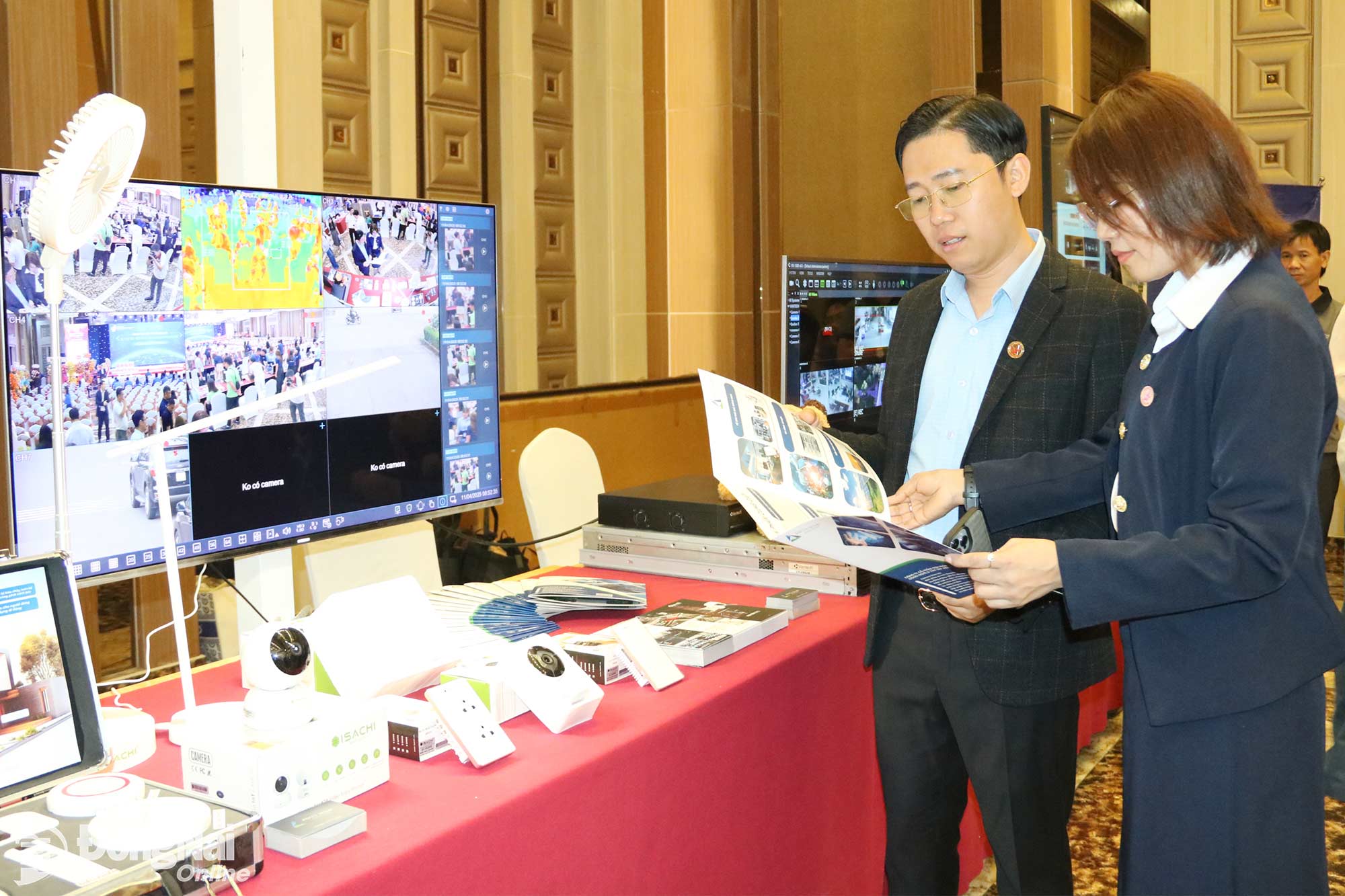 |
| A business affiliated with the city's Young Entrepreneurs Association showcases its products to customers. |
In Dong Nai, businesses are gradually improving transparency and digitizing such information, making traceability an integral part of production management and brand building.
An essential requirement
Today, in markets such as the European Union and the United States, requirements extend beyond product quality to cover the entire production journey, from raw materials and production processes to emissions and social responsibility.
The wood industry is a case in point, as it is one of the sectors where these requirements are most clearly evident. Dong Nai is home to many wood manufacturing and processing businesses involved in export supply chains, with raw material sourcing receiving particular attention.
According to Nguyen Phuong, Chairman of the Dong Nai Wood and Handicraft Association, the association is working with its members to develop a supply system for legally sourced raw materials for manufacturing plants. As major markets impose increasingly stringent requirements on the legality and sustainability of timber, businesses can no longer focus solely on products at the processing stage. However, they must also ensure control over their raw material sources from the outset.
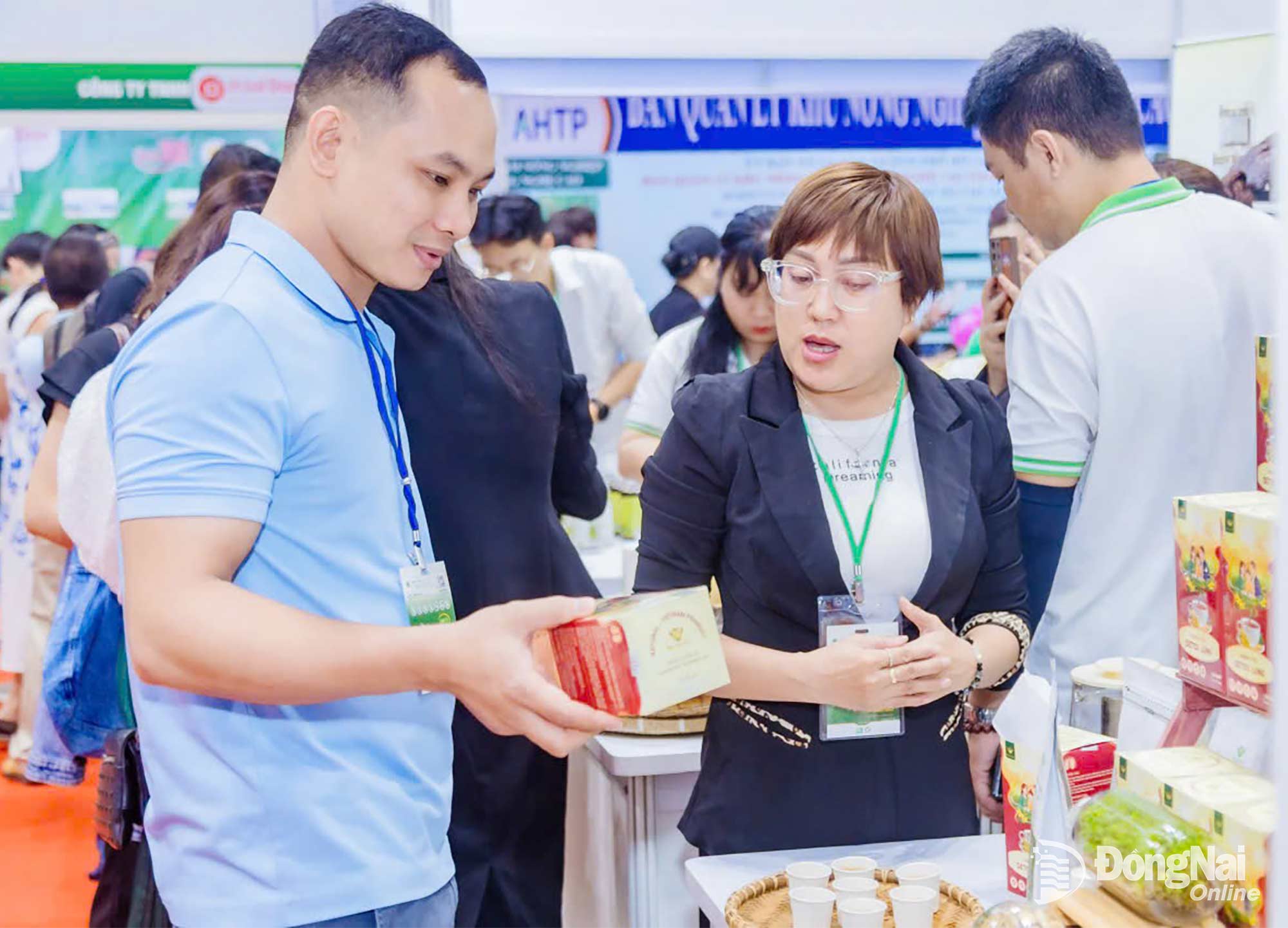 |
| A business takes part in an international agricultural exhibition at the Saigon Exhibition and Convention Center (SECC) in Ho Chi Minh City. |
This is also an essential requirement for other industries seeking to take their products to global markets. Experts say greater transparency and access to more detailed information about businesses, partners, suppliers and commercial relationships can give financial institutions greater confidence in allocating capital, help businesses identify reputable partners and enable Vietnamese enterprises to demonstrate their capabilities and strengthen their presence in international markets.
Vietnam is now integrating more deeply into the global economy and participating more extensively in global production chains, supported by its network of free trade agreements (FTAs). These agreements are also putting pressure on businesses to improve their capabilities. They need to invest in technology, standardize production processes, improve product quality, save energy, control raw materials and develop traceability systems. At the same time, they need to build their brands and gradually shift from contract manufacturing toward producing higher-value-added products.
Transparency in production processes and the origins of raw materials not only enhances credibility but also serves as a strategic step toward meeting stringent international market standards. This approach is also in line with increasingly demanding supply-chain requirements. When a product passes through multiple stages, accurately identifying raw materials, production dates, production facilities, batches and packaging specifications enables businesses to quickly pinpoint the source of problems when they arise.
Efforts toward sustainable development
At Dong Nai Rubber Corporation One Member Limited Liability Company in Long Khanh Ward, research, innovation and the application of science and technology are regarded as key to sustainable development. The company has researched, designed and deployed automation equipment and smart automated monitoring systems at its processing plants, which can be monitored via mobile apps. These include equipment for sealing rubber product packaging, odor-sensor systems, and production-line monitoring systems.
Notably, the company does not simply assign identification codes to its products but builds a data system based on the production process itself. This makes traceability an integral part of its quality-control system. The digital management system helps closely monitor the use of materials, prevent waste and ensure compliance with international standards, giving its products a stronger foothold in international markets.
Transparency in product information and data is important not only for businesses exporting their products but also for those serving the domestic market. This is increasingly important as consumer expectations rise, particularly among younger customers, who tend to favor products made with greener, more environmentally friendly production practices.
At Domilk Joint Stock Company in An Phuoc Commune, a manufacturer of confectionery and dairy products under the Long Thanh brand, transparency in production is considered particularly important to both the company and entities involved in its supply chain. Domilk has issued its own code covering ethics and sustainable development.
Under the code, Domilk requires suppliers in its supply chain and relevant stakeholders to comply with requirements related to environmental permits and food safety during production. Particular attention is paid to the management of waste, emissions and wastewater, with the relevant measures required to be approved or demonstrated to have been effectively implemented in accordance with regulations.
Vo Van Manh Em, Standing Deputy General Director of Domilk Joint Stock Company, said raising standards from raw material sourcing through the production process is a solution to building consumer trust in the brand and gradually expanding into international markets.
By V.The – Translated by M.Nguyet, Minho

Thông tin bạn đọc
Đóng Lưu thông tin