
Population aging is driving up demand for elderly care. However, not every family has the means to care for their elderly, frail parents throughout the day.
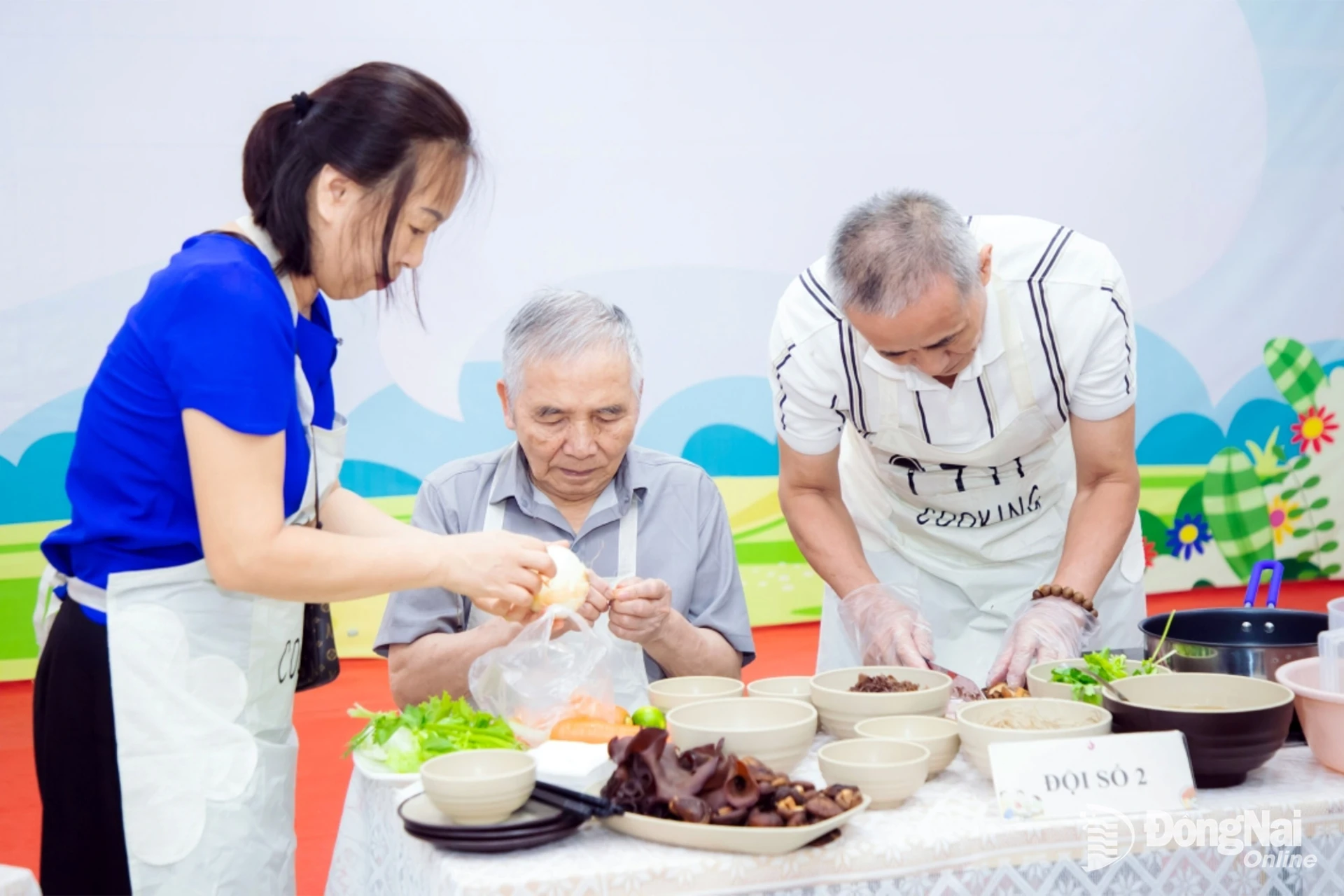 |
| Elderly people take part in recreational activities at the Dien Hong Nursing Home System in Hanoi. Photo: Thuy Nga |
Against that backdrop, modern nursing home models are offering a new approach, one that not only provides healthcare but also creates an environment where elderly people can socialize, take part in recreational activities, and continue to contribute in meaningful ways.
Nursing homes provide more than medicine and food
In their later years, elderly people need more than a safe place to live and nutritious meals. They also need people to talk to, friends, and activities that make each day less monotonous and help them feel that they are still useful. This is precisely the approach adopted by the Dien Hong Nursing Home System, which currently operates 10 facilities across northern provinces and cities.
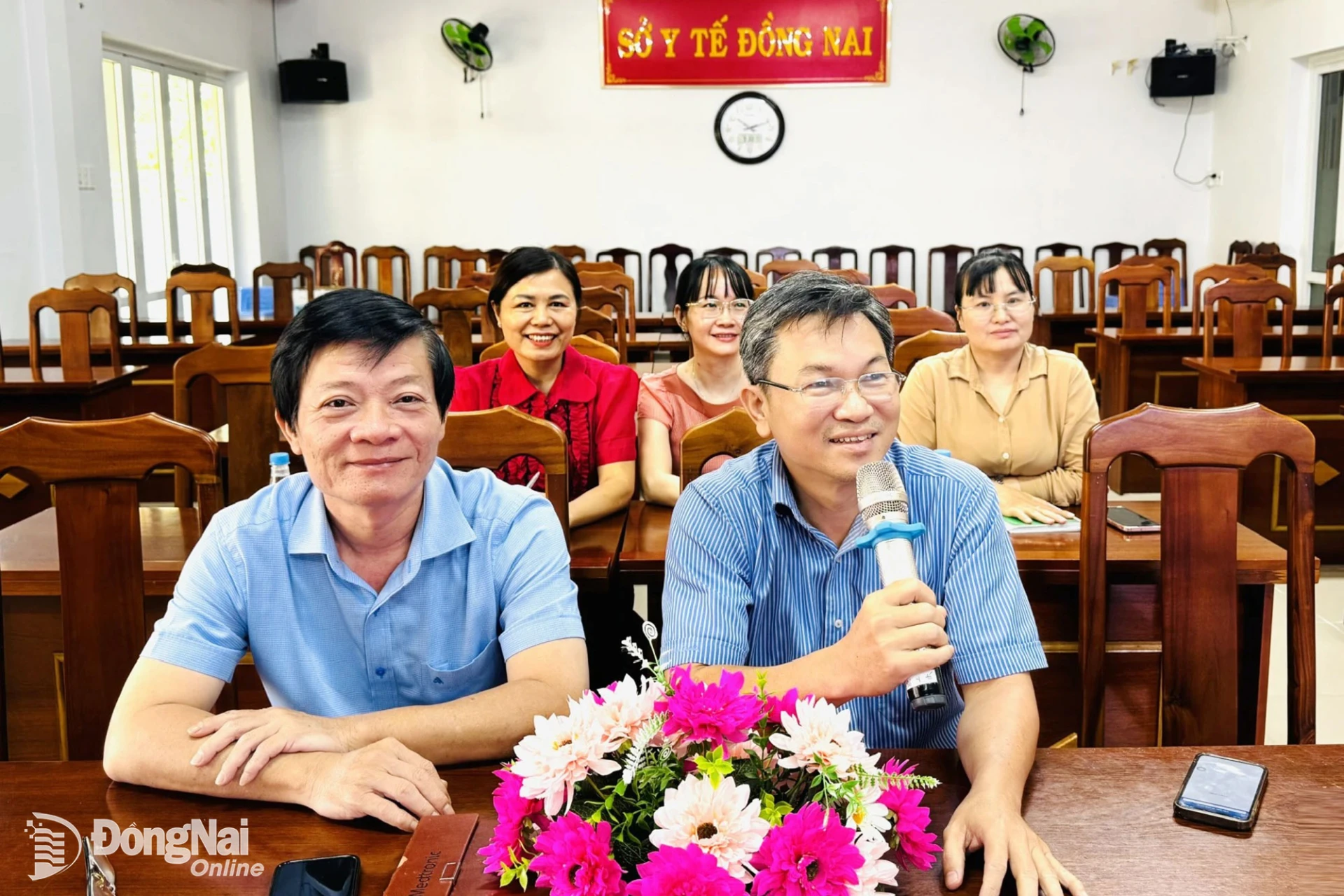
Speaking at the seminar titled "Developing Nursing Home Facilities in Dong Nai City" organized by the Dong Nai City People's Committee in June 2026, Tran Thi Thuy Nga, Deputy General Director of the Dien Hong Nursing Home System in Hanoi, said, “At our nursing homes, caring for the elderly is not just about monitoring their health, meals and rest; it also focuses on their mental well-being. They exercise, play chess, take part in arts and entertainment activities, and socialize with their peers.”
According to Thuy Nga, activities organized by nursing homes may seem simple, but they bring immense joy to elderly people. During the “Senior Olympics,” for example, participants compete in events such as wheelchair racing, walking, flag planting, and ball tossing. Some seniors receive medals for the first time in their lives and cherish them as special keepsakes.
Programs such as “Miss Senior” and “Perfect Gentleman,” also organized by nursing homes, provide opportunities for seniors to express themselves. Former soldiers put on their uniforms again, and former teachers return to their roles, while others sing, recite poetry, arrange flowers, or perform martial arts. Through these activities, elderly people relive beautiful memories and realize that they can still shine.
Beyond recreational activities, they are also encouraged to keep pace with modern life. Some use smartphones, read the news, access technology, and seek guidance from nurses or their children and grandchildren when needed.
Investing in elder care is investing in the future
One of the most concerning issues in old age is loneliness. Busy children and grandchildren have little time for their parents and grandparents. Many elderly people, even when living with their families, spend most of the day alone.
According to Tran Thi Thuy Nga, a nursing home community can help bridge that gap, as seniors have peers with whom they can talk, share daily stories, and participate in group activities. In this way, the distance between elderly people and their families does not necessarily increase. Families can still bring their parents home on weekends, public holidays and Tet holidays or visit them frequently.
Nguyen Tuan Ngoc, Member of the Central Executive Committee of the Vietnam Association of the Elderly and Director of the Bach Nien Thien Duc Elderly Care System, which currently has four facilities in Hanoi and Ho Chi Minh City, said nursing homes should be located near communities to make it convenient for relatives to visit. In reality, young people remain an important part of elderly people's mental lives. Students and volunteers who visit nursing homes to socialize and talk with residents not only bring joy but also help seniors feel connected to society.
Furthermore, connections between elderly people and younger generations mean that seniors are not merely recipients of care. Those who were once professors, teachers, doctors, or engineers can continue to share their knowledge and experience with the next generation. At the Bach Nien Thien Duc Elderly Care System, some elderly experts are provided with dedicated spaces where they can guide and support students in their research and studies.
According to Nguyen Tuan Ngoc, growing demand for elderly care requires the development of diverse nursing home models suited to each family's circumstances. Not everyone needs long-term residential care. Some require intensive medical care, while others need day care, rehabilitation, or simply a community where they can socialize and participate in physical activity. Therefore, alongside large-scale nursing home projects, local authorities can mobilize non-State resources and make use of suitable surplus facilities and buildings to develop elderly care centers.
Along with infrastructure, human resources are particularly important. Caregivers for elderly people need training in care skills, fall prevention, mobility support, and communication. This should be regarded as a professional career with proper training and compensation.
“A modern nursing home should not be seen simply as a place where children send their parents when they can no longer care for themselves. It must be a living community where the elderly are cared for physically, supported mentally, and continue to demonstrate their value. Old age requires not just more years of life but years of living happily and healthily, with love and a sense of usefulness. When we achieve that, investing in elderly care means not only caring for today’s elderly but also helping to build a more humane society for all of us in the future,” emphasized Tuan Ngoc.
“Dong Nai calls on individuals and businesses to invest in building modern nursing homes and will create the most favorable conditions for them to do so, meeting the increasing healthcare needs of the elderly in the area.”
Le Truong Son, Member of the Dong Nai City Party Committee’s Standing Board,
Vice Chairman of the City People's Committee
By Hanh Dung – Translated by Minh Hong, Minho
Thông tin bạn đọc
Đóng Lưu thông tin