
The 2026 Urban Development Law creates greater room for attracting investment and developing technology, logistics, supporting industries and innovation.
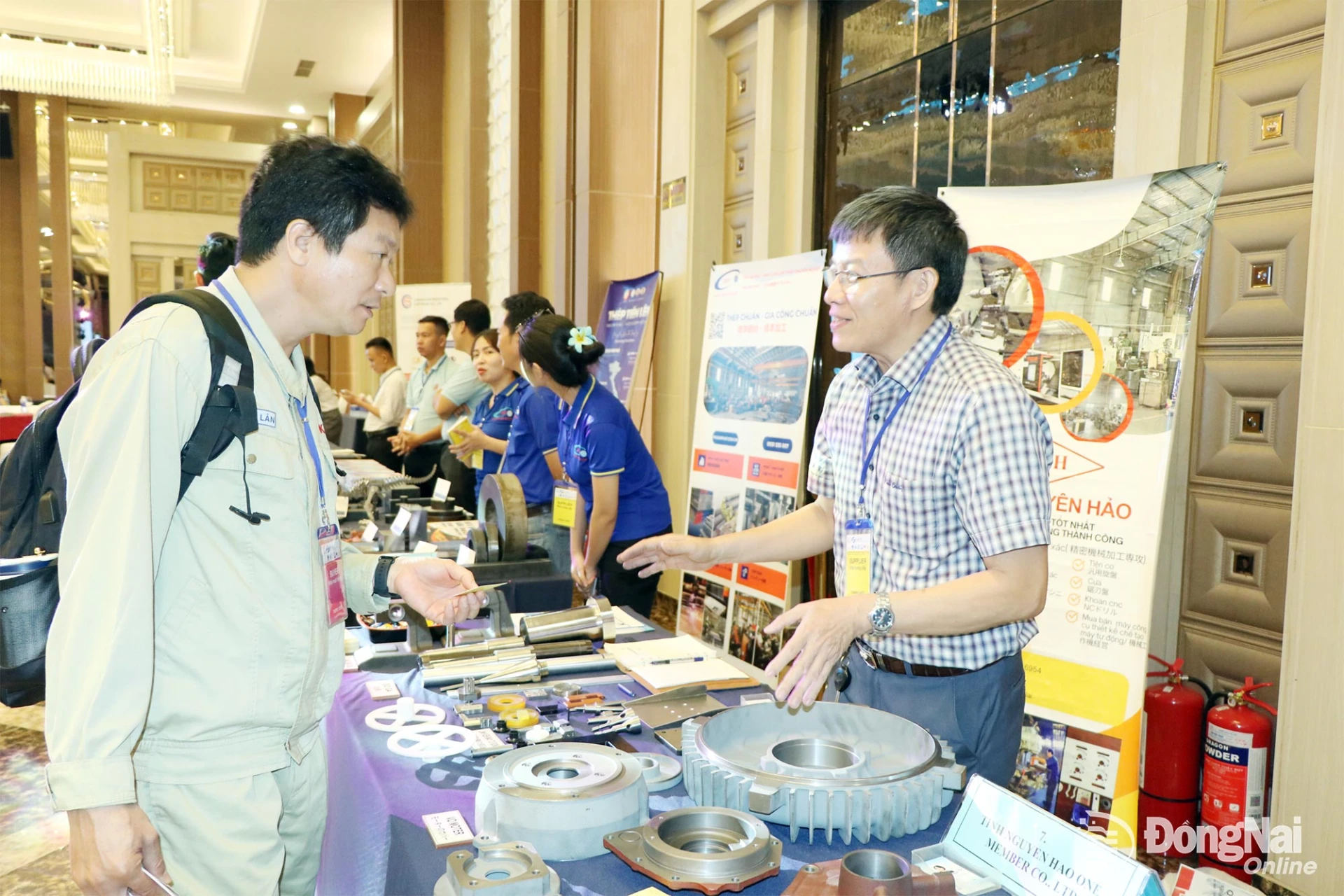 |
| A representative of Tinh Nguyen Hao One Member Company Limited (Tam Phuoc Industrial Park) introduces products at the Vietnam-Japan Business Networking Conference organized by the Dong Nai provincial People's Committee (now the Dong Nai municipal People's Committee), in 2025. |
For Dong Nai city, accompanying enterprises and supporting their development is a consistent guiding principle of the local authorities. The 2026 Urban Development Law, which will take effect on October 1, 2026, along with the State's policies, will provide a basis for the city to identify specific areas of support that businesses can access and benefit from.
Expanding policy space and room for enterprise support
Enterprise development is an important task as Vietnam is working to improve competitiveness, strengthen economic self-reliance and deepen its integration into global economic value chains. Politburo Resolution No. 68-NQ/TW on private economic sector's development sets a target of having 2 million operating businesses nationwide by 2030, with the private economic sector growing by an average of 10-12% annually and contributing approximately 55-58% of GDP. Alongside improving the business environment, expanding investment and production opportunities and access to resources is a requirement for local authorities.
The 2026 Urban Development Law incorporates resource mobilization, investment attraction and enterprise development into the urban development process.
Under the 2026 Urban Development Law, cities that are not special-class urban areas may be eligible for certain special mechanisms and policies to promote urban development. The Government will determine the scope of application based on the conditions, development orientation and implementation capacity of each city.
Article 39 of the law provides for investment attraction, investment incentives and support, and enterprise development, focusing on areas such as high technology, innovation, digital transformation, energy transition, supporting industries, logistics, eco-industrial parks and high-tech industrial parks.
Some policies are specified in considerable detail. For example, eligible entities may receive a 50% reduction in premises rental fees at innovation centers, while income from innovative startup activities falling within the scope of the policy may be exempt from corporate income tax for five years.
The Ministry of Finance is currently seeking comments on a draft decree guiding the implementation of the 2026 Urban Development Law for submission to the Government for promulgation. Deputy Prime Minister Le Tien Chau also signed Decision No. 1796/QD-TTg, dated September 17, 2026, promulgating the Prime Minister's plan for implementing the 2026 Urban Development Law.
For Dong Nai and other cities that are not special-class urban areas, the above-mentioned policies do not automatically apply in full. The scope, eligible entities and implementation conditions remain subject to forthcoming Government regulations. For Dong Nai, groups of sectors mentioned in the law are consistent with the city's development orientations in industry, logistics, high technology, innovation and green transition.
Working alongside enterprises to support their development
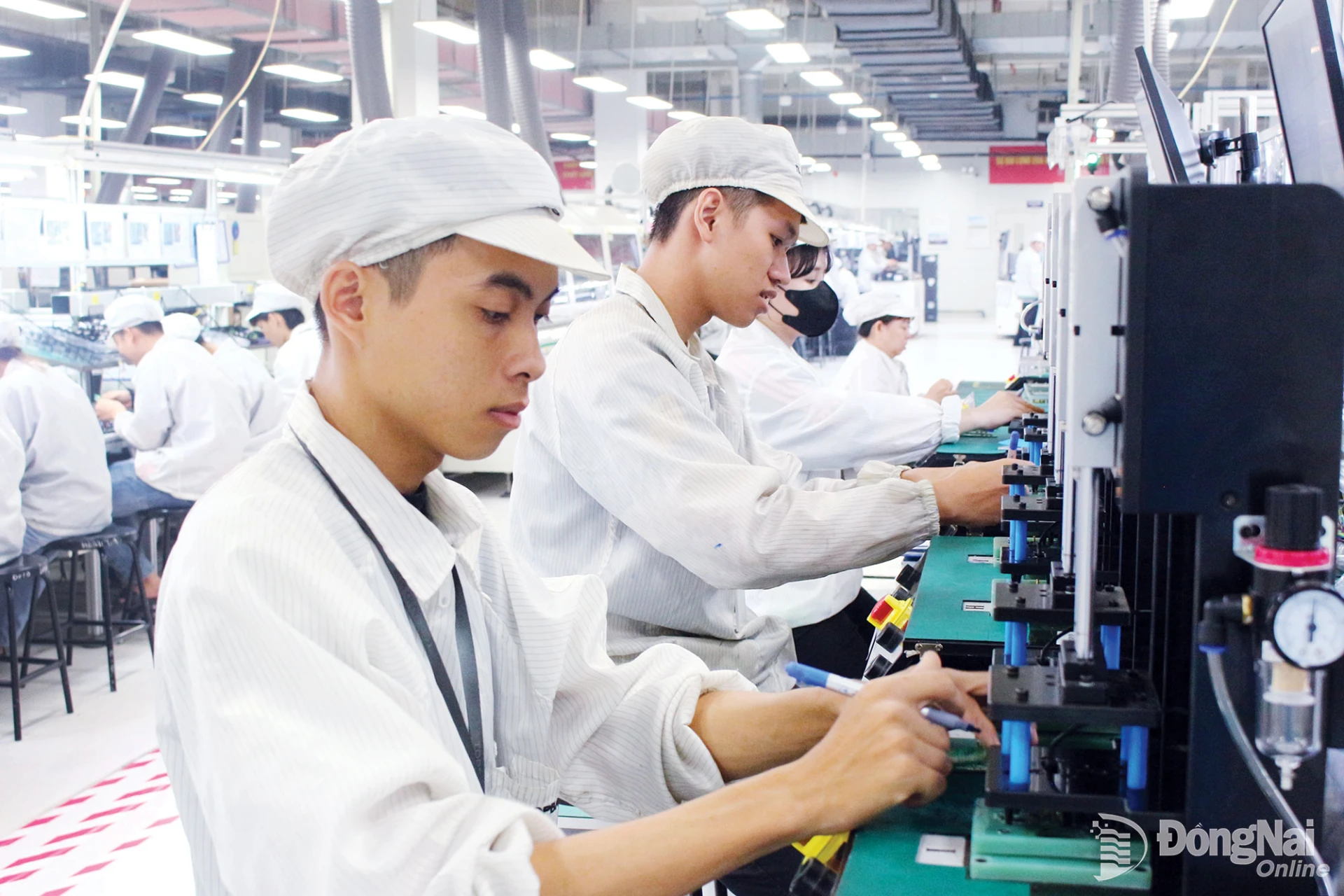
Dong Nai is an important economic growth pole of the country. The city's goal is to rapidly establish and develop large and medium-sized enterprises and private economic groups with regional and global stature. The city has been implementing incentive policies to encourage the private sector to expand investment, production and business activities and operate effectively. An increasing number of private enterprises are expanding in both scale and quality, bringing their products and goods to domestic and international markets.
In Dong Nai, enterprise support is being implemented in various areas, from improving management capacity and digital transformation to providing legal assistance and access to information. Most recently, the city People's Committee issued Plan No. 54/KH-UBND, dated June 2, 2026, on supporting small and medium-sized enterprises, private enterprises, household businesses and individual businesses in 2026 and during the 2026-2028 period. The plan focuses on digital transformation, training, improving management capacity, legal support, information provision, and the development of exemplary and pioneering businesses.
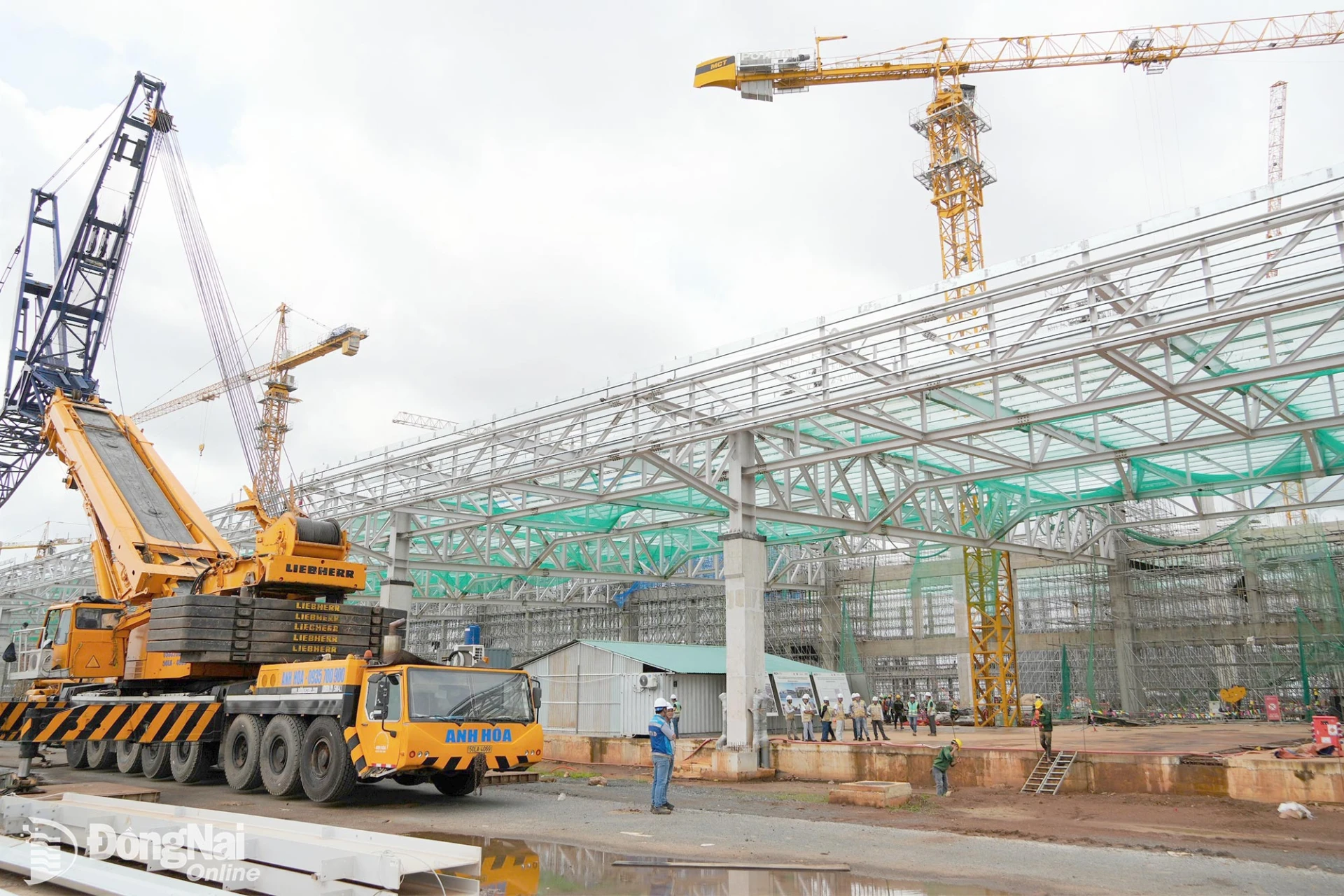
Dong Nai has favorable conditions for establishing new business linkages as numerous major infrastructure projects are being developed. Long Thanh International Airport, Phuoc An Port, Ring Road 3, the Ben Luc - Long Thanh Expressway and the system of industrial parks are creating additional space for manufacturing, logistics and services. These conditions also enable businesses in the area to participate in production and supply chains. According to Dang Quoc Nghi, Chairman of the Dong Nai City Young Entrepreneurs Association, the city needs to identify exemplary businesses with strong development potential in selected fields, focus on supporting them so that they can grow into large enterprises capable of leading the local business ecosystem.
Nguyen Kim Long, Member of the Dong Nai City Party Committee’s Standing Board and Permanent Vice Chairman of the City People's Committee, affirmed that the city consistently follows the principle of government accompanying businesses and improving the investment environment to enhance local competitiveness.
Based on practical conditions, Dong Nai provides maximum support for the development of enterprises and stands ready to address difficulties and obstacles reported by businesses. At the same time, business associations and industry associations need to proactively provide input so that departments and sectors can advise the city government on solutions, while also serving as a bridge to deliver support policies to individual businesses.
The 2026 Urban Development Law not only creates an additional legal framework but also serves as a driving force for Vietnamese cities to shift from extensive development toward development based on productivity, technology, connectivity and quality of life. In this process, major cities will not simply be places where people are concentrated, but will become new growth poles of the economy, while businesses will receive support to maximize their capabilities and contribute to overall development.
By Vuong The - Translated by Diec Quyen, Thu Ha

Thông tin bạn đọc
Đóng Lưu thông tin