Tan Khai is a land with a proud revolutionary tradition, marked by resilience and heroism in the past. Building on that legacy, the locality is confidently advancing through the unity, consensus, and determination of its Party Committee, authorities, and people.
In its development journey, Tan Khai has demonstrated its potential as a new urban area, serving as a central hub for industrial, trade-service, and logistics development in the northwestern region, in line with the province’s planning orientation.
Tan Khai holds a strategically important position at the northwestern gateway of Dong Nai province, with favorable conditions for inter-regional connectivity via major transport routes such as National Highway 13, and provincial roads of DT.756C and DT.752B. This location has created an open development space where industry, urban areas, and agriculture intersect, thereby promoting trade activities and attracting investment to the commune.
 |
| Tan Khai exceeds the population criteria for achieving ward status. Photo: Thanh Mai |
With a population of 39,147 and a natural area of 161.79 sq.km, Tan Khai has significant potential for long-term urban development. In recent years, the locality has experienced rapid urbanization, with the urban population ratio exceeding 50%. Residential areas have been increasingly developed alongside a diversification of production and business activities.
 |
|
The urban transport system has been systematically invested in. Photo: Thanh Mai
|
The technical infrastructure system has been gradually invested and improved. Transport networks are interconnected, while electricity, water supply, and telecommunications systems are increasingly synchronized, laying a solid foundation for the commune’s sustainable development.
 |
| Commercial and industrial activities are developing across the commune. Photo: Thanh Mai |
The economic landscape is showing strong vitality, with an annual growth rate of 12.8%. The combined value of industry, construction, and services has reached over 2.192 trillion VND out of a total of 3.088 trillion VND, accounting for 71%. The economic structure has also shifted significantly. The proportion of industry, construction, and services at 71% reflects a development trajectory aligned with the planned industrial-service urban model.
Beyond economic growth, the living standards of Tan Khai’s residents have improved significantly. Average income has reached 86.45 million VND per person per year, while the poverty rate has dropped to 0%.
 |
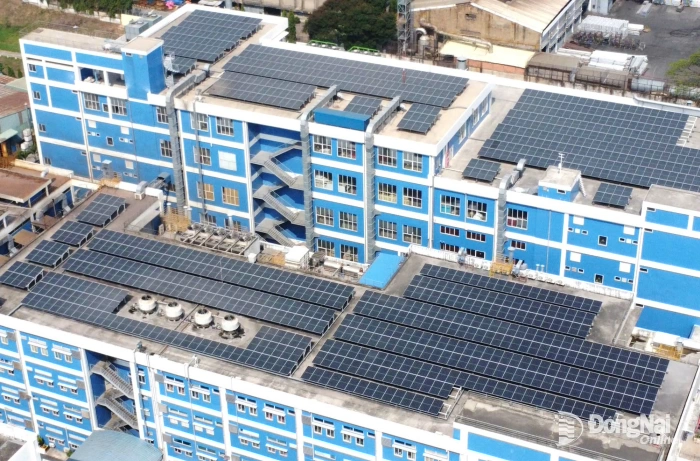
| Industrial zones and enterprises are operating in Tan Khai. Photo: Thanh Mai |
Industrial zones such as Minh Hung – Sikico and Tan Khai II have been established, covering more than 800 hectares in the commune, and are expected to expand to around 1,000 hectares in the near future. Occupational shift has raised the proportion of non-agricultural labor to 71.2%, exceeding the required threshold of 70%.
 |
| Tan Khai is a region rich in revolutionary tradition, with sites recognized as national and provincial historical relics. Photo: Thanh Mai |
 |
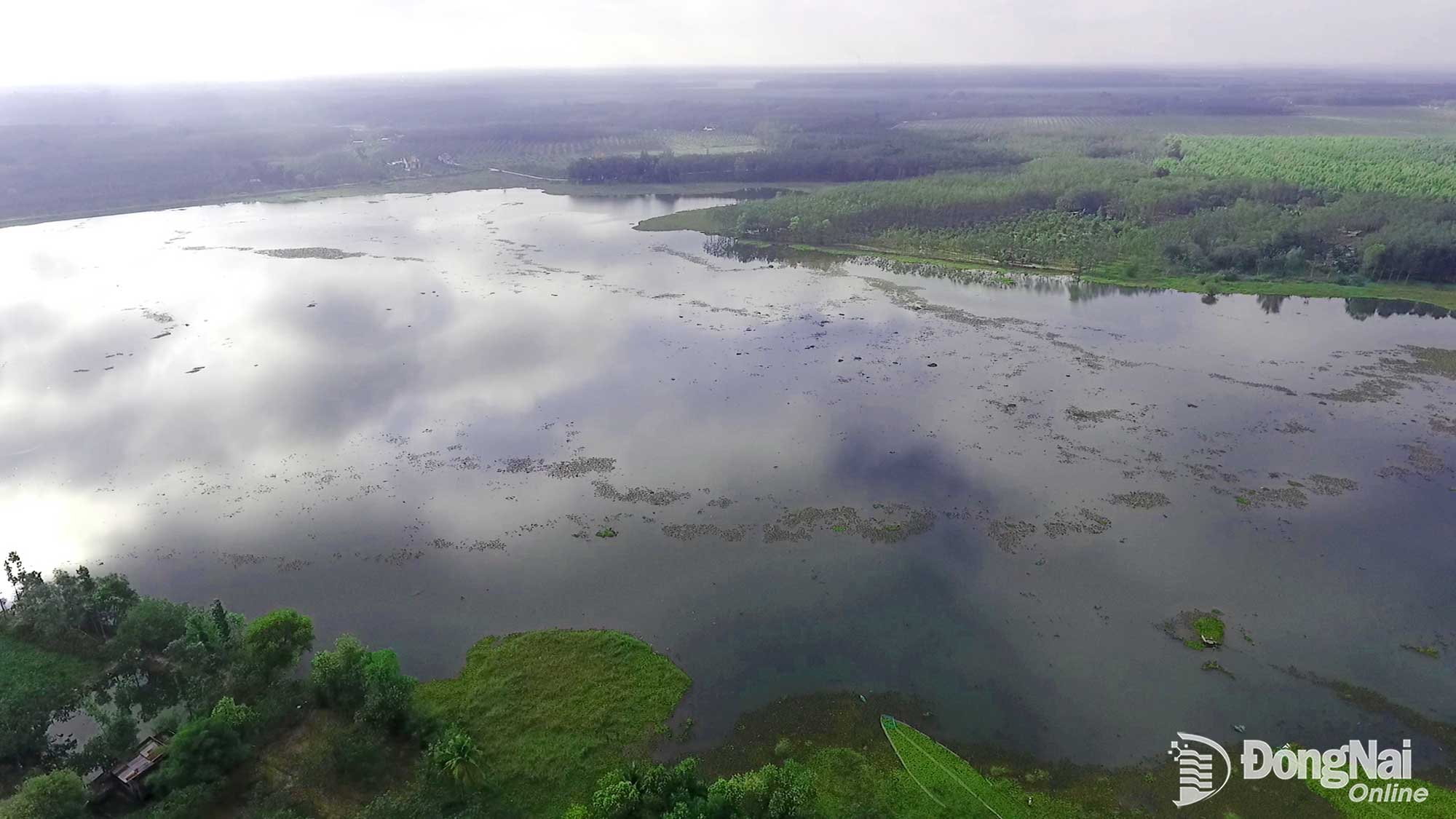
| Abundant and diverse natural resources. Photo: Thanh Mai |
 |
| Education, culture, and sports are prioritized for investment. Photo: Thanh Mai |
 |
| Rain-praying ceremony of the S’tieng ethnic community in Tan Khai commune. Photo: Thanh Mai |
 |
| A view of the administrative center of Tan Khai commune. Photo: Thanh Mai |
|
In the context of implementing a two-tier local government model and responding to the practical requirements, the establishment of Tan Khai ward is not only appropriate but also inevitable. It will provide a foundation to enhance governance efficiency, attract investment, develop infrastructure, and promote socio-economic growth at both the local and provincial levels.
From a rural area, Tan Khai is rising vigorously, gradually affirming its position as a young and dynamic urban center, ready to enter a new phase of sustainable and modern development.
By Thanh Mai - Translated by Minh Hong, Thu Ha





Thông tin bạn đọc
Đóng Lưu thông tin