For centuries, Bien Hoa pottery has preserved the cultural heritage and distinctive craftsmanship of Dong Nai. Local artisans transform clay into carefully shaped pieces, decorating them with intricate patterns and characteristic glazes to create products that combine practical use with artistic value.
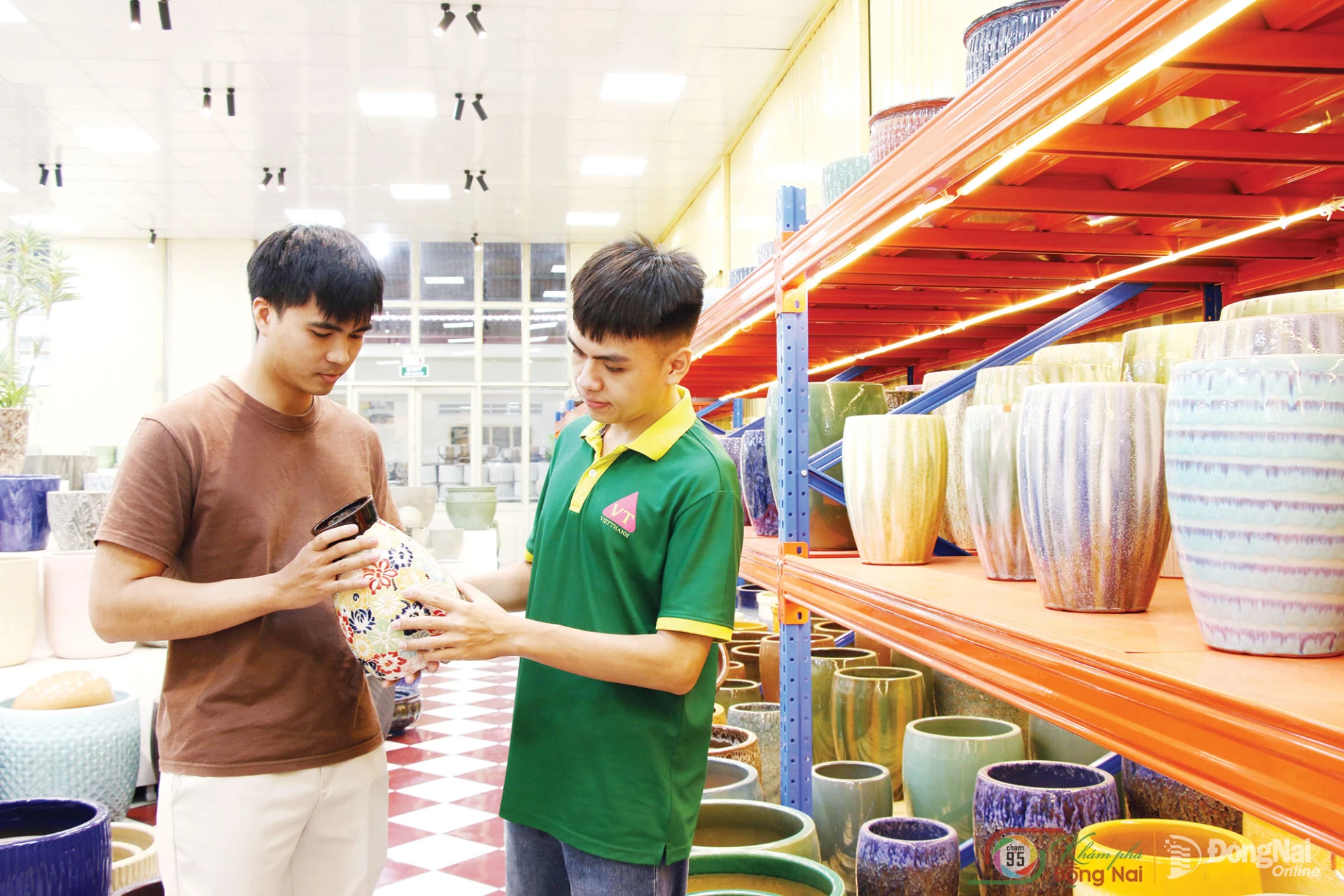 |
| Alongside traditional products, many pottery businesses in Bien Hoa Ward are developing new lines that combine traditional craftsmanship with contemporary tastes, particularly those of younger consumers. |
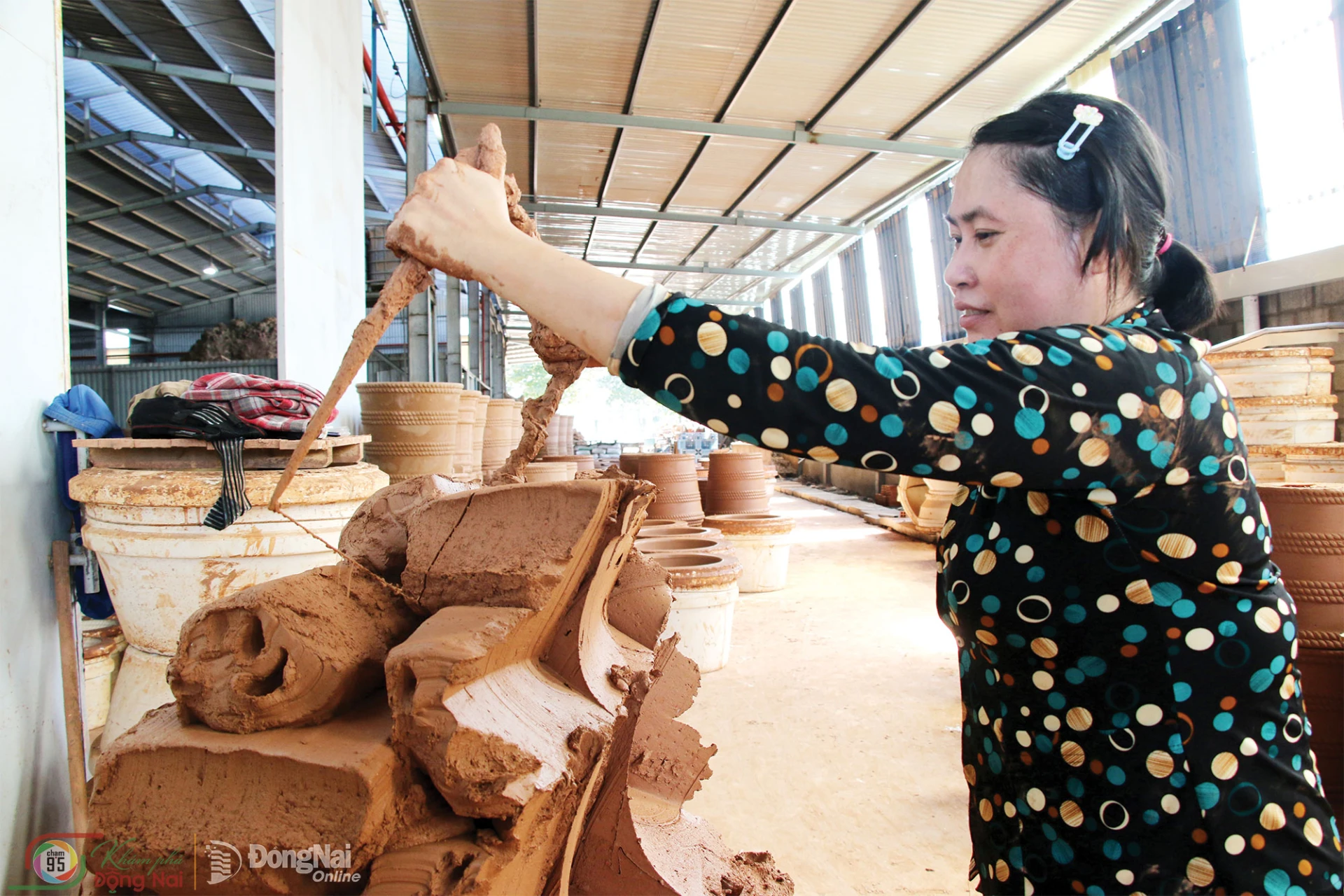 |
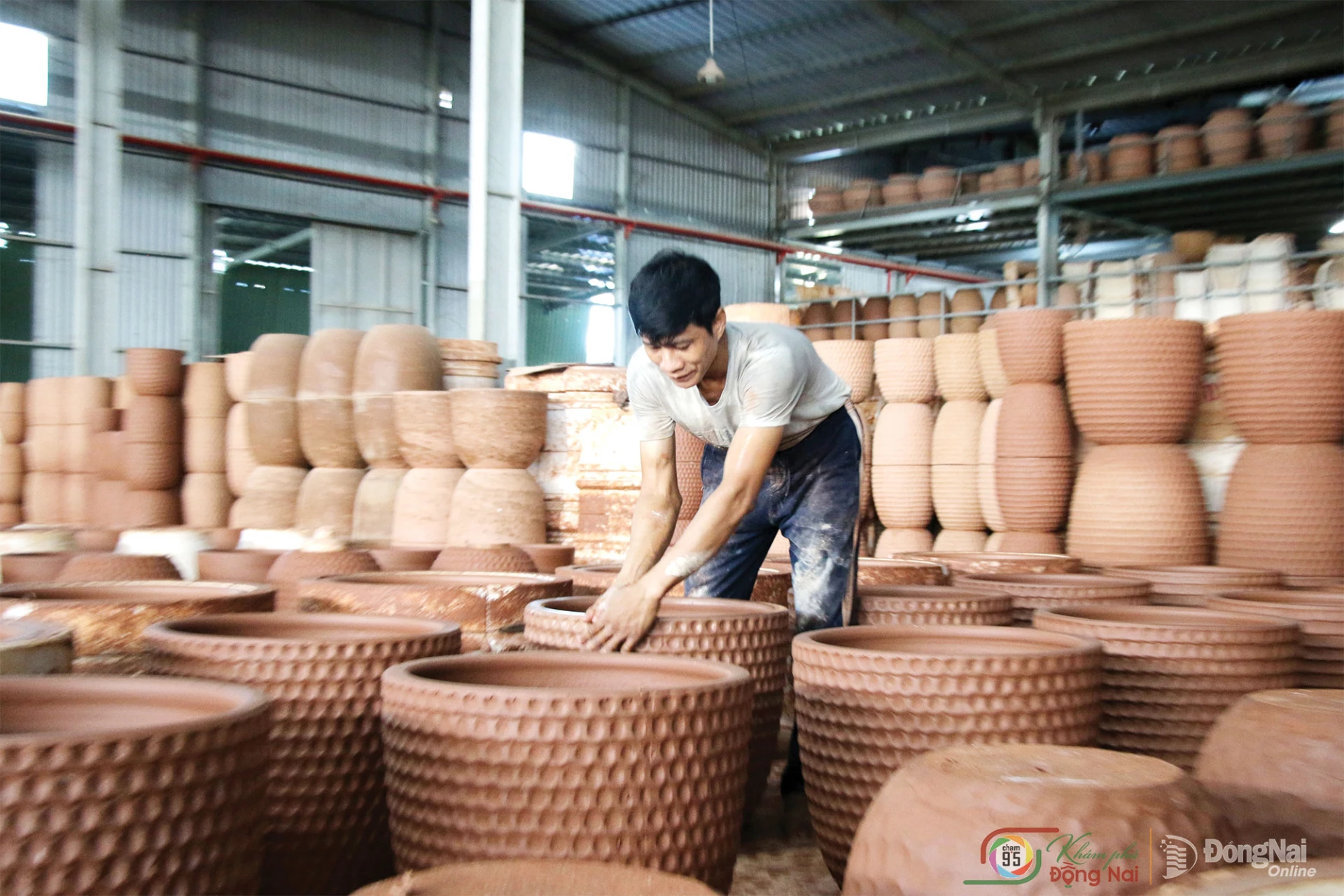
| Preparing the clay and shaping the pieces are essential steps in producing quality pottery. The clay must have the right consistency and durability for the type of product being made. |
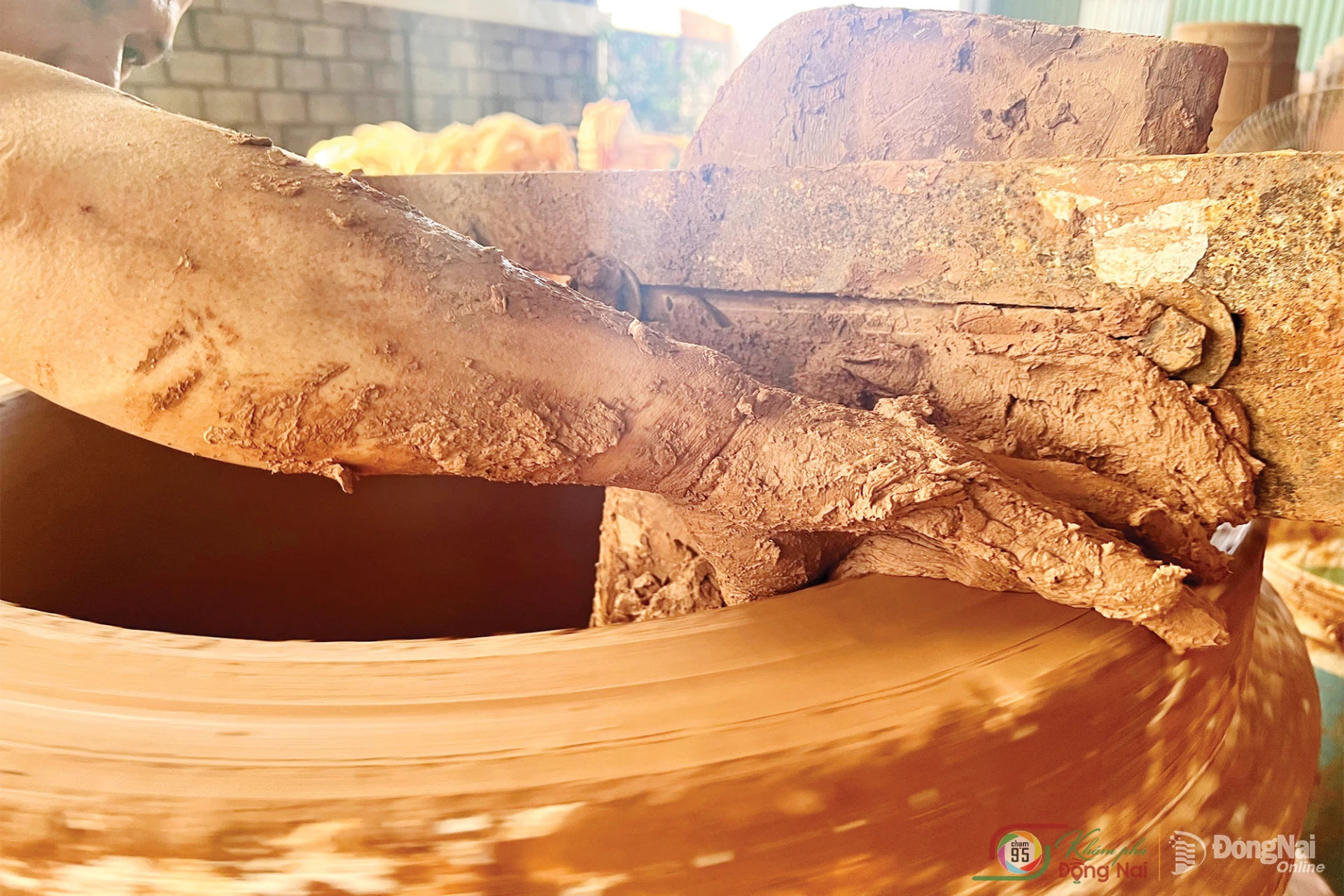 |
| Shaping pottery calls for creativity and meticulous attention to detail. |
Bien Hoa pottery is valued not only for its form, color and decoration, but also for the cultural heritage reflected in each piece. Today, Bien Hoa pottery continues to expand into new markets, particularly overseas. The export journey is opening new opportunities for Bien Hoa pottery while introducing Dong Nai's centuries-old craft to international audiences. Each product showcases the skills of local artisans and the region's cultural identity, helping keep the traditional craft alive as it adapts to changing markets.
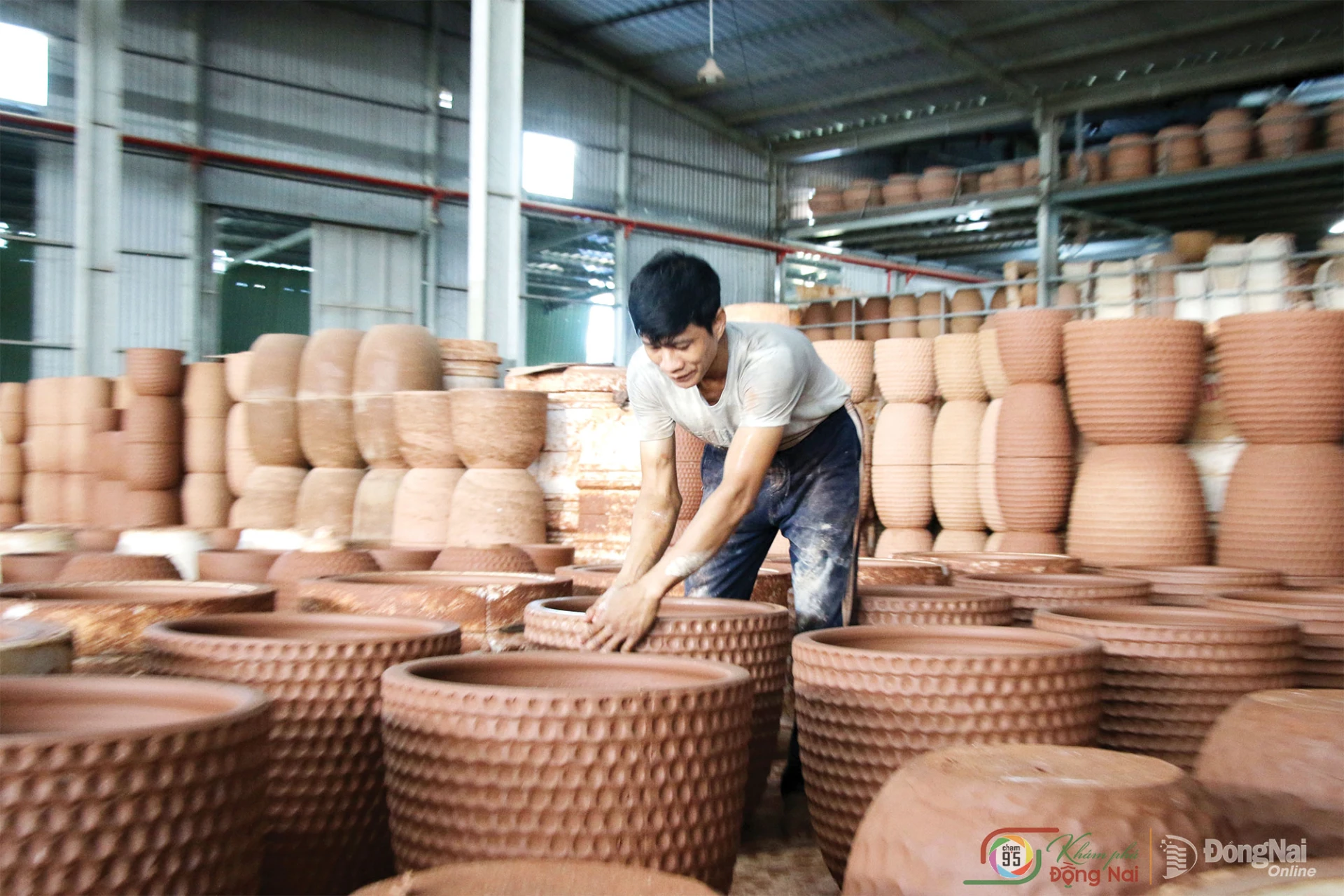 |
| After shaping, artisans smooth the surface to prepare each piece for glazing or carving, depending on the product type. |
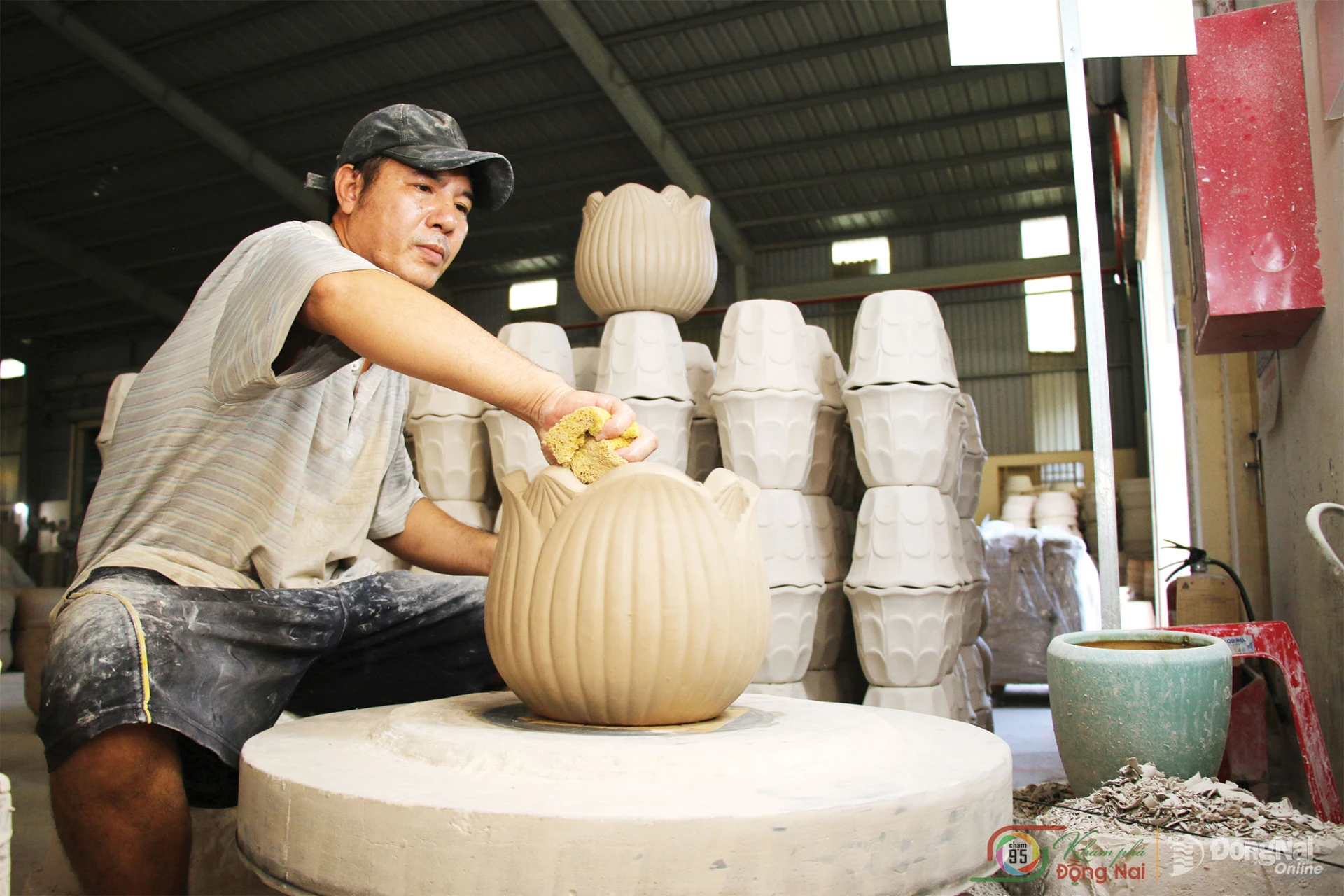 |
| Artisans carefully check each piece to ensure it meets quality standards. |
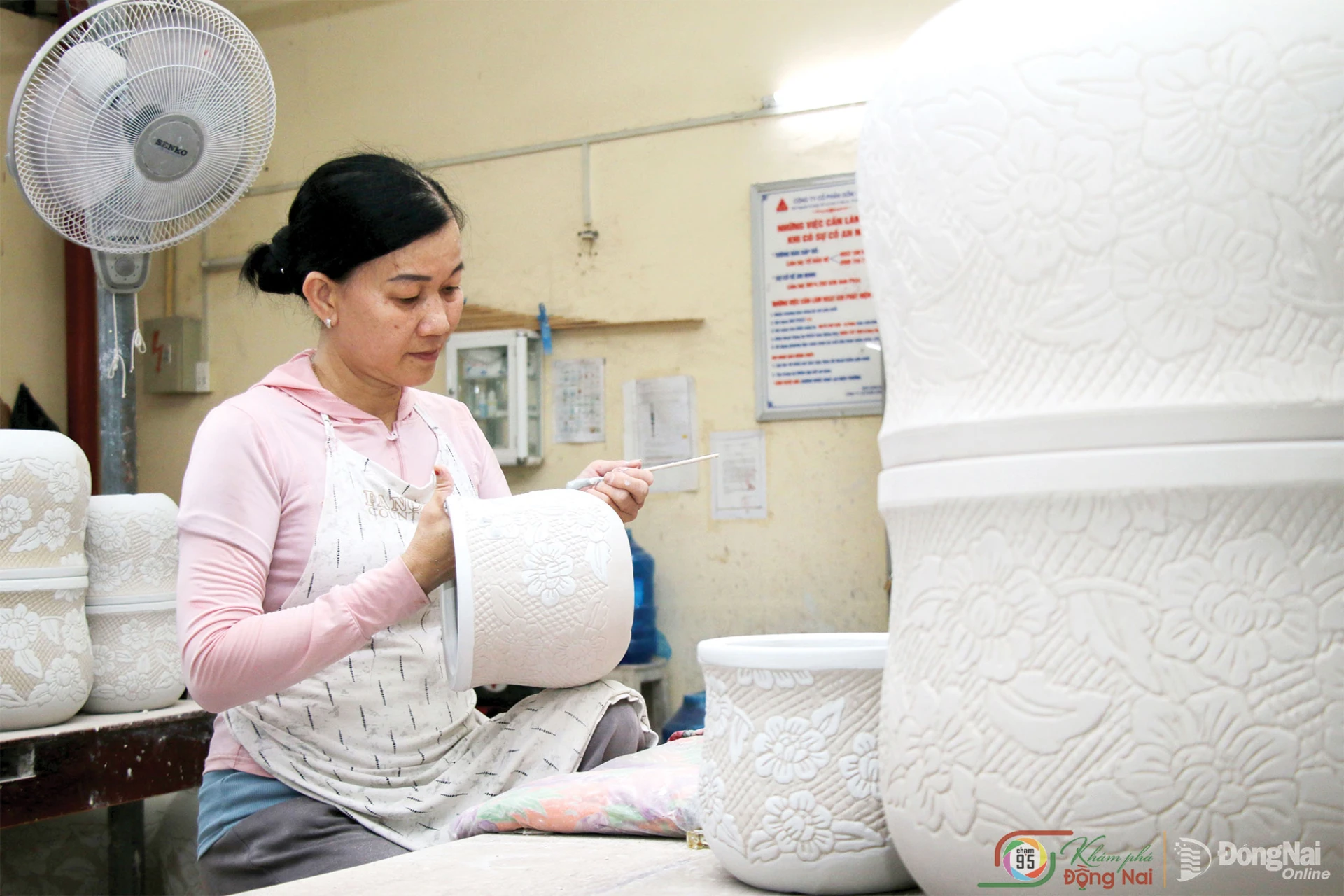 |
| Pottery featuring carved details, openwork designs and incised decoration is one of Bien Hoa's popular traditional styles. |
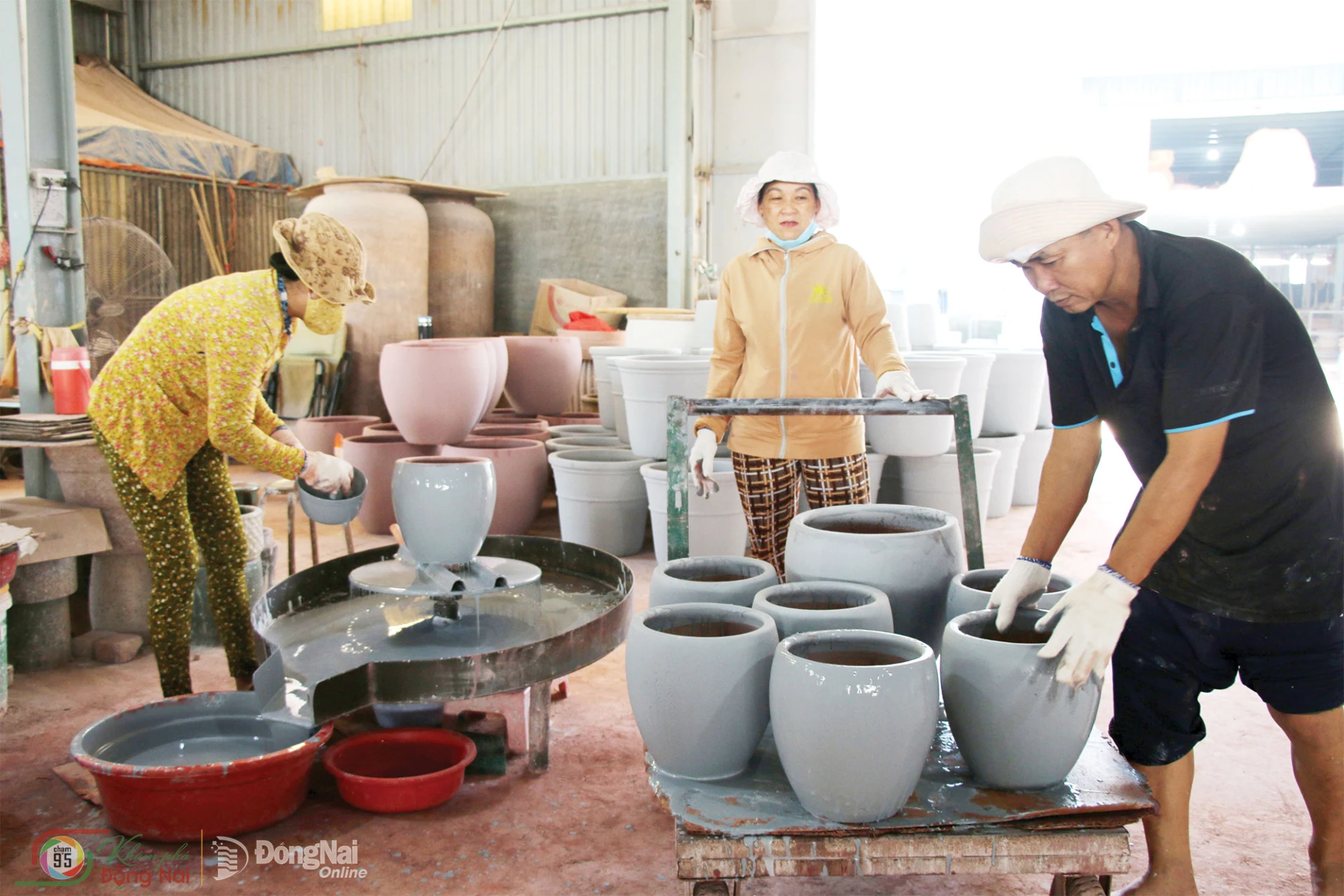 |
| Glazed pottery is another hallmark of Bien Hoa's traditional craft. |
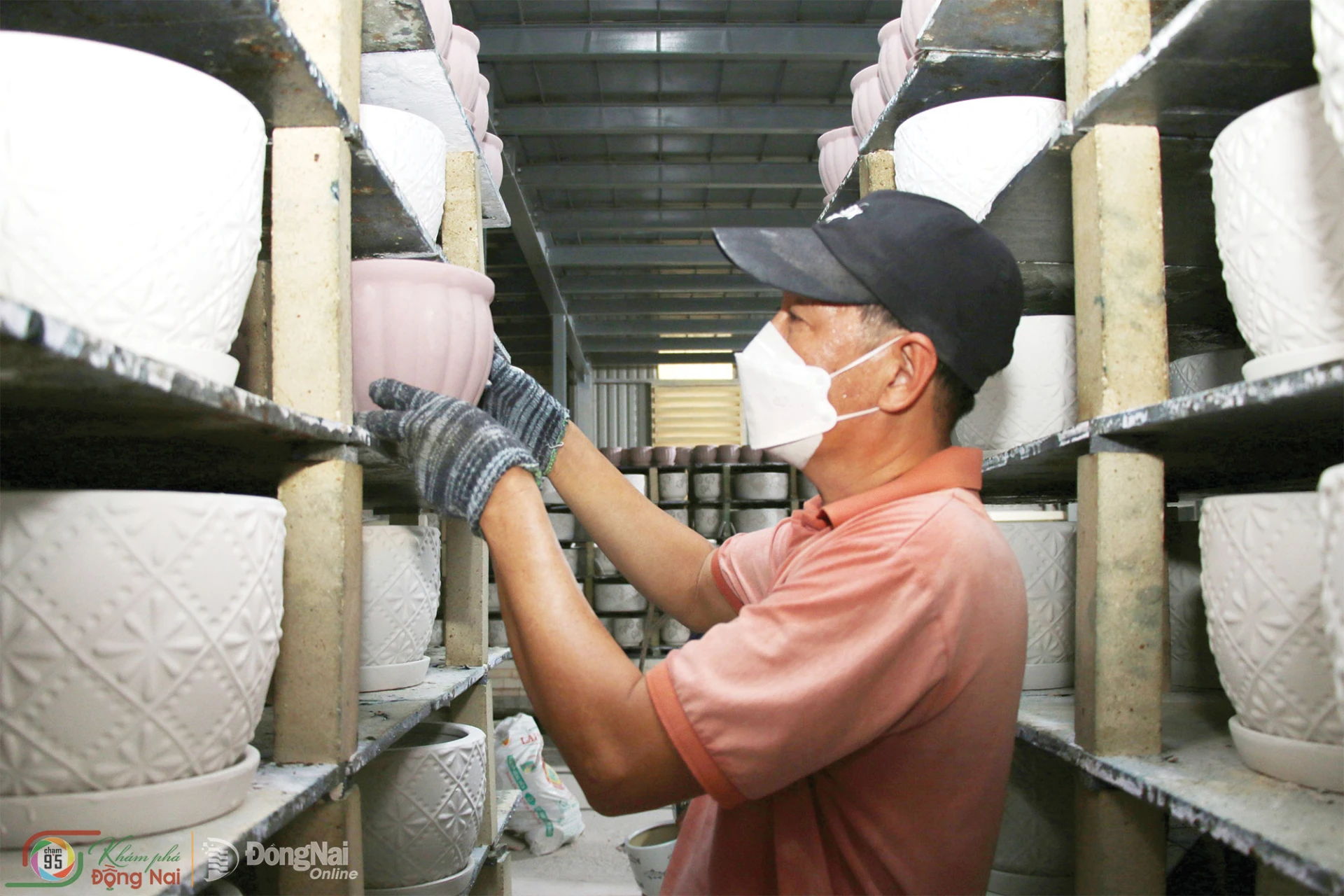 |
| Artisans carefully stack the pottery before firing. |
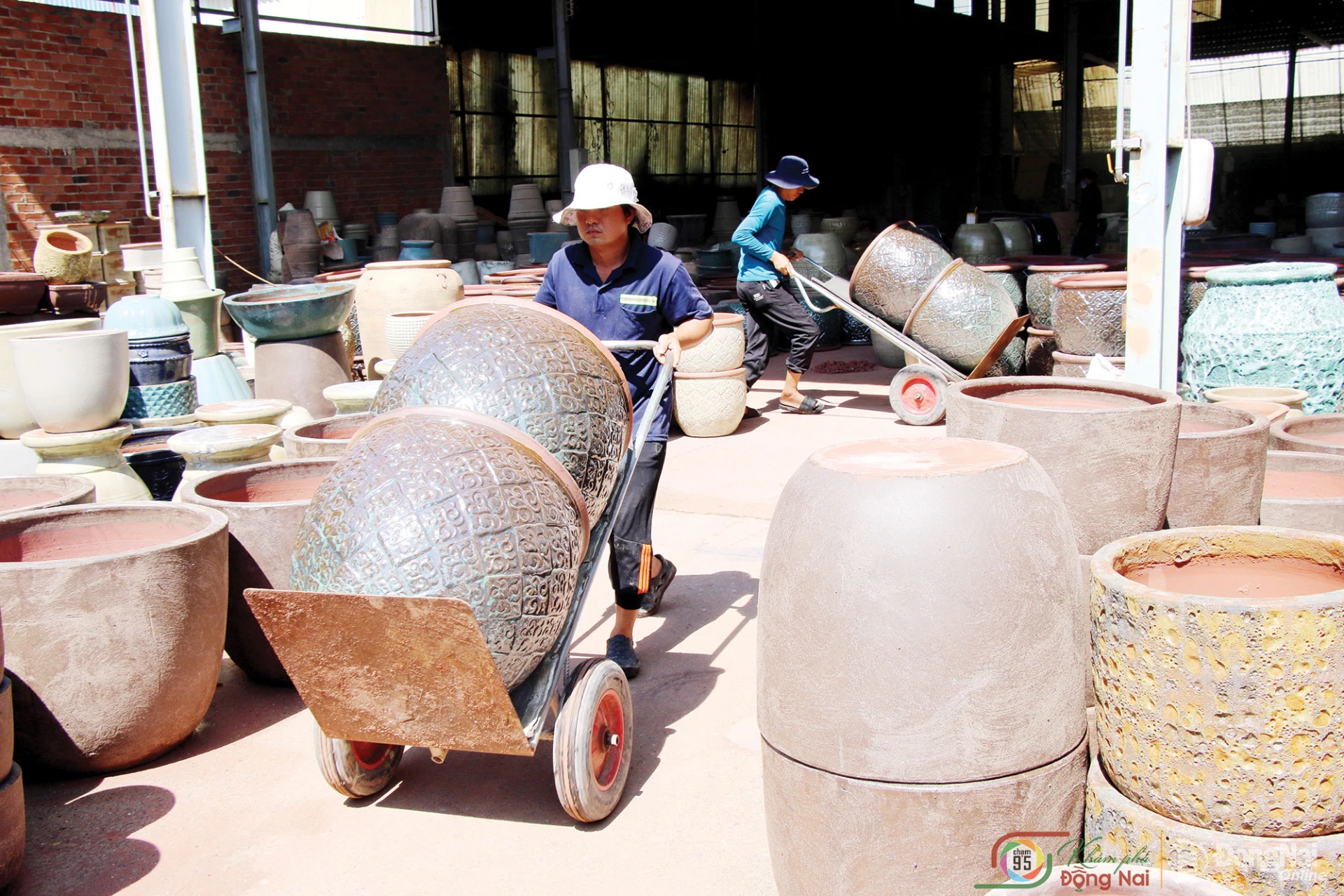 |
| Fired at temperatures exceeding 1,000 degrees Celsius, the pottery is moved to a collection area before being packed for domestic and export markets. |
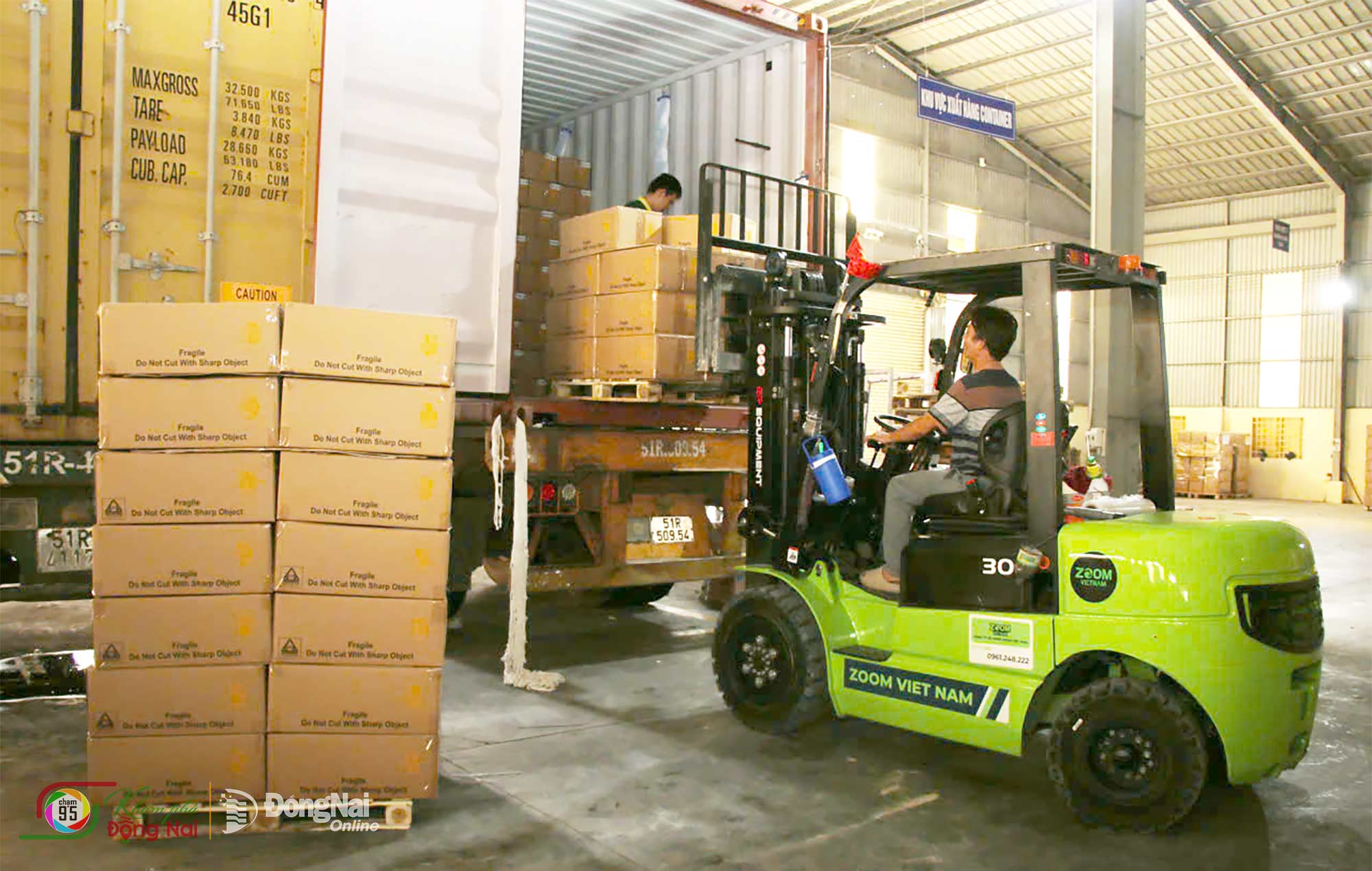 |
| From local workshops, Bien Hoa pottery is gradually making its way into international markets. |
By H. Quan – Translated by M.Nguyet, Minho




Thông tin bạn đọc
Đóng Lưu thông tin