Southeastern Vietnam covers an area of 23,544 square kilometers with a population of more than 12 million people. It includes HCM city and the provinces of Dong Nai, Binh Duong, Binh Phuoc, Ba Ria-Vung Tau, Tay Ninh.
 |
| Chau Ro ethnic children perform a folk song |
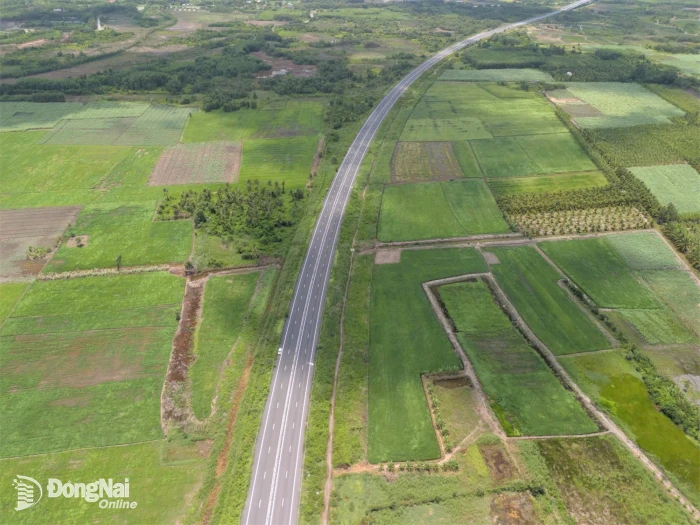
During the past 310 years, the Southeastern region has developed with high speed, positively contributed the development of local people’s moral and material life. According to information from Bureau of Statistics, the regional provinces and city contributed around 70 percent of state budget revenue in 2005, recording a GDP growth of 10 percent. In the coming time, the Southeastern will complete major projects such as Long Thanh International Airport, Vung Tau Seaport, the port system of Cai Mep, Go Dau, Phuoc An, HCM City-Long Thanh-Dau Giay Highway, the new urban areas of Phu My Hung, Nhon Trach, Binh Duong, etc.
The industrialisation and modernisation process creates an impetus to develop Southeastern culture. However, this raises a problem in relations between tradition and modernity. Therefore, it’s time to pay more attention to the preservation and promotion of folk culture values in the region.
In the peace time, industrialisation and modernisation, the globalisation and urbanisation sometimes make people ignore the folk culture. Therefore, in order to build a Southeastern advanced culture imbued with regional identity, it’s in a great need of seeking effective measures to continue preserve cultural treasures in the region.
To reach the goal, it’s now time to collect all folk literature and art values as well as develop traditional vocational villages in South-Eastern region.
Reported by H.V.T