
On September 23, the Dong Nai City Party Committee (CPC)’s Standing Board held a working session with the city’s finance sector to review its performance and discuss key tasks for the 2025-2030 tenure.
The session was chaired by Vu Hong Van, Member of the Party Central Committee (PCC), Secretary of the CPC. Also attending were Ton Ngoc Hanh, Member of the PCC, Standing Deputy Secretary of the CPC and Chairwoman of the City People’s Council; Nguyen Van Ut, Deputy Secretary of the CPC and Chairman of the City People’s Committee; Vo Tan Duc, Deputy Secretary of the CPC; Huynh Thi Hang, Deputy Secretary of the CPC and Chairwoman of the Vietnam Fatherland Front (VFF) Committee of Dong Nai City; and Thai Bao, Deputy Secretary of the CPC and Head of the CPC’s Organization Commission.
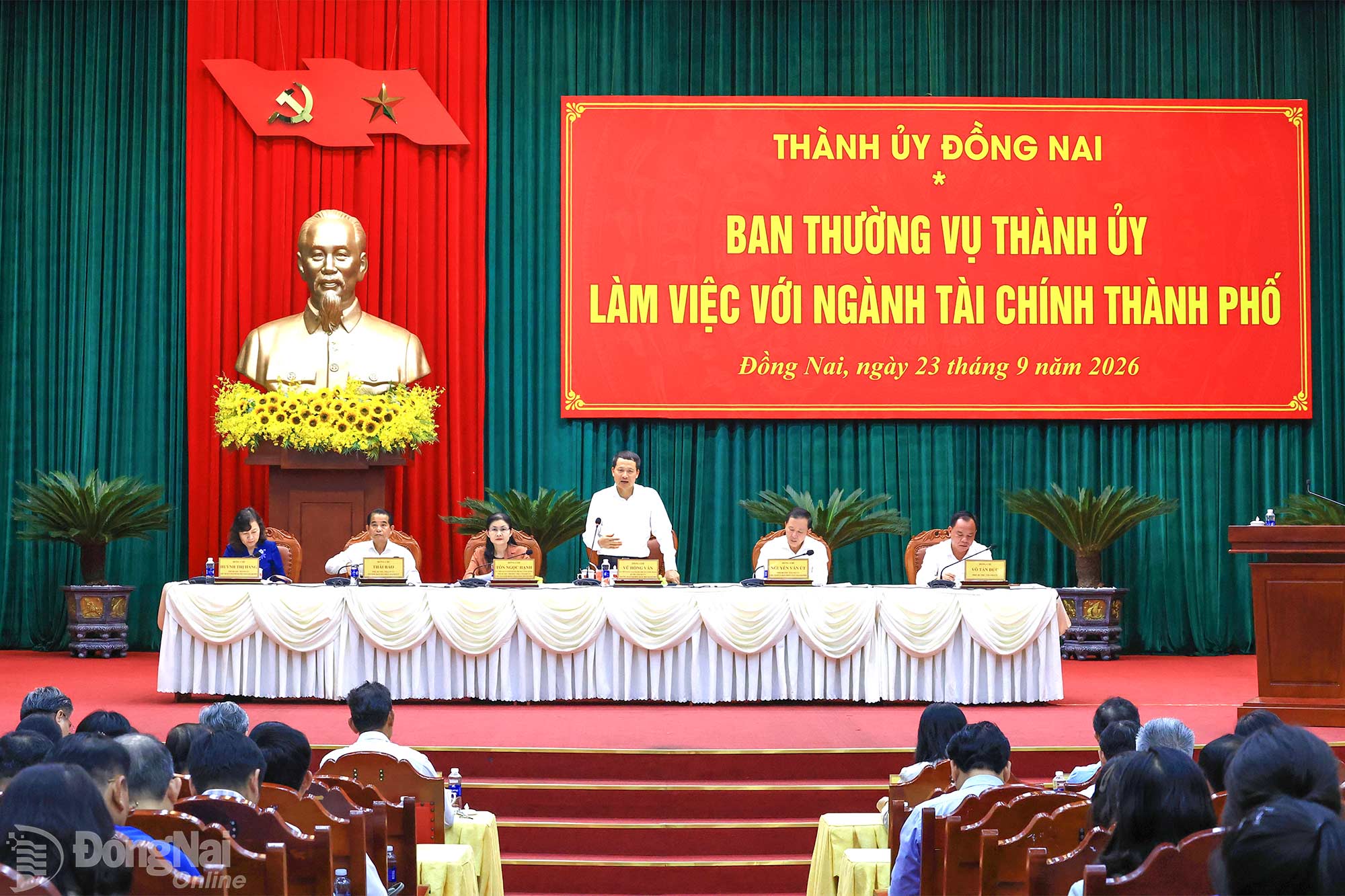 |
| Member of the PCC, Secretary of the CPC Vu Hong Van chairs the working session. Photo: Cong Nghia |
This was the first in-depth thematic working session between the CPC’s Standing Board and the finance sector with major strategic implications, highlighting priority given to the sector and clearly positioning it as a “backbone” of Dong Nai’s development amid new opportunities and challenges.
New position, higher demands
Opening the working session, Secretary of the CPC Vu Hong Van noted that the Department of Finance (DoF) was established on March 1, 2025, through the merger of the former DoF and the Department of Planning and Investment. The department is now responsible not only for financial and budgetary affairs but also for a wide range of advisory functions related to socio-economic development planning, urban planning, public investment, business investment, public-private partnerships, state budget management and public assets. This expanded mandate places significantly greater demands on the sector.
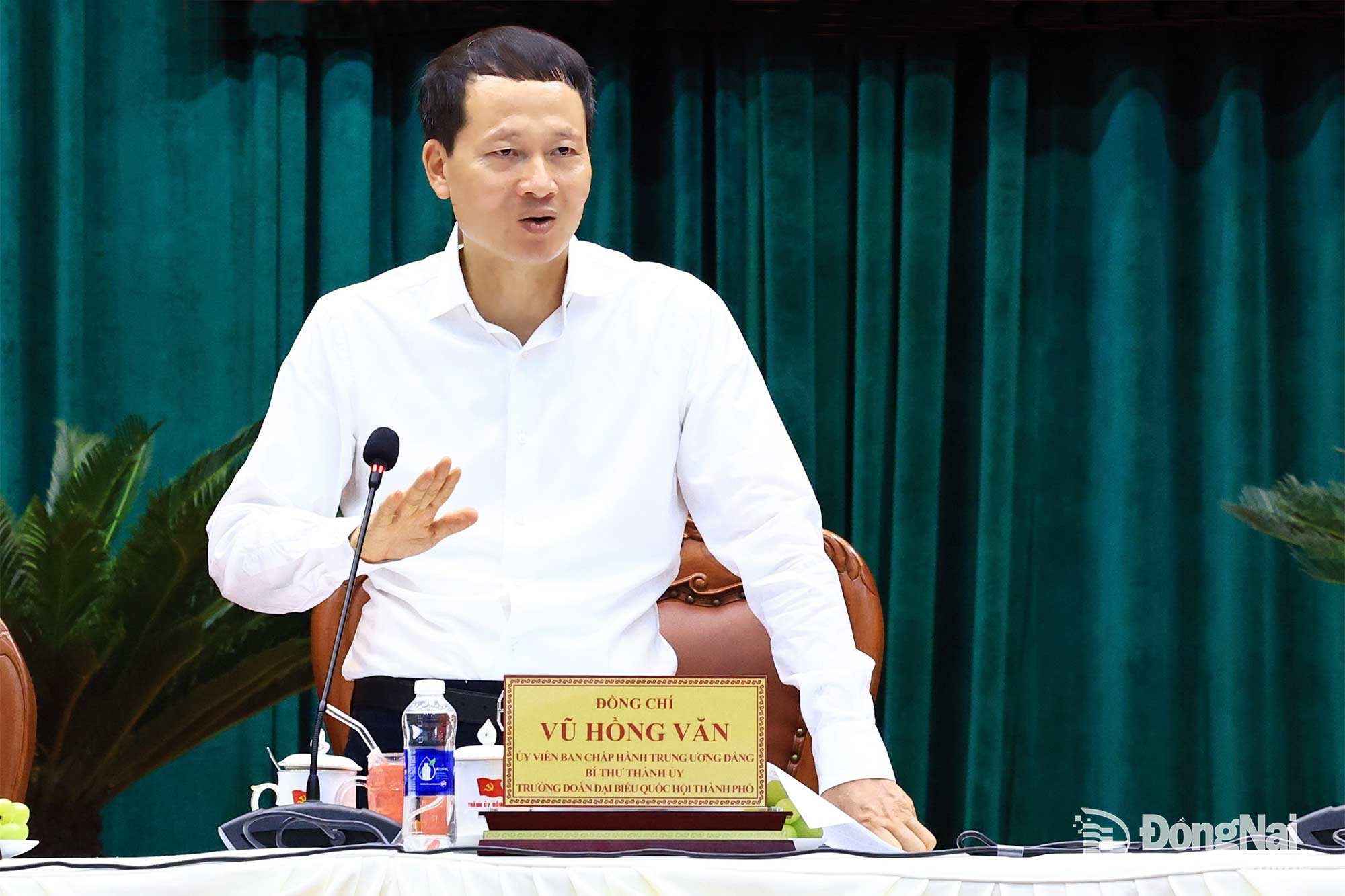 |
| Secretary of the CPC Vu Hong Van speaks at the working session. Photo: Cong Nghia |
Secretary Vu Hong Van praised the finance sector’s efforts in 2025, when Dong Nai, for the first time, became one of the few localities nationwide to record annual state budget revenue of more than VND100 trillion. In recent times, officials across the political system, particularly those in the finance sector, have continued to work hard to meet the target of double-digit economic growth and help the city achieve its 2026 state budget revenue target of more than VND150 trillion.
Secretary Vu Hong Van emphasized that the first working session of the CPC’s Standing Board with the finance sector was not simply about reviewing the number of tasks completed or documents issued. Rather, the department’s leadership was expected to answer a more fundamental question: whether it had fully and effectively exercised the functions and responsibilities entrusted to it, and whether the quality of its advisory work had improved following the merger.
The CPC’s Standing Board called for the sector’s performance to be assessed through concrete outcomes. Once an investment policy has been advised and approved, for instance, has the land actually been put into use? Has capital been disbursed? Has the project been completed? Has the city’s infrastructure capacity improved? Similarly, following an investment attraction policy, what industries and technologies have been brought to the city, and what value chains and jobs have they generated?
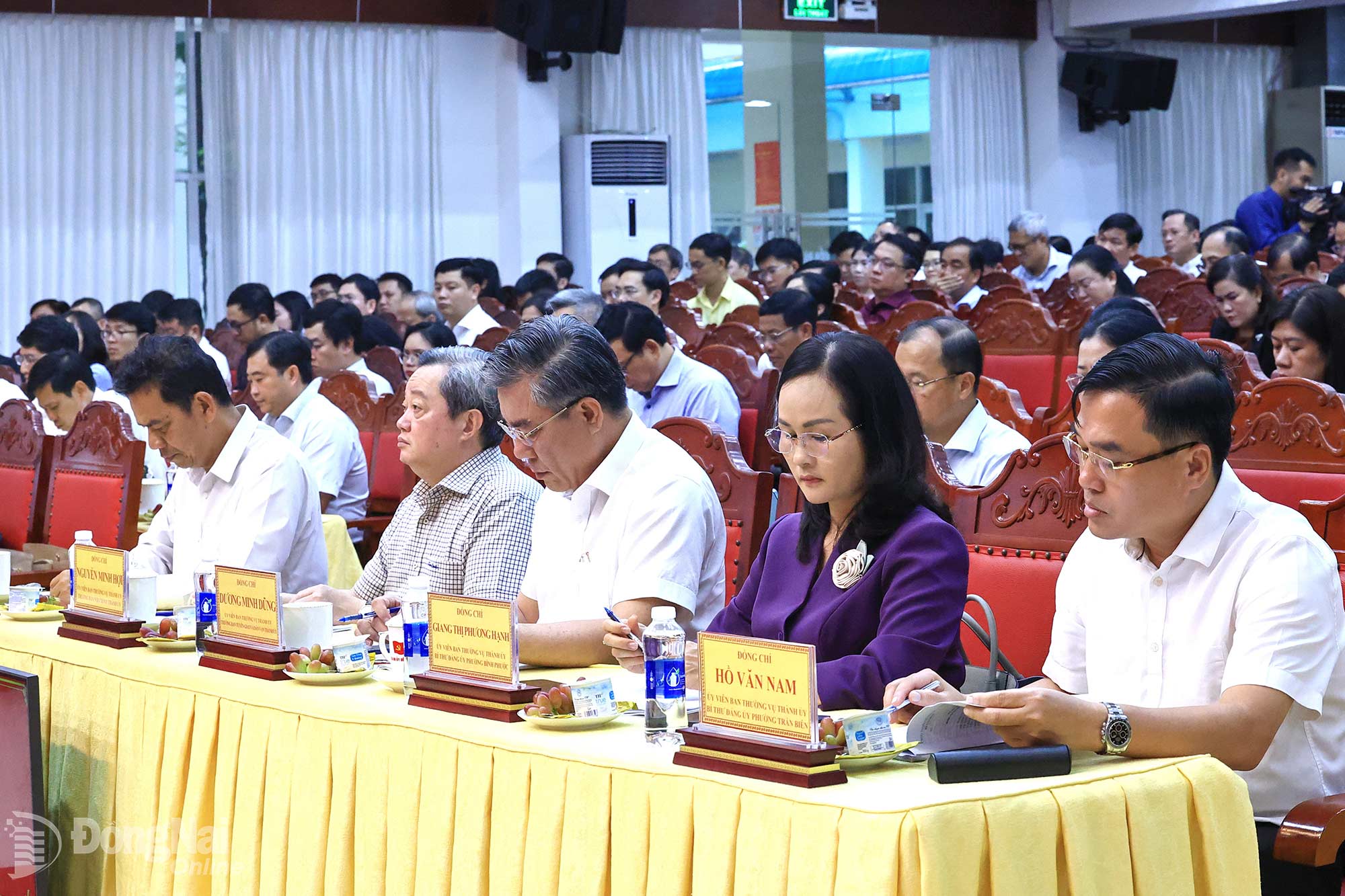 |
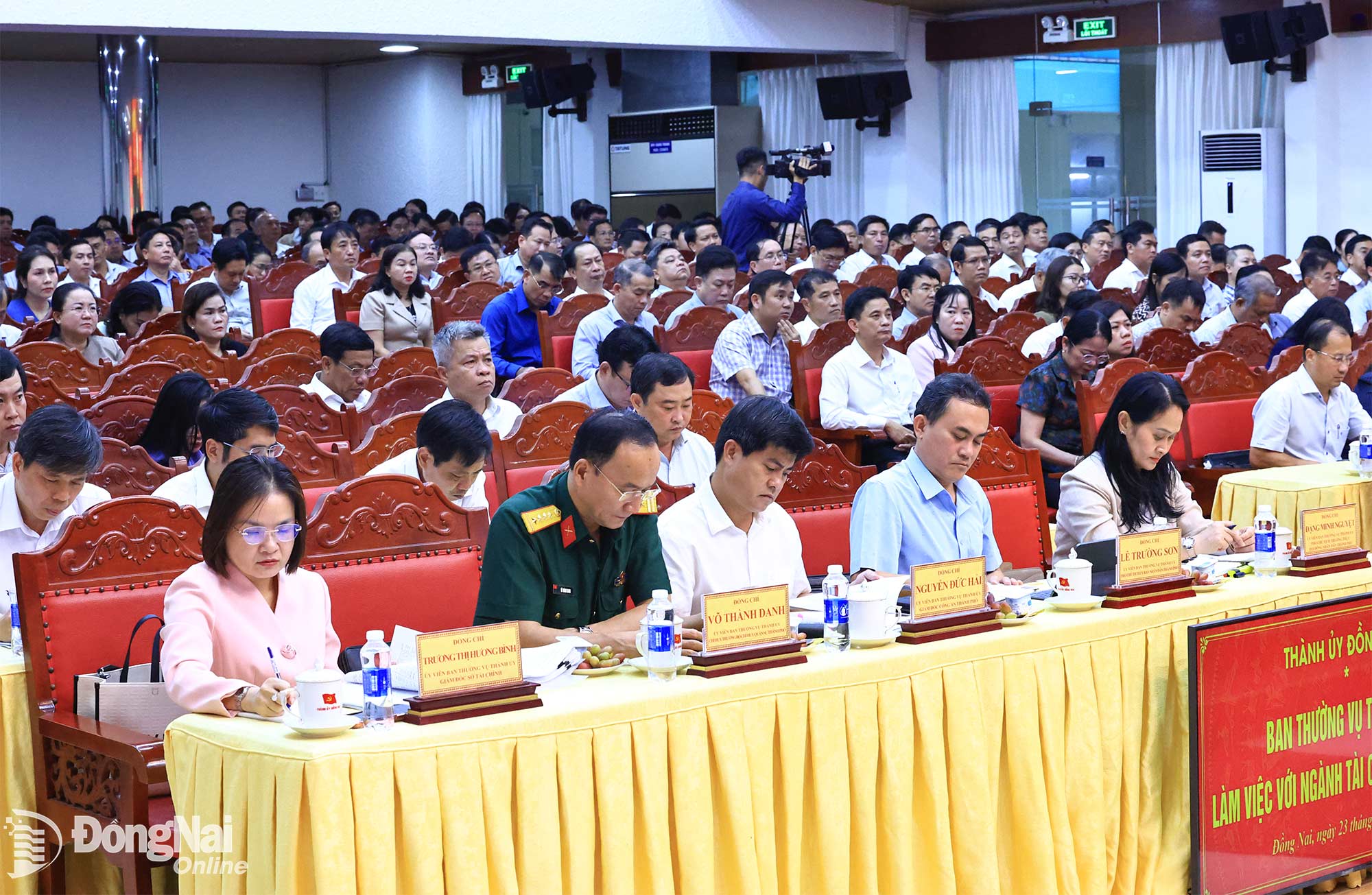 |
| Members of the CPC’s Standing Board attend the working session. Photo: Cong Nghia |
Addressing the situation of projects that have remained stalled for years without being fully resolved, Secretary Vu Hong Van said the finance sector must take a systematic approach to reviewing their dossiers from the outset. Where problems arise from changes in the law, the relevant legal provisions must be clearly identified. Where delays are caused by site clearance, the specific bottlenecks must be determined. If an investor lacks the capacity to implement a project, this should be assessed against concrete indicators such as disbursement progress. The sector must also identify measures to prevent similar problems from recurring.
The Secretary of the CPC also called for a new approach to assessing investor capacity. When appraising a project, authorities should look beyond a company’s reputation and registered capital and conduct a comprehensive assessment of its actual financial capacity, experience and project implementation record. The city must not allow investors lacking the necessary capacity to tie up land resources and development opportunities. He called for firm action, in accordance with the law, against land hoarding and speculation. Investors coming to the city will have their legitimate needs addressed, but they must also make binding commitments under clear contractual terms to prevent speculative practices and ensure timely project implementation, thereby creating new momentum for the city’s development.
To mobilize and allocate resources effectively during the 2025-2030 tenure, with a vision to 2035 and beyond to 2065, the CPC’s Standing Board asked the DoF to comprehensively review its functions and responsibilities following the merger. The department must clearly identify which procedures have been streamlined, whether data is being effectively shared among agencies, and whether emerging risks can be detected at an early stage. It must also determine which areas have been substantively integrated and which continue to rely on outdated, overlapping or incomplete procedures. Greater attention should be paid to the quality of investment policy advice, including comprehensive assessments of land availability, infrastructure, market conditions, the investor’s ability to mobilize capital, the implementation progress of other projects undertaken by the investor, and the investor’s capacity to withstand fluctuations in costs and implementation timelines. The city must also strengthen concerted mechanisms among departments and agencies. Leaders of relevant departments and agencies should meet regularly to coordinate and agree on solutions. The practice of passing responsibility back and forth through official correspondence, resulting in delays and bottlenecks, must be firmly eliminated.
Renewing mindset for effective resource management
Based on a report by the DoF’s leadership, standing members and Standing Board of the CPC, along with representatives of communes and wards, offered a range of recommendations to help the finance sector renew its approach and improve operational efficiency.
According to Ton Ngoc Hanh, Standing Deputy Secretary of the CPC and Chairwoman of the City People’s Council, the finance sector must remain closely attuned to conditions on the ground and proactively advise the CPC and People’s Committee on sound, efficient and lawful budget management. The sector needs a comprehensive picture of the city’s revenue sources and must accurately forecast its capacity to mobilize capital to ensure sufficient resources for key projects.
Amid a heavy workload and numerous new mechanisms and policies requiring urgent action, the DoF has closely followed key directives and achieved notable results. Notably, the city’s GRDP grew by 9.81% in the first six months of 2026, 0.03 percentage points above the 9.78% rate projected in the growth scenario. To meet the full-year growth target of 11% in 2026, the economy needs to expand by an average of around 12.05% in the second half of the year. Specifically, under the growth scenario, GRDP growth must accelerate to 11.53% in the third quarter and reach 12.52% in the fourth quarter.
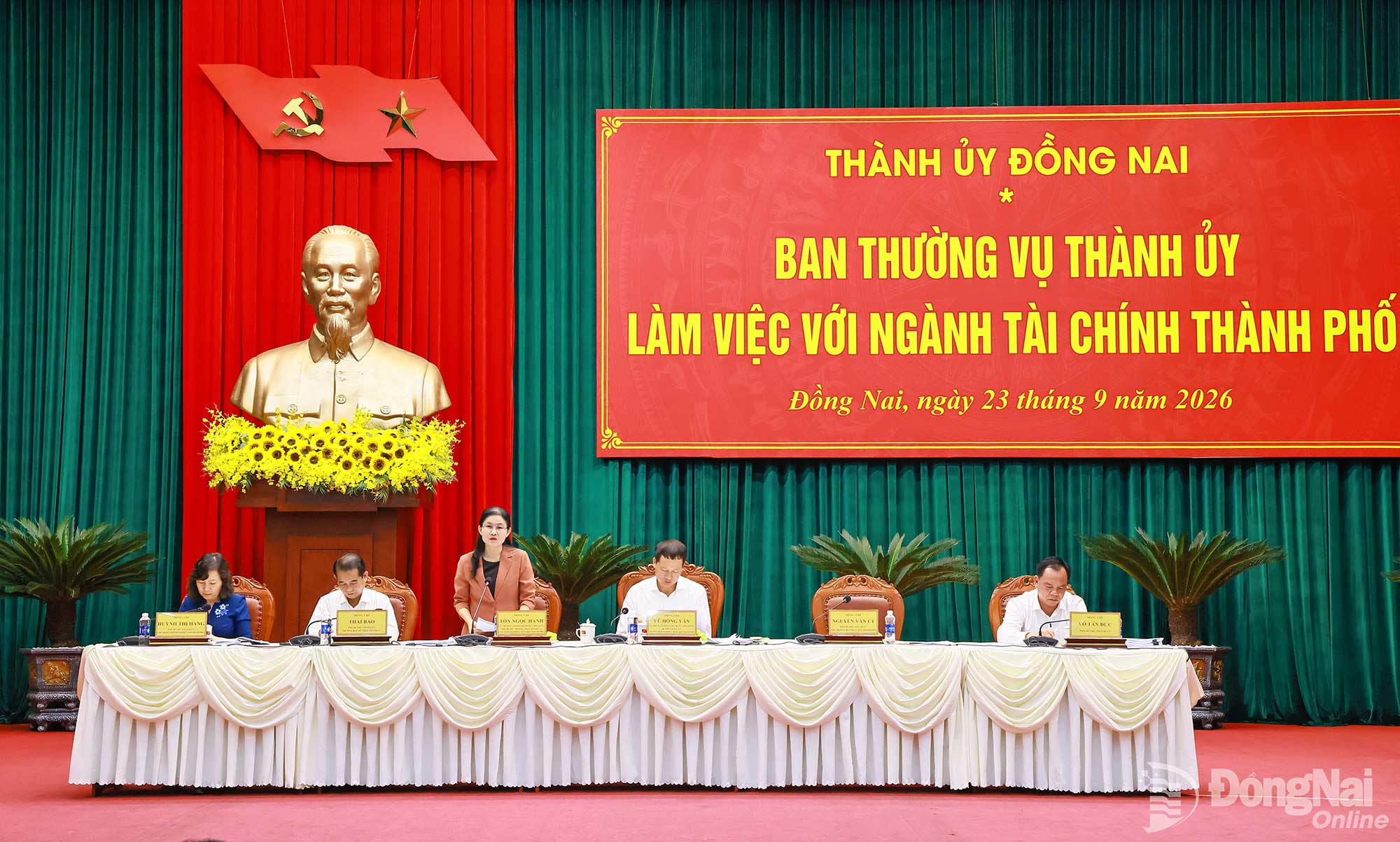 |
| Ton Ngoc Hanh, Member of the PCC, Standing Deputy Secretary of the CPC and Chairwoman of the City People’s Council, gives directions to the finance sector at the working session. Photo: Cong Nghia |
Ton Ngoc Hanh also called for higher-quality appraisal, particularly for public investment and PPP projects. Projects that have already been approved should not be held back by funding shortages or slow disbursement resulting from procedural obstacles. She urged the sector to thoroughly review and eliminate unnecessary administrative procedures while accelerating digital transformation in financial and investment management.
She also called on the finance sector to coordinate closely with departments, agencies and local authorities to decisively remove bottlenecks in compensation and site clearance and develop clean land funds for investment attraction. Particular attention should be paid to Party building and personnel work, with efforts to build a clean and strong contingent of finance-sector officials and civil servants who possess strong professional expertise and uphold public-service ethics.
Deputy Secretary of the CPC and Chairman of the City People’s Committee Nguyen Van Ut:
“The city’s finance sector is determined to meet key targets”
The City People’s Committee will continue to improve the effectiveness of its leadership and administration and strive to fulfill the tasks assigned by the standing members and Standing Board of the CPC, including achieving GRDP growth of at least 11% in 2026, state budget revenue of more than VND150 trillion, and 100% disbursement of public investment capital. At the same time, the City People’s Committee will proactively direct the DoF to formulate investment and development plans for 2027, laying the groundwork for successfully implementing the socio-economic development tasks for the entire 2025-2030 tenure.
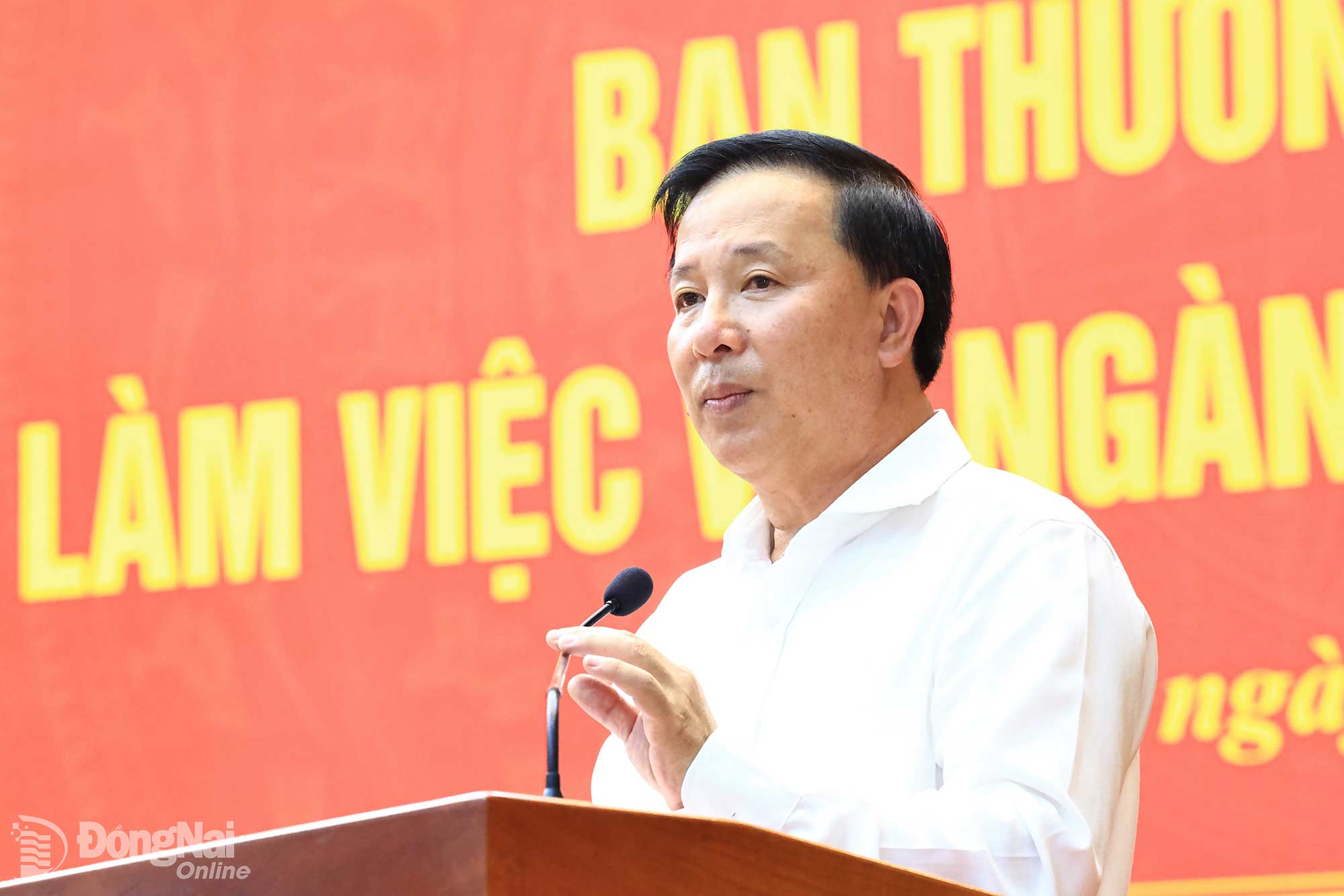 |
| Deputy Secretary of the CPC and Chairman of the City People’s Committee Nguyen Van Ut speaks at the working session. Photo: Cong Nghia |
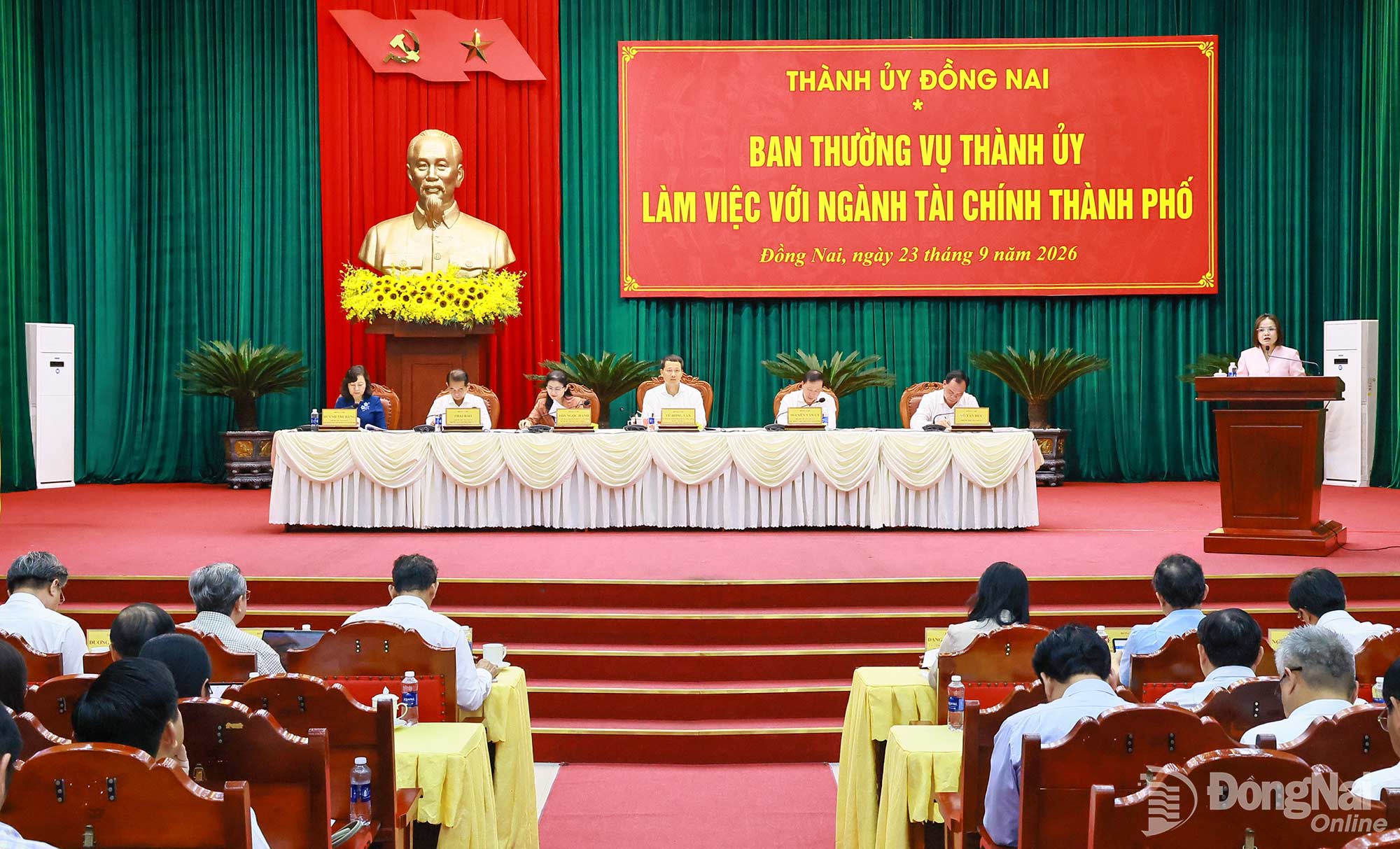 |
| Director of the DoF Truong Thi Huong Binh presents a report at the working session. Photo: Cong Nghia |
In his concluding remarks, Secretary Vu Hong Van stressed the urgent need to renew the mindset to resource management, allocate budget funds based on scientific criteria, and take decisive action to revoke stalled projects in order to unlock land resources. The finance sector must develop a comprehensive picture of Dong Nai’s resource structure for 2025-2026, focus strongly on the target of raising more than VND150 trillion in state budget revenue in 2026, and work toward VND300 trillion by the end of the 2025-2030 tenure.
The DoF must advise on clear capital allocation scenarios, specifically identifying funding for development investment and funding for other urgent tasks. Any additional revenue must be translated into specific and practical financial plans. Regarding budget allocation to 95 communes and wards, Secretary Vu Hong Van stressed the need for a flexible and transparent distribution mechanism and categorically rejected a one-size-fits-all approach.
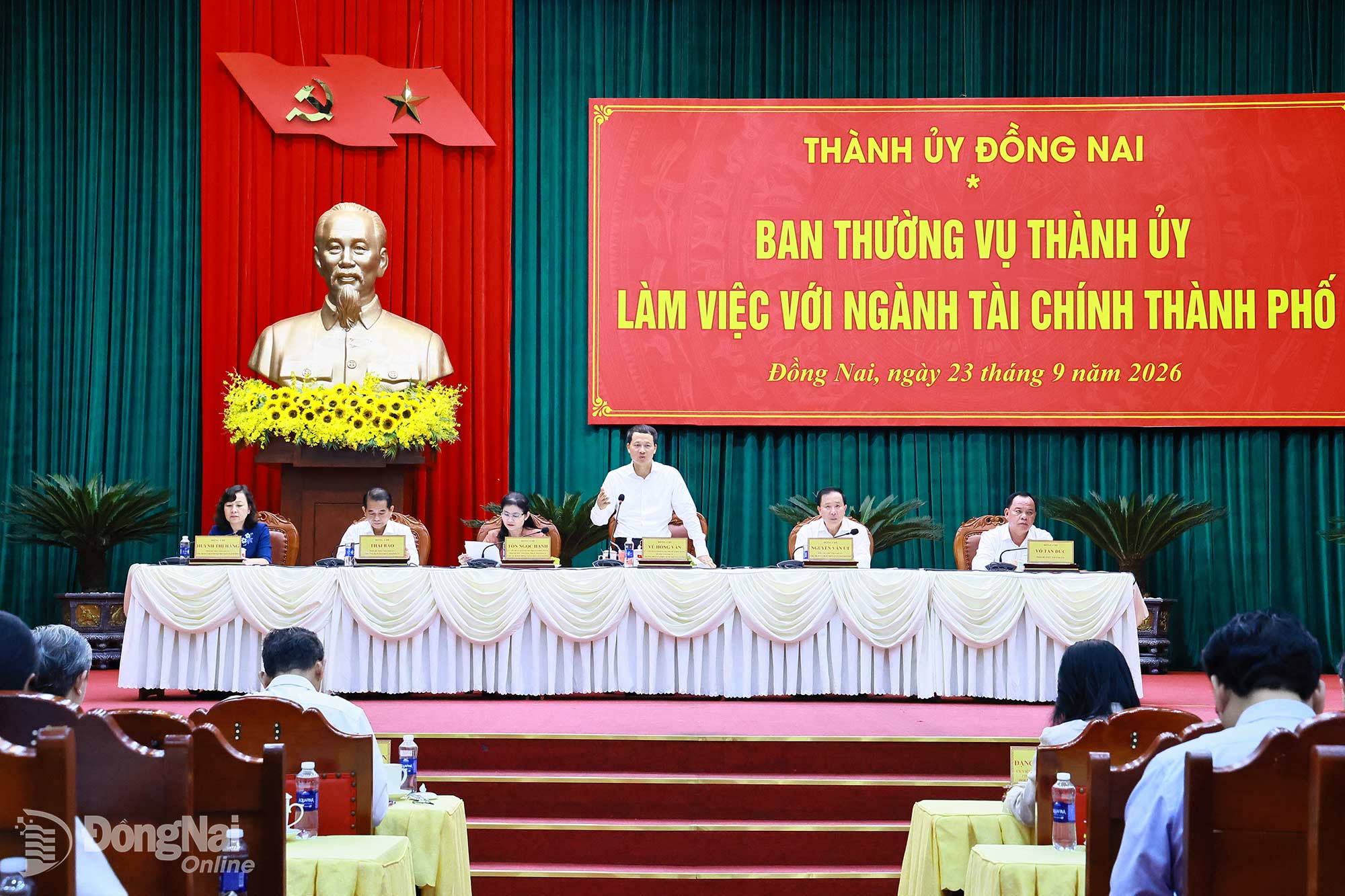 |
| Secretary of the CPC Vu Hong Van delivers concluding remarks at the conference. Photo: Cong Nghia |
On detailed capital allocation, Secretary Vu Hong Van emphasized a three-tier model designed to ensure transparency and fairness. The first tier is to provide a basic level of funding so that every commune and ward has sufficient resources to perform essential tasks. The second tier is to allocate funding according to actual needs, based on criteria such as population size, land area, number of students, number of policy beneficiaries, the length of infrastructure under management and the level of urbanization. The third tier is to prioritize strategic investment resources for areas hosting key projects that generate spillover effects across Dong Nai City, including the airport area, major transport corridors, logistics hubs and industrial clusters.
Budget resources should prioritize addressing transport bottlenecks, particularly projects that help reduce logistics costs, as well as compensation, site clearance and resettlement.
All budget resources remaining after recurrent expenditure is secured will be channeled into the development of an integrated infrastructure network. The biggest goal of standing members and Standing Board of the CPC during this tenure is to narrow the wealth gap and ultimately eliminate the concept of “remote and isolated areas” and “disadvantaged areas” within Dong Nai City.
By C. Nghia – Translated by M.Nguyet, Thu Ha


Thông tin bạn đọc
Đóng Lưu thông tin