
The policy to establish Dong Nai as a centrally governed city has drawn widespread public attention, with strong expectations for a green, modern and sustainably developed city. Many opinions emphasize that the development process must prioritize environmental protection, while maintaining a balance between urban and rural development.
 |
| Forest protection contributes to upholding the principle of not trading the environment for economic growth. Photo: Forest in Dong Nai Culture and Nature Reserve (DCNR). |
Le Viet Dung, former Deputy Head of the Dong Nai Forest Protection Department: Preserving the “green lungs” for sustainable development
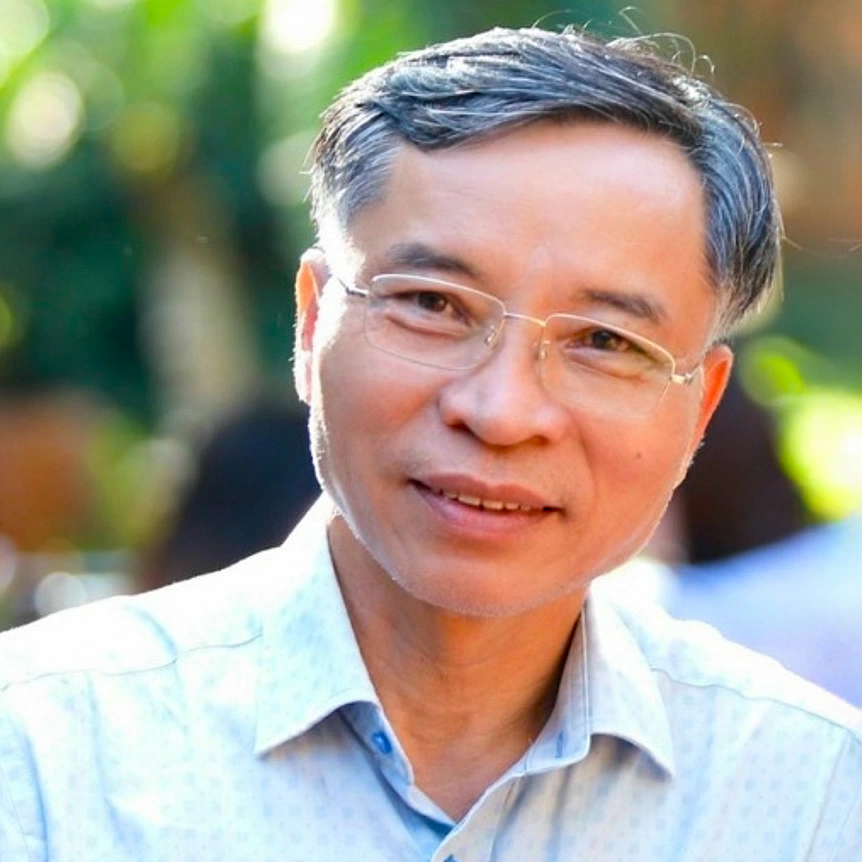 |
I strongly support the policy of transforming Dong Nai into a centrally governed city. However, this also entails significant requirements for sustainable development. One of the province’s defining features is its forest ecosystem, which has been strictly protected since 1997 under the forest closure policy.
The achievements gained so far have not only contributed to environmental protection but also enhanced biodiversity, forming vital ‘green lungs’ for the entire southeastern region. Therefore, amid rapid urbanization, it is essential to remain steadfast in the principle of not trading the environment for economic growth.
In my view, Dong Nai should continue to invest heavily in modern forest management, apply digital technology and develop comprehensive databases to monitor forest resources. Preserving forests means preserving the foundation for sustainable development.
Nguyen Hoang Hao, Director of the DCNR and Standing Deputy Head of the Dong Nai Biosphere Reserve Management Board: Linking urban development with biosphere conservation and green economy
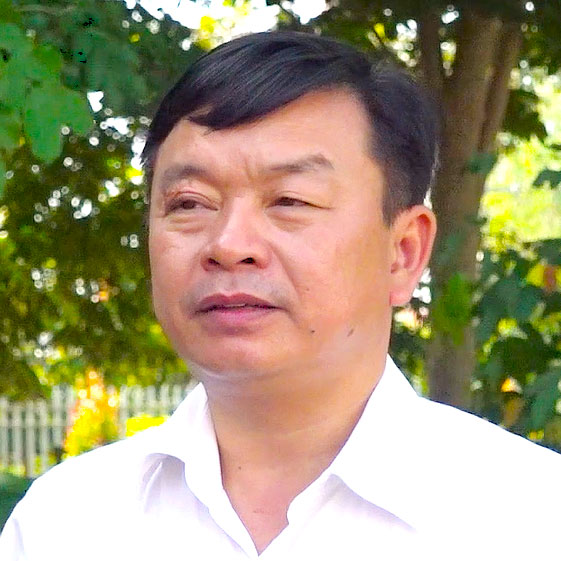 |
Dong Nai is among the few localities with extensive natural forest areas, along with the Dong Nai World Biosphere Reserve and Tri An Lake, which play a key role in regulating the regional climate.
Going forward, true sustainable development can be achieved by continuously prioritizing the strict protection of natural forests—an invaluable resource that cannot be quickly restored. At the same time, it is necessary to accelerate the completion of transport infrastructure to improve connectivity and facilitate economic growth, while ensuring effective environmental control.
Policies are also needed to stabilize the communities living in and around forest areas, ensuring sustainable livelihoods for them. In addition, attracting investment in eco-tourism linked to forests and Tri An Lake should be expanded in a professional and well-regulated manner. This will be a crucial pathway for Dong Nai to balance economic growth with ecological preservation.
Lawyer Tran Cao Dai Ky Quan, Vice Chairman of the Dong Nai Bar Association: Creating an institutional “lever” for breakthrough growth
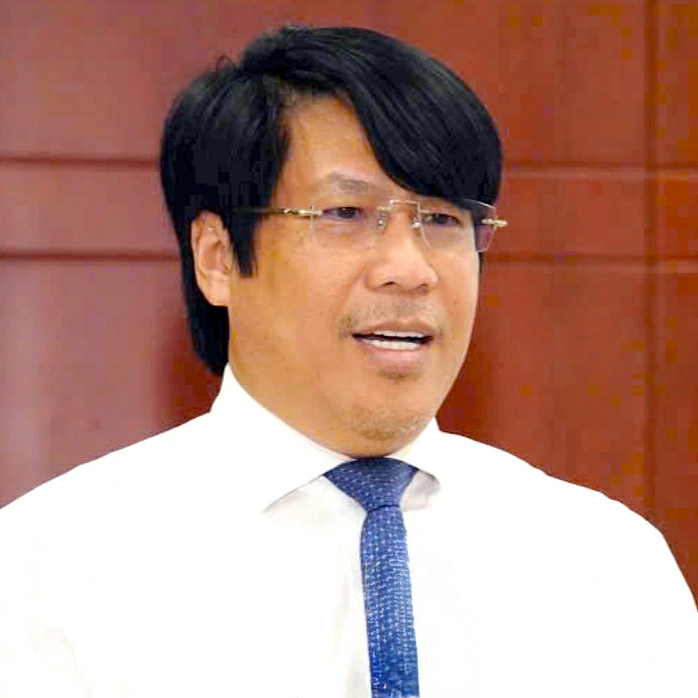 |
The transformation of Dong Nai into a centrally governed city is not merely an administrative change; more importantly, it opens up a new development space with more advanced mechanisms and policies. This acts as an ‘institutional lever’ enabling the province to better tap into its existing potential, particularly its strategic position in the Southern key economic region. Over the years, Dong Nai has recorded rapid growth in industry, urbanization and investment attraction. However, bottlenecks remain in infrastructure, planning and regional coordination mechanisms. With centrally governed city status, the province, in my opinion, will be granted greater autonomy in development planning, land management, infrastructure investment and resource mobilization.
Meanwhile, it is crucial to build a transparent and stable legal environment, alongside substantive administrative reforms, to strengthen investor and public confidence. Once institutional barriers are removed, Dong Nai can achieve strong breakthroughs and emerge as a key growth pole of the country.
Tran Quang Binh, Vice Chairman of the People’s Committee of Bu Gia Map commune: Paying greater attention to ensuring livelihoods and investing in infrastructure for remote areas
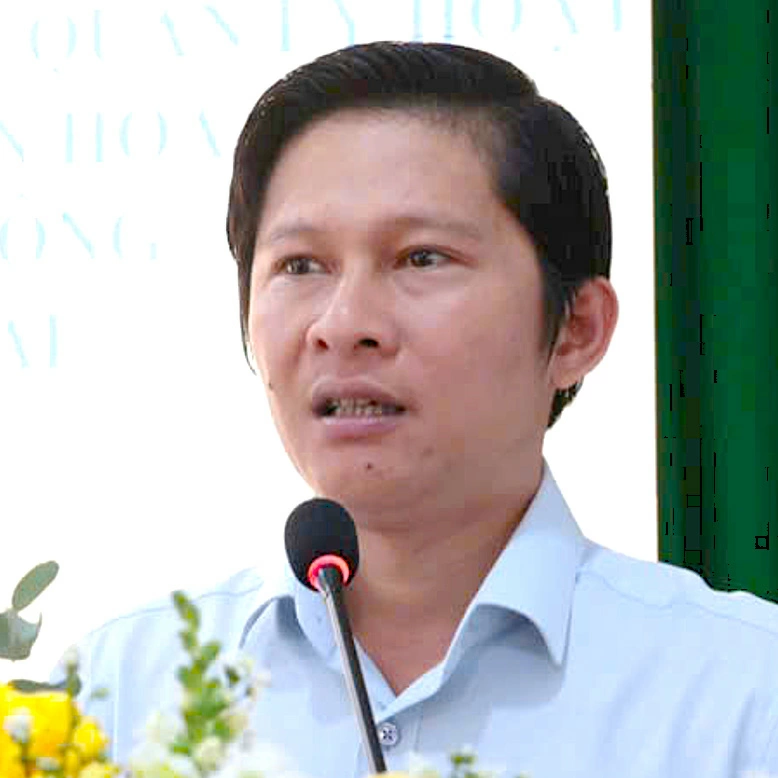 |
The proposal to establish Dong Nai as a centrally governed city reflects a major orientation and long-term vision for urban and regional economic development. With this status, the province will benefit from special mechanisms, facilitating socio-economic growth while ensuring national defense and security.
For remote and border communes such as Bu Gia Map, where living conditions remain challenging, residents are primarily concerned about infrastructure, livelihoods, education, healthcare and social welfare. If this policy is accompanied by synchronized investment and efforts to narrow development gaps, it will undoubtedly gain strong public support.
Truong Sam Hoi, Deputy Secretary of the Party Cell and Head of Tan Thuy neighborhood, Xuan Lap ward: Balancing development between urban and rural areas
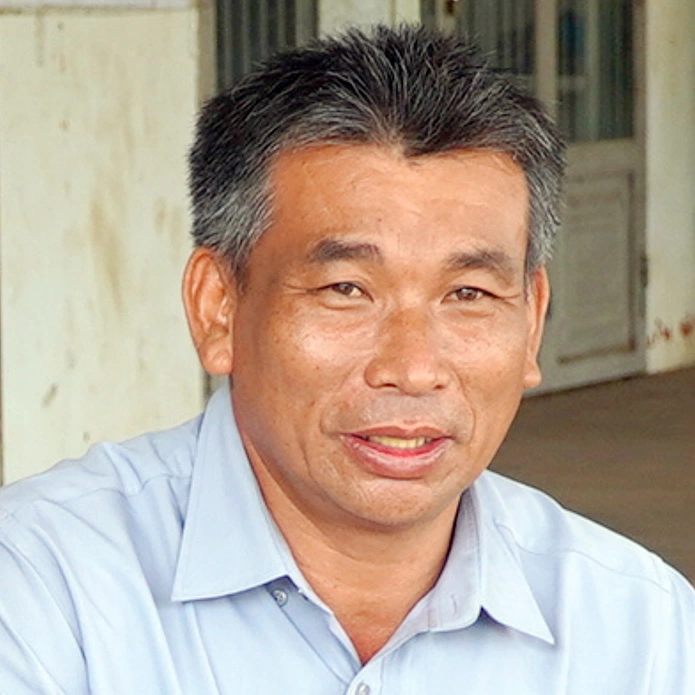 |
Public feedback shows strong consensus on the plan to build Dong Nai into a centrally governed city. People expect this to mark a turning point for more comprehensive development.
However, alongside rapid urbanization, adequate attention must be given to rural areas and ethnic minority communities. In reality, some residents in these areas still face difficulties, with limited access to jobs and essential services.
Therefore, I propose that policies should focus on sustainable rural economic development, supporting livelihood transformation, vocational training, access to capital and technology. At the same time, investment in essential infrastructure such as transport, healthcare and education is needed to improve living standards. Only then can all residents benefit from the development process.
Le Thi Hong Duyen, a worker in Trang Dai ward: Housing stability – the foundation for workers’ long-term commitment
 |
Having lived and worked in Dong Nai for more than 20 years, I have witnessed its transformation firsthand. We hope the province will become a centrally governed city to enable stronger and more modern development.
However, what matters most to workers is stable employment and livelihood. As Dong Nai advances to a new height, policies for workers should also be upgraded accordingly, from ensuring sustainable jobs and better incomes to expanding social welfare policies such as insurance, healthcare and education for workers’ children.
In particular, the issue of social housing needs to be given greater attention. Many workers are still renting cramped and costly accommodations. If policies to develop affordable social housing with accessible procedures are introduced, workers will feel more secure, stay longer and contribute more actively to the province’s development.
By Thanh Nhan - Translated by M.Nguyet, Thu Ha


Thông tin bạn đọc
Đóng Lưu thông tin