
On the morning of October 19, Dong Nai General Hospital held a ceremony to announce the successful completion of its first kidney transplant.
The milestone marks an important turning point, opening a new chapter in the development of advanced medical techniques at the hospital and across Dong Nai’s healthcare sector.
A major advance in specialized healthcare
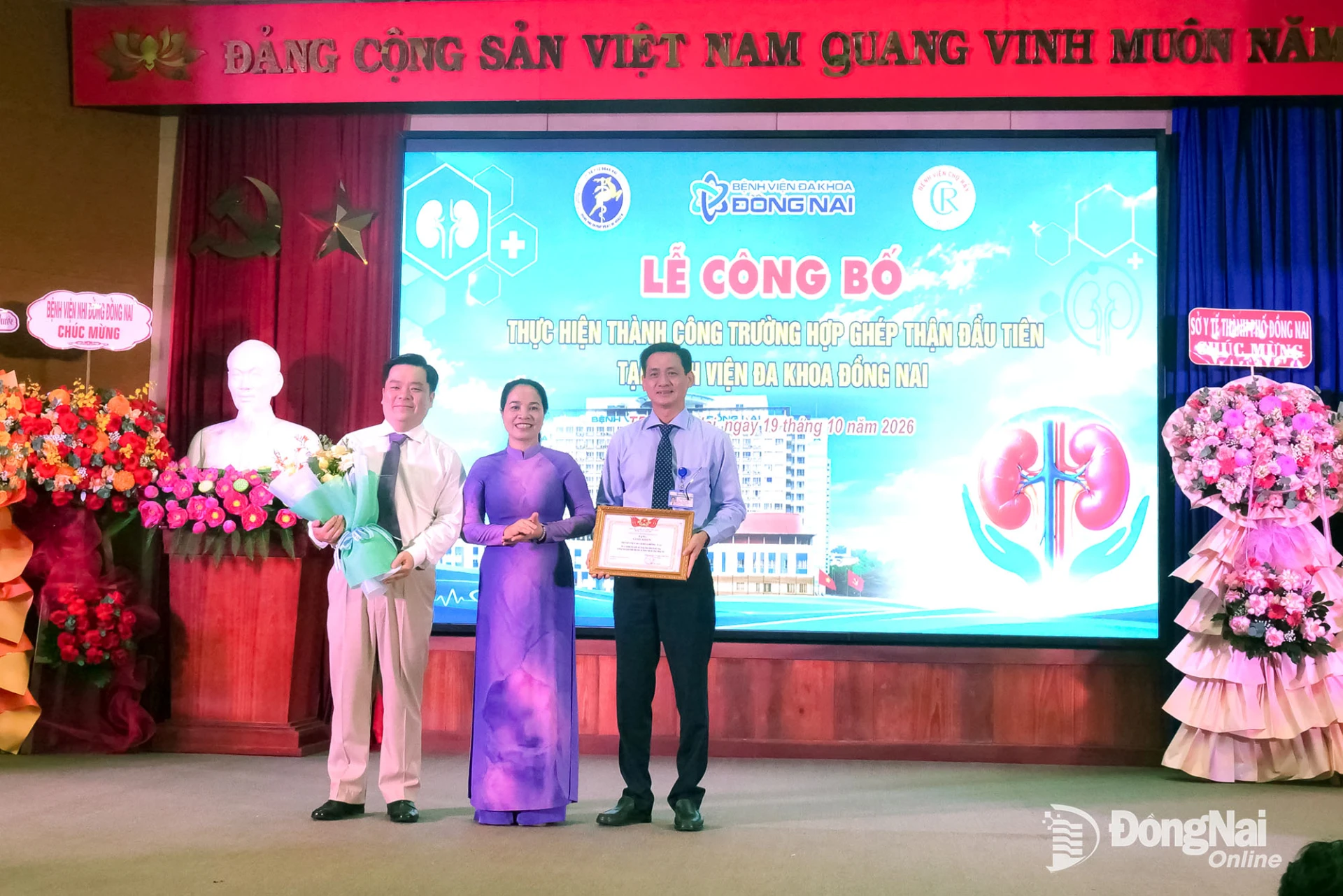
 |
| Director of the Dong Nai Department of Health Do Thi Nguyen presents flowers to congratulate Dong Nai General Hospital. Photo: Hanh Dung |
The kidney recipient, T.H., 46, from Tan Trieu Ward, had battled end-stage chronic kidney disease for many years and required regular dialysis as renal replacement therapy. Her husband, L.P.T., 40, donated his kidney to her.
On October 6, surgical teams performed laparoscopic surgery to remove the donor’s left kidney for transplantation into the recipient. The procedure proceeded smoothly and in accordance with the planned medical protocol. Positive signs of recovery were observed on the first day after surgery. To date, both T.H. and her husband, T., have recovered well and are continuing to receive care and monitoring at the hospital. After discharge, the recipient is expected to undergo close follow-up, take prescribed medication and attend regular checkups to manage the risk of complications and organ rejection.
 |
 |
||
|
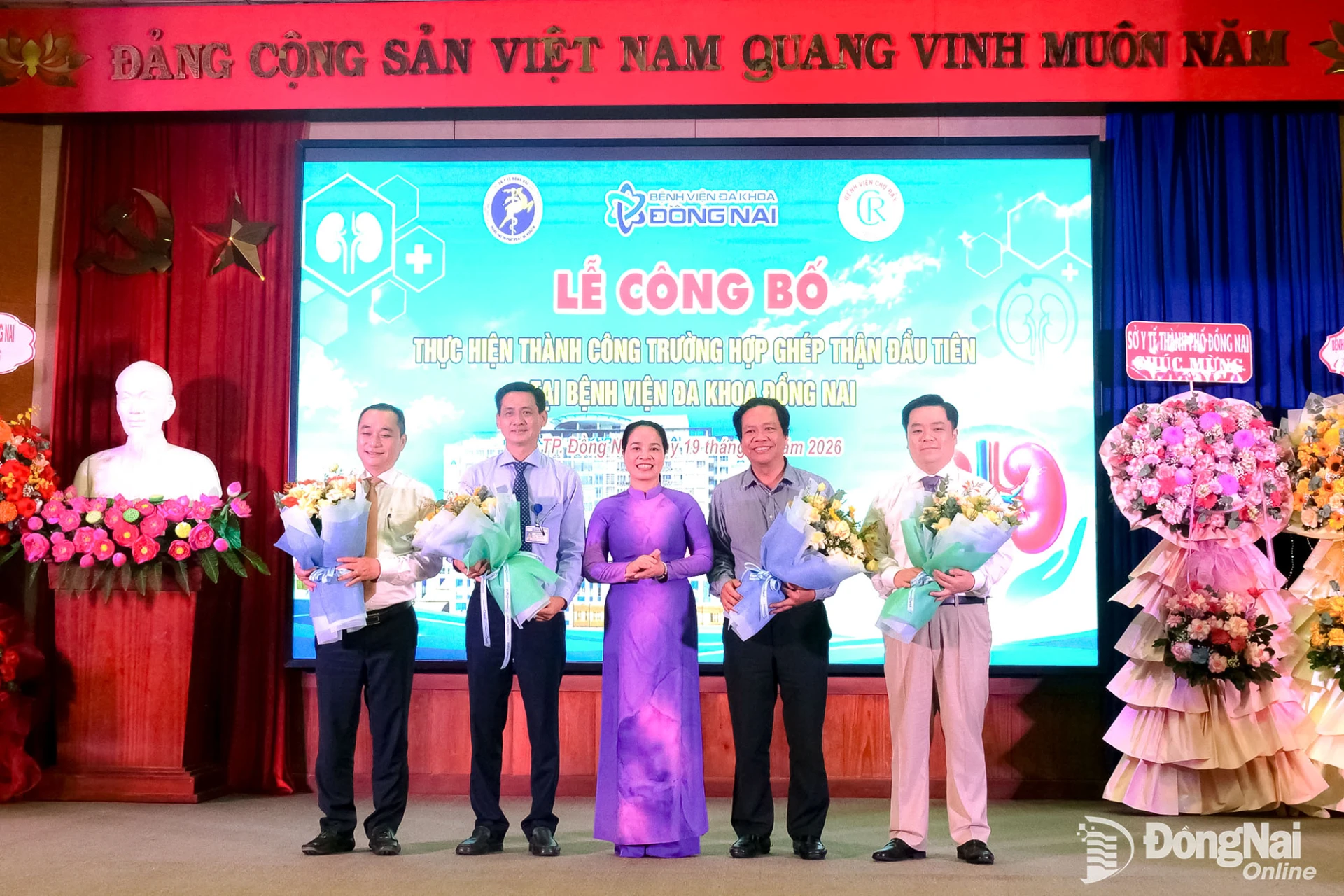
Specialist Level II Doctor Dinh Cao Minh, Deputy Director in charge of Dong Nai General Hospital, said the hospital had proactively made the necessary preparations to introduce kidney transplantation, aiming to improve the quality of treatment for patients with end-stage chronic kidney disease and help them avoid transfers to higher-level hospitals. These preparations ranged from investing in medical equipment and ensuring adequate supplies of medicines and medical materials to developing coordination procedures among hospital departments and offices.
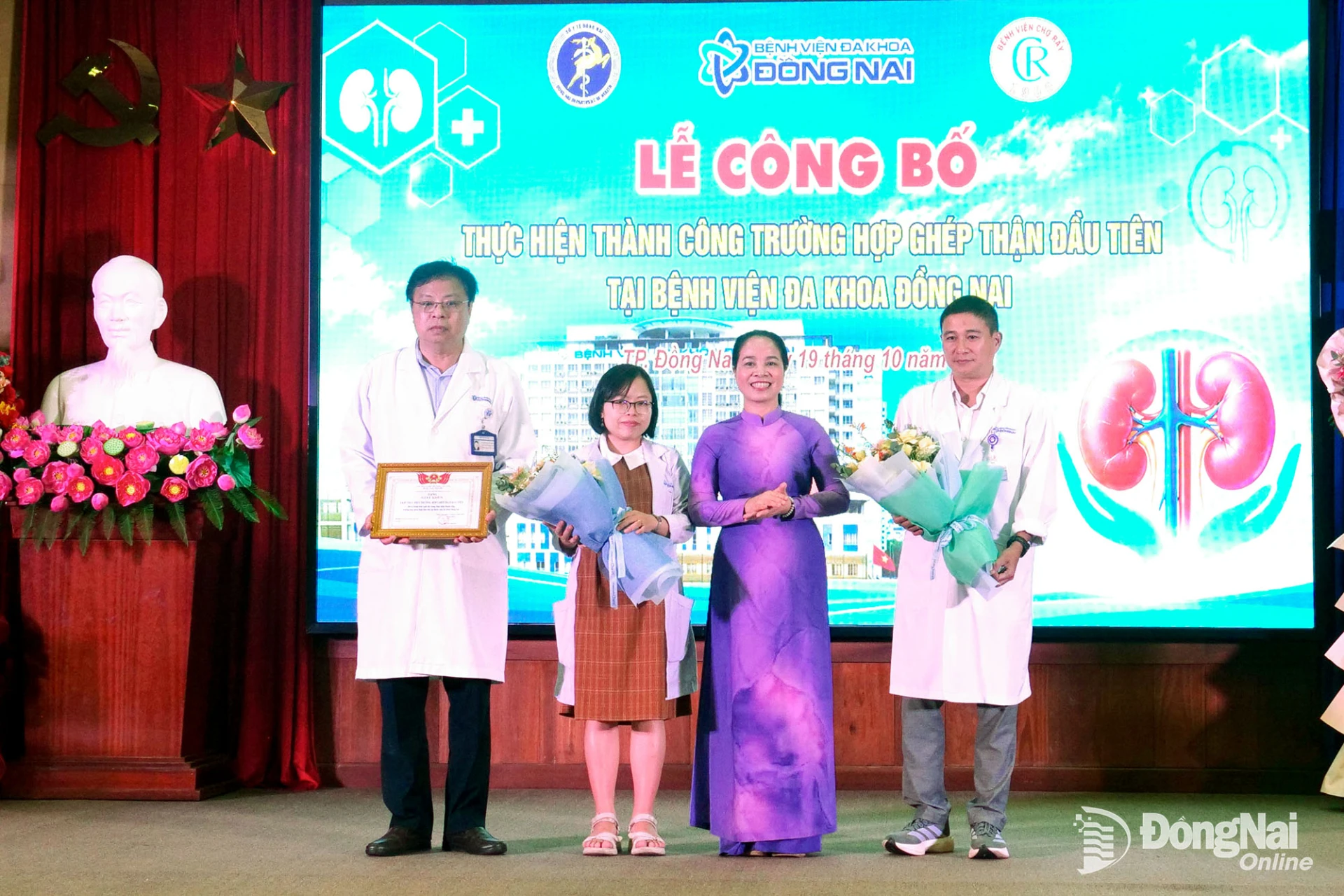
Experts from Cho Ray Hospital played a particularly important role by working directly with the hospital to train medical personnel, provide case consultations, perform donor kidney retrieval and transplantation, administer anesthesia and provide resuscitation care, and monitor patients after surgery. Their support helped ensure that the procedure was carried out in accordance with the planned medical protocols.
According to Dr. Dinh Cao Minh, kidney transplantation is a complex, highly specialized procedure that requires not only surgical expertise but also close coordination among multiple disciplines, including nephrology, surgery, anesthesiology and resuscitation, intensive care, laboratory testing, diagnostic imaging and nursing. In addition, donor and recipient assessments, pre-transplant preparation, postoperative care and long-term monitoring must all follow strict requirements. Therefore, the success of the hospital’s first kidney transplant was more than the outcome of a single operation. It reflected systematic preparation, a commitment to learning, strong organizational capacity and effective teamwork across the hospital.
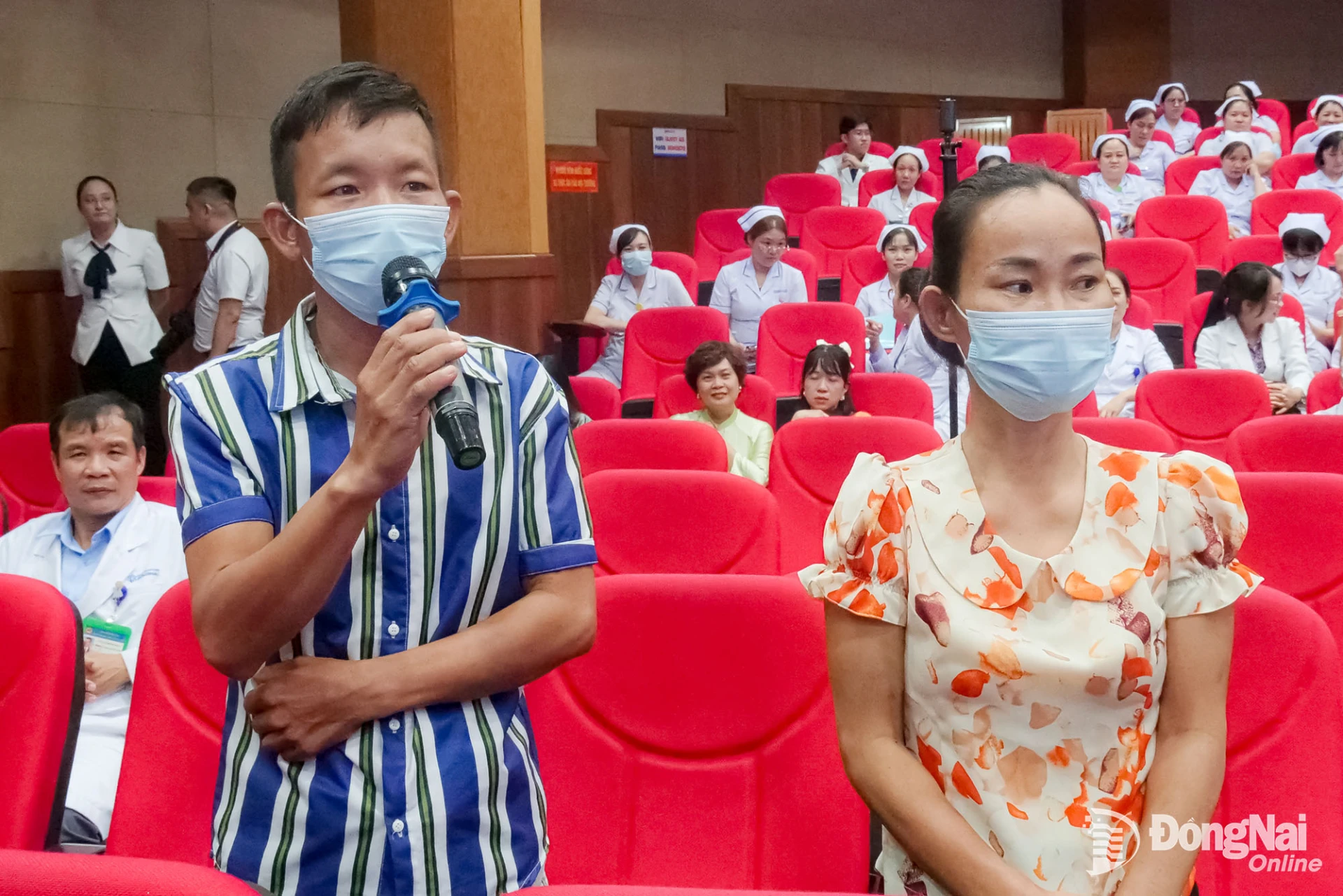 |
| T.H. and her husband, L.P.T., share their experience at the ceremony. Photo: Hanh Dung |
In welcome news for the couple, Dong Nai General Hospital will waive the entire cost of the kidney transplant for the patient's family, with the expenses covered by the hospital and benefactors. At the ceremony, a representative of Vietcombank’s East Dong Nai Branch presented the family with a symbolic cheque for VND50 million.
“There are currently 34 organ transplantation centers nationwide, including 12 in the Southern region. Dong Nai’s successful implementation of organ transplantation is highly significant, allowing local patients to access advanced medical techniques while easing the burden on Cho Ray Hospital and other higher-level hospitals,” said Specialist Level II Doctor Hoang Khac Chuan, Deputy Head in charge of the Urology Department at Cho Ray Hospital.
Expanding life-saving treatment opportunities for patients
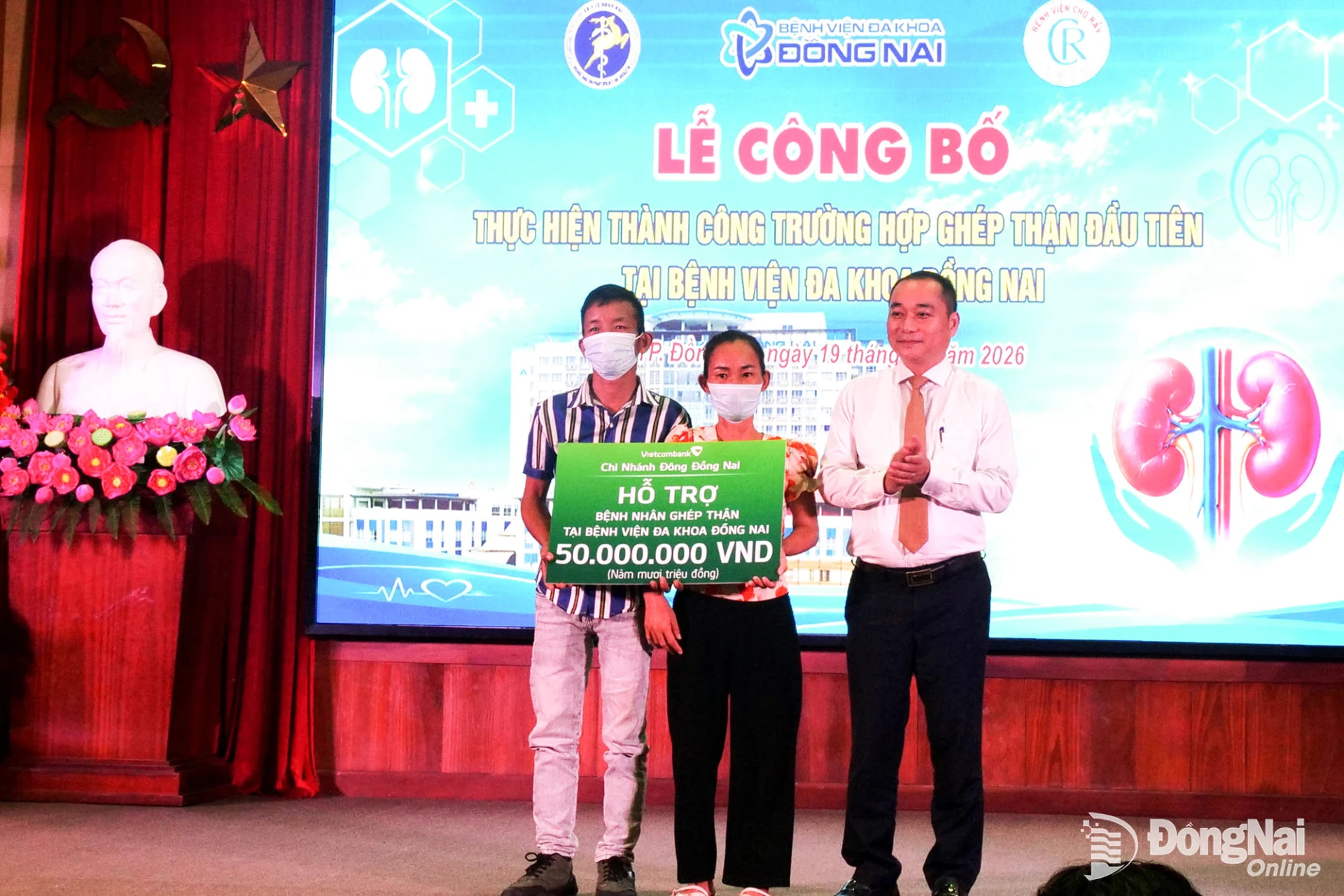 |
| Representatives of Vietcombank’s East Dong Nai Branch present a symbolic donation of VND50 million to T.H.’s family. Photo: Hanh Dung |
While the successful procedure demonstrates the medical team’s professional capabilities, L.P.T.’s decision to donate a kidney to his wife highlights the profound humanitarian significance of this first transplant. For patients with end-stage chronic kidney disease, a kidney transplant offers not only the possibility of better health but also hope for a different life after years of relying on renal replacement therapy.
According to data from the Department of Health, approximately 1,000 people in the city have end-stage chronic kidney disease requiring renal replacement therapy. The number of patients needing hemodialysis continues to increase each year, placing growing demands on the healthcare system to manage chronic diseases and develop advanced treatment options.
For patients undergoing hemodialysis, prolonged treatment substantially affects daily activities, employment and quality of life. They must adhere to dialysis schedules, follow dietary restrictions, control fluid intake and regularly monitor their health indicators. Their families must also devote considerable time, effort and money to supporting them.
For patients who meet the appropriate medical criteria, kidney transplantation can improve quality of life, reduce dependence on regular dialysis and increase the possibility of returning to everyday activities. The introduction of this technique in Dong Nai therefore offers tangible benefits, allowing residents to gradually access specialized medical services locally while reducing the need for long-distance referrals and related expenses.
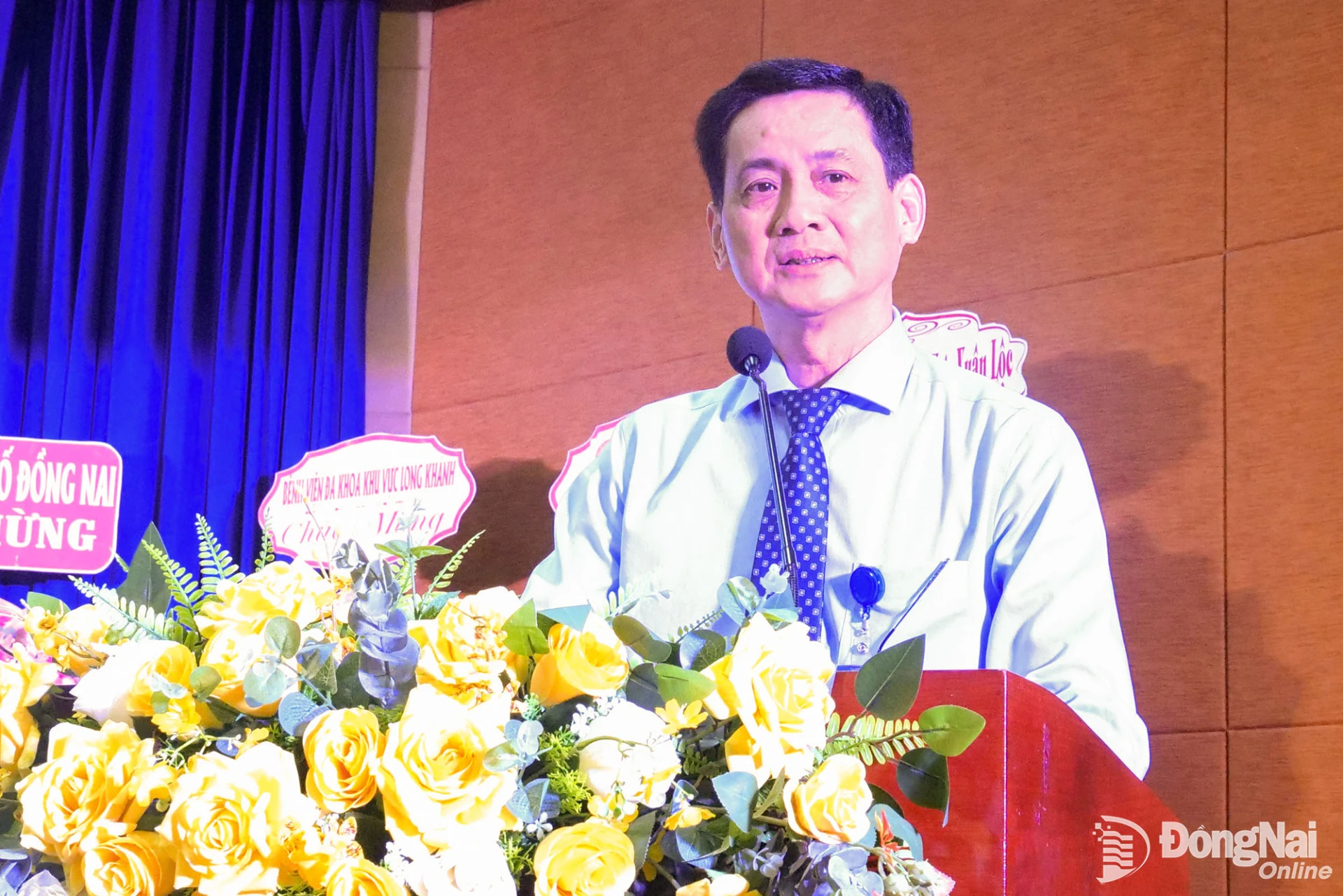 |
| Specialist Level II Doctor Dinh Cao Minh, Deputy Director in charge of Dong Nai General Hospital speaks at the ceremony. Photo: Hanh Dung |
Speaking at the ceremony, Specialist Level II Doctor Do Thi Nguyen, Director of the Dong Nai Department of Health, said Dong Nai General Hospital’s successful completion of its first kidney transplant was a milestone of exceptional importance. It was not only a major achievement for the hospital but also a source of pride for the entire Dong Nai healthcare sector as it worked to improve medical examination and treatment services and gradually master advanced medical techniques. The successful transplant was the result of meticulous preparation, precise coordination, discipline and a strong sense of responsibility among personnel from multiple departments. The director of the Department of Health commended the hospital’s medical team for proactively adopting new techniques, while stressing that strict compliance with professional regulations and the prioritization of patient safety must remain paramount.
The department’s leader also expressed sincere appreciation for the support provided by Cho Ray Hospital and voiced hope that cooperation between the two institutions would continue to be strengthened in a substantive and long-term manner, extending beyond the first kidney transplant to include personnel training, technology transfer and the development of other specialized medical fields.
Dong Nai’s healthcare sector recognizes that this initial success does not, by itself, mean the technique has been fully mastered or can yet be developed sustainably. To make kidney transplantation a routine procedure, the Department of Health has asked Dong Nai General Hospital to review and evaluate the first transplant and standardize professional protocols covering donor and recipient selection and screening, surgery, postoperative care and long-term follow-up. Other decisive tasks include training the next generation of medical personnel, strengthening expertise in related specialties, ensuring adequate supplies of medicines and medical materials, and improving systems for monitoring complications, infections and organ rejection. Every transplant must be performed only when medically indicated, following a comprehensive assessment and with full attention to the rights and safety of both the donor and the recipient.
Dong Nai General Hospital must continue working with Cho Ray Hospital to monitor the recovery of both patients, review the experience gained, refine its procedures and train medical personnel. These steps are essential to turning the success of the first transplant into practical clinical capability and establishing a foundation for safe, stable implementation of the technique in the coming years.
“Alongside the development of advanced medical techniques, hospitals in general need to strengthen early detection and chronic disease management, screen people at risk of kidney disease, and provide timely treatment advice at local healthcare facilities. Combining specialized healthcare with preventive medicine and primary healthcare will help reduce the risk of disease progressing to its end stage and ease the treatment burden on residents,” Dr. Do Thi Nguyen emphasized.
“When I woke up after the transplant, I found that my body no longer ached as it had after dialysis sessions. I would like to express my deepest gratitude to the experts and doctors from Cho Ray Hospital and Dong Nai General Hospital, the Dong Nai healthcare sector and all the benefactors. Above all, I am immensely grateful to my husband, who never hesitated for a moment and was ready to donate one of his kidneys to me, giving me what feels like a new life,” T.H. shared.
By Hanh Dung – Translated by Mai Nga, Minho

Thông tin bạn đọc
Đóng Lưu thông tin