
Part 3: Behind modern machinery lies “human challenge”
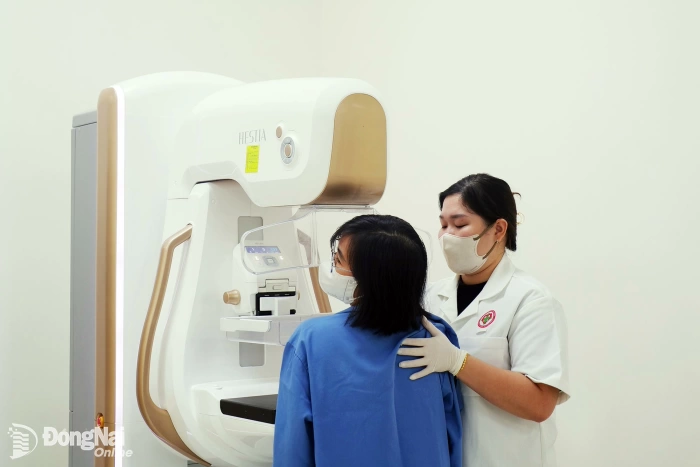
Medical devices such as X-ray machines, CT scanners, digital subtraction angiography (DSA) systems, mammography machines, linear accelerators and modern nuclear medicine systems are opening up new opportunities to improve diagnosis and treatment of diseases, particularly cancer. However, no matter how advanced a machine may be, it cannot by itself create a high-tech healthcare system.
Behind every piece of equipment is a team of skilled personnel, supported by calibration and radioactive source management systems and strict operating procedures.
Continued investment in machinery and equipment
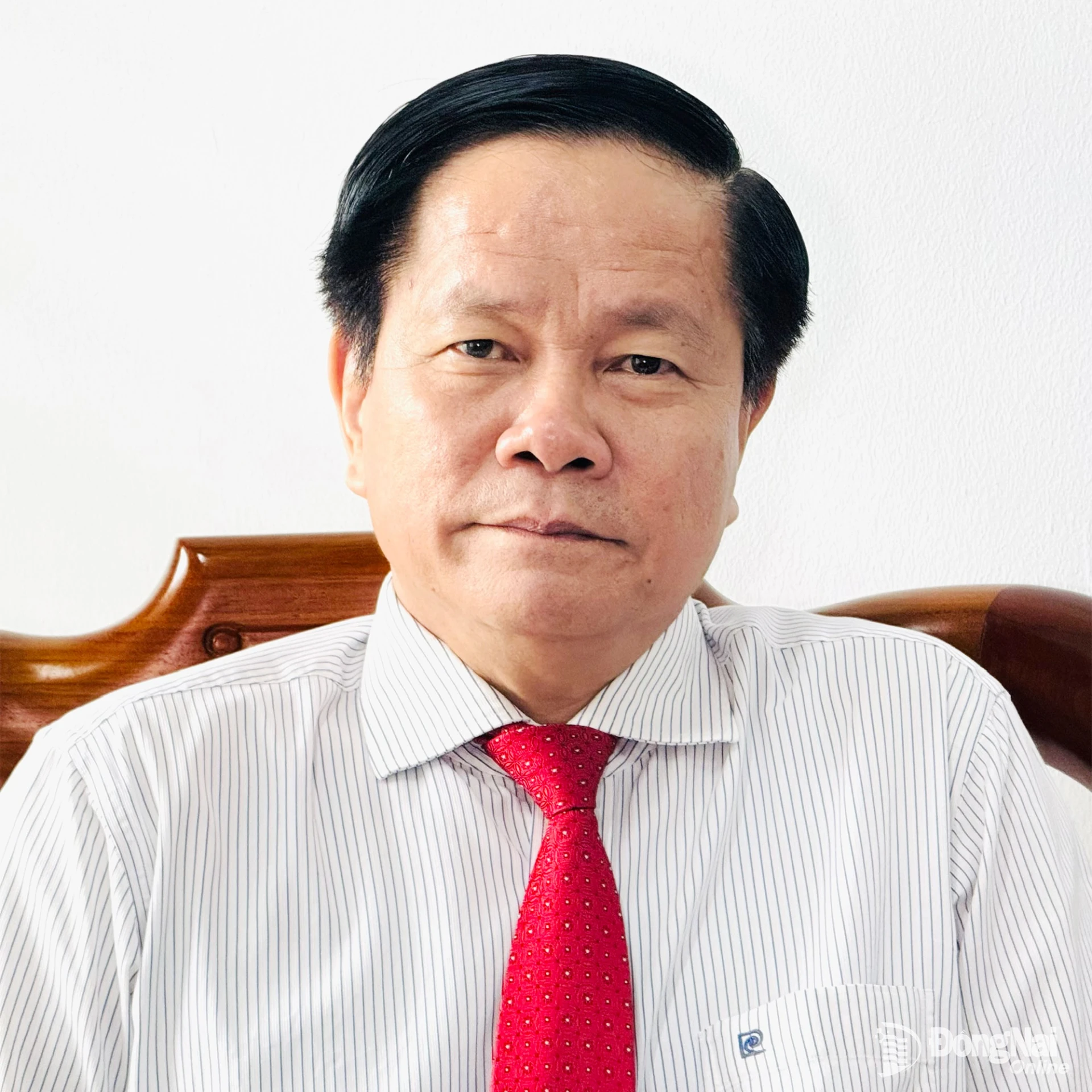
Nguyen Van Binh, Deputy Director of the Department of Health, said that the healthcare sector has proactively advised on and implemented comprehensive investment solutions to synchronize its technological infrastructure. The focus is on developing a chain of equipment ranging from diagnostic imaging, including multi-slice CT scanners and high-capacity MRI systems, to nuclear medicine, including PET, CT and SPECT/CT systems, and radiotherapy, including linear accelerators (LINAC) with dose modulation. Artificial intelligence (AI) and digital transformation in healthcare are also being integrated.
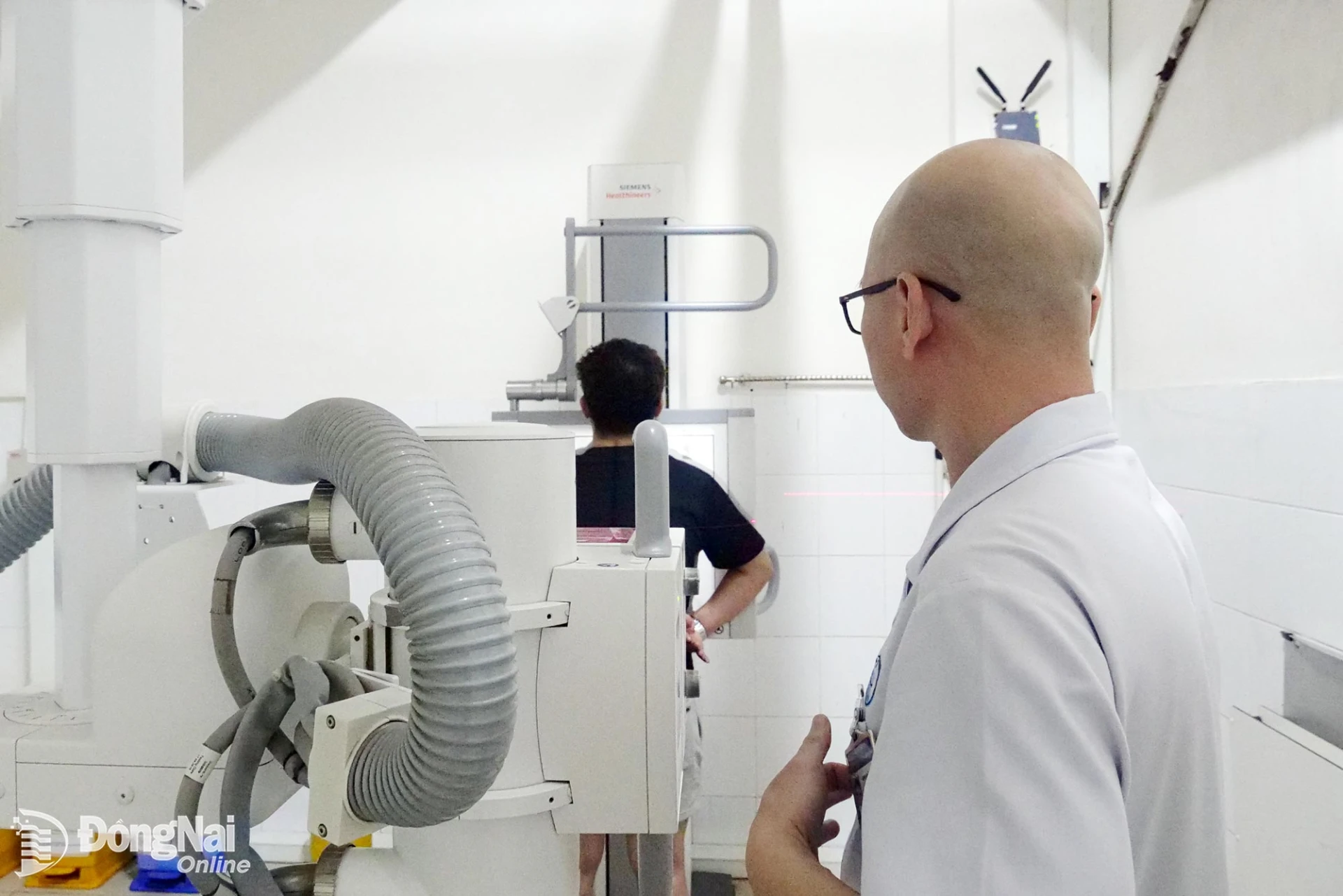 |
| A staff member at Thong Nhat General Hospital performs an X-ray examination on a patient. |
The city’s healthcare sector has identified the need to maintain its achievements while continuing to invest in specialized centers such as the Ear, Nose and Throat Center, Oncology Center and Cardiovascular Center. These centers will be developed into specialized facilities on the campus of Dong Nai General Hospital. The Department of Health has proposed and will continue to propose budget allocations for several modern, high-cost pieces of equipment, including SPECT scanners. Healthcare facilities are also being oriented toward combining nuclear energy applications with AI in diagnosis, treatment and personnel training.
At Dong Nai General Hospital, investment in equipment and machinery has been carried out in several phases. Le Thi Phuong Tram, Specialist Level II Doctor and Deputy Director of Dong Nai General Hospital, said that in 2018, the hospital received a 32-slice CT scanner and a 1.5-Tesla MRI system. In 2024, the hospital was equipped with additional medical equipment, including a digital X-ray system. In cancer care, the hospital currently has two MRI scanners and two CT scanners, along with systems supporting pathological and cytological diagnosis, immunohistochemistry and ultrasound examinations. However, the hospital still needs further investment in specialized equipment for cancer treatment, including a radiotherapy system and a SPECT scanner.
Nguyen Tuong Quang, Specialist Level II Doctor and Director of Thong Nhat General Hospital, said that in terms of diagnostic imaging, the hospital currently has X-ray machines and 32-, 128- and 256-slice CT scanners. To improve diagnostic imaging, the hospital has applied AI to chest X-ray interpretation, helping doctors analyze images and detect very small lesions that can sometimes be difficult to identify with the naked eye. Given the current high patient volume, the hospital plans to invest in another 32-slice CT scanner to meet patients’ needs.
Dr. Duong Thanh Tai, who is in charge of clinical affairs at the Abben Cancer Center of Spencer Hospital in the United States and is a specialist in medical physics and radiotherapy, said that in modern healthcare, investment in high-tech equipment is an important condition for improving the quality of medical examination and treatment. However, the number of machines alone cannot fully reflect the capabilities of a healthcare facility. A radiotherapy system can be purchased and installed within a relatively short period. But putting the equipment into safe and effective operation requires an entire team, together with calibration and quality-control systems, operating procedures and safety-monitoring mechanisms.
People remain the most important “link”
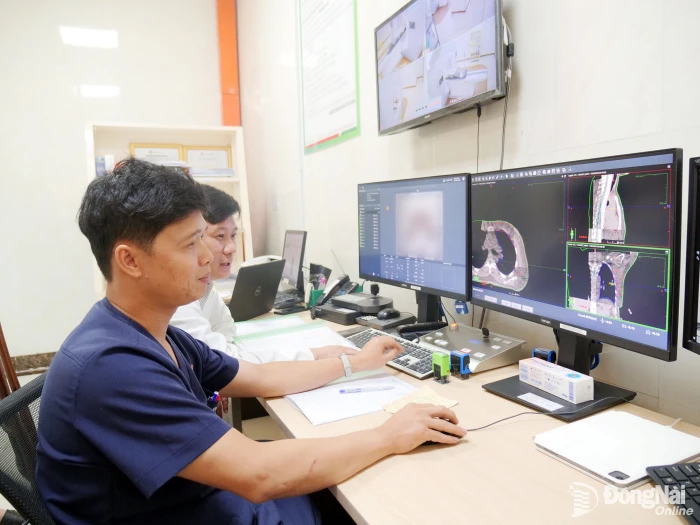
Applying nuclear energy in healthcare, particularly in cancer treatment, requires more than doctors. A complete system needs radiation oncologists, nuclear medicine physicians, medical physicists, technicians, radiation safety specialists, personnel in charge of equipment operation and maintenance, and teams, as well as staff responsible for radioactive waste management. Medical physicists play an important role in calculating, calibrating and ensuring that prescribed doses are delivered accurately and safely. This work requires specialized knowledge and a high degree of precision and cannot simply be replaced by investing in more machinery.
According to Dr. Duong Thanh Tai, medical physicists must ensure that calculation algorithms work correctly, equipment delivers the prescribed output and treatment plans can be implemented accurately and safely for patients. “Machines can be purchased within a few years. But building a strong team and a safe system requires long-term investment,” he said.
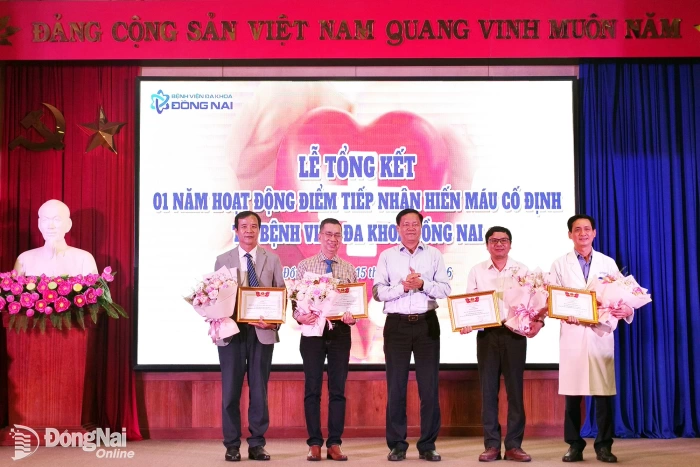
Deputy Director of the Department of Health Nguyen Van Binh added that Dong Nai’s healthcare sector has implemented programs to attract high-quality personnel, particularly specialists in highly specialized fields, nuclear physicists and medical physicists, offering substantial financial support. The sector has also sent teams of doctors, medical physicists and technicians for advanced professional training at major nuclear centers both at home and abroad, enabling them to master the equipment as soon as it is handed over.
Nguyen Tuong Quang, Specialist Level II Doctor and Director of Thong Nhat General Hospital, stressed that technology and AI can perform many tasks but cannot yet replace people. Human remains the decisive factor throughout the process of medical examination and treatment. The hospital therefore pays particular attention to attracting and providing advanced training for doctors, technicians and other healthcare workers.
Radiation safety must be given top priority
Nuclear energy offers major advantages, but if it is not properly understood and appropriate preventive measures are not taken, it can pose health risks. According to Dr. Duong Thanh Tai, as Dong Nai advances the development and application of nuclear energy in healthcare, safety is not an “add-on” to technology but a prerequisite for technology to deliver its full value. When Dong Nai City makes coordinated investments in equipment, human resources, research, training, quality control and safety culture, modern machines can truly become part of the city’s healthcare capacity, delivering long-term and practical benefits to patients.
Deputy Director of the Department of Health Nguyen Van Binh said that to ensure radiation safety, the Department of Health regularly coordinates with the Department of Science and Technology to strictly implement regulations on licensing and equipment safety assessment, as well as periodic inspections of lead-lined rooms and radiation-shielding doors.
Under Plan No. 118/KH-UBND, dated June 26, 2026, issued by the Dong Nai City People’s Committee to implement the Strategy for the Development and Peaceful Application of Nuclear Energy through 2035, with a vision to 2050, the city will establish a scholarship fund from the local budget or socialized sources to support students with household registration in the city who pursue majors related to radiation, nuclear science and environmental law, on the condition that they return to work for city agencies and organizations after graduation.
In addition, 100% of personnel working in radiation environments at healthcare facilities are equipped with personal dosimeters, devices used to monitor radiation doses received by radiation workers or measure radiation background levels in radiation areas. These workers undergo monitoring every three months and strict occupational health examinations. For patients, hospitals apply the ALARA principle, which calls for keeping radiation exposure “as low as reasonably achievable” while ensuring effective diagnosis and treatment. Healthcare facilities using radioactive sources also develop procedures for conducting radiation emergency response drills to prevent leaks and other safety incidents.
“Technological development must always go hand in hand with responsibility for protecting the environment and people. Dong Nai’s healthcare sector will continue building standardized radioactive waste management systems in nuclear medicine departments, ensuring that wastewater from patients who have taken radioactive medicines is properly stored and thoroughly treated to meet safety standards before being discharged into the environment,” Deputy Director of the Department of Health Nguyen Van Binh emphasized.
By Hanh Dung - Translated by Mai Nga, Thu Ha

Thông tin bạn đọc
Đóng Lưu thông tin