
Final part: Toward becoming a hi-tech city
Building on the foundation already established in healthcare sector, the city is moving toward building a nuclear technology ecosystem featuring a research center, a monitoring network and a high-quality workforce.
At the same time, the application of nuclear energy will be expanded to agriculture, environmental protection, logistics, industry and clean energy.
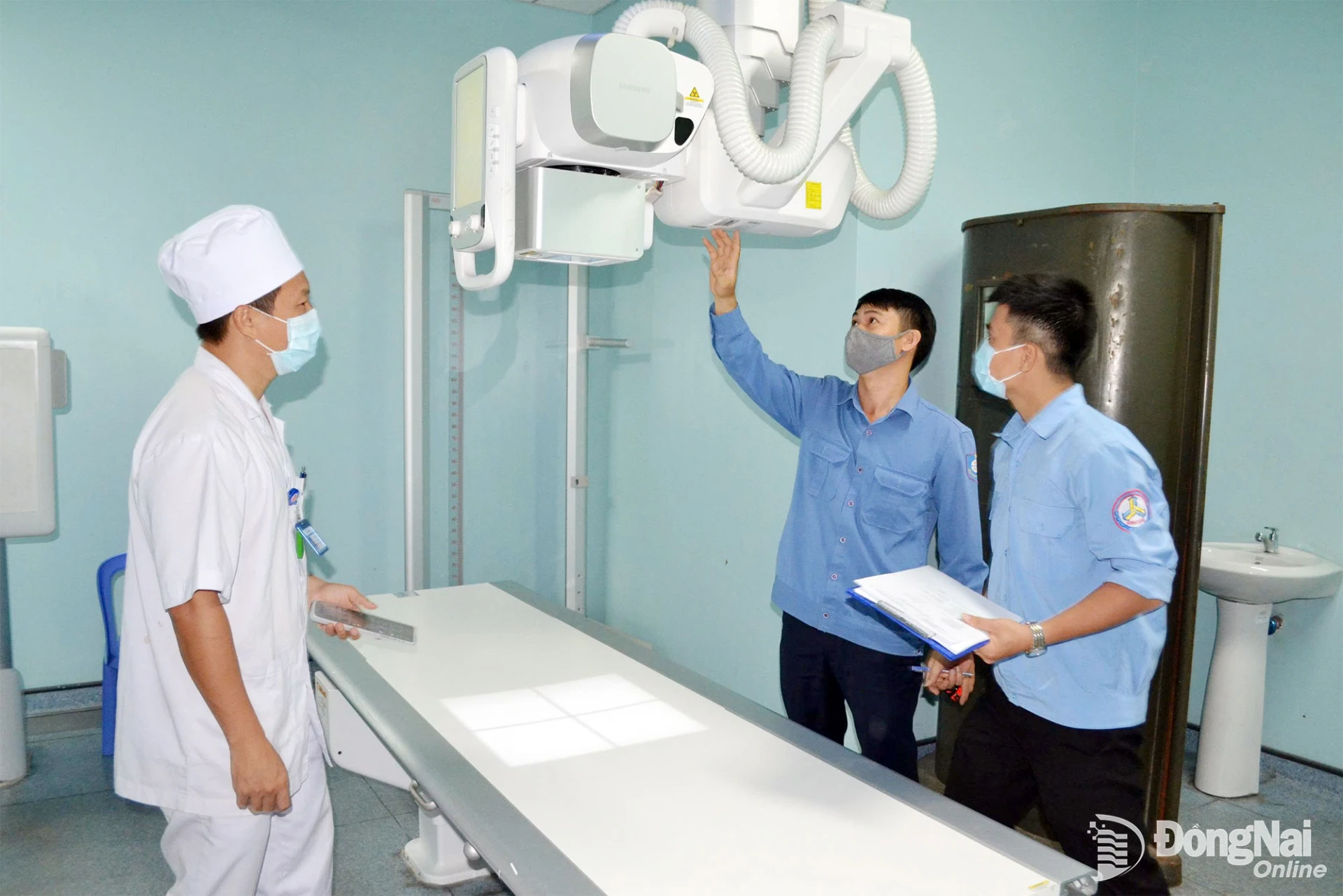 |
| Staff of the Department of Science and Technology inspect an X-ray machine at a hospital in the city. |
Completing the equipment and workforce system
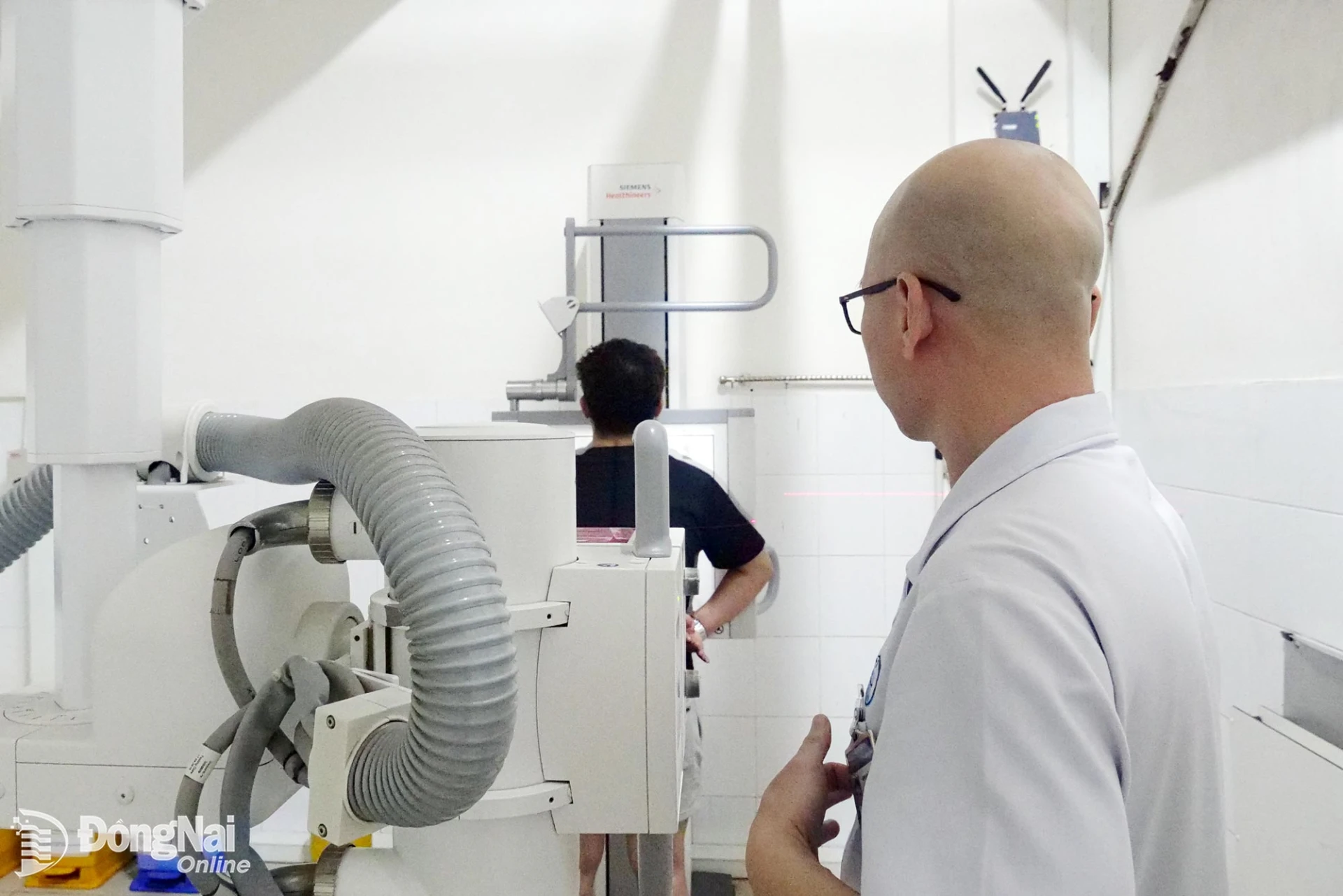
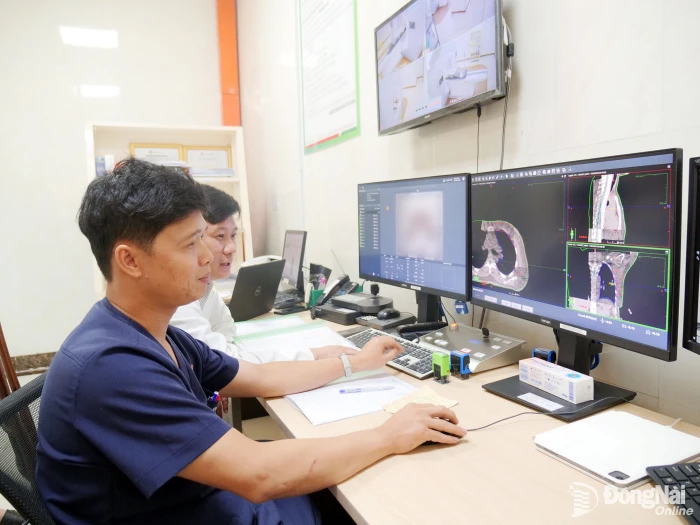
An X-ray can help doctors promptly detect injuries that cannot be seen with the naked eye. CT images can identify the location and characteristics of tumors. Radiopharmaceuticals help assess the functioning of organs in the body, while precisely calculated beams from linear accelerators can be focused on tumors for cancer treatment. These applications show that nuclear energy is no longer a distant concept confined to laboratories, but has become an integral part of modern medicine.
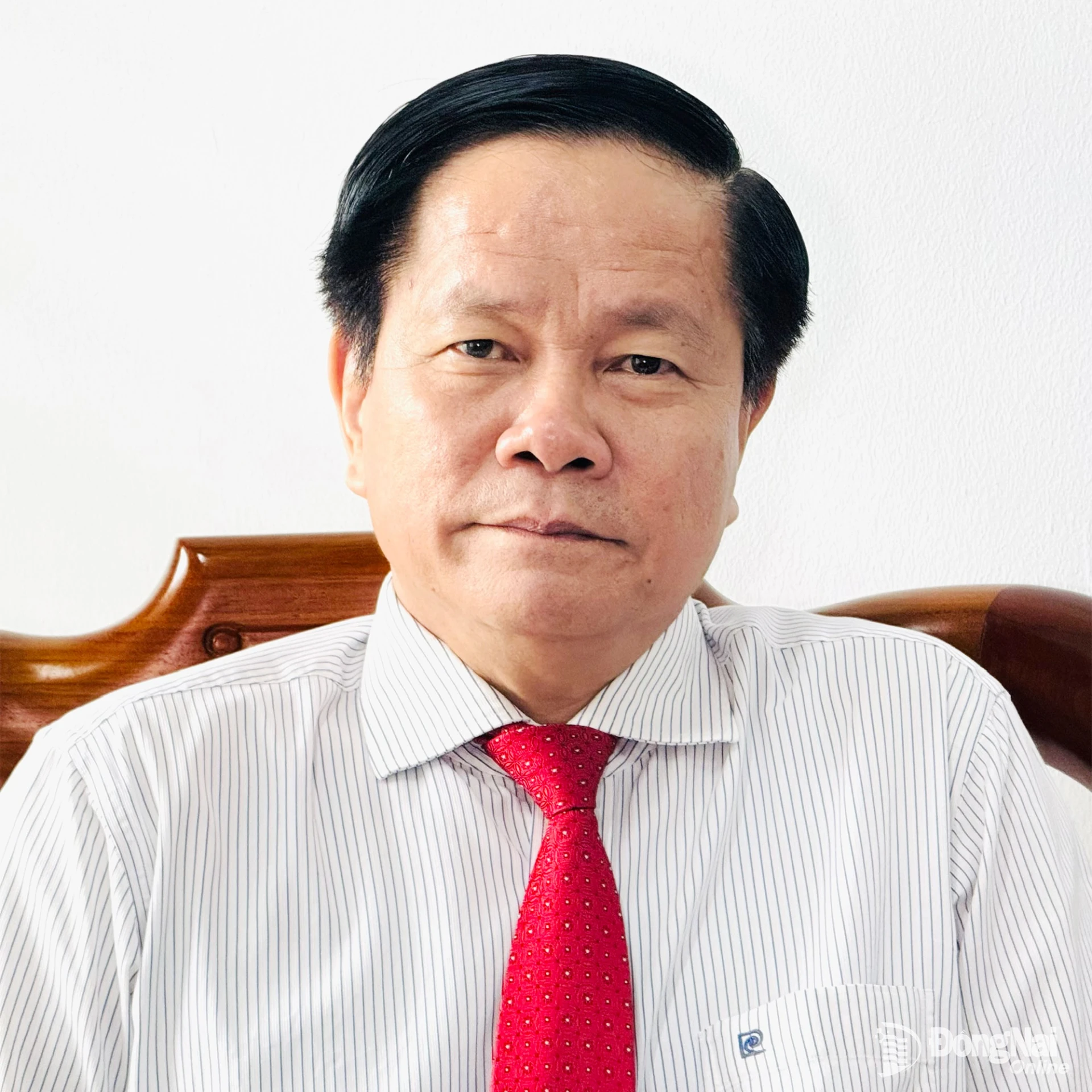
Deputy Director of the Department of Health Nguyen Van Binh said that in the coming period, with the goal of turning Dong Nai into a leading national center for nuclear energy applications, the healthcare sector will focus on several long-term strategies. These include expanding access by bringing advanced diagnostic imaging techniques to regional hospitals, enabling residents in remote and isolated areas to benefit from high-tech medical services. The sector will also strengthen the integration of nuclear energy and artificial intelligence (AI) in diagnostic image interpretation to optimize accuracy and reduce the workload for doctors. At the same time, the city will build a comprehensive Oncology and Nuclear Medicine Center to minimize patient referrals and move toward a modern, safe and sustainable healthcare system.
Dinh Cao Minh, Specialist Level II Doctor, Deputy Director in charge of Dong Nai General Hospital, said that in late July 2026, the city People’s Committee issued a decision approving a plan to reorganize Dong Nai General Hospital under the Department of Health. The plan includes establishing an Ear, Nose and Throat Center under the hospital.
Among the equipment to be invested in at Dong Nai General Hospital will be a linear accelerator system for radiotherapy and radiosurgery. It will be used for curative radiotherapy, hemostatic radiotherapy and palliative radiotherapy for head, face and neck cancers as well as other cancers. The hospital will also receive a SPECT/CT functional imaging system for diagnosing metastases from head, face and neck cancers and other cancers; diagnostic and therapeutic imaging for thyroid cancer and hyperthyroidism; and functional imaging to assess the independent function of each kidney before kidney transplantation. With the addition of these two systems, the hospital’s multimodal cancer treatment — including surgery, chemotherapy, radiotherapy, targeted therapy, immunotherapy and palliative care — will become more integrated.
The goal of mastering technology
On March 16, 2026, the Prime Minister issued Decision No. 438/QD-TTg approving the Strategy for the development and application of atomic energy for peaceful purposes to 2035, with a vision to 2050. The strategy emphasizes a long-term and comprehensive approach to institutions, infrastructure, technology, finance and human resources, with a focus on mastering technology, developing endogenous capabilities and building a highly qualified workforce.
On June 26, 2026, the Dong Nai City People’s Committee issued Plan No. 118/KH-UBND on implementing the Strategy in the city (Plan No. 118).
The city People’s Committee assigned the Department of Health to lead the formulation of a plan for the nuclear medicine and radiotherapy network; advise on a list of high-tech medical equipment to be funded by the city budget; and strictly control radiation safety in medical irradiation for both staff and patients.
In healthcare sector, the city aims to develop a network of medical facilities with an average of 15 CT scanners, 0.5 nuclear imaging systems and 1.1 linear accelerators per million people by 2030, while ensuring safe infrastructure for receiving and using radiopharmaceuticals. By 2035, these targets will be raised to 20 CT scanners and 10 MRI machines per million people. The city also plans to invest in modern equipment, including PET/CT scanners and linear accelerators, for city-level hospitals, while training doctors and medical physics engineers.
Experts say human resources will be one of the decisive factors in successfully implementing the Strategy for the development and application of atomic energy for peaceful purposes. To build a team of experts, officials and technicians capable of coordinating state management of nuclear safety and advising on radiation risks, while ensuring that 100% of officials in charge at management agencies, healthcare facilities and industrial establishments hold radiation safety certificates, by 2035, the city plans to introduce training programs and majors in radiation engineering, nuclear medicine and environmental law at Dong Nai University. It will also attract and retain highly qualified nuclear experts and engineers to live and work in the city.
The human resources development orientation will also be incorporated into the general education system. By 2035, the city plans to introduce extracurricular programs providing basic knowledge of radiation and nuclear science at 100% of educational institutions at primary level and above.
As part of this broader effort, hospitals across the city, particularly the two major specialized hospitals — Dong Nai General Hospital and Thong Nhat General Hospital — have developed plans to train staff and improve workforce quality.
At Dong Nai General Hospital, Dr. Dinh Cao Minh said the hospital has trained two doctors at specialist levels I and II, two engineers — including one master’s degree holder in medical physics and one bachelor’s degree holder in medical physics — and two technicians to effectively operate nuclear energy-based equipment at the Ear, Nose and Throat Center. The hospital will also send additional doctors and technicians for advanced training and recruit other suitable personnel.
Meanwhile, Nguyen Tuong Quang, Specialist Level II Doctor, Director of Thong Nhat General Hospital, said the hospital plans to send staff for training so that it can establish an Oncology Department in the future.
Building the Nuclear Science and Technology Research Center
Under Plan No. 118 of the city People’s Committee, the city aims to closely coordinate with ministries and central agencies to support the completion and safe operation of the Nuclear Science and Technology Research Center in Hang Gon Ward by 2030, while ensuring synchronized infrastructure connections, including roads, electricity and water supply, to serve the project.
Dr. Duong Thanh Tai, in charge of clinical affairs at Abben Cancer Center, Spencer Hospital in the United States, and a specialist in medical physics and radiotherapy, said that if developed in a synchronized manner, the Nuclear Science and Technology Research Center could become one of the key hubs for nuclear technology research, training and applications in the city. In this way, the healthcare sector could shift from primarily being a user of technology to becoming a driver that identifies research questions, conducts testing and applies new technological advances.
Nuclear technology development must go hand in hand with safety. Dong Nai City plans to upgrade its city-level radiation and nuclear incident response plan to cover scenarios in which incidents could spread to the wider community, while organizing annual drills in coordination with specialized Central agencies. The city also aims to establish medical facilities capable of providing specialized treatment for acute radiation syndrome and to strictly manage the treatment and disposal of radioactive waste generated in healthcare and industrial activities.
By Hanh Dung - Translated by Mai Nga, Thu Ha
Thông tin bạn đọc
Đóng Lưu thông tin