
In socioeconomic development, investment efficiency is determined not simply by the amount of state budget funding allocated, but, more importantly, by how effectively that funding is put into use and converted into tangible value.
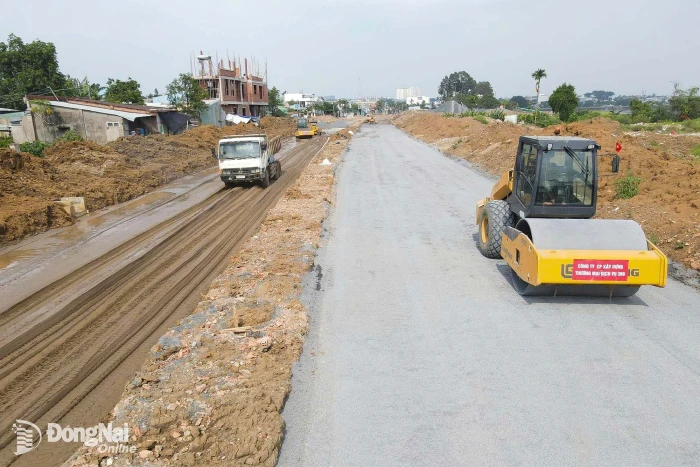
The completion of a transport project can open up new development opportunities, while infrastructure projects delivered on schedule can strengthen connectivity and attract investment. Conversely, when funding has been allocated but disbursement is delayed, development opportunities are put on hold. This is the challenge facing Dong Nai as it makes intensive efforts to accelerate public investment disbursement during the final push of 2026.
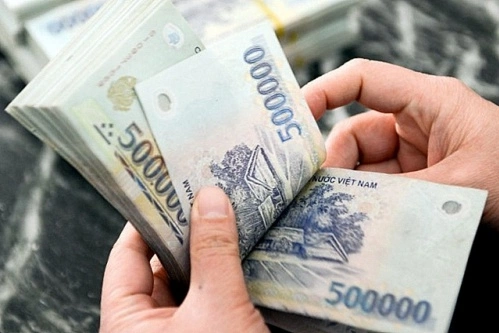
In 2026, Dong Nai has set an economic growth target of 11%, with public investment serving as a key growth driver. By the end of October, the city had disbursed more than VND19.7 trillion, equivalent to over 76% of its adjusted capital allocation. This is the highest rate recorded in the past six years, but it still falls short of requirements. Achieving a disbursement rate of 90% in November and completing 100% of the annual plan by the end of 2026 will therefore require tremendous effort and determination from the entire political system, as well as the concerted efforts of residents, agencies, relevant units and project investors.
The city has identified several reasons for delays in public investment disbursement, including the handover of investment project files following administrative restructuring, adverse weather conditions and rising material prices. There are also subjective factors, such as a lack of decisiveness in addressing work-related issues, inadequate coordination and a tendency to avoid responsibility. At meetings with project investors and relevant departments and agencies, Nguyen Van Ut, Deputy Secretary of the City Party Committee, Chairman of the City People’s Committee, has repeatedly emphasized the need to clearly define the responsibilities of each agency, unit and head of organization. Accordingly, every project must have a specific schedule, every obstacle must be assigned to a responsible unit for resolution, and every task must have a deadline. Work must not be allowed to stall without clear accountability or a defined timeframe for resolution.
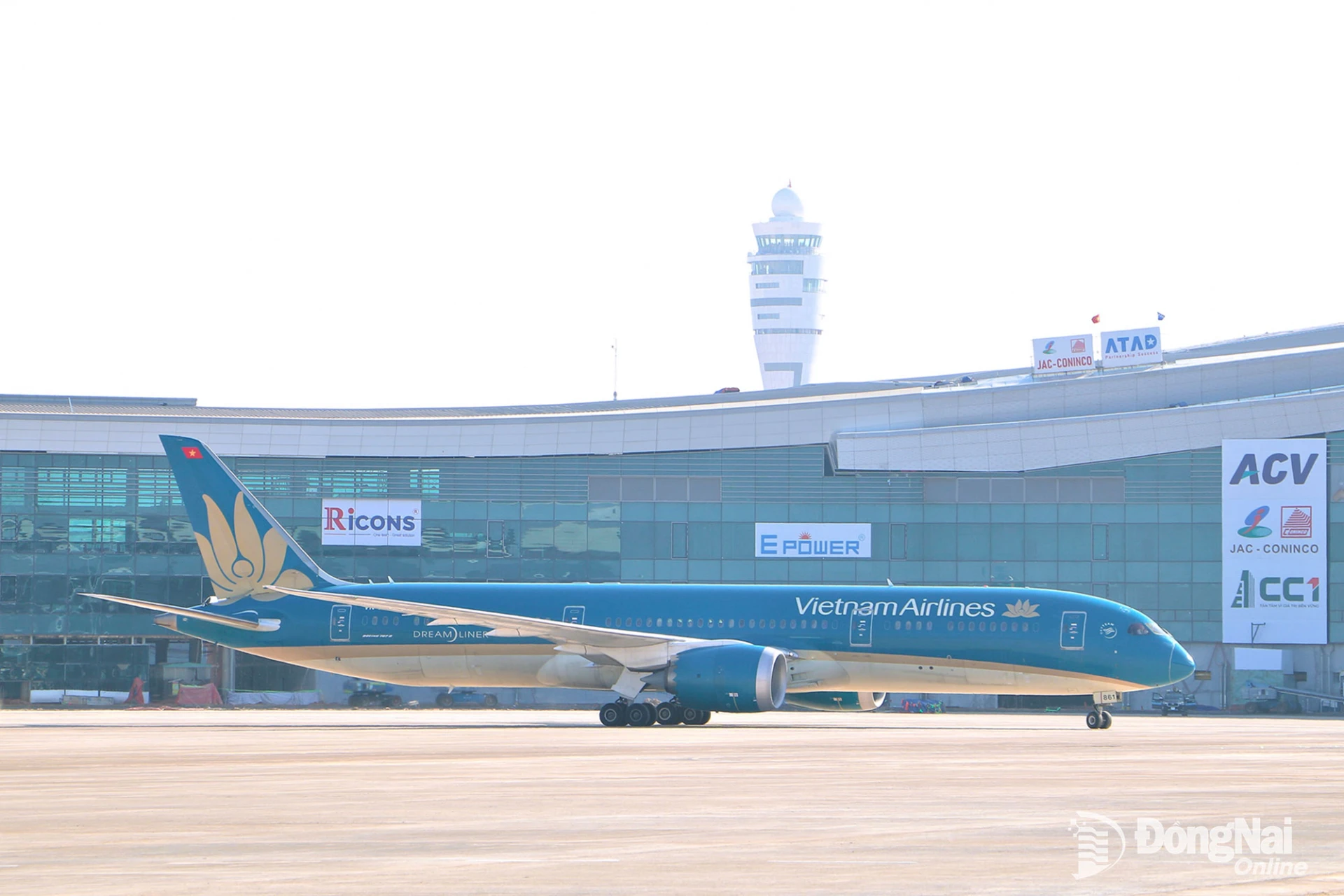
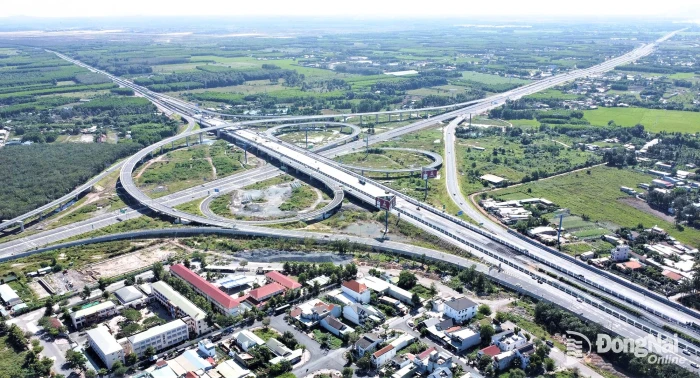
As a major city and one of the country's leading industrial centers, Dong Nai has considerable advantages in becoming an important growth pole. Realizing this goal requires substantial public investment to implement strategic infrastructure projects. State budget funding will help develop an integrated infrastructure network, strengthen regional connectivity, expand urban development space and attract investment. Alongside sufficient funding and appropriate mechanisms, the city must ensure that disbursement keeps pace with project schedules so that development opportunities are not missed.
Accelerating implementation does not mean pursuing achievements for their own sake. Disbursing 100% of the allocated capital is a target, but pressure to meet deadlines must never come at the expense of construction quality, legal compliance or the effective use of public funds. The true value of public investment is demonstrated by completed projects, their effective operation, the new development opportunities they create and the tangible benefits they deliver to residents and businesses.
There is not much time left between now and the end of 2026. Disbursement performance is also a measure of the accountability and organizational capacity of the entire system. Putting public investment capital into use at the right time and for the right purposes, while ensuring quality and efficiency, is therefore essential to turning budgetary resources into a driving force for development and laying the foundation for Dong Nai to accelerate growth and pursue sustainable development.
By Ban Mai - Translated by Mai Nga, Thu Ha
Thông tin bạn đọc
Đóng Lưu thông tin