
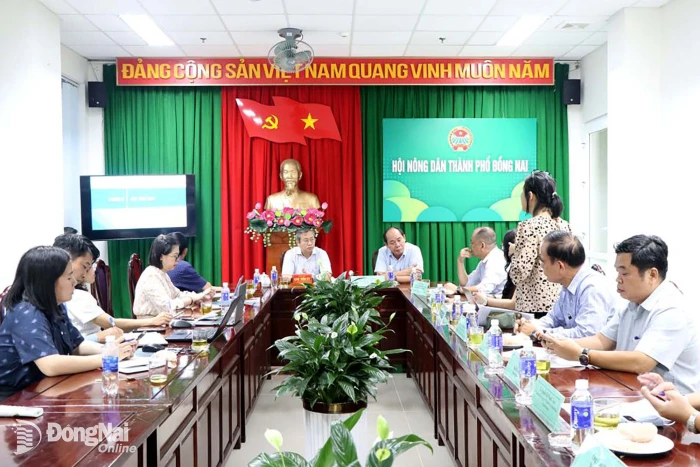
On the afternoon of October 30, as part of the DIGIFEST Dong Nai 2026 event series, the Steering Board for the Development of Science and Technology, Innovation and Digital Transformation of Dong Nai City held a panel discussion on Strategy and positioning of Dong Nai City in shaping its future development pillars.
 |
| Nguyen Van Ut, Deputy Secretary of the City Party Committee, Chairman of the Dong Nai City People’s Committee, speaks at the panel discussion. Photo: Hai Quan. |
The event was chaired by Nguyen Van Ut, Deputy Secretary of the City Party Committee, Chairman of the Dong Nai City People’s Committee, Standing Deputy Head of the Steering Board; Le Truong Son, Member of the Standing Committee of the City Party Committee, Vice Chairman of the City People’s Committee, Deputy Head of the Steering Board; and Assoc. Prof. Dr. Hoang Huu Hanh, Deputy Director of the National Digital Transformation Agency under the Ministry of Science and Technology.
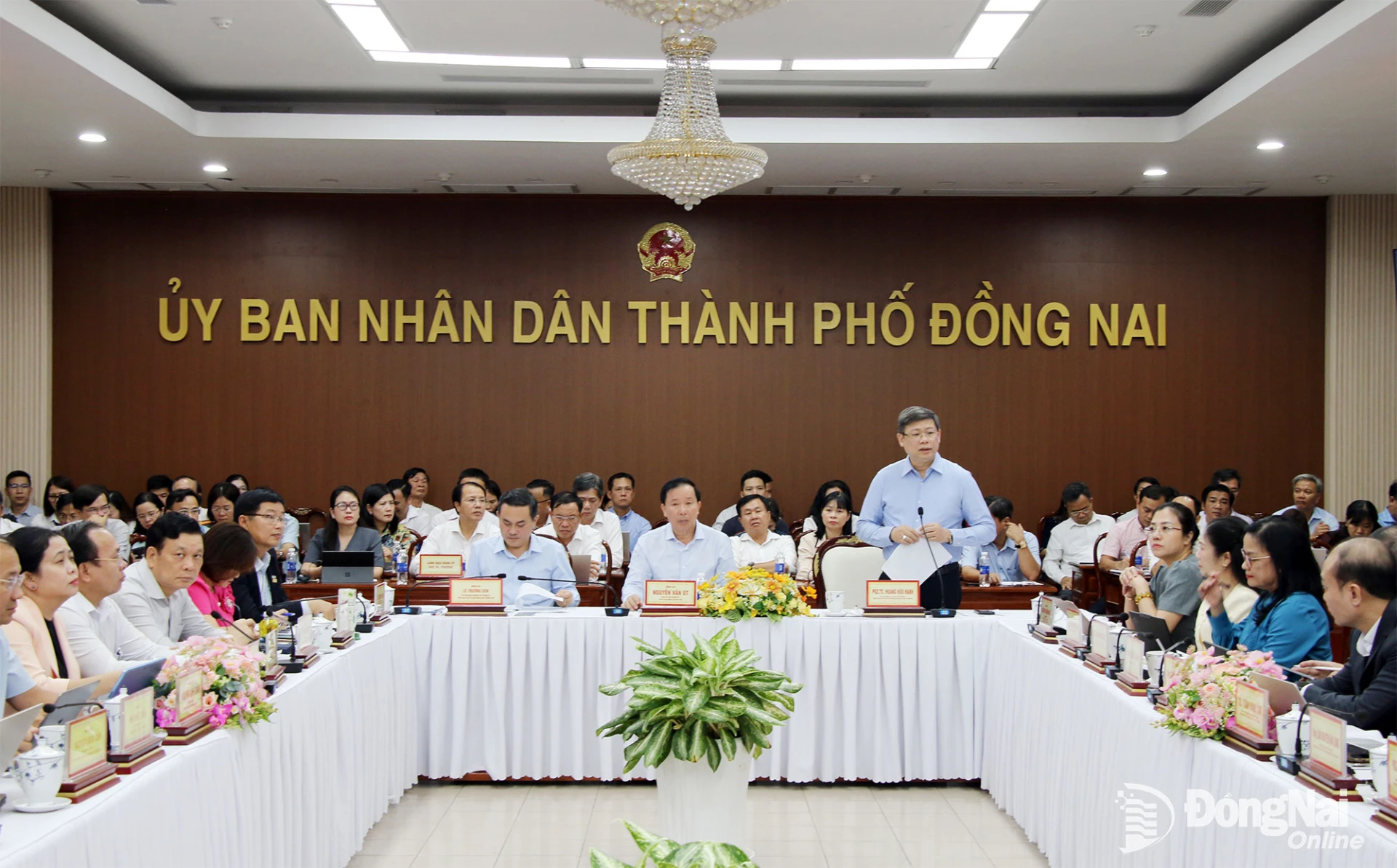 |
| Assoc. Prof. Dr. Hoang Huu Hanh, Deputy Director of the National Digital Transformation Agency under the Ministry of Science and Technology, moderates the panel discussion. Photo: Hai Quan. |
Attendees included Members of the Standing Committee of the City Party Committee, Members of the City Party Committee's Executive Committee, representatives of city departments, agencies and local authorities, experts, scientists, members of Dong Nai City's Socioeconomic Advisory Group, and members of the Expert Advisory Council on orientations for the development of science and technology, innovation and digital transformation through 2030 in Dong Nai City.
Identifying key priorities
In his opening remarks, Le Truong Son, Member of the Standing Committee of the City Party Committee, Vice Chairman of the City People’s Committee, said the city hoped that the analyses, assessments and proposals presented at the panel discussion would help clarify development directions, tasks and implementation solutions. The discussions were also expected to strengthen coordination among state management agencies, experts, research institutes, universities and the business community in turning development goals into reality.
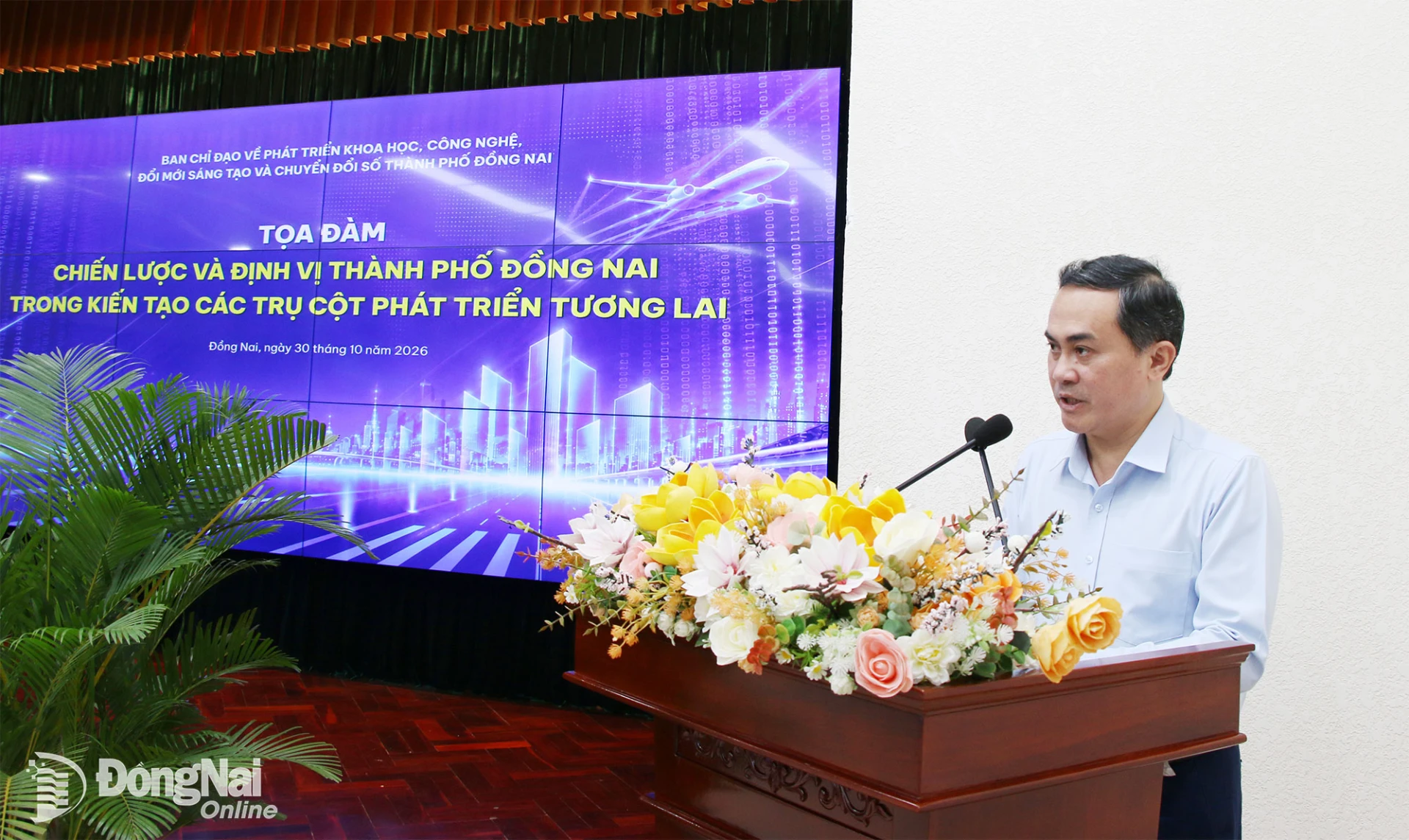 |
| Le Truong Son, Member of the Standing Committee of the City Party Committee, Vice Chairman of the City People’s Committee, delivers the opening remarks. Photo: Hai Quan. |
The Vice Chairman emphasized that the panel discussion would focus on three key areas. First, based on the current situation and survey findings, the city needs to identify priority challenges requiring resolution. Second, it must select models, solutions and implementation roadmaps that are suited to local conditions. Third, effective mechanisms must be established to connect research institutes, universities and businesses, ensuring that the advisory opinions and proposals put forward at the event can be translated into concrete dossiers, programs and products with practical applications.
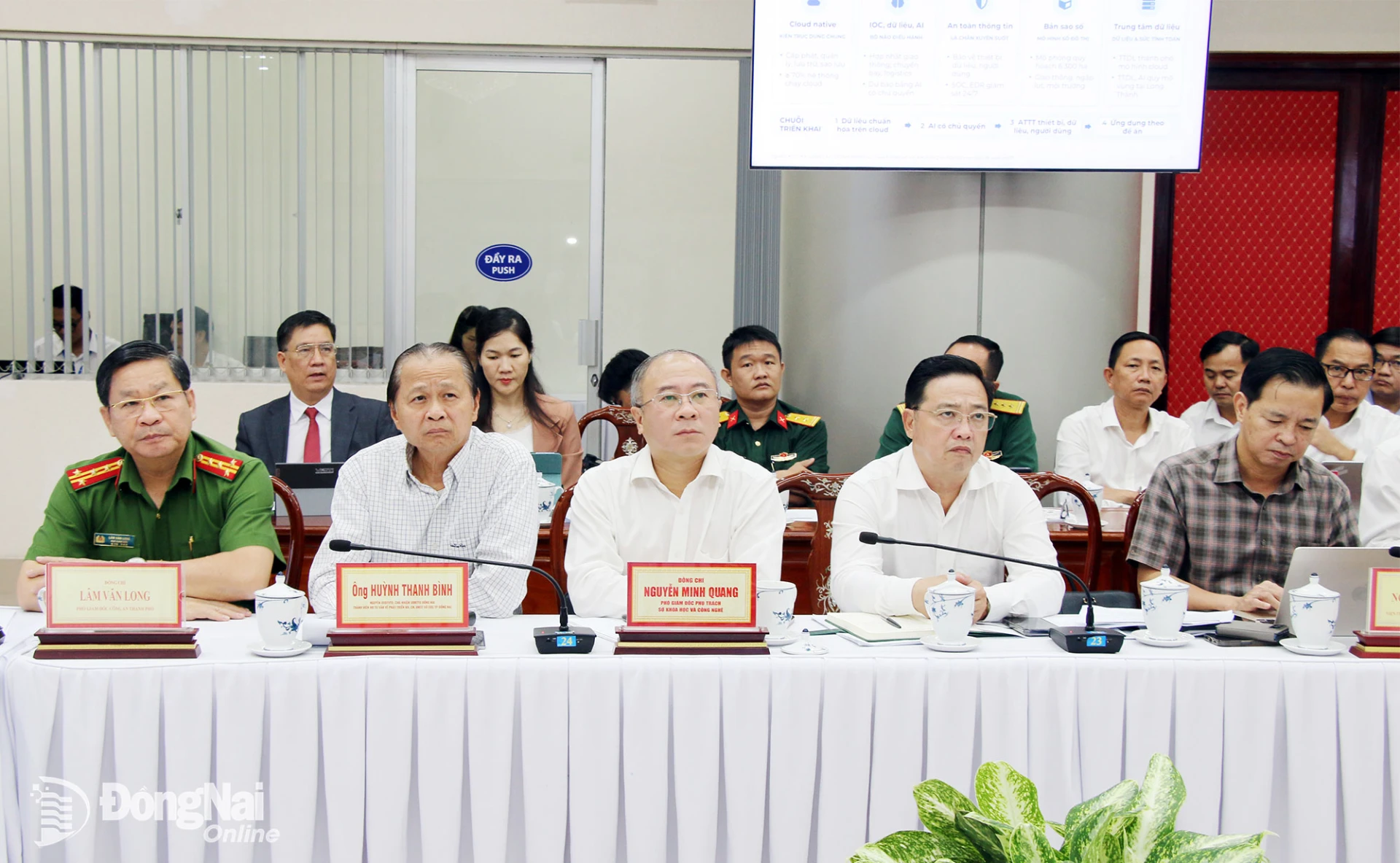 |
| Delegates attend the panel discussion. Photo: Hai Quan. |
Prioritizing sustainable development solutions
At the event, experts, scientists, representatives of major corporations, technology businesses and relevant units presented papers and discussed priority frameworks, focal points and benchmarks for two key themes: the airport city model and destination branding linked to the digital economy. These themes are built around three pillars: the destination economy, technology industries and high-value agriculture, underpinned by science and technology, innovation and digital transformation.
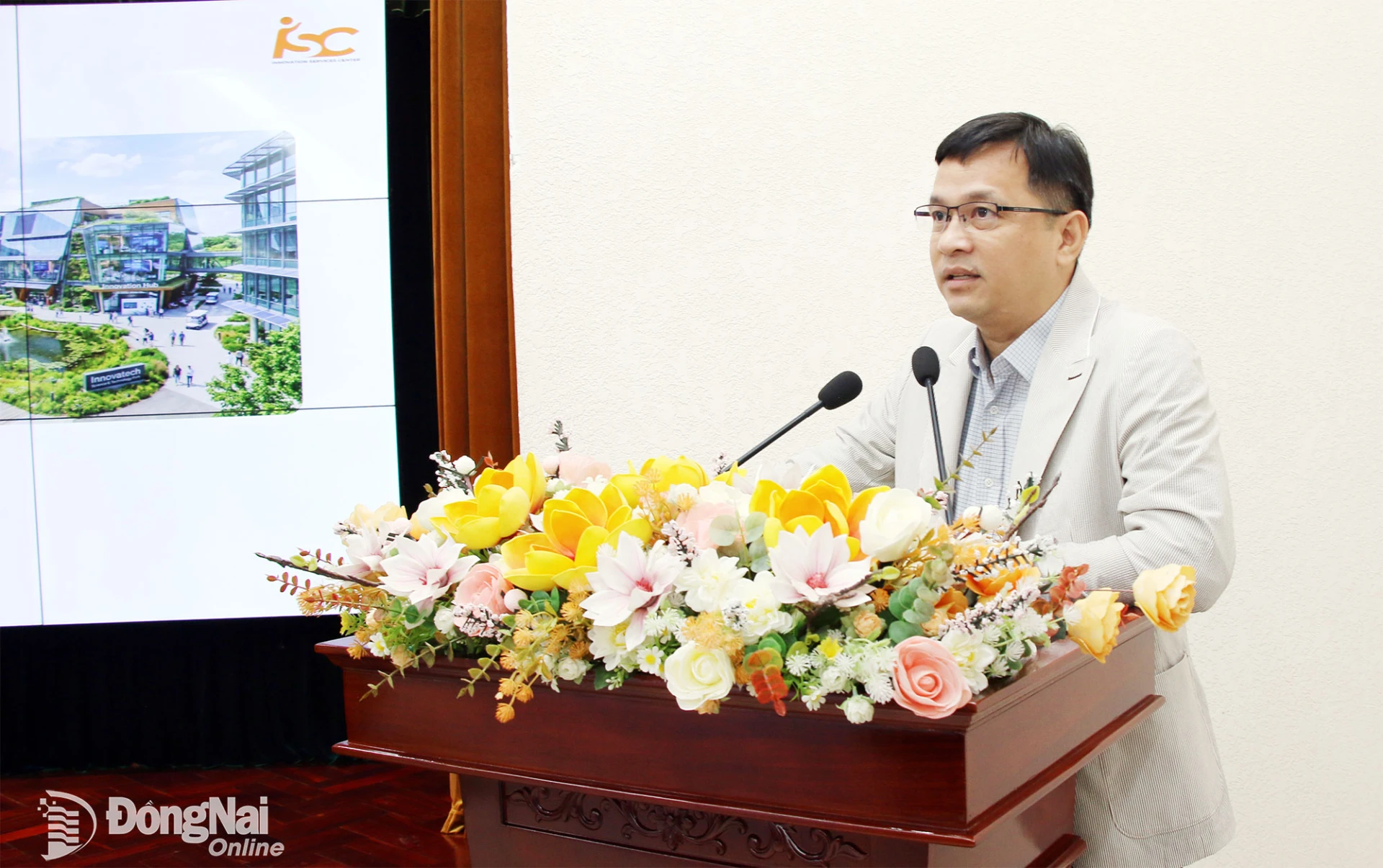 |
| Lam Nguyen Hai Long, Chairman of the Ho Chi Minh City Computer Association, presents a paper at the panel discussion. Photo: Hai Quan. |
Other topics included airport city development; airport–seaport connectivity and logistics; digital finance and carbon credits; artificial intelligence (AI) services, data centers and industrial investment; the brand economy and destination economy; products, cultural industries and tourism; and the role of digital technology parks.
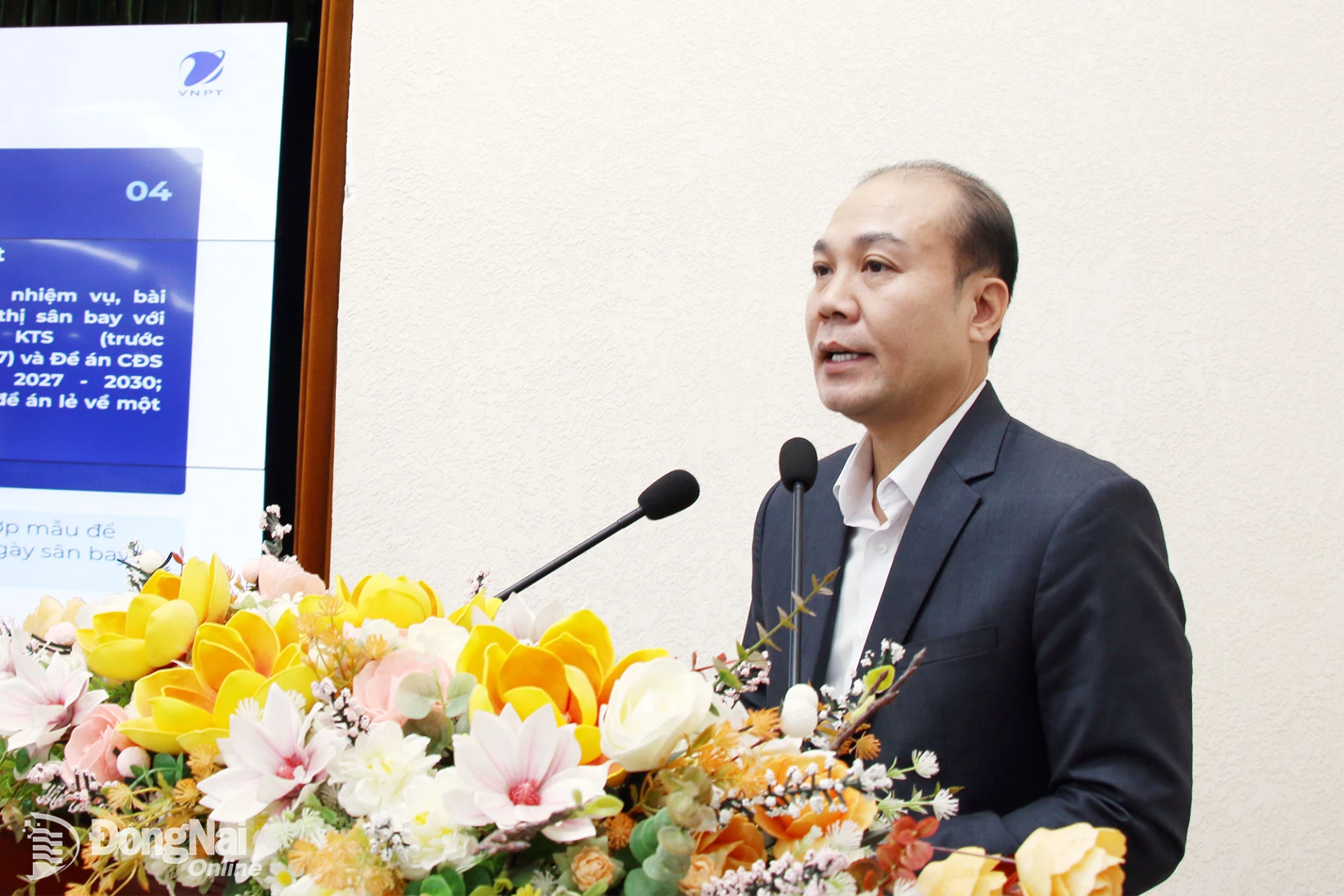 |
| Pham Huy Hoang, General Director of VNPT-IT, shares his views at the event. Photo: Hai Quan. |
In his concluding remarks, Nguyen Van Ut, Deputy Secretary of the City Party Committee, Chairman of the Dong Nai City People’s Committee, expressed his appreciation for the dedicated, responsible and practical contributions made by experts and scientists. He asked the Department of Science and Technology, the Office of the City People’s Committee and relevant departments, agencies and units to fully compile the opinions, proposals and solutions presented at the panel discussion, conduct further research and advise on translating them into appropriate tasks, programs and plans for implementation in the coming period.
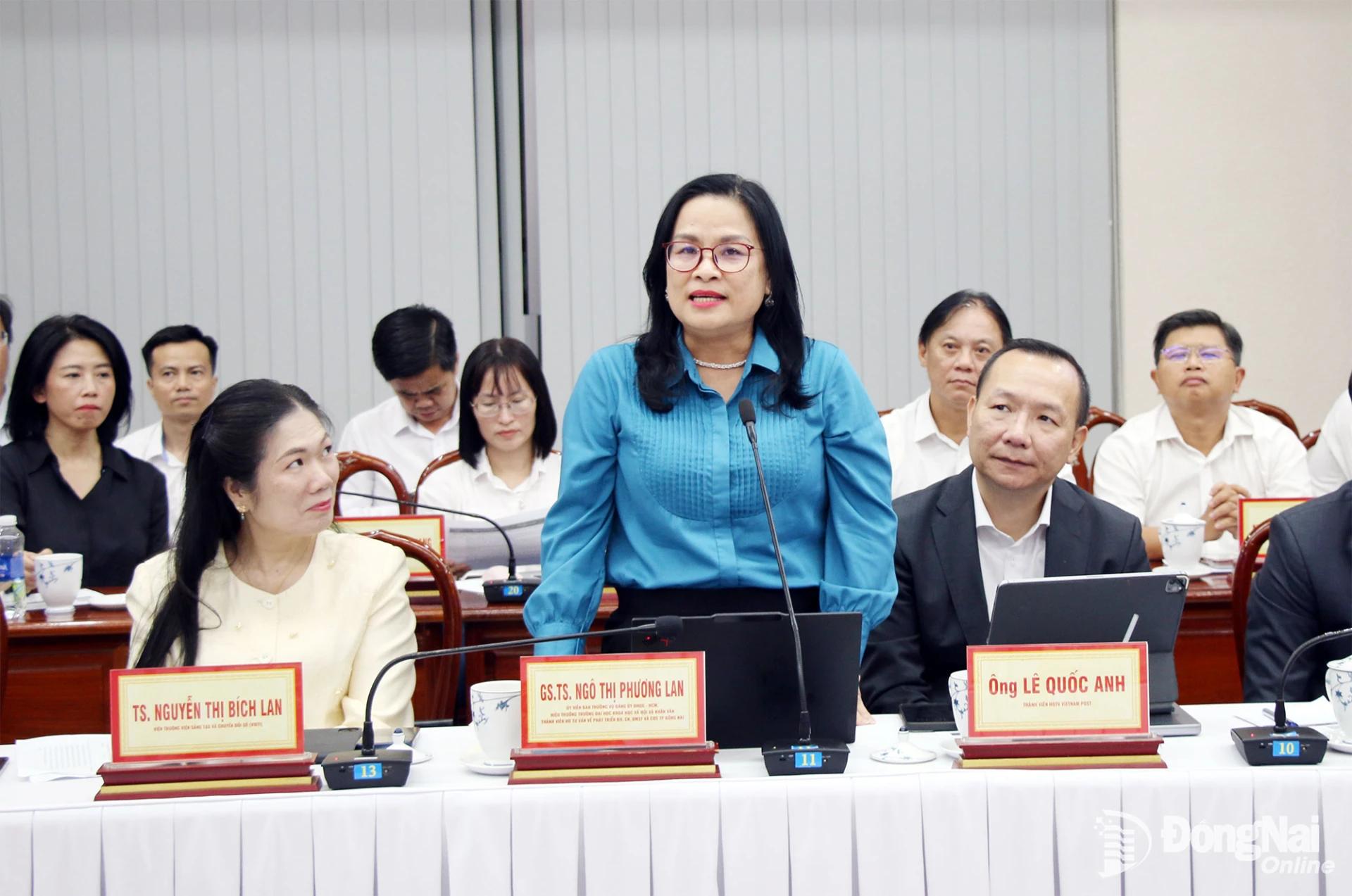 |
| Prof. Dr. Ngo Thi Phuong Lan, Rector of the University of Social Sciences and Humanities under Vietnam National University Ho Chi Minh City, member of Dong Nai City's Socioeconomic Advisory Group, shares her views at the seminar. Photo: Hai Quan. |
Chairman Nguyen Van Ut emphasized that Dong Nai needed to transform its growth model to reflect its new position, associated with the planned reorganization of urban space on a larger scale. Regarding new development drivers, the city identifies science and technology, innovation and digital transformation as cross-cutting priorities in governance, administration and socioeconomic development. Dong Nai will focus on developing digital government, improving governance efficiency, reforming administrative procedures and making public services more accessible to residents and businesses. At the same time, the city will promote the green economy and digital economy and encourage technology applications across industries and sectors.
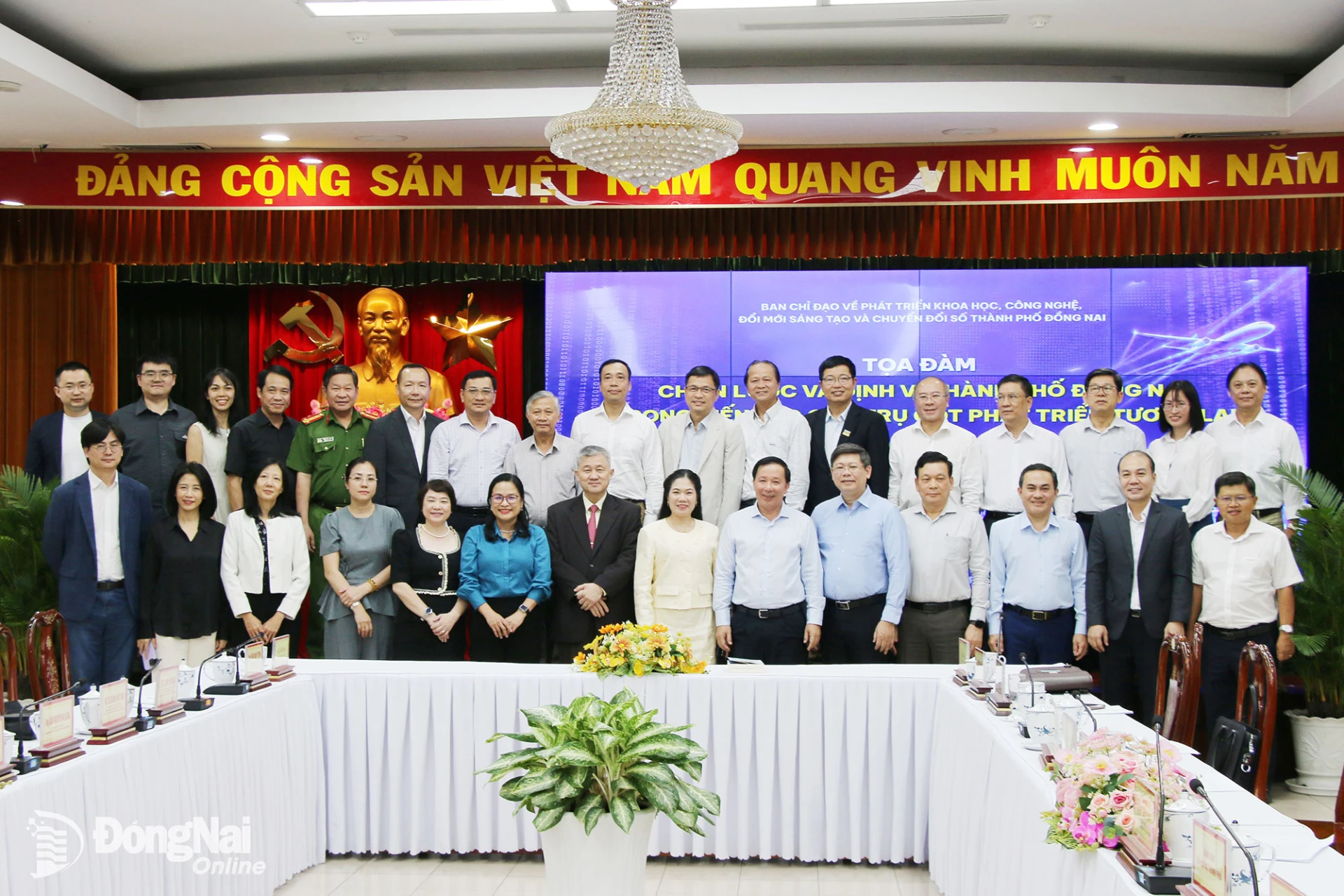 |
| Delegates pose for a commemorative photograph at the conclusion of the panel discussion. Photo: Hai Quan. |
Chairman Nguyen Van Ut affirmed that, given its scale, stature and new development objectives, Dong Nai needs the continued partnership, support and advice of experts, scientists, research institutes, universities and the business community. He stressed that the contributions made at the event should not remain theoretical. They must undergo further study and be translated into specific, feasible solutions that address the city's practical needs. Dong Nai hopes to continue receiving the intellectual contributions, experience and resources of specialists and scientists to work with the city in realizing its development goals in the new period.
By Hai Quan - Translated by Mai Nga, Thu Ha

Thông tin bạn đọc
Đóng Lưu thông tin