
Total social investment capital in Dong Nai City reached nearly VND143 trillion in the first nine months of 2026, up nearly 11.8% year on year. In the third quarter alone, the figure reached nearly VND52 trillion, an increase of more than 14.7% from the same period last year. Notably, 72.5% of this investment came from domestic private enterprises and foreign-invested enterprises, which are becoming major resources for socio-economic development.
During the first nine months of the year, state investment capital reached nearly VND39.4 trillion, while non-state capital exceeded VND53.3 trillion and foreign direct investment (FDI) capital topped VND50.2 trillion. This capital structure is particularly significant for Dong Nai as the city pursues ambitious growth targets. The state budget alone is insufficient and should not be relied upon as the main source of capital for generating new production capacity.
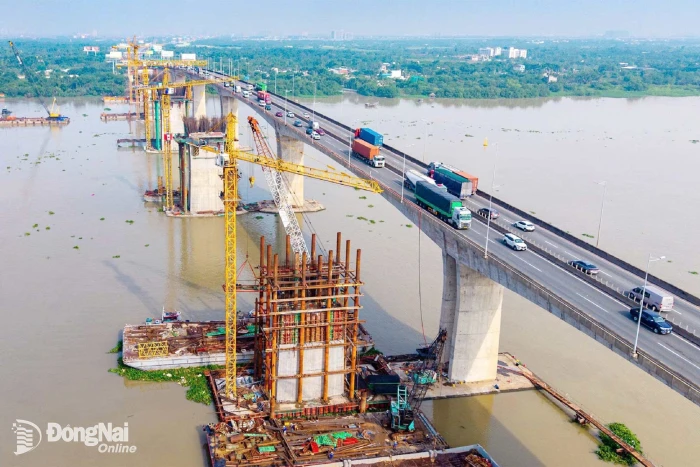
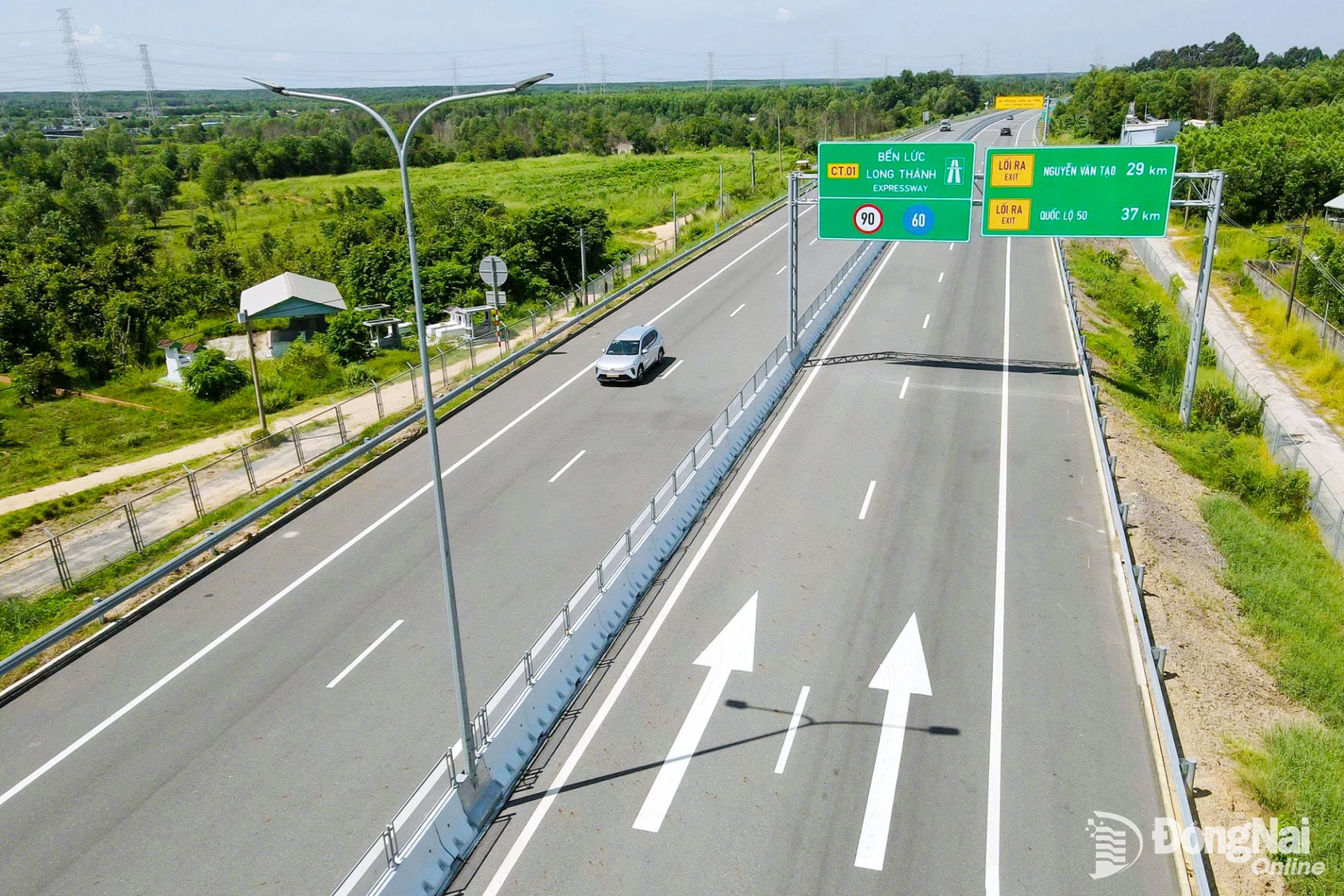
Notably, state investment in the third quarter of 2026 increased by more than 18.6% year on year, outpacing growth rates of both domestic private and FDI enterprises. This shows that public investment continues to “pave the way”, particularly in transport infrastructure, urban development and projects that create new development space. Once infrastructure is developed in a coordinated manner, logistics costs, the cost of accessing land and the time required to transport goods can all be reduced, thereby making the city more attractive to private capital.
However, public investment can only deliver its full impact when it creates momentum for socio-economic development. Dong Nai needs policies to better attract domestic and foreign investment. Domestic capital, particularly from the private sector, should be regarded as an important driver for expanding the city’s economic scale. In the first nine months of 2026, Dong Nai attracted more than VND53.3 trillion in private-sector investment, up nearly 14.7% year on year. This result indicates that the sector still has considerable room for growth.
To attract more private capital, Dong Nai must give businesses confidence that projects can be implemented quickly and with limited legal risks. This requires addressing bottlenecks related to land, planning, investment procedures, construction, the environment and infrastructure connectivity on a project-by-project and sector-by-sector basis.
Dong Nai has many advantages, including Long Thanh International Airport, nearly 90 planned industrial parks and economic zones, and a well-connected transport network. The city has also developed a list of investment projects in various fields, including industry, trade and services, logistics, urban development and tourism, to attract businesses. What businesses need, however, is the ability to implement projects quickly, from site clearance and administrative procedures to construction.
For Dong Nai, attracting more FDI capital alone is not enough. The city needs to select projects that generate high value added and establish links with domestic businesses for mutual development. Domestic private enterprises should be encouraged to channel capital into supporting industries, logistics, technology, high-tech agriculture, trade and services, and other sectors capable of generating high value, rather than concentrating too heavily on speculative sectors.
In 2026 and the years ahead, Dong Nai is targeting high economic growth and therefore needs to develop breakthrough institutions and policies to mobilize investment resources for projects that rapidly expand production capacity. This will enable new investment capital to generate strong momentum for the city’s growth.
By Khanh Minh - Translated by Mai Nga, Thu Ha

Thông tin bạn đọc
Đóng Lưu thông tin