
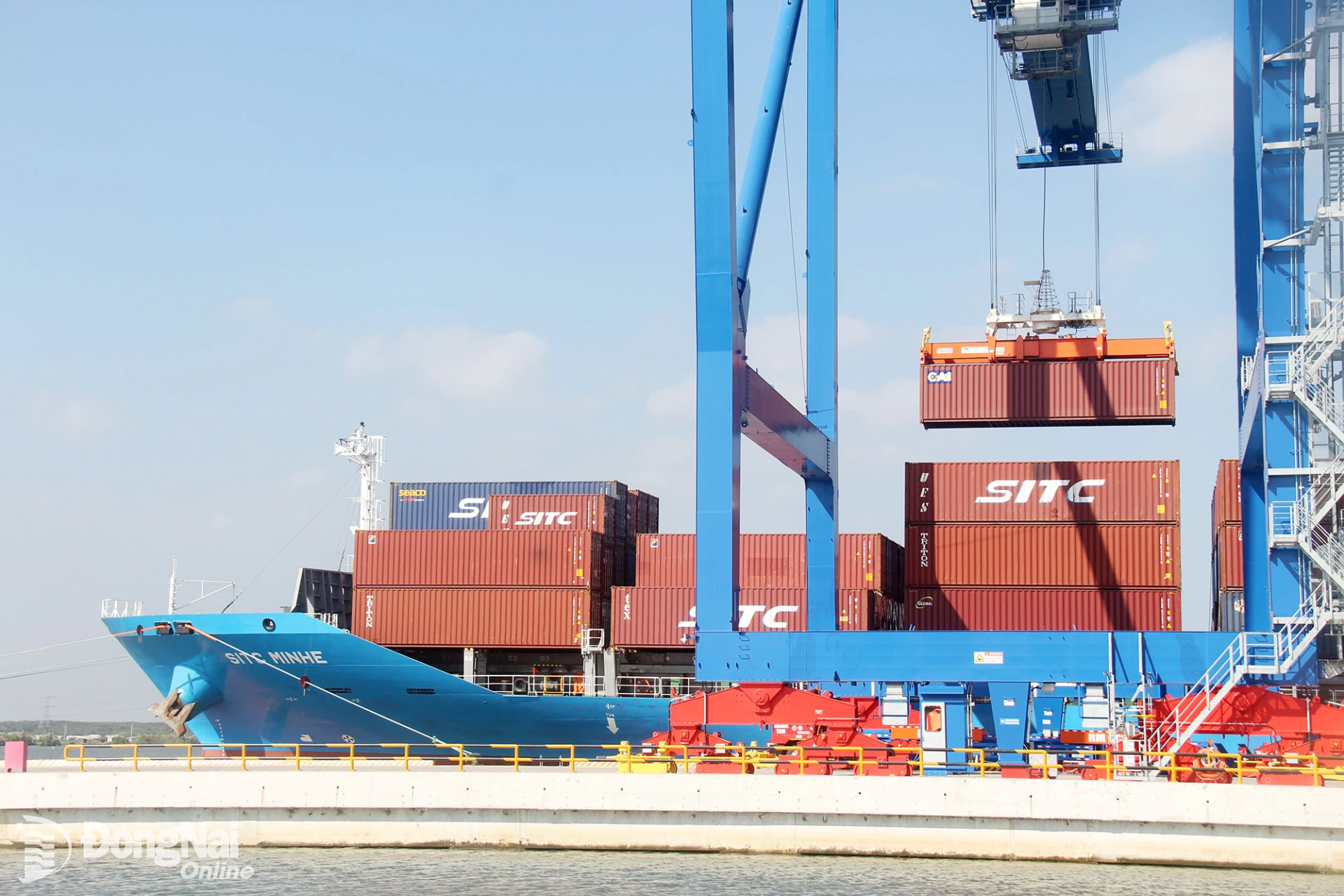
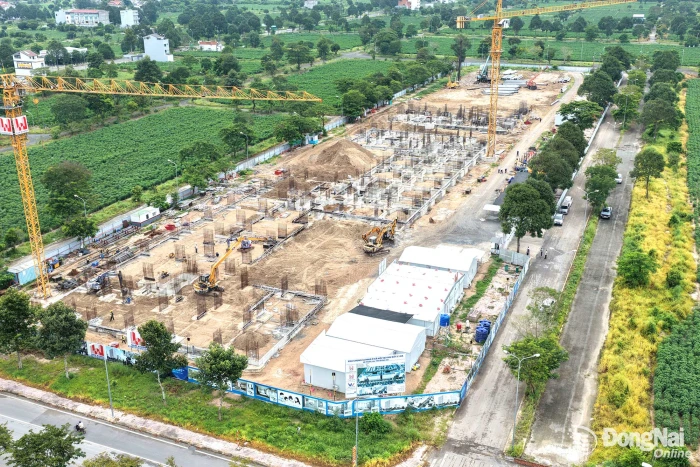
Key works and major projects are driving forces for expanding development space, strengthening regional connectivity and making better use of Dong Nai City’s advantages. To bring these projects to fruition as soon as possible, investment commitments must translate into tangible progress, with site clearance being a critical step. Removing this bottleneck requires clearly defined responsibilities, decisive resolution of individual obstacles and protection of residents’ legitimate rights and interests.
At a late-September 2026 meeting of the city’s Steering Committee for Key Works and Major Projects, Vo Tan Duc, Deputy Secretary of the City Party Committee and Head of the committee, called for a decisive shift from simply “monitoring progress” to “taking responsibility for progress.” Accordingly, each project must be reviewed, its implementation schedule mapped out in a Gantt chart, and its status and risk of delay assessed. Every obstacle must be assigned to a lead agency and a person responsible, with a specific deadline for resolution.
In site clearance work, reporting the percentage of work completed is not enough unless reports also specify where obstacles remain, who is responsible for resolving them and when the work will be completed. Progress must be measured by concrete results for each task and each area that can be handed over. Areas that meet the necessary conditions should be handed over for construction immediately, without necessarily waiting for the entire project site to be cleared. This approach makes better use of time, allows construction to proceed in phases and helps prevent prolonged delays.
Accelerating site clearance does not mean meeting deadlines at any cost. Behind every parcel of land acquired are people's property, livelihoods and daily lives. Compensation and support must therefore be provided openly, transparently and in accordance with regulations. Resettlement arrangements must be made in advance, with essential infrastructure in place to ensure that residents can settle into living conditions equal to or better than those at their former homes.
Local authorities must maintain direct, meaningful dialogue with residents. Issues concerning land origins, land prices, support policies and resettlement arrangements must be promptly clarified and resolved. Cases falling within their authority must be handled immediately, while matters beyond their authority require specific proposals for resolution. When residents' rights are protected, information is made public, and their petitions are thoroughly addressed, public consensus will be strengthened.
At the same time, agencies must coordinate closely in handling investment, planning, land, construction and funding procedures. Procedures that can be carried out in parallel should proceed simultaneously, with a designated lead agency responsible for coordination. Such responsibilities must be clearly linked to authority, deadlines and measurable work outcomes.
Dong Nai is implementing numerous projects that require land acquisition. The greater the pressure to clear sites, the more important strong public consensus and decisive implementation become. Therefore, the “six-clear” principle, comprising clear tasks, clear personnel, clear responsibilities, clear authority, clear timelines and clear results, must be translated into specific actions for every assignment. Heads of agencies and officials in charge should personally inspect project sites, identify bottlenecks and remain accountable until their assigned tasks are completed. They must neither evade responsibility nor shift it to others, but resolve each problem where it arises.
Site clearance is a test of the accountability of every agency, locality and individual assigned to the task. When residents’ rights are protected, obstacles are resolved thoroughly, and deadlines are strictly observed, site-clearance bottlenecks can be removed. This is essential for key projects to deliver results sooner and drive Dong Nai City’s rapid and sustainable development.
By Ban Mai – Translated by Mai Nga, Minho



Thông tin bạn đọc
Đóng Lưu thông tin