
 |
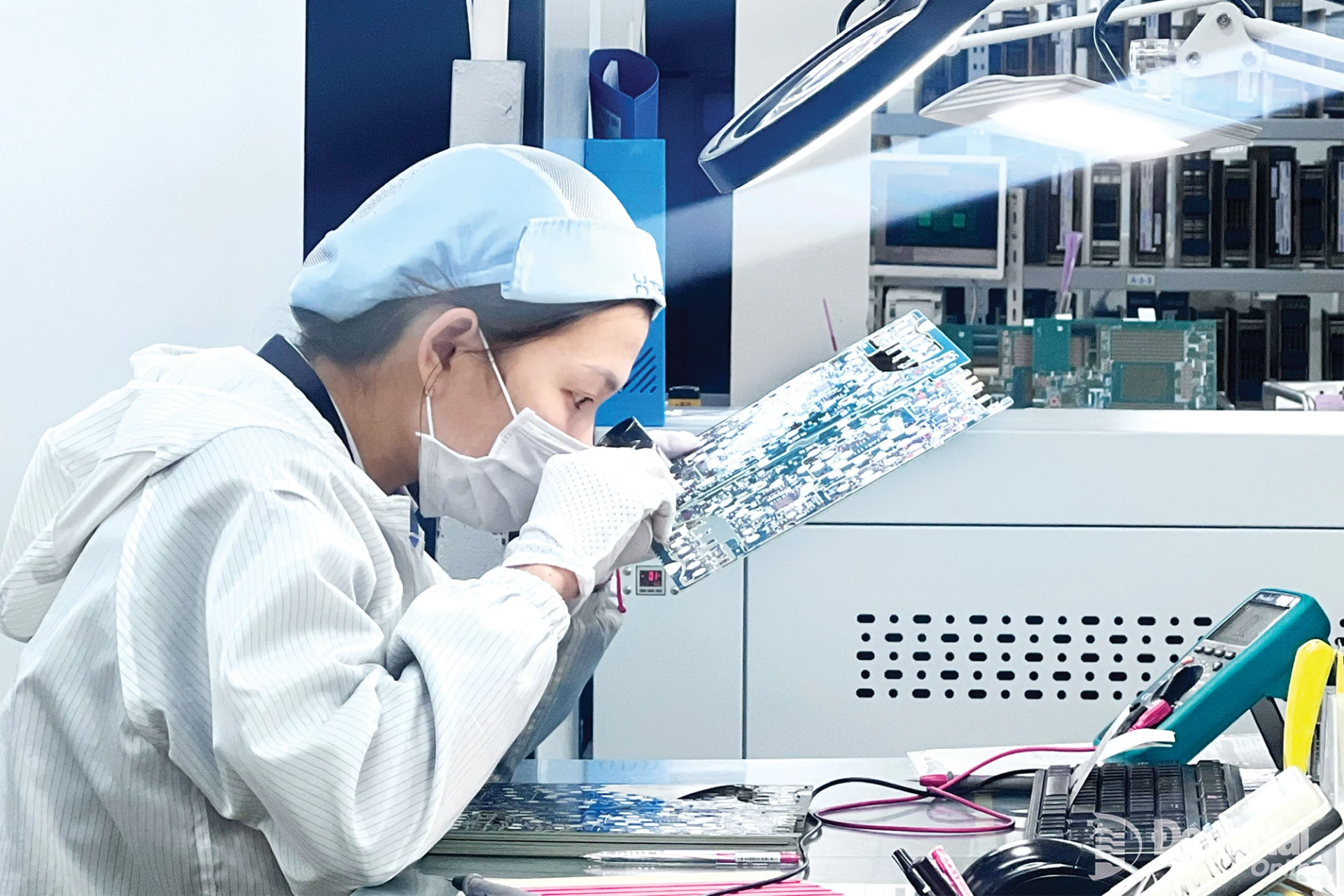
The Republic of Korea (RoK) currently tops the list of 51 countries and territories investing in Dong Nai, with nearly US$8.4 billion in total registered capital. Many businesses from the RoK and other countries are looking to expand their investments in the city. This presents an opportunity for Dong Nai to attract foreign direct investment (FDI) across various sectors, but attracting more capital alone is not enough. More important are the quality of investment projects, the value they generate and the extent to which they contribute to the local economy.
Dong Nai now has more than 2,300 FDI projects with a total registered capital of US$47.1 billion, underscoring its position as a major destination for foreign investment.
Dong Nai has several advantages as one of Vietnam’s major industrial hubs. Its industrial parks offer modern technical infrastructure and connections to major economic centers and export markets. Meanwhile, Long Thanh International Airport and improved regional transport links are creating new opportunities in manufacturing, logistics, trade and services. These are among the key factors businesses consider when deciding where to expand production and operations.
However, these advantages alone cannot guarantee new investment. When deciding where to invest, businesses look beyond location and market size. They need serviced land ready for development, well-coordinated infrastructure, reliable power supplies, skilled workers and efficient administrative procedures. A delay at any stage can disrupt an entire project's schedule, increase costs and weaken a project’s competitiveness.
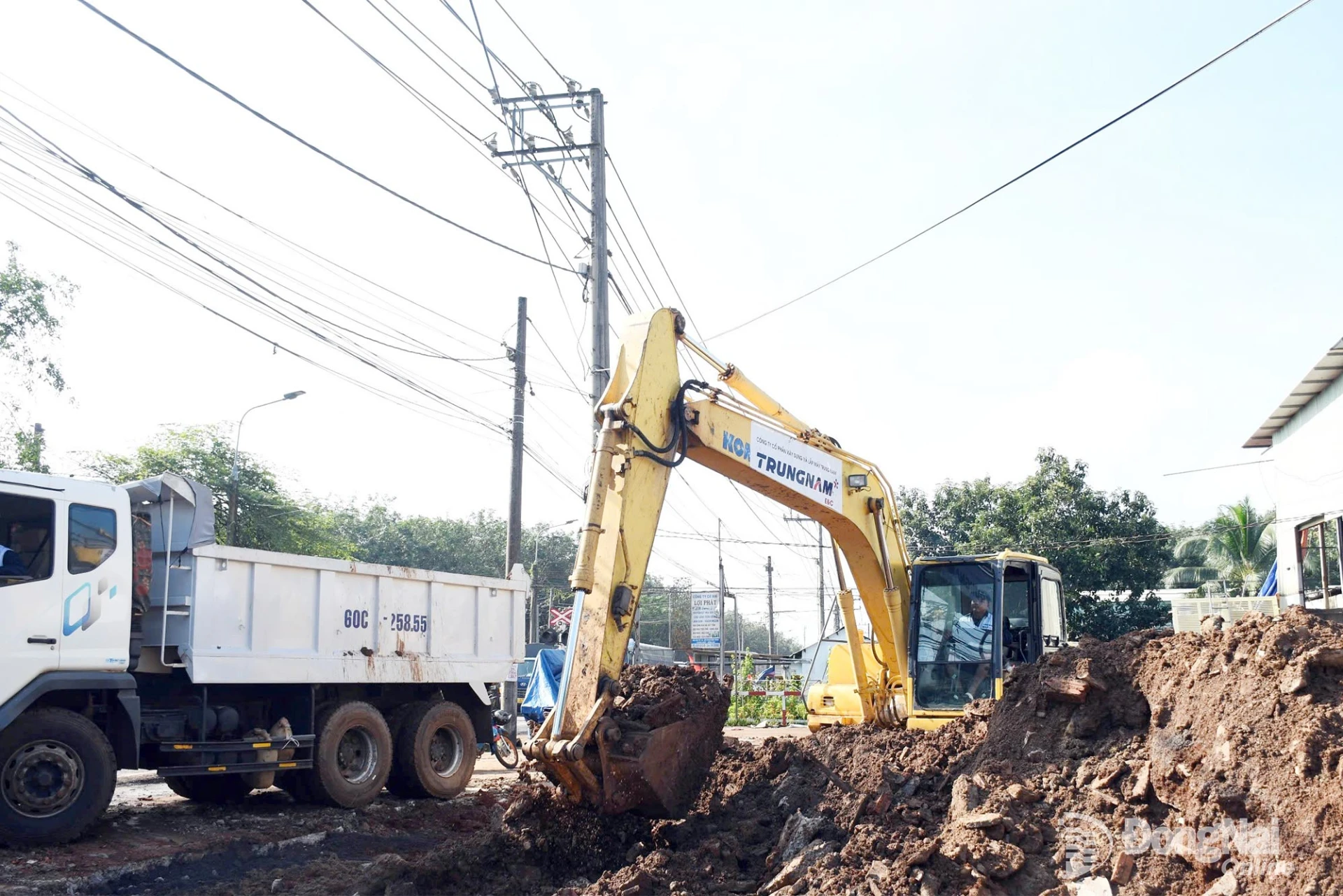
Dong Nai must turn its efforts to improve the investment climate into tangible results. Authorities should resolve business-related bottlenecks promptly and within established deadlines. Industrial park development needs to be coordinated with transport networks, worker housing and essential services. Infrastructure should be put in place ahead of demand so that approved projects can proceed without being held up by missing facilities or inadequate capacity. The effectiveness of administrative reform should be judged by how much time and cost it saves businesses.
More importantly, Dong Nai needs to attract higher-quality FDI, prioritizing projects that use advanced technologies, protect the environment and create high added value. Authorities should also support existing foreign-invested businesses in expanding production, upgrading technology and improving productivity and product quality.
Another priority is to strengthen links between foreign-invested enterprises and domestic businesses. If foreign-invested projects continue to rely heavily on imported raw materials, components and services, they will generate limited value for the local economy. Dong Nai should therefore help connect domestic suppliers with multinational companies and support local firms in meeting international standards and joining global supply chains. Stronger business linkages would help local companies upgrade their capabilities and become more competitive.
Apart from the RoK, many businesses from Japan, Taiwan, the United States and Europe are also expected to make new investments or inject additional capital to expand their production and business operations in Dong Nai. The city aims to attract US$3 billion in FDI in 2026. Opportunities for increased investment are emerging, but Dong Nai needs to pay greater attention to the effectiveness of each project and its ability to establish links with domestic businesses. Large amounts of registered capital alone are not enough. More importantly, projects must generate substantial added value, strengthen production capabilities and help domestic businesses participate more deeply in global supply chains. These outcomes are the true measure of success in attracting FDI.
By K.Minh – Translated by M.Nguyet, Minho

Thông tin bạn đọc
Đóng Lưu thông tin