
As the year draws to a close, businesses are facing mounting pressure from rising production and operating costs as prices of raw materials, fuel, transportation and logistics services fluctuate. With limited room to raise selling prices in line with rising costs, businesses must scrutinize every expense to retain orders and maintain production.
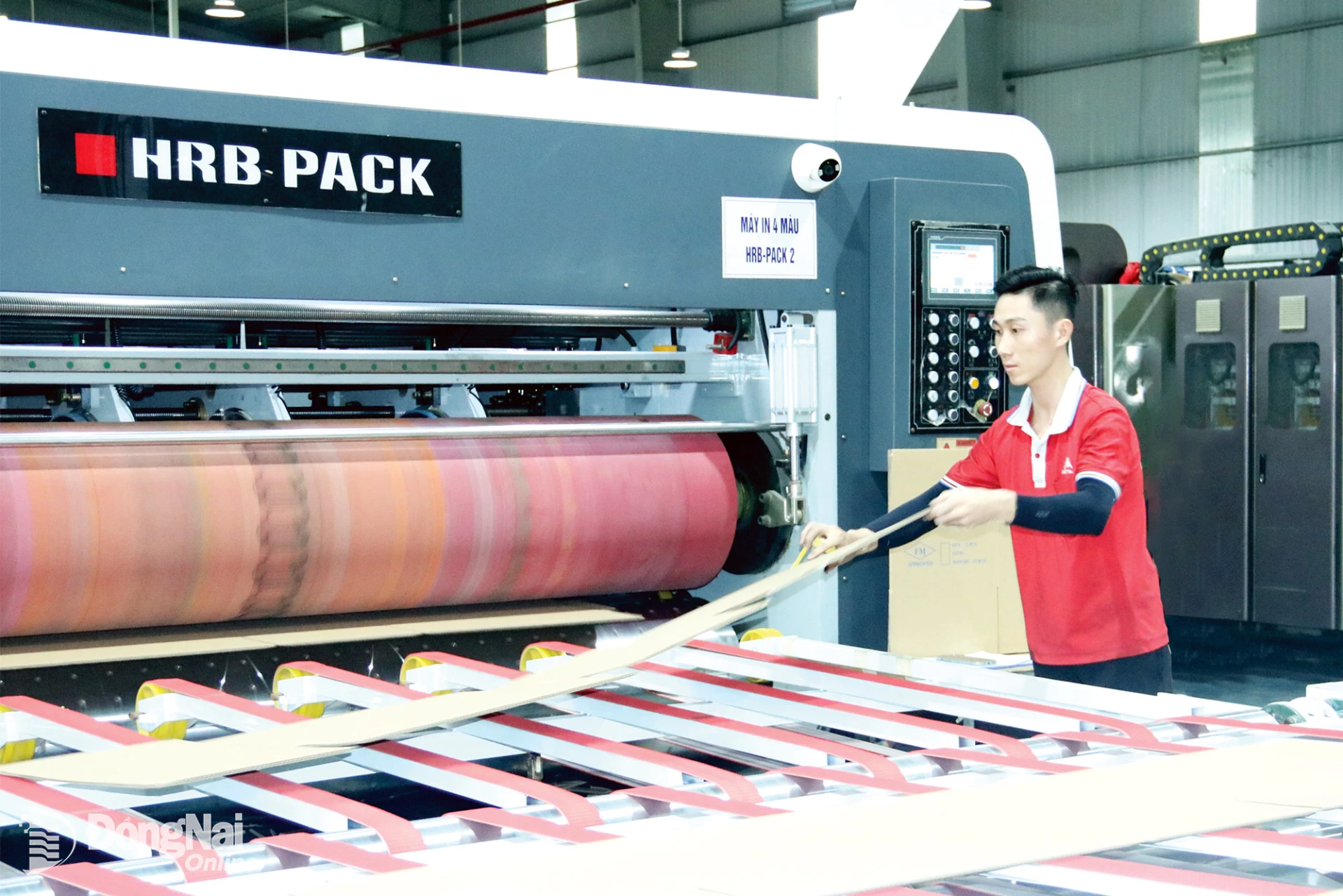 |
| Production at Nhat Tin An Packaging Co., Ltd. in Bien Hoa 2 Industrial Park. Photo: Vuong The |
These challenges are also a key concern for authorities as they seek to support businesses and ease cost pressures in the final months of the year.
Rising input costs
According to the city’s statistics office, the consumer price index (CPI) averaged an increase of more than 4.2% year on year in the first nine months of 2026. The housing, electricity, water, fuel and construction materials group rose by more than 7.4%, while the transport group increased by nearly 4.8%. In September alone, gasoline prices climbed by more than 9.2% and diesel prices by over 4.5%, contributing to a rise of more than 3.3% in the transport price index.
For manufacturers, higher raw material and fuel prices directly push up production costs. Rising transportation and logistics expenses further increase the cost of sourcing inputs and delivering finished products to customers.
Nguyen Thanh Nhan, owner of Thanh Nhan Fine Woodcraft in Binh Minh commune, said rising input costs and sluggish demand had put small businesses under growing pressure. His workshop has scaled back production and is focusing on selling existing stocks to reduce costs.
Prof. Dr. Vo Xuan Vinh, Director of the Institute for Business Research at the University of Economics Ho Chi Minh City, said rising fuel prices were pushing up transportation and logistics costs, as well as the prices of many goods and services. Financing costs were also placing additional pressure on businesses that rely on borrowed capital. Together, these factors were significantly eroding business profit margins.
These pressures are mounting as businesses enter their peak production season. Higher output may bring in more revenue, but if input costs rise faster, profit margins will narrow. Smaller businesses have even less room to raise selling prices. Unable to pass on the full cost increases to customers, they must either accept lower profits or find further ways to cut production expenses.
Nguyen Duy Hung, Vice Chairman of the Dong Nai Import-Export Association and Director of Hung Thinh Phat Co., Ltd. in Tam Hiep Ward, said businesses needed tighter control over the costs that determine product prices. This is particularly important in the final months of the year, when demand for raw materials, fuel and transportation typically rises with production volumes.
Supporting businesses
Faced with rising costs, businesses are focusing on areas within their control. They are first identifying waste in their operations, particularly in the use of raw materials and energy. Key areas under review include raw material and electricity consumption, labor productivity, defect rates, machine downtime, maintenance and transportation, all of which offer opportunities to cut costs.
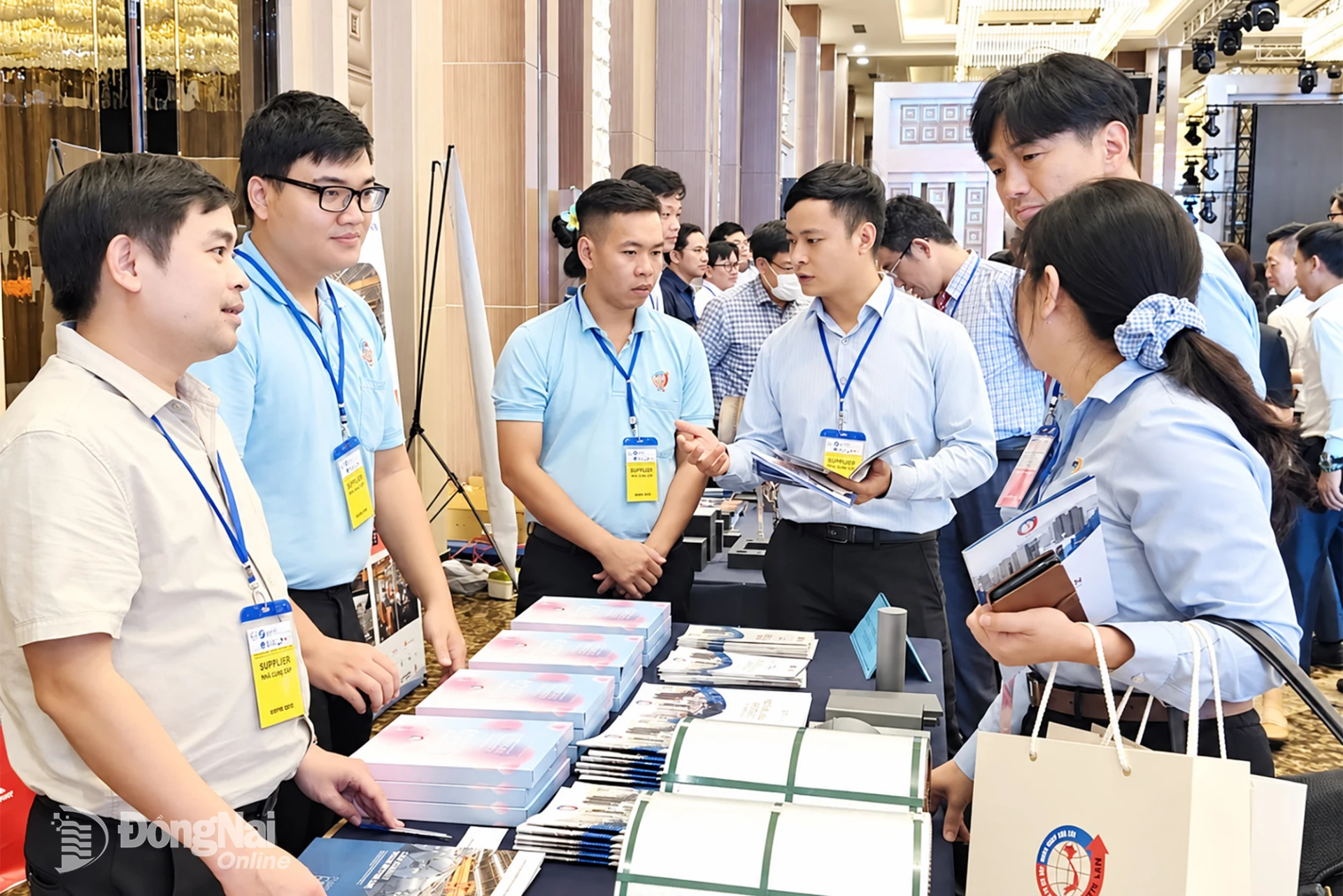 |
| Dong Nai businesses attend a Vietnam-Japan business networking conference organized by the City’s People’s Committee. Photo: Vuong The |
Alongside investment in equipment, businesses should take advantage of support programs for science and technology, innovation, and research and development (R&D). Nguyen La Anh Dao, Director of Phuoc Hung Mechanical Manufacturing and Trading Co., Ltd. in Long Binh ward, said improvements to products and processes, changes in materials and higher productivity could help reduce production costs, rather than forcing businesses to absorb rising expenses through lower profit margins alone.
Alongside businesses’ own efforts, authorities are seeking to stabilize input prices and strengthen price controls. In Dong Nai, Chairman of the city’s People’s Committee issued Official Letter No. 9695/UBND-KTNS on September 21, 2026, calling for strengthening state management of prices during the remaining months of the year.
Under the directive, departments and agencies are required to closely monitor supply, demand and prices for essential goods and services, particularly transportation, logistics, construction materials, food and other necessities. They must also help ensure stable supplies of fuel, electricity and other production inputs and balance supply and demand. Suppliers are required to comply with regulations on price declarations and public price listings, as well as review their cost structures.
At a Government meeting on October 3, Prime Minister Le Minh Hung called on ministries, agencies and local authorities to tighten price controls and ensure adequate supplies of essential goods. He also urged officials to continue exploring appropriate measures to regulate electricity and fuel prices and step up inspections and enforcement to combat hoarding, speculation and smuggling.
Supporting macroeconomic growth and the development of individual businesses requires simultaneous efforts to reduce internal costs and stabilize external input costs. Businesses need to lower production costs to remain competitive, while regulators must monitor prices, safeguard supplies and address factors that could drive costs higher. These combined efforts are expected to help manufacturers retain orders and sustain growth in the final months of the year.
Experts say automation, data analytics, image processing and artificial intelligence can help businesses boost productivity, reduce defects and lower labor costs. However, businesses should first identify the areas most in need of improvement before investing in new technologies, as productivity also depends on raw materials, production processes, machinery, maintenance and product quality.
By V. The – Translated by M.Nguyet, Thu Ha





Thông tin bạn đọc
Đóng Lưu thông tin