
On September 30, Member of the Dong Nai City Party Committee, Vice Chairwoman of the City People’s Committee Nguyen Thi Cat Tien chaired a meeting on the management and construction of rural clean water supply facilities across the city.
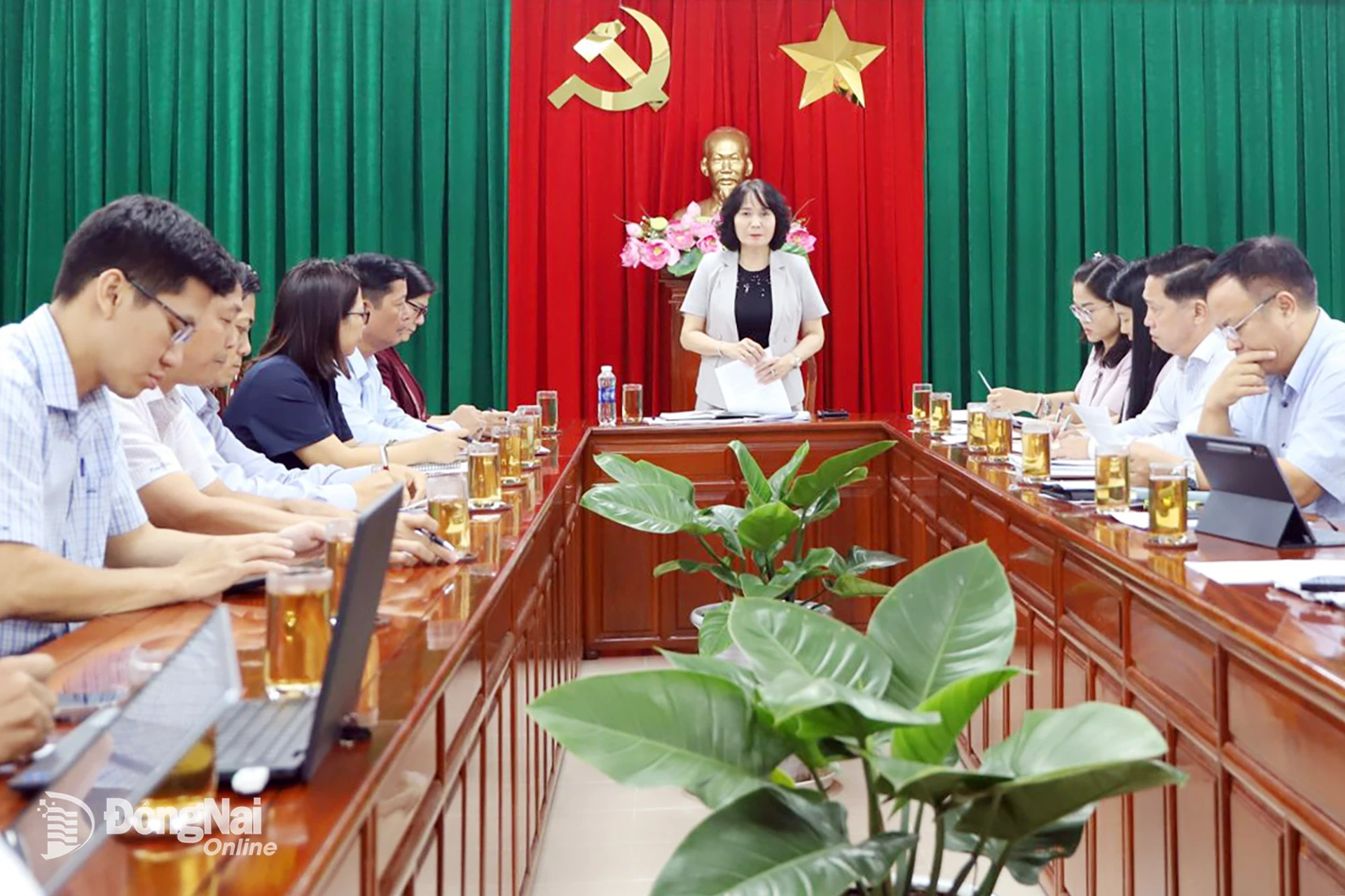 |
| Member of the Dong Nai City Party Committee, Vice Chairwoman of the City People’s Committee Nguyen Thi Cat Tien chairs the meeting. Photo: B. Nguyen |
Dong Nai City currently has 139 centralized rural water supply facilities with a combined designed capacity of more than 96,000 cubic meters per day. Of these, 37 use surface water sources and 102 use groundwater. However, only 85 of the 139 facilities are currently operational, with a combined capacity of more than 85,800 cubic meters per day. The facilities that have ceased operation are mostly small-scale projects built long ago that have been damaged or degraded, making further investment in upgrading them ineffective. Nine communes still have no centralized water supply facilities.
Dong Nai has set a target for 81% of rural households to have access to water meeting standards in 2026, rising to 85% by 2030. The city has focused on investing in centralized water supply projects in recent years. As of September 2026, the proportion of rural households using water meeting standards had reached 80.55%.
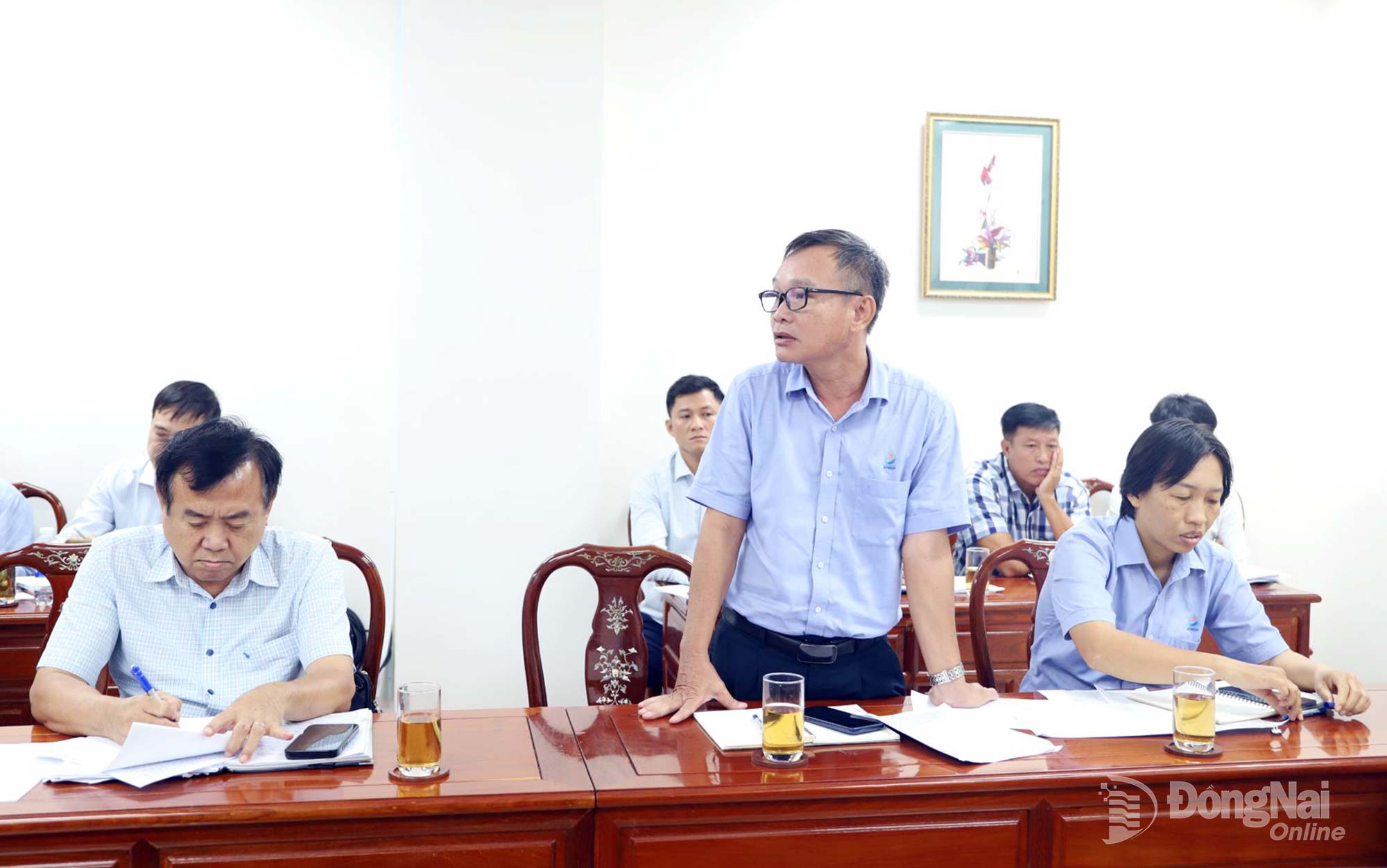 |
| Investors in centralized water supply projects raise difficulties and challenges at the meeting. Photo: B. Nguyen |
A common challenge for investors in centralized water supply projects is the need to develop rural clean water systems across large areas with scattered populations, while many rural households still have a habit of using well water. At the same time, rural clean water projects require substantial investment but generate relatively low returns. Commune-level authorities face difficulties in dividing water supply areas, as they must review and identify the specific service areas of each existing water supplier as a basis for signing water supply service agreements. Localities also face funding constraints in repairing and addressing minor damage to water supply facilities.
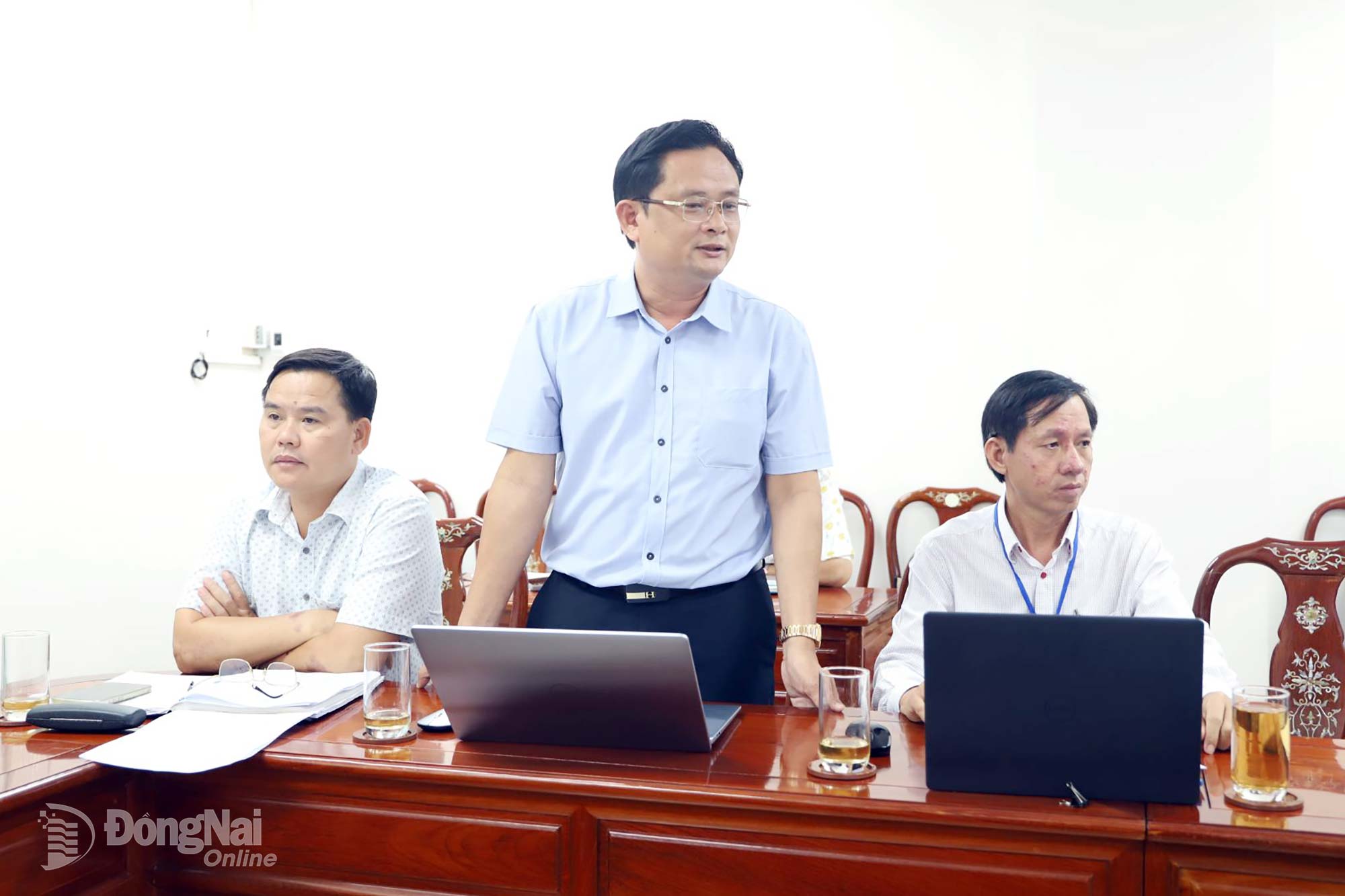 |
| A representative of Dak O Commune expresses the locality’s desire for investment in a rural clean water project. Photo: B. Nguyen |
Vice Chairwoman Nguyen Thi Cat Tien emphasized that access to clean water has a major impact on the health of generations of residents. Some localities still lack water supply projects, forcing residents to use unsafe water sources that may affect their health. She therefore asked the Department of Agriculture and Environment, along with relevant departments, agencies and units, to review the current situation and identify outstanding issues and difficulties, and, on that basis, develop appropriate solutions and approaches for the coming period.
The Vice Chairwoman assigned the Department of Agriculture and Environment to act as the focal point for receiving recommendations and proposals from businesses and investors in rural clean water projects. On that basis, the department is to advise the city on mechanisms and policies to encourage and support investors, with the determination to achieve the city’s targets. At the same time, efforts to raise public awareness and encourage residents to use clean water should be strengthened and implemented effectively.
By Binh Nguyen - Translated by Mai Nga, Thu Ha

Thông tin bạn đọc
Đóng Lưu thông tin