
Many key projects in Dong Nai City have completed site clearance, with the entire construction site handed over. This creates favourable conditions for accelerating construction, completing the projects as scheduled, and putting them into operation early to maximise investment efficiency.
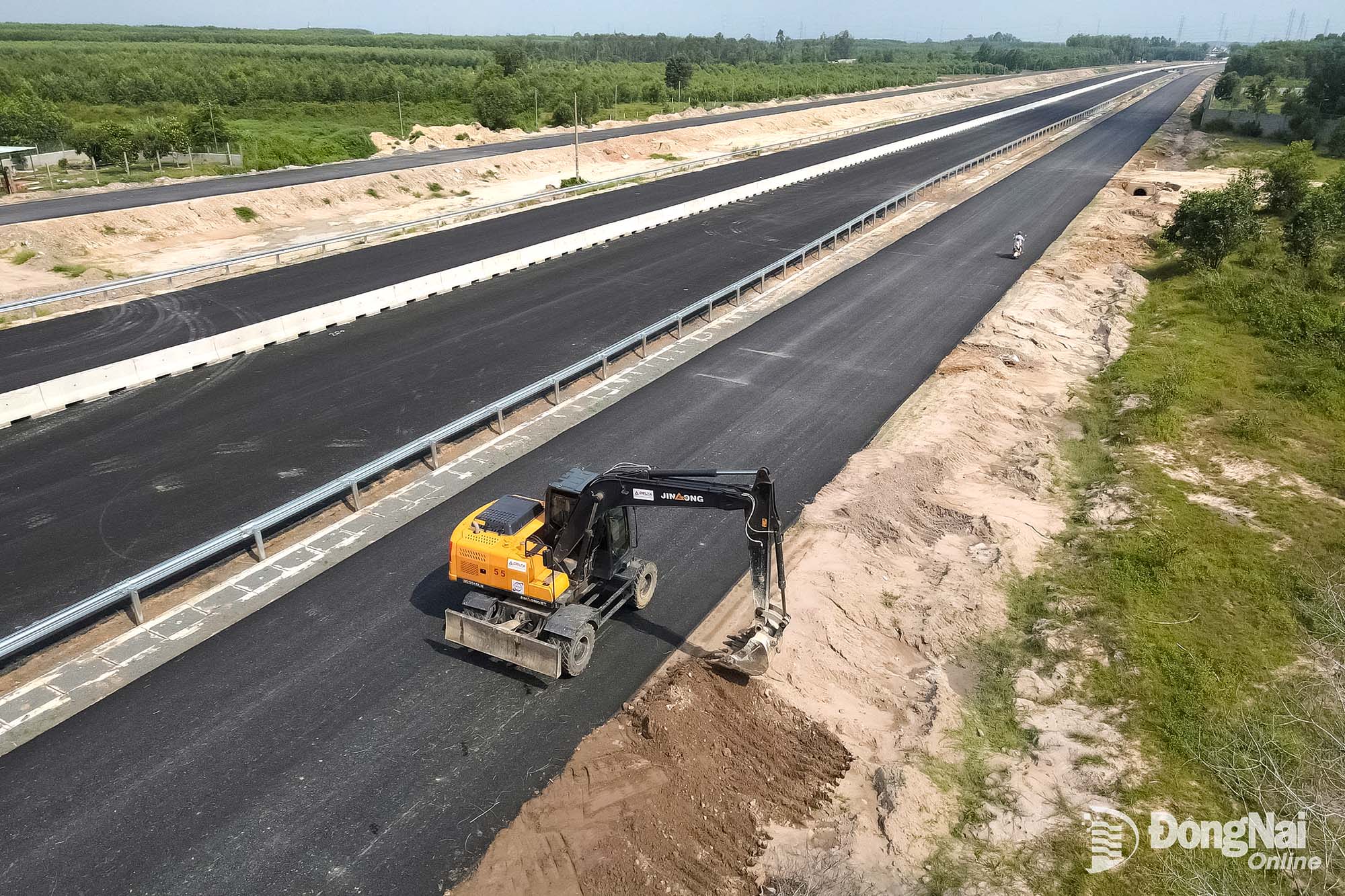 |
| Construction of Component Project 3 of the Ho Chi Minh City’s Ring Road 3 section through Dong Nai. |
Bringing projects into operation early to maximise investment efficiency
Component Project 3 of the Ho Chi Minh City Ring Road No. 3, one of the city's key projects, has entered its final construction phase. The project is more than 11km long, including about 5km of the main route and parallel roads.
According to the city's Management Board for Investment and Construction of Transport Projects, the combined construction output of the project's three construction packages has reached about 80% of their total contract value. The project has also completed site clearance, with the entire construction site handed over.
Under the plan, Component Project 3 of the Ho Chi Minh City’s Ring Road 3 section through Dong Nai is scheduled for completion and opening to traffic in October 2026. To ensure the schedule, the investor is carrying out procedures to terminate its contract with a contractor under Construction Package No. 26, as the contractor has encountered difficulties affecting the package's completion schedule.
According to Decision No. 822-QD/TU dated June 25, 2026, issued by the City Party Committee (CPC)’s Standing Board, the city has seven national-level key projects and 15 city-level key projects included in the list of key works and projects subject to progress monitoring and supervision.
Completing procedures to terminate the contract with the contractor, while bringing in subcontractors to complete the remaining work, is a measure aimed at ensuring the timely completion of the construction package and the project as a whole.
Under the plan, a number of key projects in the city are scheduled for completion and opening to traffic in 2026, including the Bien Hoa - Vung Tau and Ho Chi Minh City - Thu Dau Mot - Chon Thanh expressways, as well as Roads 25B and 25C, which will improve connectivity with Long Thanh International Airport.
According to Deputy Secretary of the CPC Vo Tan Duc, the ultimate goal for key works and projects is to complete construction as quickly as possible, put them into operation at the earliest possible date, maximise investment efficiency, create new growth drivers, and contribute to building a fast-growing, sustainable and modern city in the new period.
Taking responsibility for project progress
In the past, the implementation of key works and projects in the city was significantly affected by compensation and site-clearance work. In practice, delays and prolonged implementation periods for most projects stemmed from delays in completing site clearance.
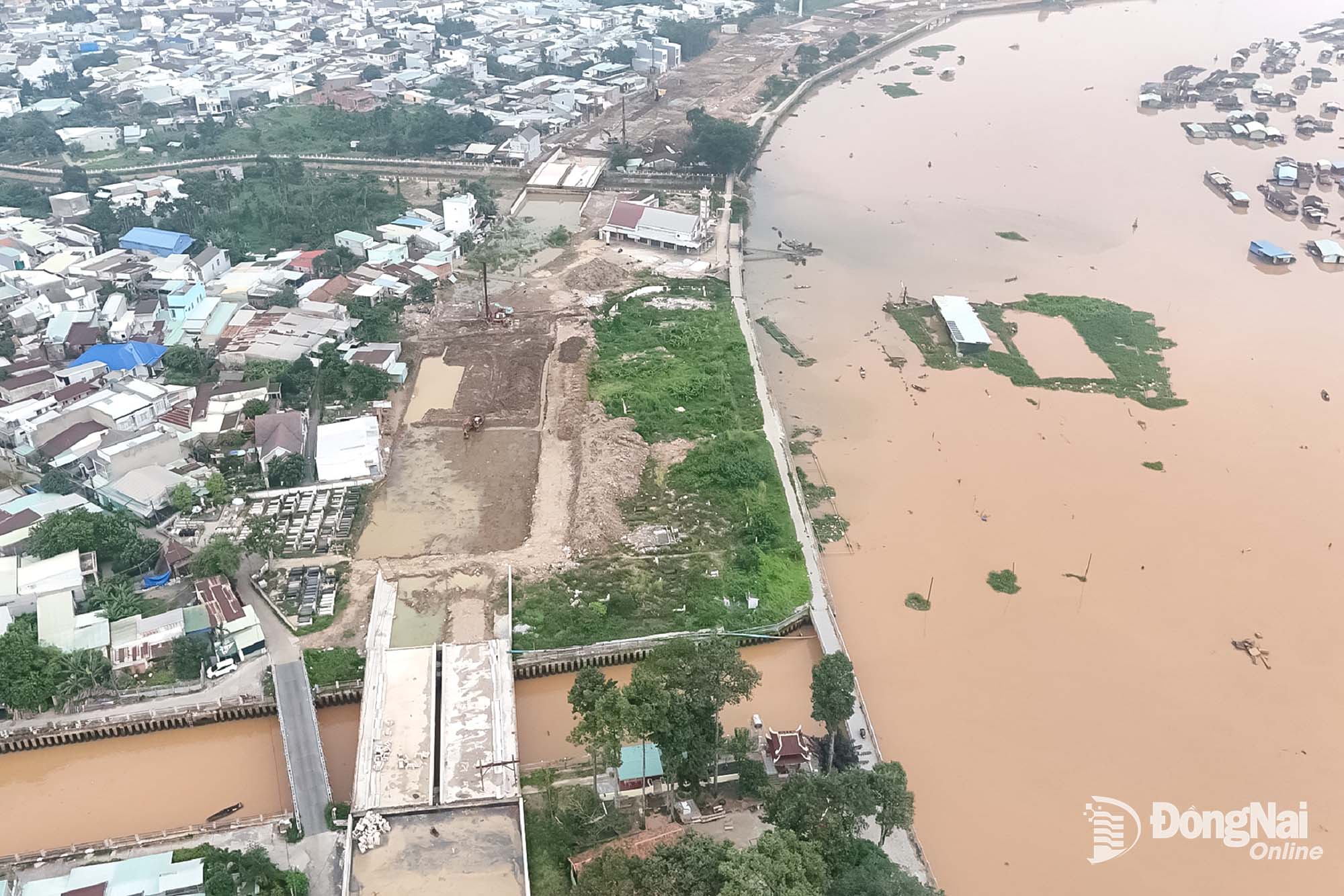 |
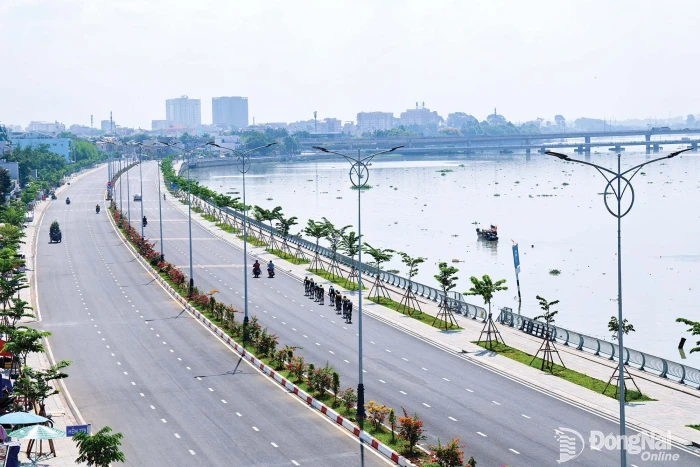
| Construction of the Road Project along the Cai River. Photo: Pham Tung |
However, major site-clearance bottlenecks have now largely been resolved. According to Pham Quang Dinh, Deputy Director of the City's Land Fund Development Centre, a high proportion of compensation and support plans have been approved for key works and projects currently under construction. Some projects have completed full site handover, while others have achieved a high rate of site handover.
Early completion of site clearance is one of the important conditions for accelerating construction, completing key works and projects, and putting them into operation as soon as possible.
Deputy Secretary of the CPC Vo Tan Duc also said key works and projects not only address infrastructure requirements but also help open up new development space, strengthen regional connectivity, and make more effective use of Long Thanh International Airport, the seaport system, industrial parks, urban areas and services. They also create greater room for economic growth, increase state budget revenue and attract investment.
Therefore, relevant agencies and localities, as well as project investors, must shift from simply “monitoring project progress” to “taking responsibility for project progress.” “Projects identified as key cannot continue to be implemented according to normal procedures and schedules,” Vo Tan Duc stressed.
By P. Tung – Translated by M.Nguyet, Thu Ha


Thông tin bạn đọc
Đóng Lưu thông tin