
Transport infrastructure is creating more connections among localities in the Southern economic region, driving regional socio-economic development and creating an increasingly integrated economic space. However, for roads, airports and seaports to deliver their full potential, localities need to do more to connect production, logistics, investment and markets into shared value chains.
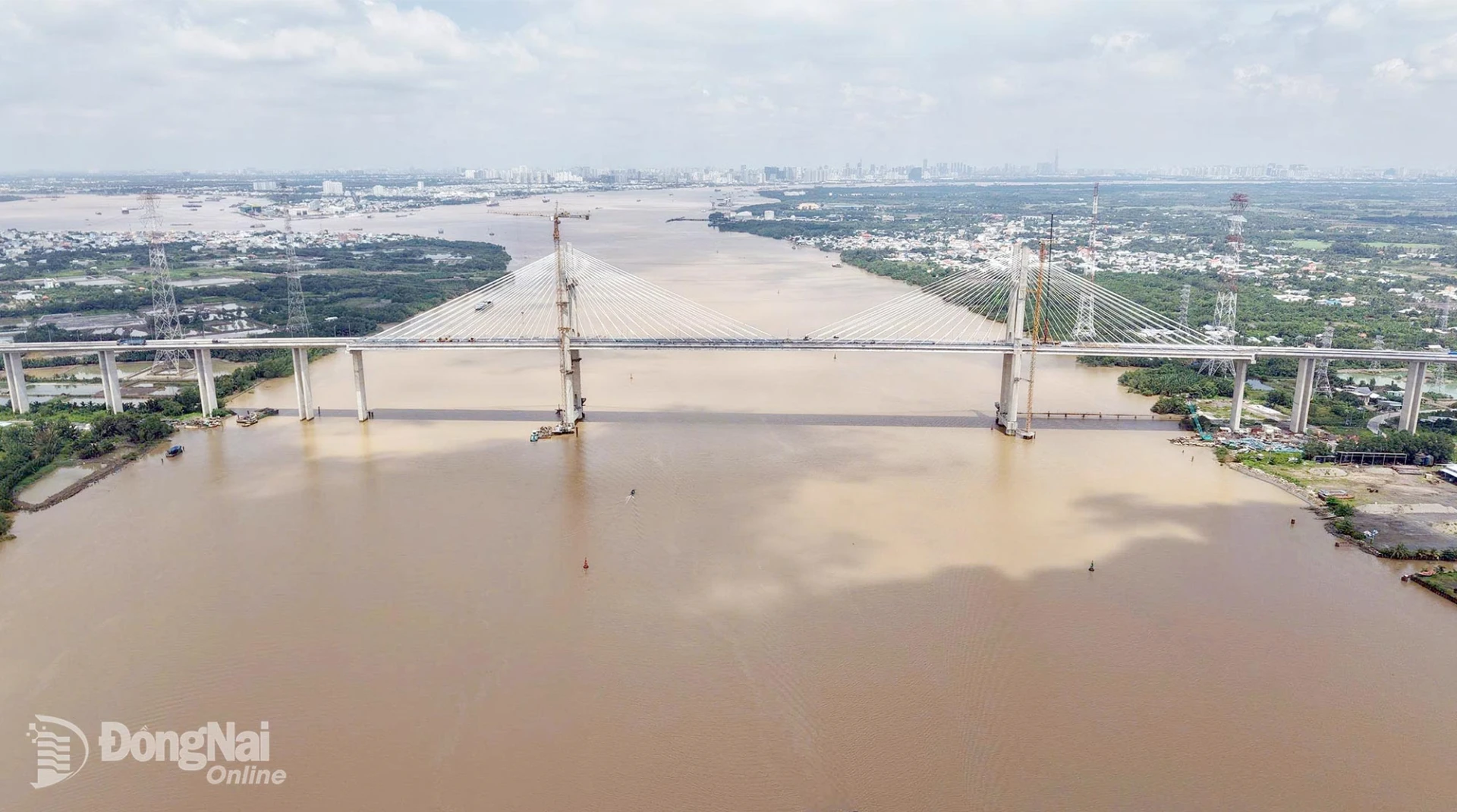 |
| Ben Luc - Long Thanh Expressway is an important transport project connecting the Mekong Delta with Ho Chi Minh City and Dong Nai. Photo: Vuong The |
This will also be a key focus of regional cooperation for the 2026-2030 period.
Expanding development space
On September 18, 2026, Ho Chi Minh City, Dong Nai City and Can Tho City, together with Tay Ninh, Vinh Long, Dong Thap, An Giang and Ca Mau provinces, held a conference to review socio-economic development cooperation for 2023-2025 and signed cooperation agreements for 2026-2030.
The review found that in recent years, cooperation among localities has shifted from exchanges and investment promotion toward several specific programs and projects. Ho Chi Minh City’s Ring Road 3, Ring Road 4, expressways, projects connecting Long Thanh International Airport, seaports and logistics facilities have been incorporated into the interregional transport network. Connectivity between the southeastern and southwestern regions has also been strengthened through expressways, coastal roads and inland waterways, as well as research into the development of railway routes.
However, regional connectivity still faces bottlenecks. Infrastructure linking the Mekong Delta with Ho Chi Minh City and the Southeastern region remains incomplete, while large-scale value chains have yet to be established on a sustainable basis. This is why the new phase will focus on industrial, agricultural, logistics and investment value chains rather than simply connecting individual infrastructure projects.
Vice Chairman of the Ho Chi Minh City People’s Committee Bui Minh Thanh said cooperation in the coming period should shift from coordination among each locality to jointly creating a development space. Localities need to leverage their complementary strengths and generate tangible value for residents and businesses.
For Dong Nai, the need for connectivity is particularly evident in its transport network being developed and the emergence of Long Thanh Airport. Director of the Dong Nai City Department of Construction Nguyen Anh Tuan said the 2026-2030 period requires a shift from coordinating individual projects to jointly planning an integrated connectivity system for the entire region.
According to Nguyen Anh Tuan, the transport networks of Ho Chi Minh City and Dong Nai need to serve both travel demand and the development of economic and urban space. Dong Nai has proposed completing its road and bridge network; connecting Long Thanh Airport with Ho Chi Minh City, seaports and logistics centers; and studying interregional railway and metro lines.
Once Long Thanh Airport, expressways, ring roads and seaports are connected, Dong Nai can play a greater role in goods transshipment and industrial development in the Eastern part of the region. Goods from Southwestern localities will also have more routes to airports, seaports and production centers.
To the west, Tay Ninh has advantages in terms of border gates, industry and connectivity with Ho Chi Minh City. The Ho Chi Minh City - Moc Bai Expressway is one of the key projects for expanding this economic corridor. According to Tay Ninh provincial leaders, investment connectivity should be planned within a broader space, linking planning, infrastructure and logistics with business and market demand.
Linking production with logistics and markets
Connectivity should go beyond transport routes and create spillover effects in production. Businesses need to move goods from production areas to points of sale within a reasonable time and at reasonable costs. This is particularly important for the Mekong Delta, which has large outputs of rice, fruit and seafood, while its logistics system has yet to keep pace with production and export requirements.
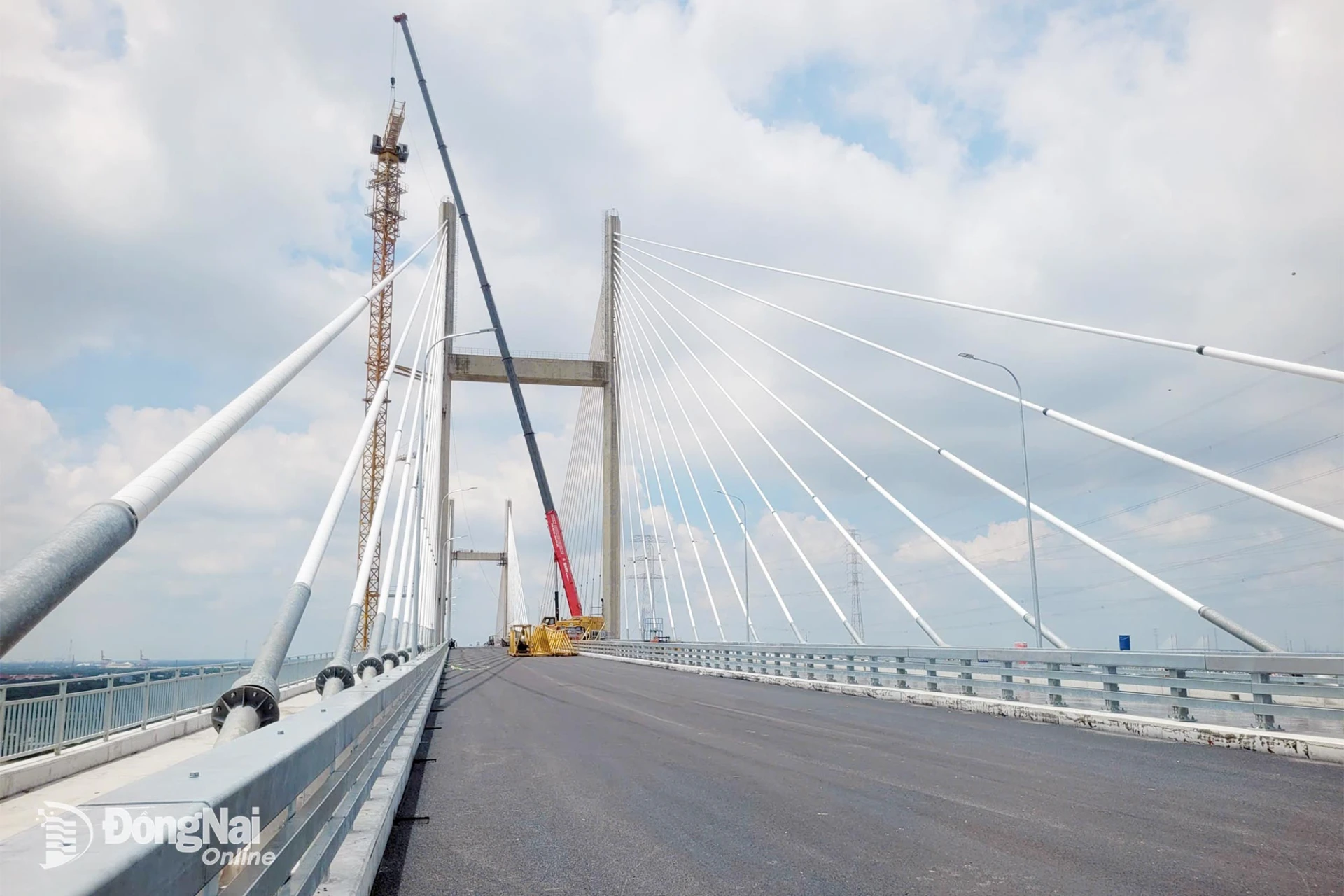 |
| Ben Luc - Long Thanh Expressway is an important transport project connecting the Mekong Delta with Ho Chi Minh City and Dong Nai. |
Standing Vice Chairman of the Can Tho City People’s Committee Le Cong Ly said the region should make greater use of its inland waterway transport advantages. Goods from localities across the region could be transported by waterway to logistics hubs and seaports, easing pressure on road transport. This would also help Can Tho strengthen its role as a regional logistics hub.
From an expert perspective, Dr. Tran Du Lich said regional connectivity must be organized around value chains rather than stopping at partial support among localities. For Mekong Delta agricultural products, such chains should cover raw-material areas, processing, cold storage, transportation and markets. It should not be assumed that all goods from the Mekong Delta must first be concentrated in Ho Chi Minh City before being exported. Areas with suitable port and logistics infrastructure should be organized so that goods can follow more appropriate routes.
This approach also changes the roles of individual localities. The Mekong Delta could focus on developing raw material production zones and processing; Can Tho could develop regional logistics hubs; Dong Nai and Tay Ninh could leverage their strengths in industry, airports, seaports, border gates and border economic corridors; while Ho Chi Minh City could provide financial, commercial and technological services and connect with international markets.
According to experts, for regional connectivity to become more substantive, responsibilities must be clearly divided: which tasks fall within the jurisdiction of individual localities, which require coordination, and which projects should be prioritized at the regional level. Connectivity projects should also be designed for seamless integration from the outset, avoiding situations in which one route is completed while subsequent connections remain inadequate. Cooperation in the new phase should therefore go deeper, leverage the complementary strengths of localities and create tangible value for residents and businesses.
Experts recommend developing a “Southern regional investment opportunity map.” Instead of each locality presenting its own separate project list, information on land availability, infrastructure, raw materials, energy, logistics, markets and related projects should be integrated into a single system. This approach would enable investors to see the entire value chain rather than focusing on an individual project.
By Vuong The - Translated by Mai Nga, Thu Ha




Thông tin bạn đọc
Đóng Lưu thông tin