
Dong Nai City has considerable potential and favorable conditions for developing the digital economy. In recent years, the city has taken proactive steps to increase the digital economy's share of GRDP.
Assoc. Prof. Dr. Phung The Dong, an economic expert at the Ministry of Finance (MoF), spoke with Dong Nai Newspaper and Radio, Television about the city's potential, advantages and challenges in developing the digital economy.
Building on local foundations and strengths
*Dong Nai holds a strategically important position in the Southern Key Economic Region. How do you assess the potential and foundations that can support the city's digital economy?
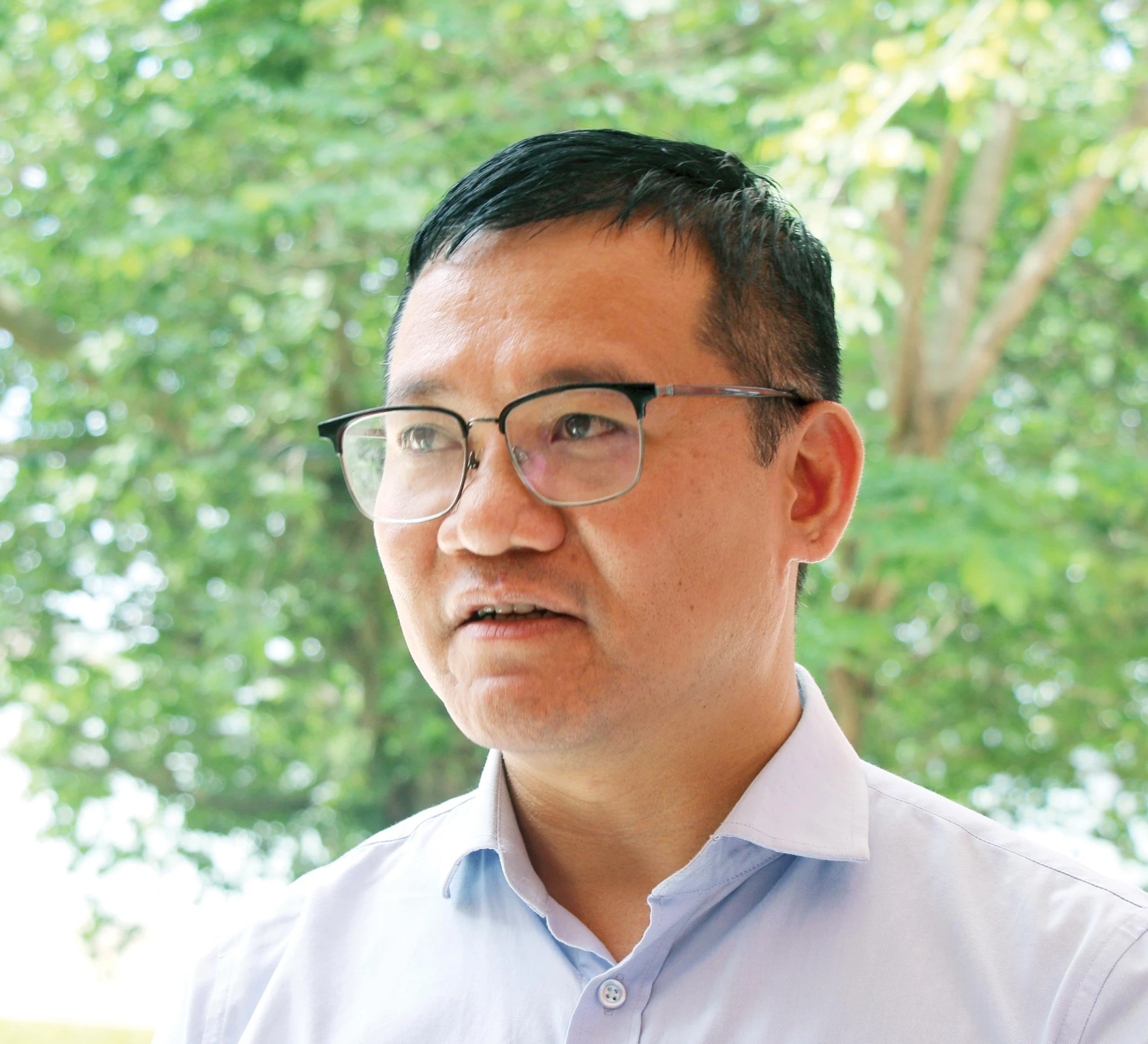 |
| Assoc. Prof. Dr. Phung The Dong |
The digital economy is shifting from a supporting area of the economy to a decisive factor in productivity, competitiveness and economic resilience. For Dong Nai, this shift is particularly pressing. This is an opportune time for Dong Nai to move from implementing individual digitalization initiatives to developing a targeted digital economy program with clearly defined markets and measurable outcomes.
In my view, Dong Nai has five major foundations that can help drive digital economy development. First, the city has a large industrial scale and a diverse manufacturing ecosystem. This provides a favorable environment for the application of the Internet of Things (IoT), robotics, artificial intelligence (AI), production management systems and supply-chain traceability.
Second, the Long Thanh area offers a rare opportunity to develop a large-scale regional digital logistics ecosystem. Once the airport, expressways, seaports, inland container depots (ICDs), warehouses and industrial parks are connected, the value will lie not only in physical infrastructure but also in data coordination capabilities, including forecasting cargo flows, optimizing routes, sharing warehousing capacity, processing electronic documents, facilitating goods traceability and multimodal connectivity.
Third, digital connectivity infrastructure has achieved relatively broad coverage. 5G coverage in the city currently exceeds 84%, providing an important foundation. However, the quality of coverage, network capacity and stability at production sites need to be assessed more closely. The city also plans to develop a data storage and processing center and the Long Thanh concentrated digital technology zone, opening up opportunities for the development of data services, cloud computing and AI.
Fourth, the city's large population provides a market for e-commerce, digital finance, digital services and digital training. With a population of nearly 5 million, the city has both a large consumer base and a substantial labor pool. However, these advantages can only be fully leveraged if digital skills are improved, digital payments and digital identification become more widespread, last-mile logistics becomes more efficient, and consumers are better protected.
Fifth, becoming the country's seventh city has created new conditions in terms of institutions, planning and development management. Dong Nai has an opportunity to reorganize its data systems following the administrative reorganization, improve cross-sector coordination, and integrate digital infrastructure into urban, transport, industrial and energy planning. These changes will also enable the city to take a more proactive approach to mobilizing resources for large-scale digital projects.
*Building on these foundations and strengths, what significant opportunities does Dong Nai have to develop the digital economy in the coming period?
Dong Nai’s first and biggest opportunity is to accelerate industrial digital transformation. Even a relatively small proportion of businesses improving their productivity, quality and delivery capacity can have a significant impact on GRDP because industry accounts for a large share of the city's economy.
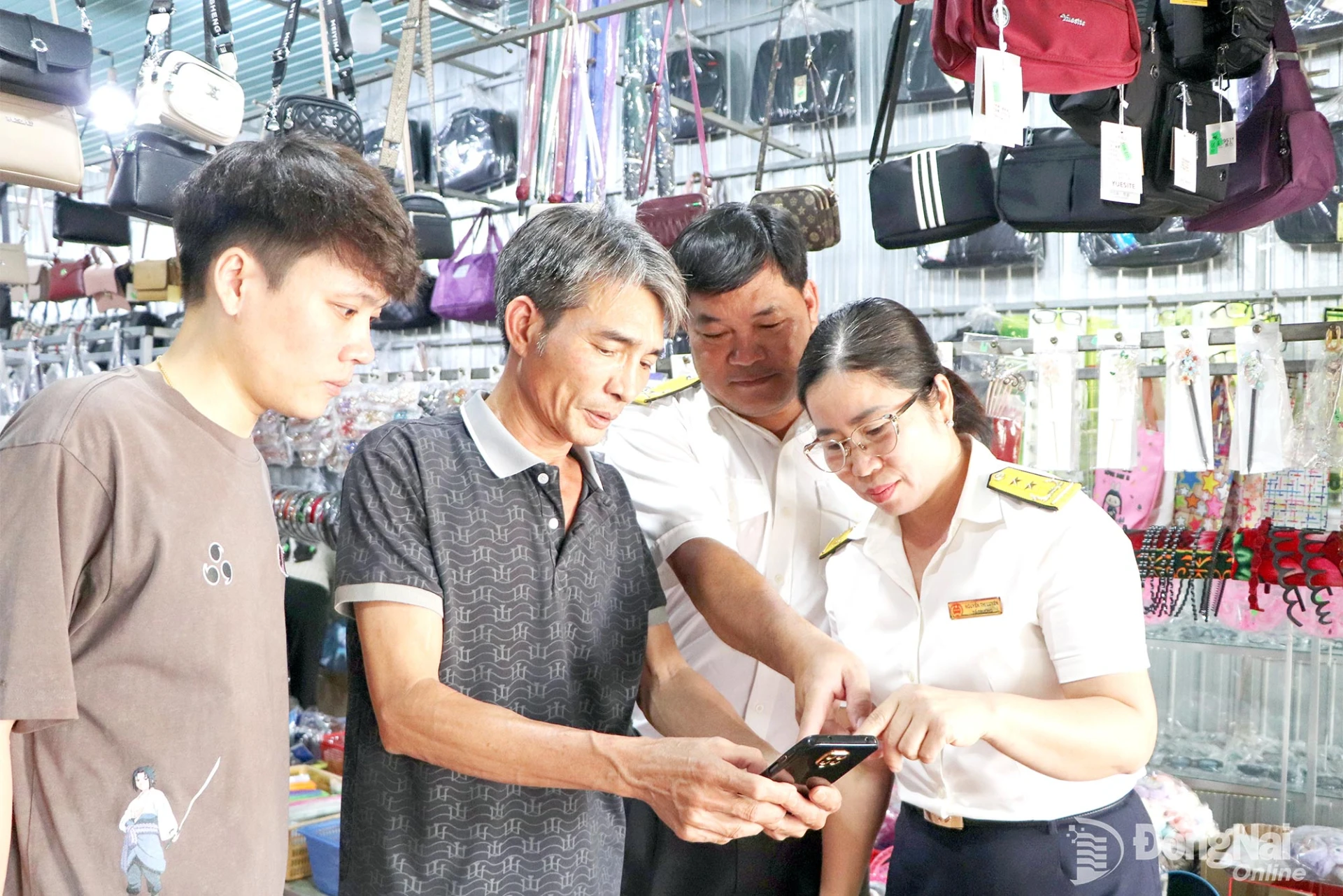
 |
| Local businesses livestream to promote and sell their products at a trade-promotion and business-matching conference held in Dong Nai in August 2026. |
The second opportunity is to develop digital logistics linked to Long Thanh Airport City. If flight, customs declaration, transport, warehousing, port, cargo and traffic data are shared in accordance with regulations, this will facilitate the development of data-driven coordination and delivery services, smart cold storage and cross-border trade. This could become a distinctive digital economy product for Dong Nai.
The third opportunity is to attract investment in high technology, data centers, cloud computing and digital services. Strong local demand from industrial businesses, proximity to Ho Chi Minh City and the city's transport infrastructure are key advantages. However, data centers require high safety standards. Investment attraction must therefore be linked to power planning, renewable energy, resource efficiency and requirements for integration with the local ecosystem.
The fourth opportunity is to digitalize agriculture and agricultural trade. The city's extensive land area, diverse production zones and distinctive agricultural products create opportunities to apply growing-area codes, electronic farm diaries, sensors, pest and disease forecasting, traceability and e-commerce. The goal is not digitalization for its own sake, but to reduce costs, improve quality, meet market standards and increase the share of value received by producers.
Focusing on sustainable development solutions
Alongside these major development opportunities, what bottlenecks and challenges is Dong Nai's digital economy currently facing?
In the development of digital economy, Dong Nai will have to address numerous bottlenecks and challenges. The city needs to establish a stable system for measuring the digital economy at the city level. At present, the digital economy's share of GRDP can easily be viewed as a single statistical figure, while the input data involve multiple sectors and businesses. The lack of baseline and time-series data reduces the reliability of assessment, forecasting and policymaking.
In addition, digital transformation among local businesses remains uneven. Large enterprises can invest in integrated systems, while small businesses often purchase standalone software, lack process-related consulting and find it difficult to measure effectiveness. Data also remain fragmented, while data standards and sharing mechanisms are not yet consistent. Industrial, logistics, land, transport and business data need to be developed into high-quality datasets to support the development of new services.
Dong Nai aims to increase the digital economy's share of GRDP to more than 30% by 2030. What solutions should the city focus on to achieve this target?
To achieve this target, Dong Nai needs to develop the digital economy with a clear focus, building on its industrial strengths, Long Thanh Airport and its capacity for regional connectivity. At the same time, the city needs to establish a coordinating body and a system of digital economy indicators that tracks not only the digital economy's share of GRDP but also labor productivity, logistics costs, order-processing times, the proportion of businesses using digital platforms, revenue generated through digital channels and the value added created by digital activities.
For the 2026-2027 digital economy development roadmap, Dong Nai should focus on standardizing data, completing essential infrastructure and selecting pilot models. During 2028-2030, the city should scale up models that have demonstrated their effectiveness, develop a market for digital solutions, and assess results based on their tangible contributions to productivity, revenue, logistics costs and GRDP.
Assoc. Prof. Dr. Phung The Dong, economic expert at the MoF
Next, digital infrastructure must be developed in response to the actual needs of industrial parks, the logistics sector and rural areas. Meanwhile, the city should develop shared datasets covering industry, logistics, transport, land and businesses.
Dong Nai should also implement an outcome-based support program for small and medium-sized enterprises, avoiding fragmented assistance; provide digital skills training based on businesses' specific needs; promote technology transfer; and strengthen linkages between foreign-invested enterprises and domestic suppliers. On this basis, the city should focus on two key application areas: smart industry and digital logistics in Long Thanh, while also promoting the digital technology industry, innovation, e-commerce and digital agriculture.
By H. Quan – Translated by M.Nguyet, Thu Ha

Thông tin bạn đọc
Đóng Lưu thông tin