
The Law on Urban Development, which will take effect on October 1, 2026, together with Politburo Resolution No. 16-NQ/TW on the construction and development of Dong Nai through 2035, with a vision to 2065, has set new requirements for shaping the city's development space.
Given its position, scale and future development orientations, Dong Nai needs to strengthen infrastructure, economic and resource connectivity with other localities to expand its development space.
Opening up development space
Following the merger, Dong Nai has the ninth-largest area in the country, along with a large population and a series of strategic infrastructure projects under construction or in the pipeline, including airports, seaports and logistics centers. These assets offer significant development potential, but their full potential can only be unlocked when they are integrated into a broader connectivity network.
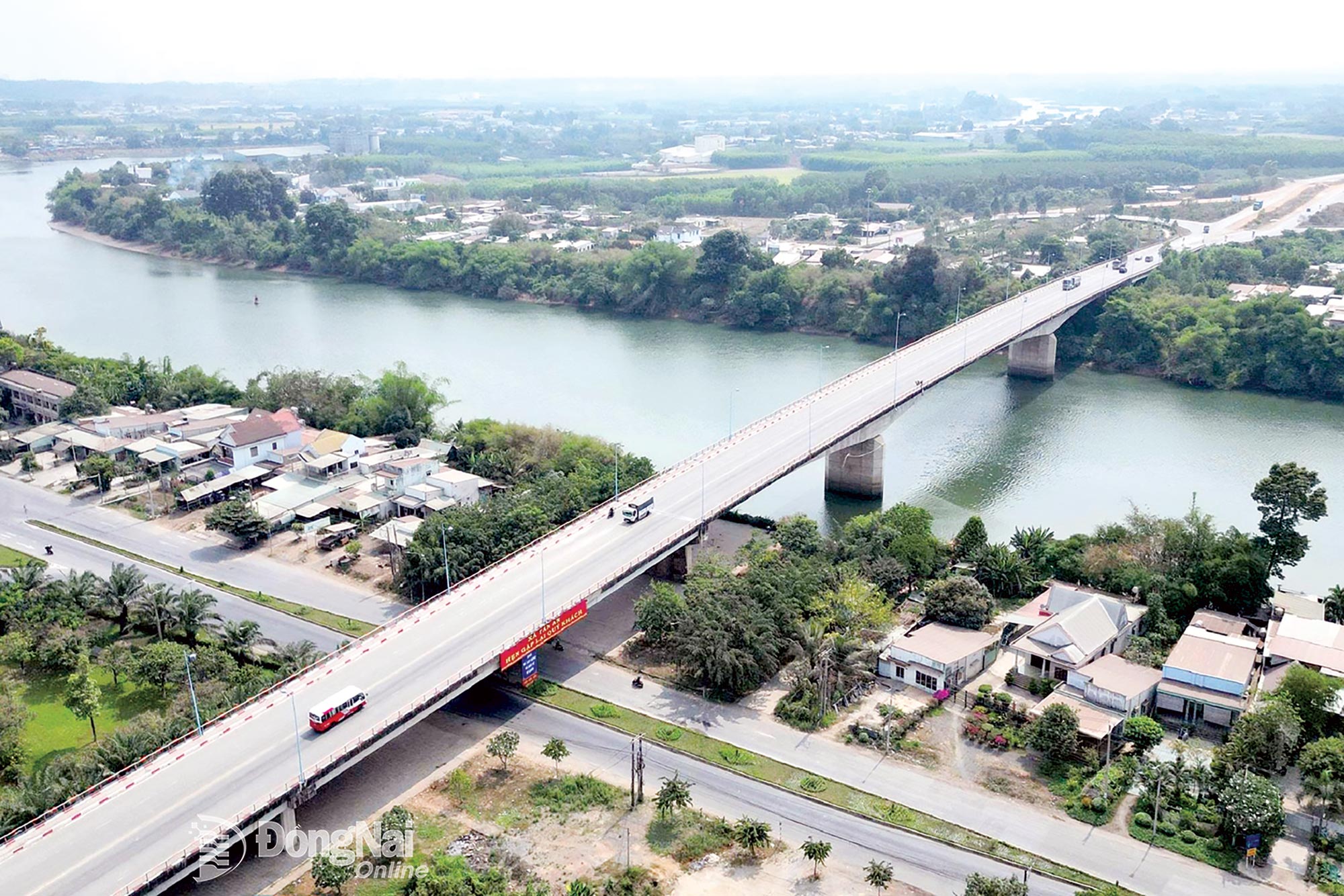 |
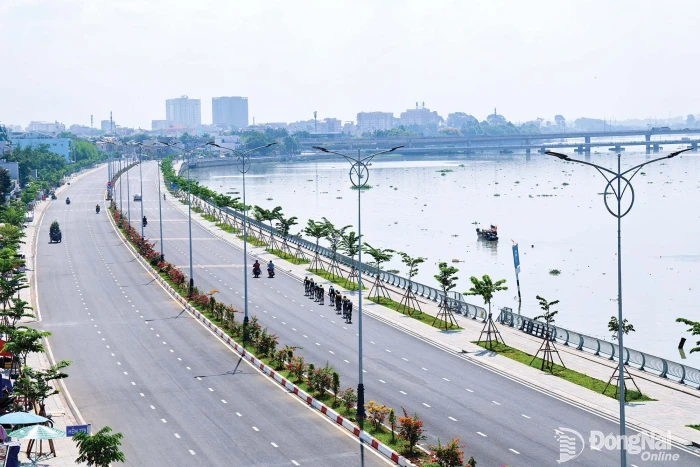
| The terminus of an expressway section under the Ho Chi Minh City’s Ring Road 4 project section through Dong Nai, at Thu Bien Bridge. Photo: Pham Tung |
As a key link connecting Ho Chi Minh City with the Central Highlands, the South-central coastal region and the Mekong Delta, Dong Nai is an important link in the region’s economic landscape. Therefore, under its socio-economic development strategy, the city is positioning infrastructure projects, urban areas and growth poles within a broader network of linkages with other localities in the region.
According to architect Khuong Van Muoi, former Vice Chairman of the Vietnam Association of Architects, Dong Nai is benefiting from multiple growth drivers, including Long Thanh International Airport, expressways, ring roads, seaports, industrial parks and new urban areas. Rather than developing each project separately, the city needs to connect them into an integrated network. It also needs to strengthen coordination with other localities in the region in planning, transport, logistics, environmental protection and essential services. Integrated connectivity among infrastructure and resources would allow the city to make better use of its advantages while creating more opportunities for businesses and residents.
Effective October 1, the Law on Urban Development will introduce provisions on decentralization linked to accountability, resource mobilization and improved governance efficiency. Meanwhile, Resolution No. 16 sets the goal of building Dong Nai into a “Civilized - Modern - Happy” city, moving toward a polycentric, green and smart urban area with global connectivity. Together, these provide an important legal foundation for Dong Nai to reshape its development space.
In line with orientations set by the Central government and the city, development space in the coming period will no longer be confined by administrative boundaries but will expand through stronger linkages in transport, the economy, urban development and ecology. The city's master plan is being integrated into national and Southeast region planning frameworks, while strengthening links among the urban economy, aviation economy, border-gate economy and domestic economy. This will enable Dong Nai to make more effective use of its potential and advantages, generate greater added value and make a larger contribution to the overall development of the region.
Infrastructure connectivity is the most important factor
Within the new development space, Long Thanh Airport is an important driver of Dong Nai's socio-economic development. It is not only an airport serving passengers and cargo but is also envisioned as a strategic transit hub connecting the aviation sector with seaports, logistics and modern services.
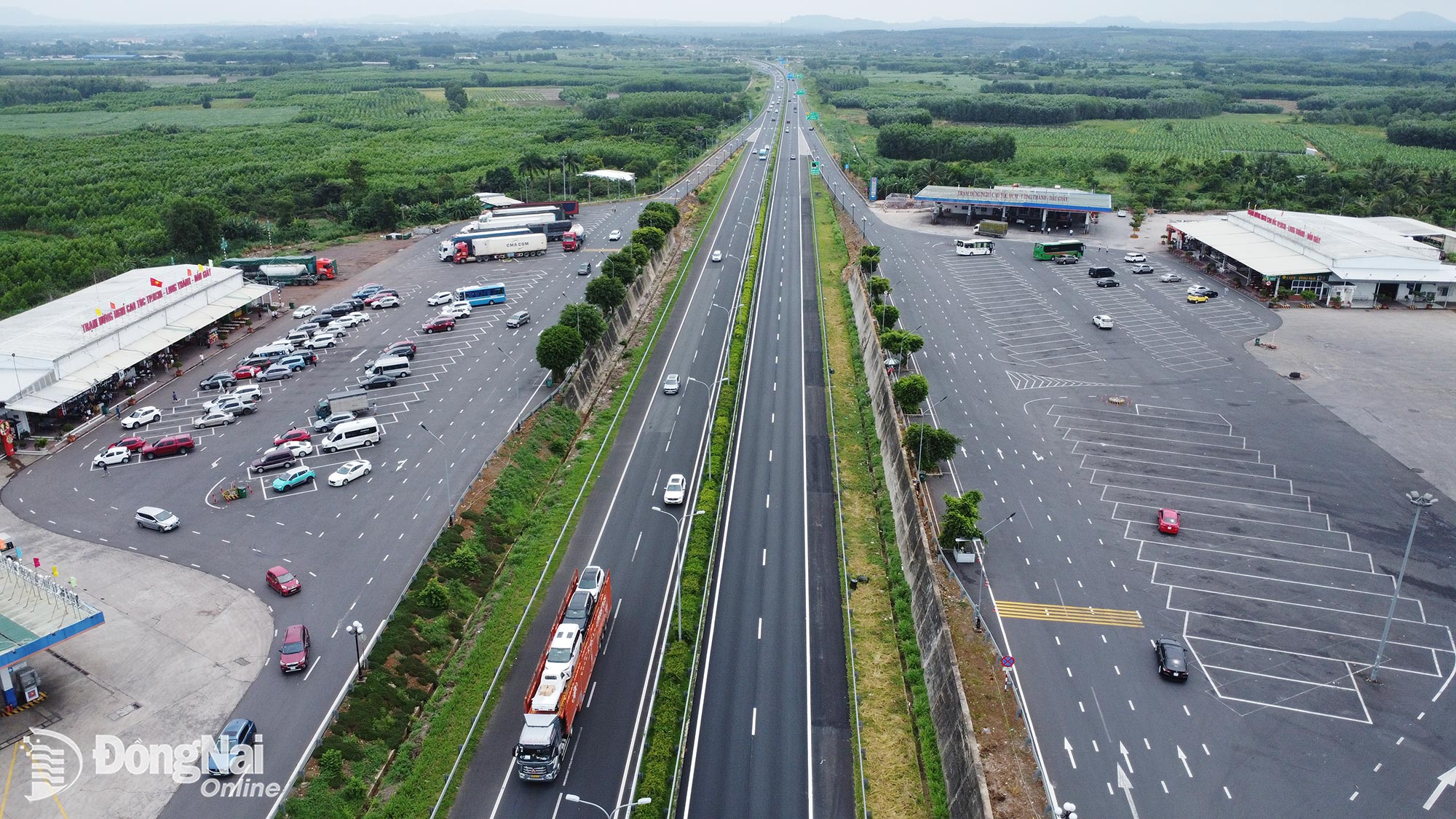 |
| The Ho Chi Minh City - Long Thanh - Dau Giay Expressway section running through Dong Nai. |
This orientation is specifically set out in Resolution No. 16, under which Dong Nai is to become an international airport city, a strategic growth pole and a gateway to global connectivity, while moving toward the development of an international-standard aviation and aerospace industry center and aviation economy.
To promote the airport's role, the central government and the city are accelerating work on ring roads, expressways and connecting routes, aiming to complete them in time for the airport to begin operations at the end of 2026. Once completed, this network will shorten travel distances between production centers, urban areas, seaports and the airport, creating favorable conditions for new supply chains to take shape.
Nguyen Van Ut, Deputy Secretary of the Dong Nai Party Committee and Chairman of the city People's Committee, said that becoming a city has enabled Dong Nai to make a strong transformation across three major pillars: the economy; development space and infrastructure; and people's quality of life. The city is not pursuing growth for its own sake, but focusing on building a civilized and livable urban area where residents can enjoy better healthcare, education, social infrastructure and a greener, safer living environment. Transport infrastructure is a key focus of these efforts, he said.
Duong Van Bac, General Director of Novaland Group, said strategic infrastructure projects, including the airport, ring roads, expressways and metro lines, would help drive large-scale urban, commercial and service development once completed. They would also generate greater demand for housing, social infrastructure and high-quality living spaces. The group's urban development project in Dong Nai is aimed at creating a modern living environment for residents and visitors, he said.
In addition to infrastructure and economic linkages, Dong Nai is also focusing on strengthening ecological connectivity. The Dong Nai River plays an important role in supplying water for production and daily life in Dong Nai and Ho Chi Minh City, while also creating an urban landscape corridor and contributing to climate change adaptation. The region's forests provide an ecologically valuable space for the entire Southeast region.
Linking other resources
In the near future, Dong Nai will have an international airport, a deep-water seaport, border-gate trade facilities and new-generation industrial parks. Once operational, these facilities will generate strong demand for human resources while creating room for development in logistics, services, trade and supporting industries. When these advantages are integrated into a single value chain, the value generated will extend beyond individual projects.
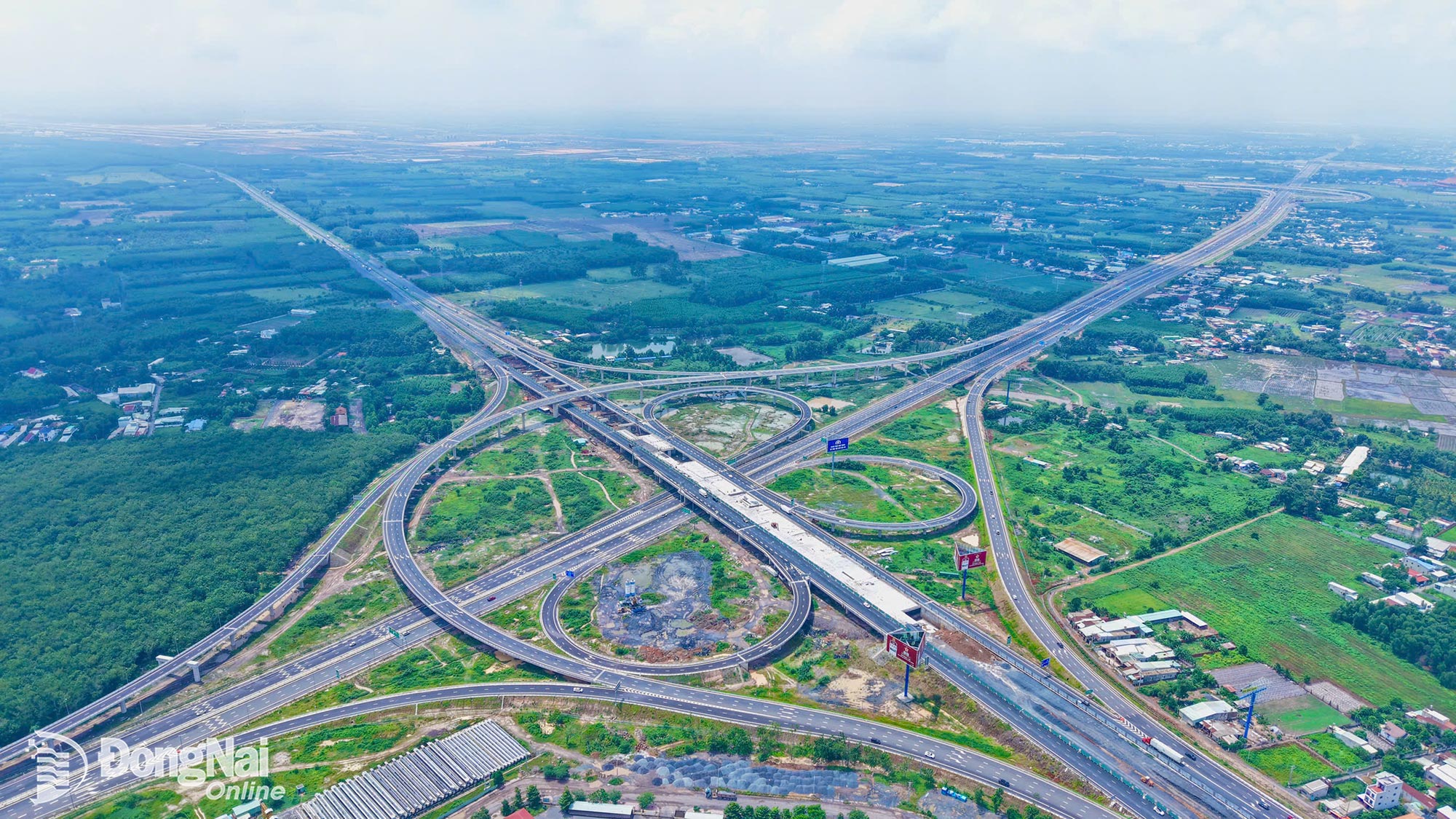 |
| A transport infrastructure project connecting to Long Thanh Airport is nearing completion. Photo: Cong Nghia |
Therefore, the key issue is to establish coordination mechanisms to ensure that these advantages do not develop in isolation. Resolution No. 16 sets the goal of making Dong Nai a strategic growth pole and a gateway to global connectivity, while calling for the city's master planning to be aligned with a new vision and approach to development.
The Law on Urban Development, with provisions on decentralization, resource mobilization and improved governance efficiency, will create more favorable conditions for the city to take a more proactive role in shaping its development. Greater decentralization also entails higher requirements for planning capacity, coordination and accountability in implementation.
As Dong Nai's development space expands, the need to connect and share resources with other localities is becoming increasingly pressing. Priority should be given to strengthening links in infrastructure, the economy, human resources and ecological protection, laying the foundation for coordinated development and more effective use of each locality's respective advantages.
The Law on Urban Development was passed by the National Assembly on August 24, 2026, and will take effect on October 1, 2026. Comprising five chapters and 66 articles, the law provides a legal framework and promotes decentralization and delegation of authority for urban areas, including Dong Nai.
From a business perspective, To Thi Thuy, General Director of Chuong Duong Homeland JSC, said that businesses had received support from city authorities in recent times, while policies had become more open and administrative procedures had been streamlined. The Law on Urban Development, with its orientation toward greater decentralization and delegation of authority, would enable local authorities to take a more proactive role in urban development while unlocking business resources, she said. Shorter procedures and reduced legal risks would enable land resources to be developed into projects sooner.
Clearly, new development drivers from the airport, transport infrastructure, industry, logistics and urban development are creating more favorable conditions for Dong Nai to expand its development space. The key is to turn individual infrastructure links into an integrated network, connect separate advantages into value chains and strengthen cooperation among localities to generate greater value for the entire region.
By H.Loc – Translated by M.Nguyet, Thu Ha


Thông tin bạn đọc
Đóng Lưu thông tin