
On October 27, Cat Tien National Park, located in Nam Cat Tien Commune, officially came under the management of the Dong Nai City People’s Committee pursuant to the Government’s Decision No. 2058/QD-TTg.
This historic handover is expected to open a new chapter in the park’s development while adding to the natural resource wealth of an industrial city like Dong Nai.
Ready for a new chapter
Covering nearly 72,000 hectares and being surrounded by more than 80 kilometers of the Dong Nai River, Cat Tien National Park is home to an exceptionally rich and diverse gene pool. The park plays a vital role in shaping ecosystems and conserving biodiversity, while also contributing significantly to livelihood development and improved living conditions for residents in surrounding buffer-zone communities.
 |
 |
 |
 |
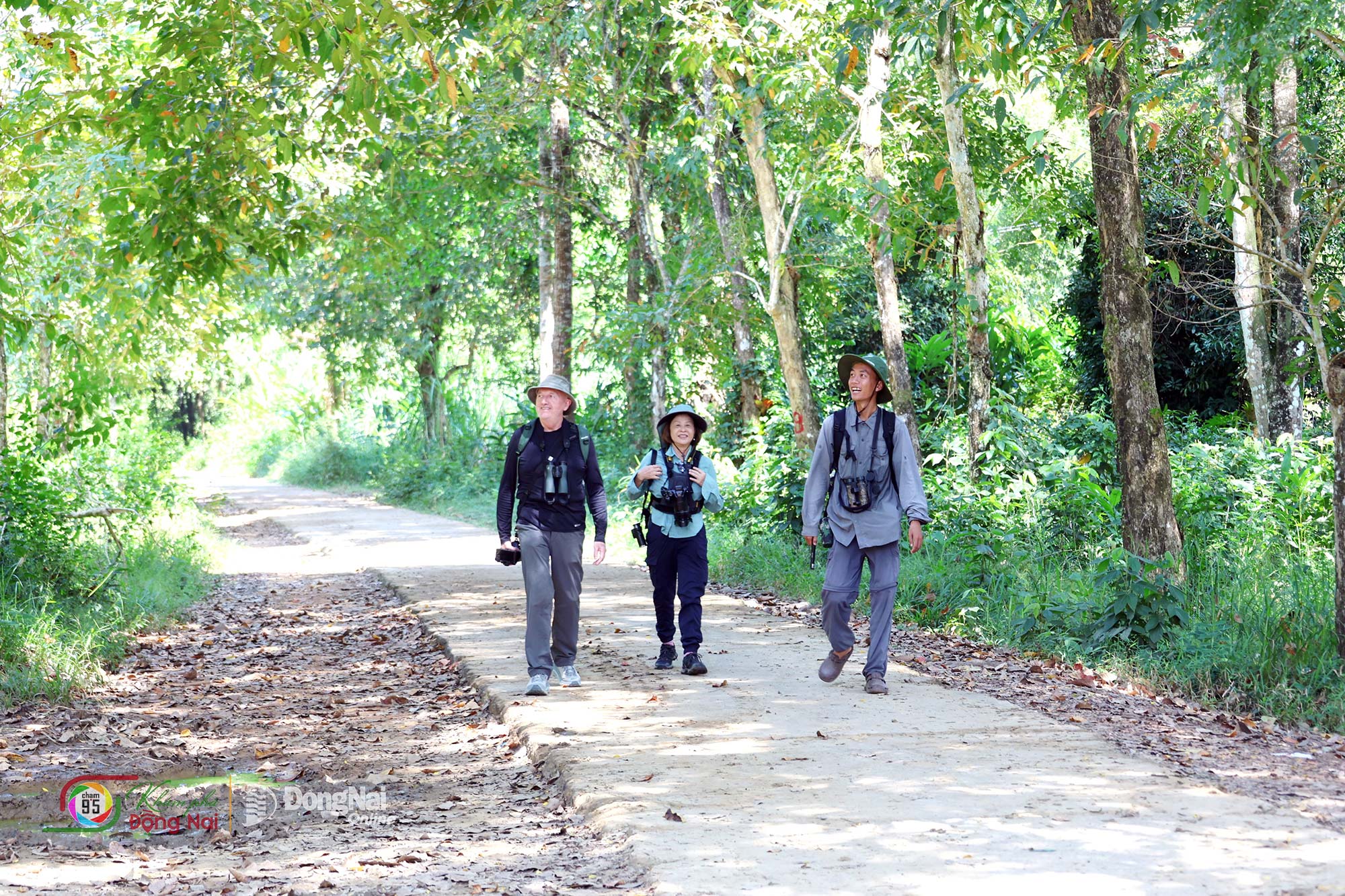 |
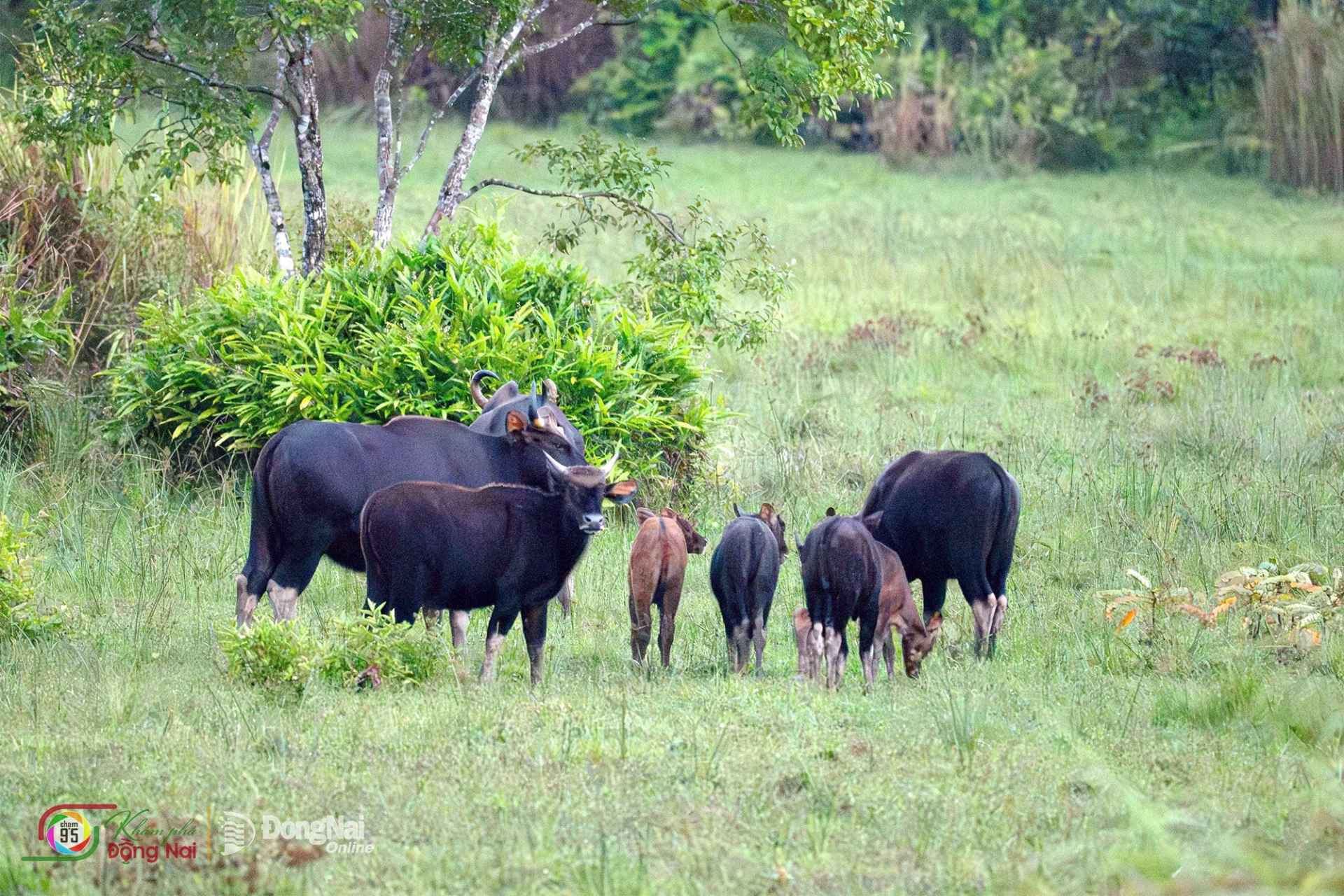
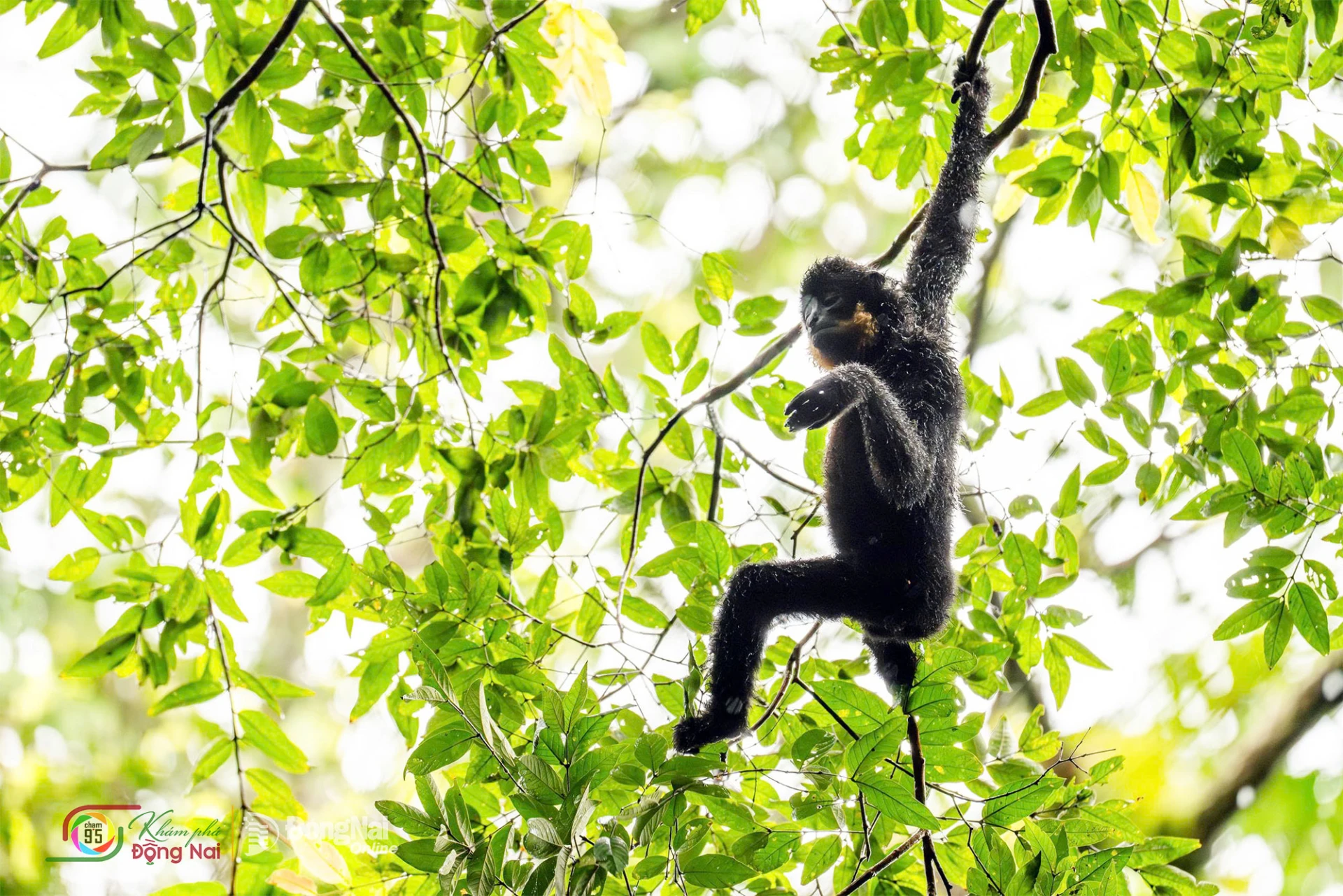
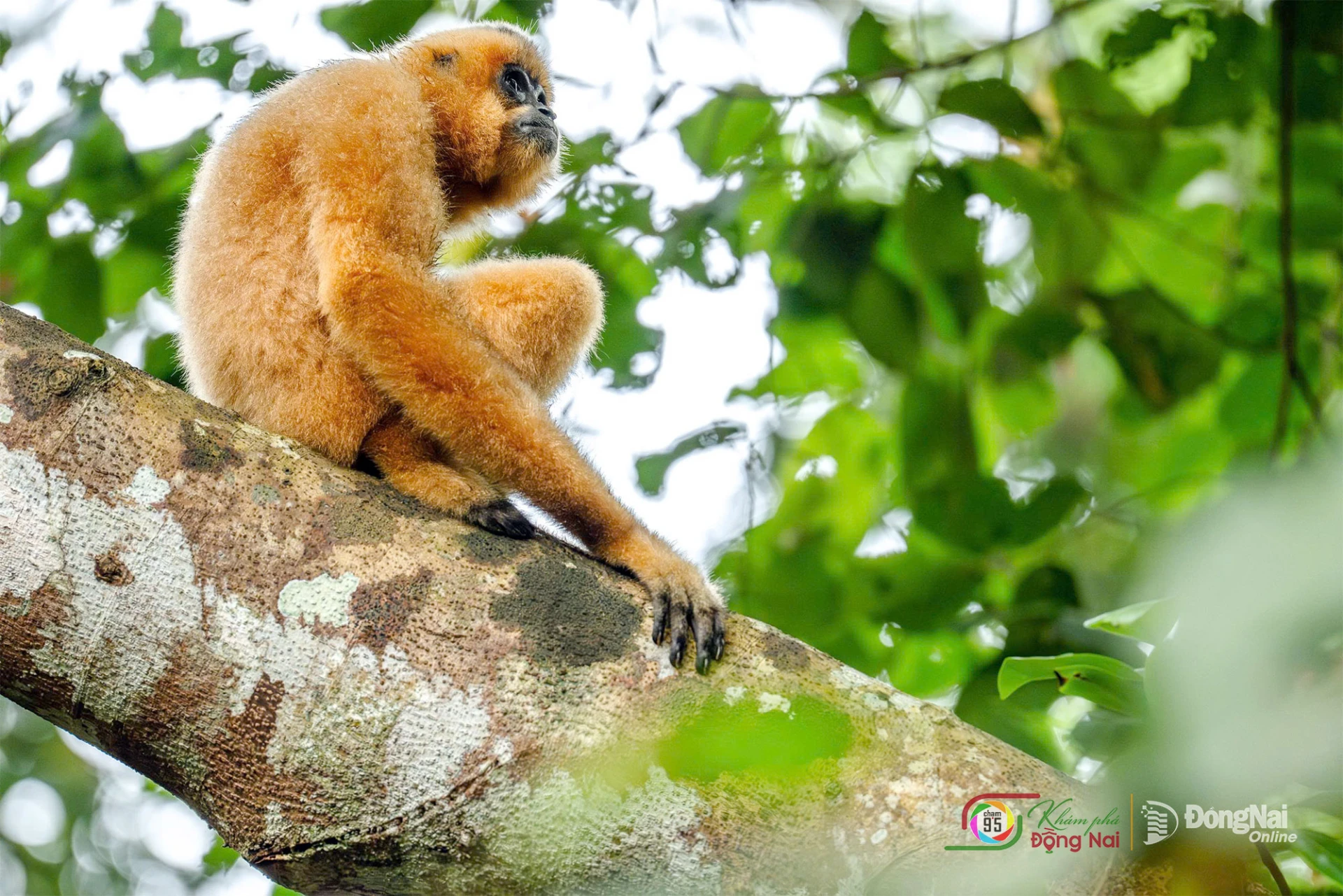
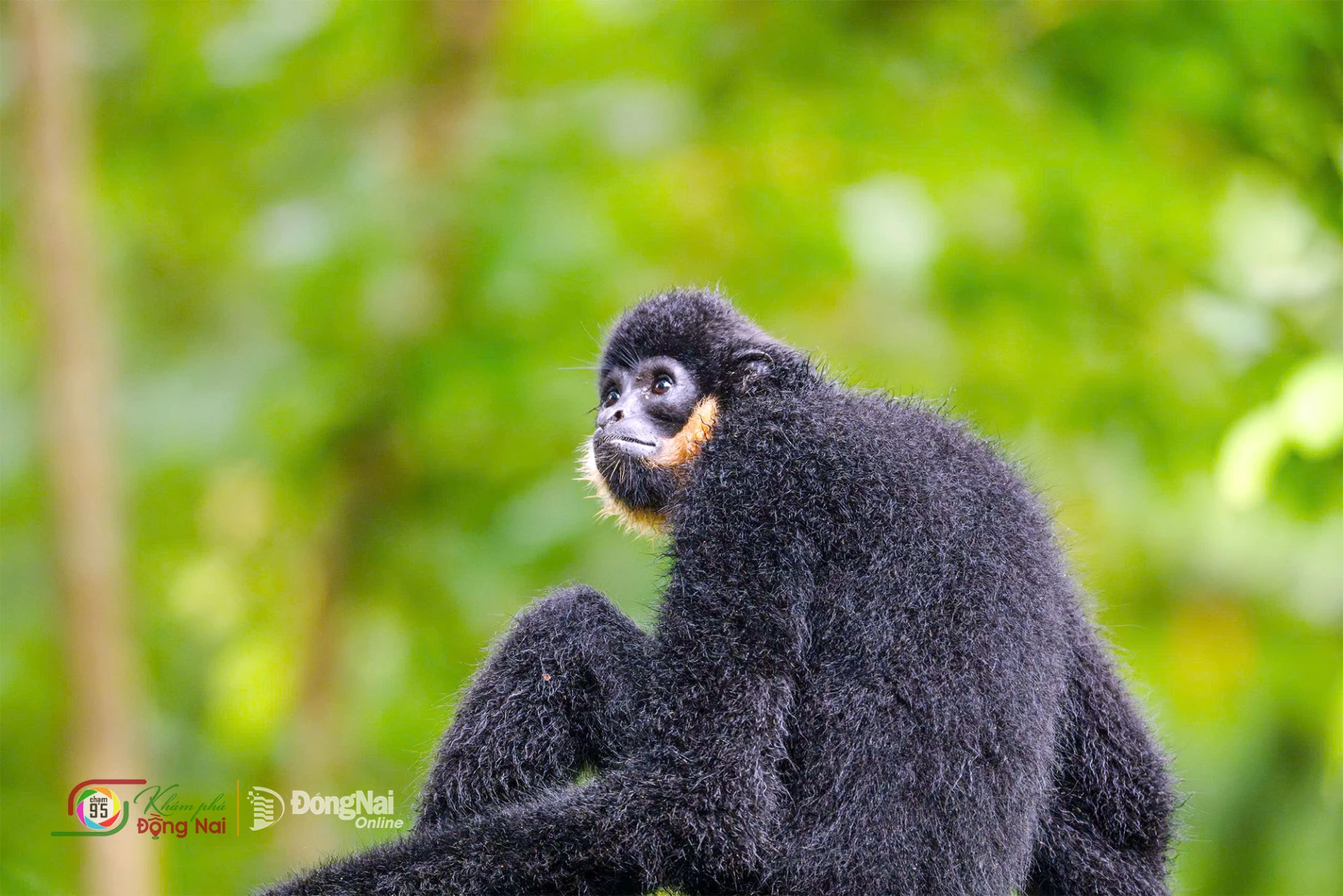
| Cat Tien National Park, now under the management of Dong Nai City, is one of Vietnam’s biodiversity treasures. Photo: Oxalis – Ngoc Lien |
Given its outstanding natural and cultural values and its importance for biodiversity conservation, the transfer of Cat Tien National Park from the Department of Forestry and Forest Protection under the Ministry of Agriculture and Environment to the Dong Nai City People’s Committee is expected to create new development opportunities for the park across multiple sectors.
Dr. Pham Huu Khanh, former Head of the Department of Science and International Cooperation at Cat Tien National Park, said the park boasts exceptionally rich biodiversity, including many rare natural resources and diverse forest ecosystems, particularly wetland ecosystems and the Bau Sau (Crocodile Lake) Ramsar site. These habitats constitute a rich and valuable gene pool for both Vietnam and the world. Dr. Khanh therefore hopes that, following the transfer to Dong Nai City, greater priority will be given to conservation. He also expects the city to introduce better support policies for forest rangers, including adequate equipment for forest patrols and protection, as well as measures to strengthen their professional capacity. In addition, he stressed the need to develop projects and solutions that create livelihoods for buffer-zone communities and improve residents’ quality of life. The park and local communities should work together to protect natural resources while sustainably utilizing their cultural and culinary values to develop tourism.
Nguyen Dinh Quoc Viet, Deputy Director of the Center for Environmental Education and Services at Cat Tien National Park, said the transfer process has been underway. Once the necessary procedures are completed, the park’s legal status and governing arrangements will be updated accordingly. Tourism activities will continue uninterrupted during the transition, he said. Cat Tien National Park is developing in line with the city’s strategic direction. The transfer presents an opportunity to establish Cat Tien as a center for green tourism, connected to transport infrastructure such as Long Thanh International Airport and the expressway network. This could help the park further enhance its tourism appeal.
A strategic vision
Cat Tien National Park is already one of the country’s and the world’s renowned ecotourism destinations. Every year, it welcomes hundreds of thousands of domestic and foreign visitors who come to explore and study its biodiversity, natural landscapes, and the cultural and spiritual traditions of ethnic communities in surrounding buffer-zone areas. Notable destinations include Ta Lai Community Tourism Village in Ta Lai Commune and various attractions in Nam Cat Tien Commune.
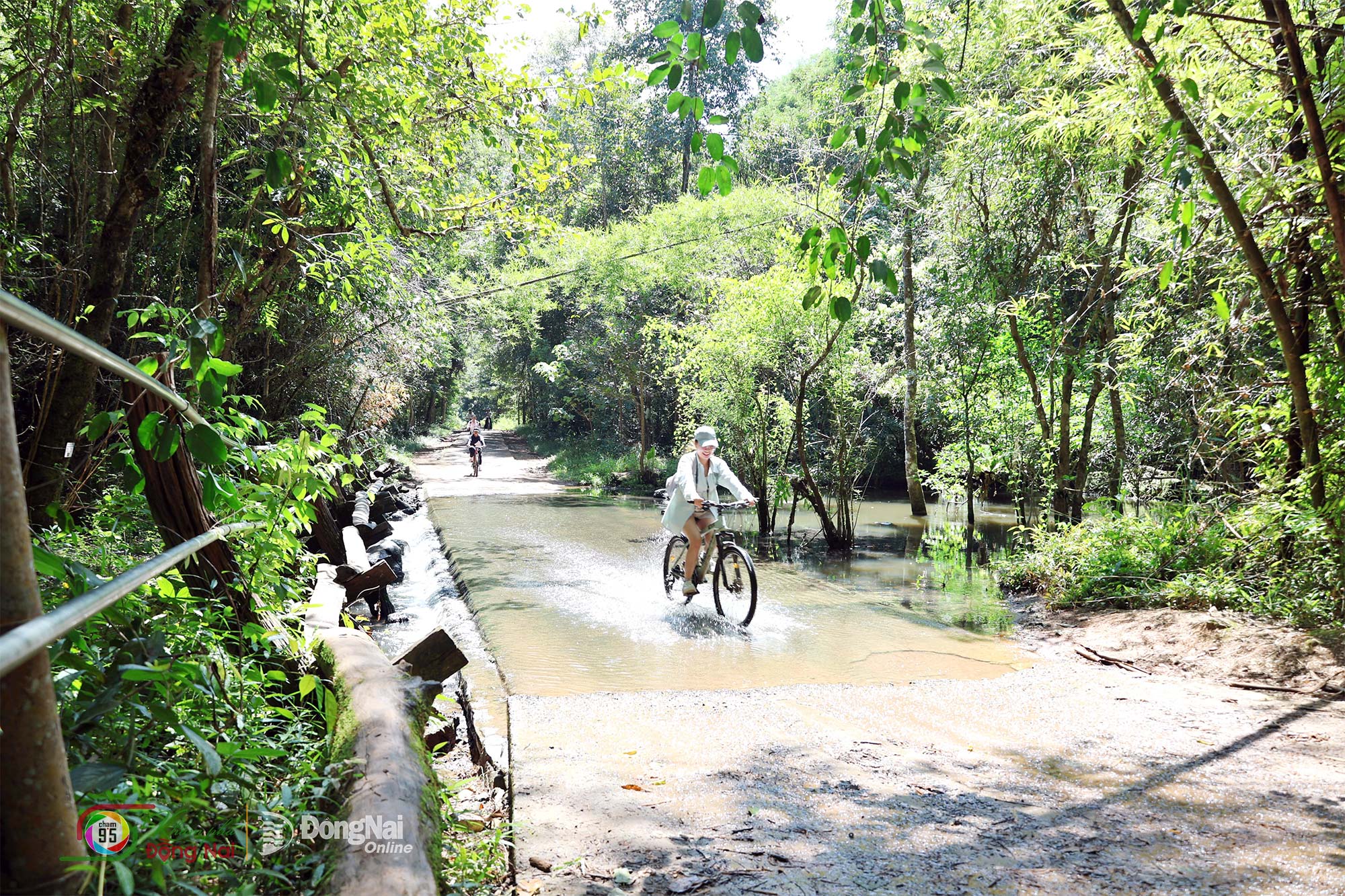 |
| During the rainy season, sections of the spillway in Cat Tien National Park become attractive spots for visitors to take check-in photos.. |
Notably, Resolution No. 10-NQ/TU of the Executive Board of the City Party Committee on developing tourism into a major economic sector outlines several tourism development corridors linked to Cat Tien National Park. These include a corridor connecting Long Thanh International Airport, Cat Tien National Park and Tan Phu Protection Forest; and another connecting Long Thanh International Airport, Cat Tien National Park and the Dong Nai Culture and Nature Reserve via Ma Da Road. The latter is intended to establish a “Green Heritage Journey” linking prominent destinations around Tri An Lake and northern Dong Nai, including Bu Gia Map National Park, Ba Ra–Thac Mo, Bom Bo Hamlet and Ta Thiet Base.
Sharing his views on the transfer of Cat Tien National Park, Dr. Vu Ngoc Long, Director of the Southern Institute of Ecology in Ho Chi Minh City, said the park had consistently received support from Dong Nai City authorities, even when it was managed by the Department of Forestry and Forest Protection under the Ministry of Agriculture and Environment. He considers the transfer to the municipal People’s Committee appropriate, describing Cat Tien National Park as a heritage site located within the city.
“The decision to place Cat Tien National Park under the direct management of the Dong Nai City People’s Committee reflects the consistency of the Government’s policies and approach. We look forward to seeing positive changes at the park and greater support from the city. We hope that authorities at all levels and local residents will join hands to strengthen conservation efforts and ensure that Dong Nai’s natural heritage continues to thrive,” Dr. Long said.
Cat Tien National Park was recognized by UNESCO as a World Biosphere Reserve in 2001. In 2005, the Secretariat of the Ramsar Convention recognized the Bau Sau wetland area as among the network of Ramsar sites of international importance. In July 2012, the Government designated Cat Tien National Park as a Special National Relic. In 2024, the park officially received Green List status from the International Union for Conservation of Nature (IUCN).
By Ngoc Lien - Translated by Mai Nga, Thu Ha



Thông tin bạn đọc
Đóng Lưu thông tin