
Since April 30, 2026, along with the upgrading of 10 local communes to wards, Dong Nai has officially become the country’s seventh city. Dong Nai residents hold high expectations for significant transformation and strong breakthroughs in the city’s future. In particular, both citizens and businesses expect technical infrastructure to be prioritized for rapid, high-quality investment, creating momentum for socio-economic development and improving people’s material and spiritual well-being.
In reality, after the merger, Dong Nai is among the leading localities nationwide in terms of economic scale, area, population, and growth. Dong Nai is also located at the gateway to the Southern region, adjacent to Ho Chi Minh City - one of the most dynamic cities in the country. With its current position, scale, and economic potential, Dong Nai will be a dynamic city and a new growth pole for the entire country.
Experts and businesses believe that Dong Nai City will generate new development momentum not only for Dong Nai itself but also contribute significantly to the Southern region and the country as a whole. Dong Nai is expected to evolve into a major urban center that shares functions and strengthens linkages with Ho Chi Minh City for mutual development, with the capacity to become a critical growth pole exerting spillover effects across the Southeast region and the entire country.
With its economy ranking fourth nationwide, along with consistently strong performance in state budget revenue, foreign direct investment attraction, export turnover, and trade surplus, Dong Nai has a solid foundation for breakthrough growth, aiming for double-digit annual growth.
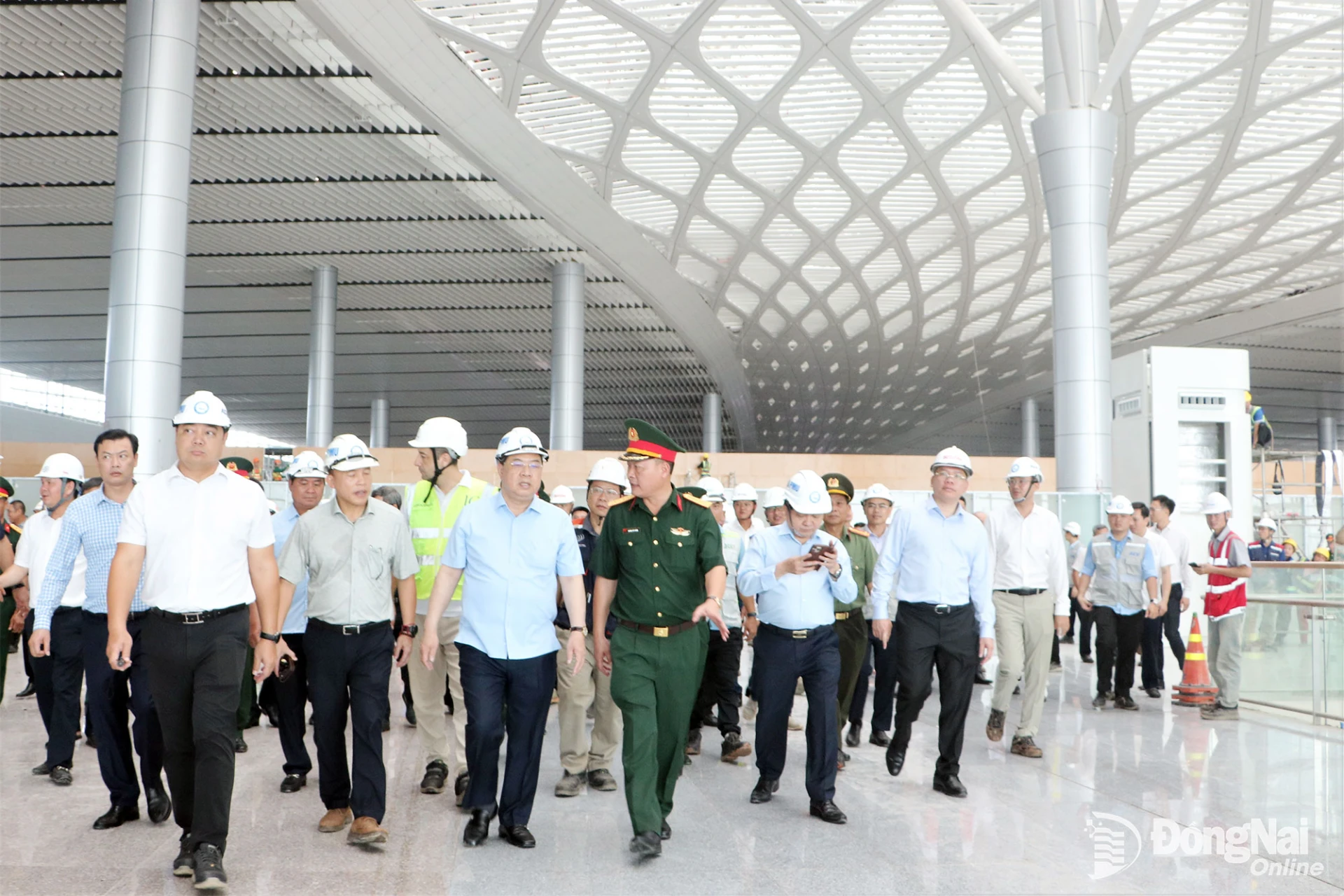
With its transportation infrastructure system being prioritized for investment, such as Long Thanh International Airport and inter-regional expressways, Dong Nai is no longer a "satellite" but has emerged as a development counterweight, forming a solid economic golden triangle together with Ho Chi Minh City and Can Tho in the South.
For residents and businesses, Dong Nai’s elevation to city status must be accompanied by tangible changes in its urban landscape. There is strong expectation from local residents for a revolution in technical infrastructure, not only wider roads but also smart transportation systems, modern digital infrastructure, and public amenities befitting a first-grade city.
A livable city must offer high-tech healthcare services, international-standard education, and diverse cultural spaces. However, managing a large-scale city requires a dynamic, streamlined, and efficient urban governance system. Challenges such as environmental pollution, rapid population growth due to migration, and disparities in living standards among communes and wards remain issues that require well-considered solutions.
Today, Dong Nai has taken on a new look. Its transformation for the greater national cause calls for concerted efforts from the entire political system. It requires the courage to think boldly, act decisively, and break away from old management mindsets to match the stature of a city.
The establishment of Dong Nai City is a symbolic milestone reflecting the Dong Nai people’s aspirations to rise in a new era. With strong internal resources, a strategic position, and unified public support and expectations, Dong Nai not only serves as a growth engine for the Southern region but also will soon assert its name among the most dynamic urban centers in the region.
By Minh Luan - Translated by Mai Nga, Thu Ha


Thông tin bạn đọc
Đóng Lưu thông tin