
Dong Nai officially becomes a city on April 30, 2026, making it the seventh city in Vietnam after Hanoi, Ho Chi Minh City, Hue, Da Nang, Hai Phong and Can Tho. The milestone marks a transformative step for a locality long regarded as one of the country’s industrial powerhouses, opening up new opportunities and advantages for development commensurate with its first-class urban center, and becoming a more attractive destination for investors.
 |
| The lower reaches of the Dong Nai River in Nhon Trach are developed and promoted to attract investment in modern urban areas. Photo: Cong Nghia |
On this occasion, reporters from Dong Nai Newspaper and Radio, Television continue to gather insights and proposals from officials, Party members and people from all walks of life, reflecting their expectations for the city’s future development.
 |
Nguyen Thi Hoang, Member of the City Party Committee and Vice Chairwoman of the municipal People’s Committee:
Great potential for development of high-tech agriculture
Dong Nai is not only one of Vietnam’s most dynamic industrial localities, but also a land rich in agricultural potential, with more than one million hectares of farmland, favorable natural conditions and a suitable climate. The city is home to several large-scale key products that rank among the country’s top products, including rubber, cashew, bananas and durian. Among them, many agricultural products have also built strong brands linked to geographical indications, such as Tan Trieu pomelo, Binh Phuoc cashew and Long Khanh rambutan.
In 2025, Vietnam’s agricultural, forestry and fishery exports reached a new record of over US$70 billion. Against this positive backdrop, Dong Nai’s agricultural exports posted impressive figures, with major items including cashew products worth nearly US$2.8 billion, coffee nearly US$1.6 billion, rubber more than US$1.3 billion, and wood and wood products close to US$1.7 billion. These achievements have reinforced the province’s position on the global agricultural map.
Developing green agriculture, high-tech agriculture, and climate-resilient agriculture in pursuit of net-zero targets is set to define Dong Nai’s agricultural strategy in the new phase. To this end, authorities at both provincial and local levels will create the most favorable conditions for investors in agriculture and rural development, especially in attracting investment in deep processing to generate higher added value.
 |
Le Thi Ngoc Loan, Member of the City Party Committee and Director of the Department of Culture, Sports and Tourism:
Tourism is ready for takeoff
Dong Nai’s tourism sector has been building the capacity needed for a breakthrough, drawing not only on its existing potential but also on strong political will, long-term vision and systematic preparation, with the goal of turning the city into an attractive destination in the Southeast region and nationwide.
Accordingly, Dong Nai will focus on preserving, restoring and promoting the historical and cultural values of the Bien Hoa – Dong Nai region, which boasts nearly 330 years of formation and development. Tourism is also being positioned as a strong economic sector.
In addition, the city has planned key tourism zones at Tri An Lake, Chua Chan Mountain, Cat Tien National Park, Bu Gia Map National Park, Ba Ra – Thac Mo, Soc Bom Bo, War Zone D and Ta Thiet historical site. Plans are also underway for an international conference and resort center near Long Thanh International Airport, while tourism linkages and a smart tourism ecosystem tied to digital transformation will be strengthened.
Dong Nai has already secured investment policy approvals for a number of tourism projects worth tens of trillions of VND. Major projects include the Chua Chan Mountain eco-tourism, resort and entertainment complex; eco-tourism projects under forest canopies in the Dong Nai Nature-Culture Reserve, the Management Board of Tan Phu and Long Thanh protection forests, and Cat Tien National Park; as well as the Son Tien eco-tourism project.
These developments, she said, will provide a solid foundation for Dong Nai to continue attracting investment, allocating resources effectively and establishing special mechanisms for tourism development. The tourism industry is ready to take off once existing obstacles are removed and the investment climate becomes more favorable.
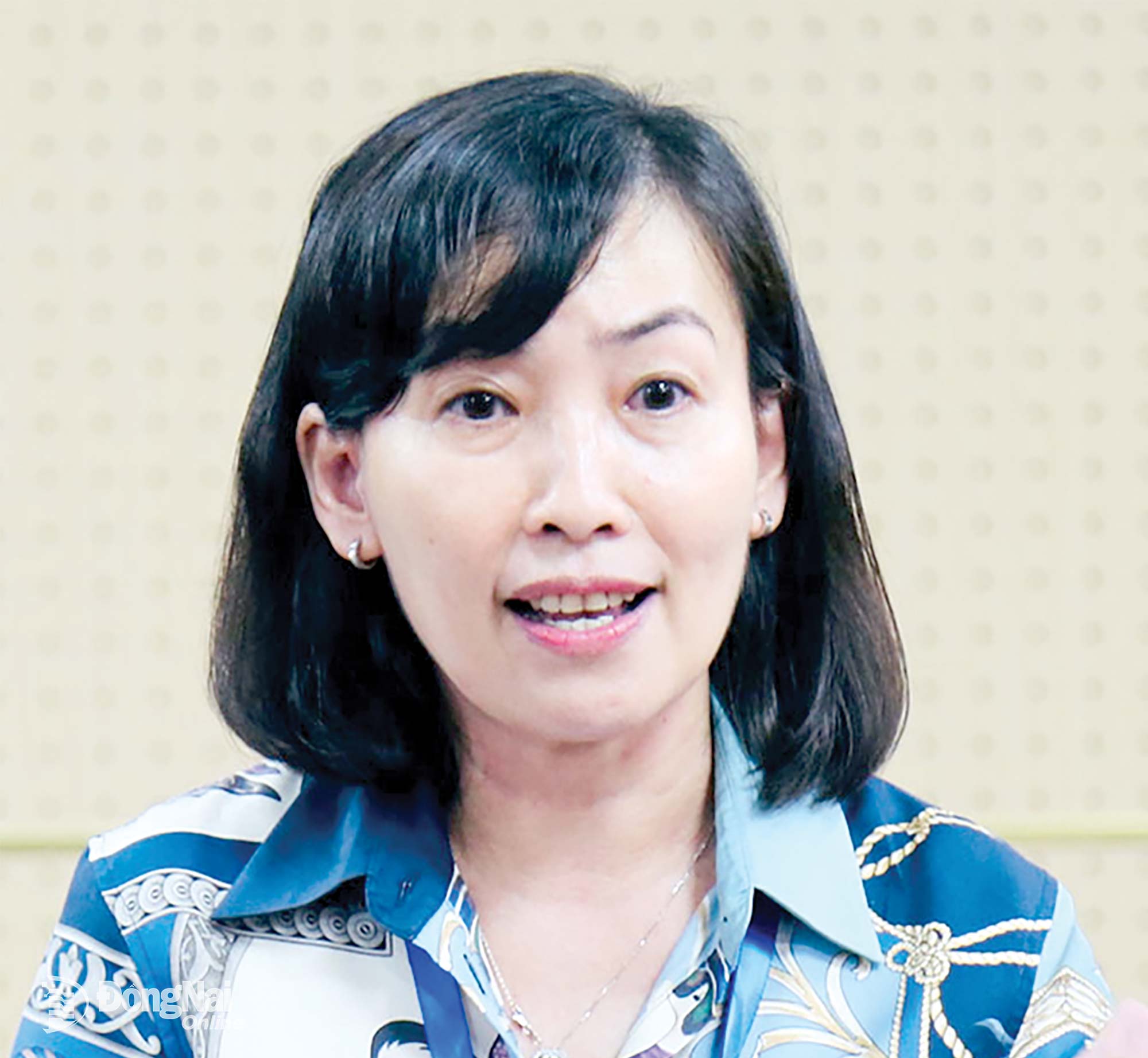 |
Truong Thi Kim Hue, Member of the City Party Committee and Director of the Department of Education and Training:
Education to undergo comprehensive reform in line with city status
Dong Nai’s education sector is among the largest in Vietnam in terms of schools, classes, and student enrollment, ranking just behind Hanoi and Ho Chi Minh City. As Dong Nai transitions into a city, the sector recognizes the need for even more comprehensive reform to meet rising demands, particularly in teaching quality and human resource development.
The sector will continue advising the City Party Committee and People’s Committee on strategic investments in school infrastructure, ensuring both the quantity and quality of teachers while simultaneously renewing teaching methods. Digital transformation, the application of artificial intelligence in management and instruction, and improved English education will play especially important roles as Dong Nai pursues rapid development and deeper international integration.
 |
Rogelio Polanco Fuentes, Cuban Ambassador to Vietnam:
Dong Nai city stands as a model of development
I would like to congratulate Dong Nai on its achievements, particularly its transition to a city-level governance model. I believe Dong Nai will introduce new mechanisms to drive the city’s comprehensive development, while its agencies and departments will benefit from more favourable conditions for management and administration.
As we know, the relationship between Vietnam and Cuba was established by Fidel Castro and President Ho Chi Minh, and it is our shared responsibility to preserve this steadfast friendship for younger generations to understand and maintain. Over the years, Dong Nai has consistently demonstrated solidarity and support for the Cuban people. I hope people-to-people diplomacy and local-level cooperation will continue to deepen.
Dong Nai is now one of Vietnam’s leading industrial centers, while also standing out for its ability to attract foreign investment and improve living standards. These achievements position Dong Nai city as an exemplary model for the development orientation Vietnam is pursuing.
 |
Jung Jung Tae, Consul General of the Republic of Korea in Ho Chi Minh City:
Dong Nai city should clearly define priority sectors
I hope the new Dong Nai city will enjoy broader autonomy in governance and administration. In particular, financial and budgetary management is expected to become more autonomous and effective, with stronger implementation of revenue and expenditure activities based on tax resources.
Moreover, the city will be in a better position to define priority sectors in policymaking and implementation, thereby concentrating resources and boosting investment in strategic areas. Infrastructure development to support businesses, as well as the quality of public services, is also expected to improve in a more coordinated and efficient manner.
Notably, Dong Nai city will have more attractive investment attraction mechanisms to create an increasingly professional and modern business environment. The new city is poised to become an important growth pole of Vietnam and a crucial link in regional development, fostering a modern and sustainable logistics ecosystem integrated into global supply chains. It will undoubtedly emerge as a powerful magnet for domestic and foreign investors, especially Korean enterprises.
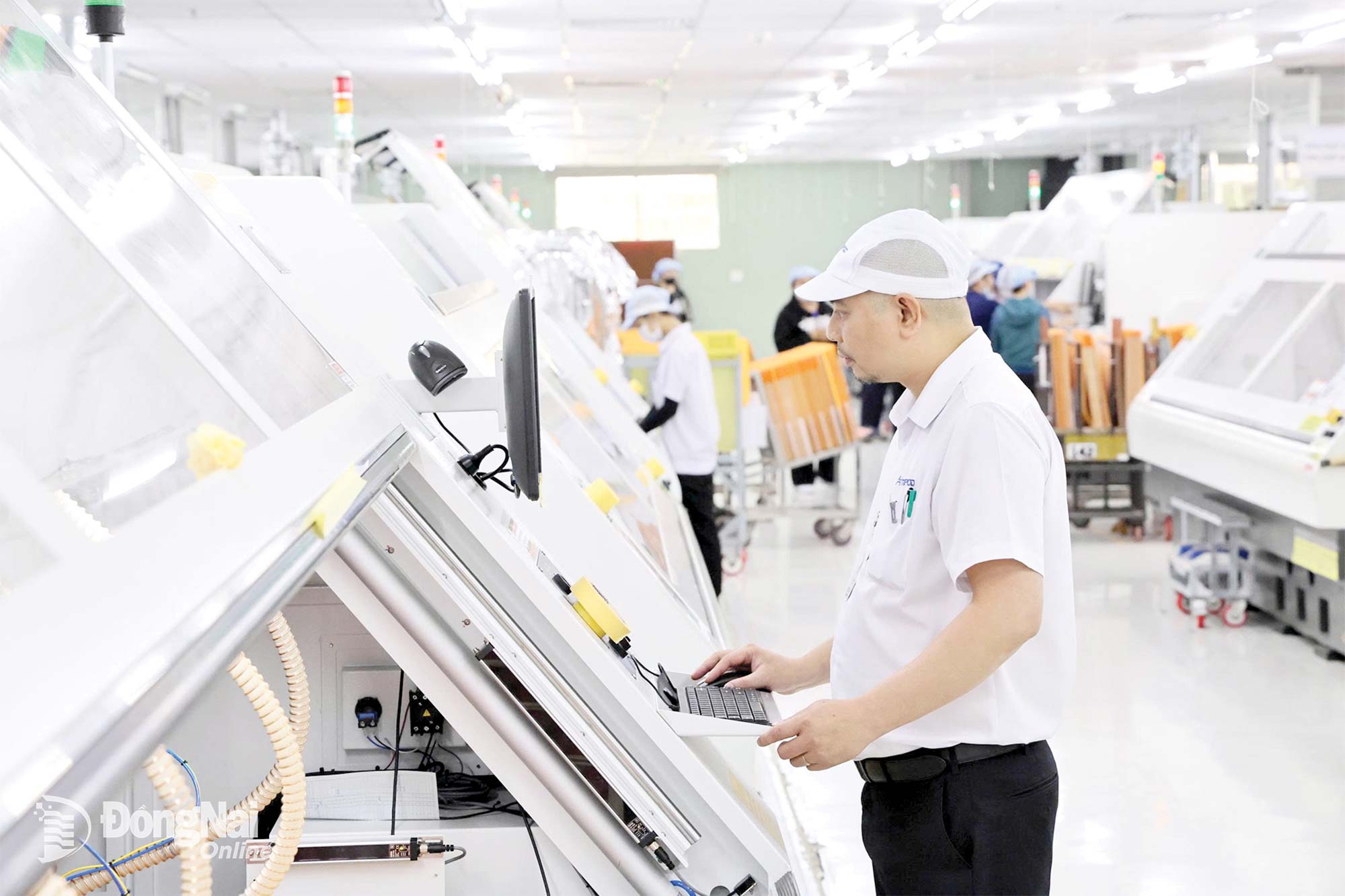 |
| Engineers at Tripod Vietnam Co., Ltd. in Bien Hoa 2 Industrial Park operate photolithography equipment. Photo: Cong Nghia |
 |
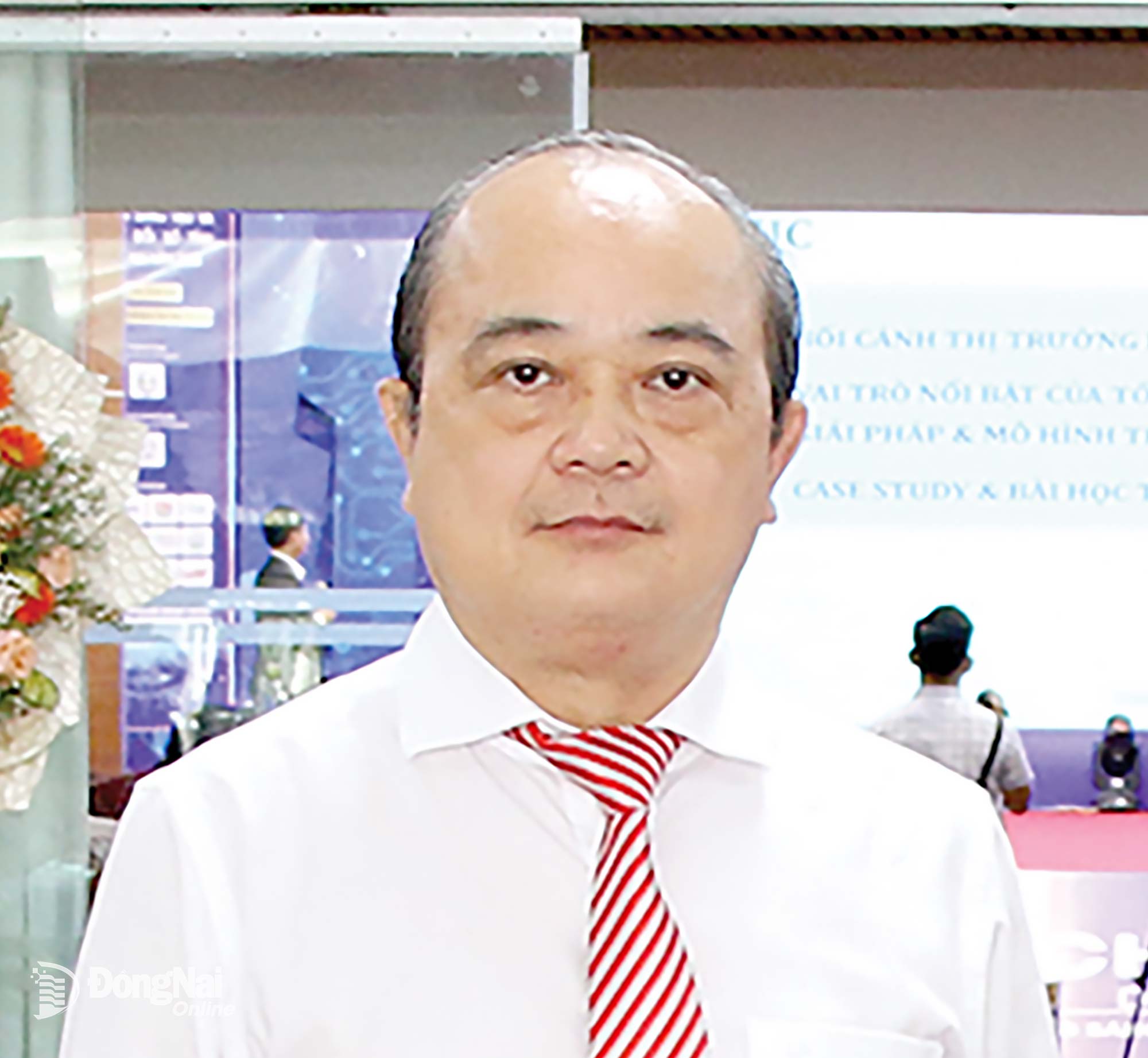
Nguyen Minh Kien, Member of the City Party Committee, Vice Chairman of the City Fatherland Front Committee and Secretary of the City Youth Union:
Contributing actively to local development
After 51 years since liberation, Dong Nai has undergone remarkable transformation, rising from a war-affected land to one of Southern Vietnam’s most dynamic localities, with a modern industrial base, increasingly synchronized infrastructure and steadily improving living standards.
The National Assembly’s adoption of the Resolution establishing Dong Nai city, effective from April 30, 2026, has further amplified this sense of pride. The event marks the province’s maturity after years of development and creates new momentum for stronger breakthroughs in the economy, infrastructure, urban quality, social governance and people’s livelihoods.
As Dong Nai enters this pivotal stage, young people must demonstrate the highest political resolve, becoming more proactive, resilient and innovative so as to fully play their role and contribute positively to local development. This requires a mindset of initiative, integration and creativity, along with knowledge, skills and responsibility in building a modern, humane and sustainable urban society. In addition, they must develop knowledge, skills and resilience, while embracing responsibility, civility, discipline, respect for the community, environmental awareness and the rule of law, thereby helping build a modern and humane Dong Nai.
 |
Vo Hoang Khai, Deputy Director of the Department of Science and Technology:
Supporting enterprises in digital transformation
The Department of Science and Technology will accelerate administrative reform in tandem with digital transformation, refine electronic procedures and integrate all services onto digital platforms to ensure faster, more transparent and convenient access for citizens and businesses.
The goal is to build a modern administration centered on people and enterprises, especially as Dong Nai enters a new stage as a city.
To strengthen the innovative startup ecosystem, the department will focus on improving mechanisms and policies, particularly support for business digital transformation and adoption of new technologies.
Attention will also be given to developing high-quality human resources and expert networks to directly support startups and entrepreneurs. New technologies, including AI, will be applied to administrative support services, enhancing user experience for both citizens and businesses.
With these synchronized solutions, the department is committed to creating a more favorable environment for enterprises to access policies more quickly and effectively, thereby fostering a stronger innovation ecosystem across the city.
 |
Bui Thi Bich Thuy, Vice Chairwoman of the City Labor Federation:
Carrying forward the proud legacy of previous generations
Dong Nai, a land with a rich revolutionary tradition, is rising strongly in the era of industrialization and modernization and is fully commensurate with its standing as one of Vietnam’s most dynamic localities.
On the occasion of the April 30 anniversary, this is a source of pride and a reminder of the responsibility to preserve and promote that legacy. It serves as motivation for workers, civil servants and employees to continue striving, overcoming difficulties and fostering creativity in their work and production.
As a major industrial center attracting both domestic and foreign investment, Dong Nai has created jobs for millions of workers. Its workforce has matured significantly, demonstrating not only technical skills but also discipline, industrial professionalism and a high sense of responsibility. They are the key driving force behind the province’s rapid and sustainable development.
As the representative body tasked with safeguarding workers’ rights, the City Labor Federation sees preserving the spirit of April 30 not merely as historical education, but as a commitment to practical action: promoting patriotic emulation, improving workers’ material and spiritual lives, and building harmonious, stable and progressive labor relations in enterprises. The Trade Union also prioritizes nurturing ideals and political awareness among its members, ensuring that every worker not only excels in their profession but also upholds their responsibilities as a citizen.
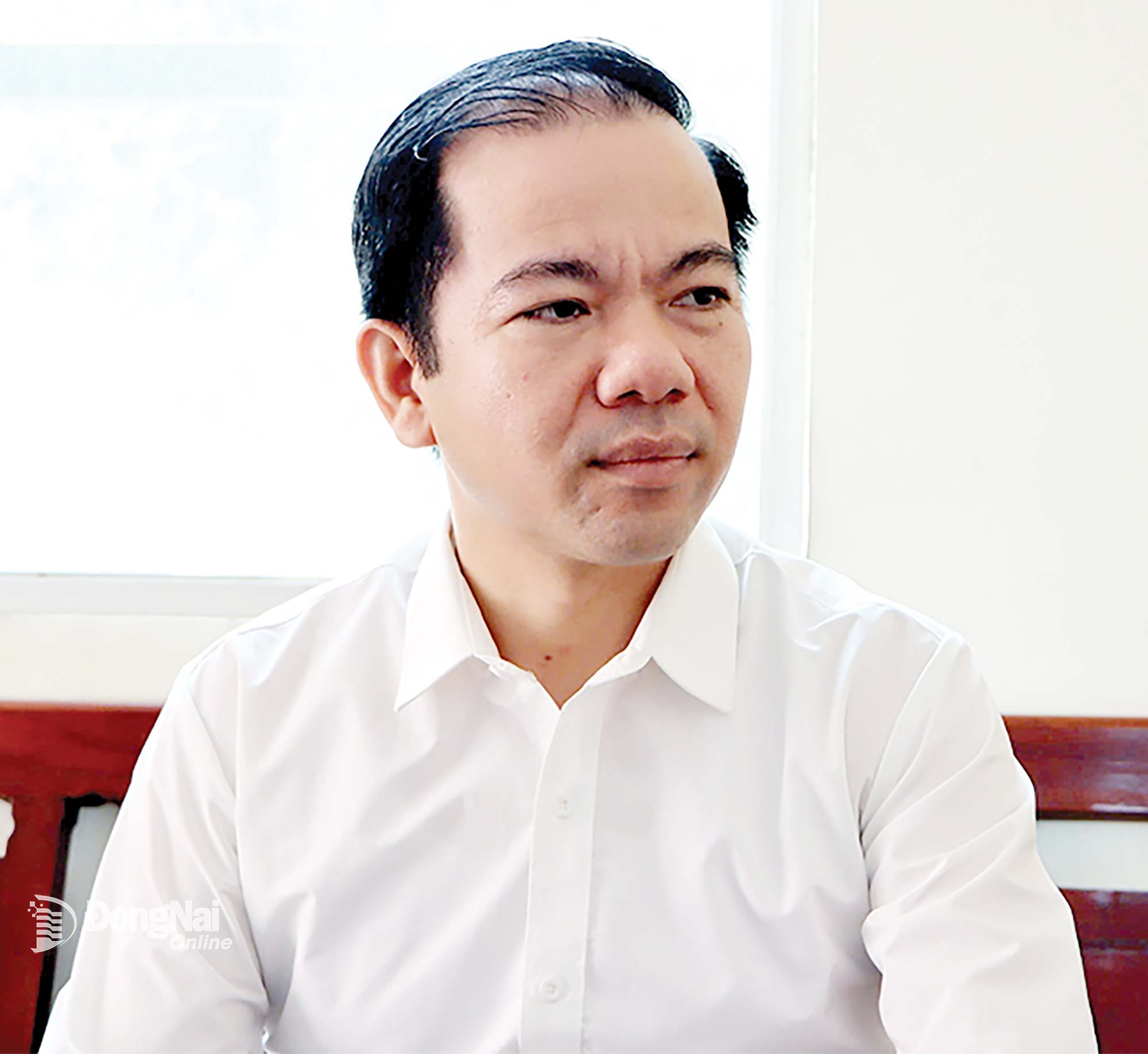 |
Assoc. Prof. Dr. Vu Tuan Hung, Director of the Institute of Social Sciences in the Southern Region under the Vietnam Academy of Social Sciences:
Focusing on linkages and human resources development
In its new status as a city, Dong Nai enters a new position with greater opportunities, particularly in science and technology. To advance innovation, digital transformation and scientific development, the locality must prioritize human resources as a central pillar.
A stable, committed and highly qualified workforce is essential to meeting the new demands of development.
Alongside this, the city should strengthen linkages and improve the effectiveness of research and technological applications aligned with local realities.
With determination and effort, Dong Nai can further harness its strengths and elevate science and technology activities to a new level.
 |
Tran Quang Toai, Chairman of the Dong Nai Historical Science Association:
Preserving and promoting heritage values
Alongside economic development, Dong Nai’s transition into a city must go hand in hand with stronger attention to preserving and promoting cultural heritage, which serves as a crucial foundation for sustainable growth.
Foremost among these is the Dong Nai River heritage. More than a natural asset, the river is a historical witness to the southern region’s development. Since the early period of territorial expansion, it has been a hub for settlement and vibrant trade, contributing to shaping Dong Nai’s distinctive economic and cultural identity.
Industrial heritage is another valuable asset that deserves recognition, preservation and promotion.
The city’s extensive revolutionary and patriotic historical sites also serve as “red addresses” for educating younger generations.
Particularly as major projects such as the urban development linked to Long Thanh International Airport move forward, archaeology should precede construction to prevent the loss of precious traces beneath the ground.
Consideration should also be given to granting heritage status to Pho Islet, a uniquely significant area in Southern Vietnam associated with the history of territorial expansion and reclamation. Home to many spiritual sites and festivals recognized as national intangible cultural heritage, Pho Islet could become the centerpiece of a cultural tourism route along the Dong Nai River, from Nguyen Huu Canh Street to Ong Pagoda, with the development of inland waterway docks and river-based tourism products to support sustainable growth.
By Group of Reporters – Translated by M.Nguyet, Thu Ha


Thông tin bạn đọc
Đóng Lưu thông tin