
Drawing from practical experience with the locality to a policymaking perspective, Nguyen Tuan Anh, Deputy Head of the National Assembly’s Committee for Deputy Affairs, shared his insights into the significance of Dong Nai’s ambition to become a centrally governed city—a milestone long anticipated by voters and one that opens up broader development space and deeper regional connectivity in the new phase.
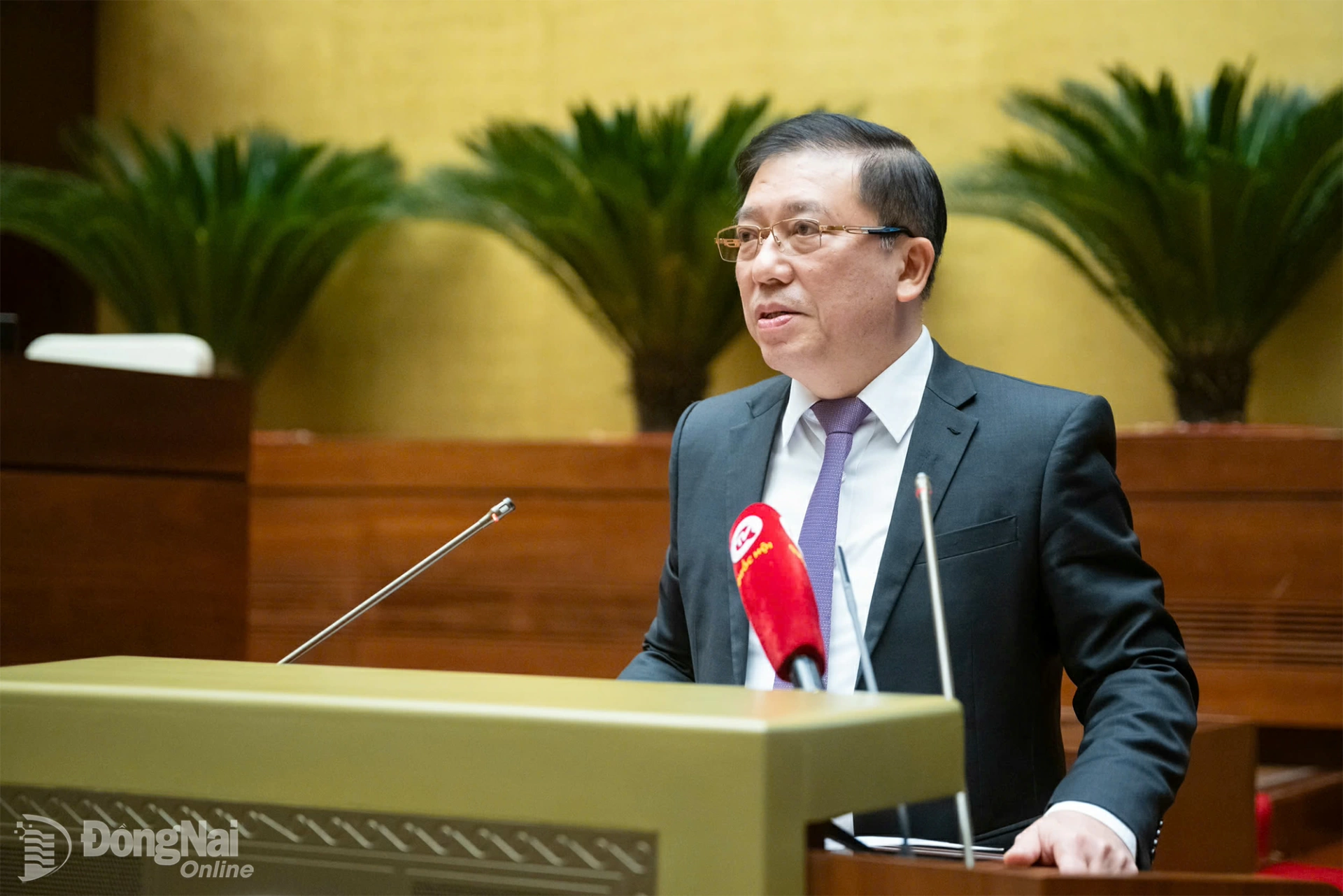 |
| National Assembly deputy Nguyen Tuan Anh. |
As a National Assembly deputy for several terms in the locality, as Dong Nai is about to become a centrally governed city, how have you and the voters been anticipating this?
Dong Nai’s elevation to a centrally governed city is not only my personal anticipation, but also a long-standing desire and expectation accumulated over many years by voters and people in the region.
Through voter meetings, a common desire has been evident: faster and more synchronized infrastructure development, improved living standards, and stronger overall growth. And of course, I personally share these desires and aspirations. Dong Nai's preparation to become a centrally governed city is seen as a concrete step to realize those expectations. This is a milestone showing that a long process of striving has yielded results, while also openning up opportunities to realize larger goals in the coming time.
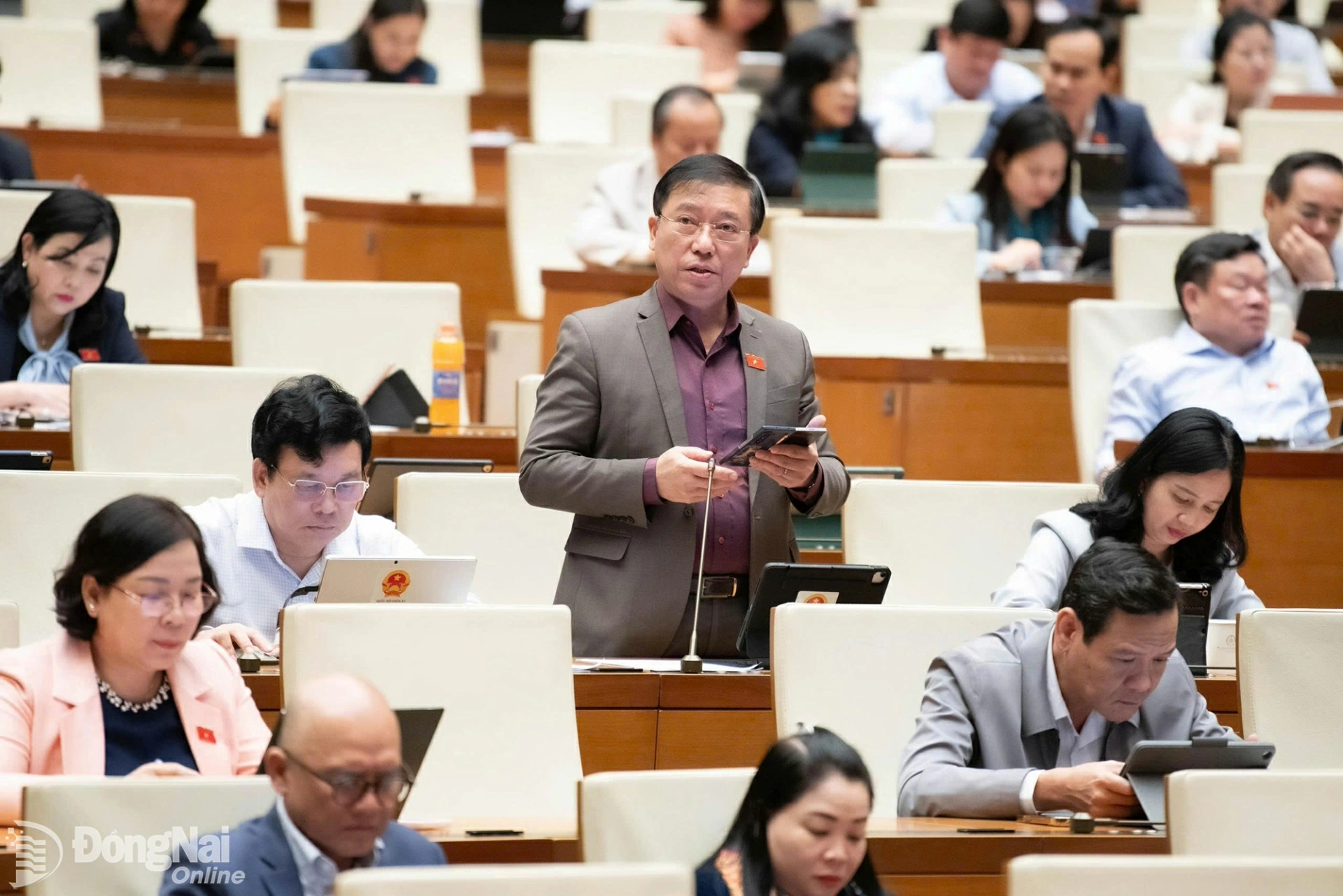 |
| National Assembly deputy Nguyen Tuan Anh speaking at the 10th Session of the 15th National Assembly, held from October to December 2025. |
How do you view this milestone in the locality's development journey?
I believe that Dong Nai’s transformation into a centrally governed city is a pivotal milestone, not only for the locality itself but also within the overall development strategy of the Southeast region and the entire country.
Looking back at its development path, Dong Nai – including former Binh Phuoc - has undergone a long process of accumulating economic foundations, infrastructure, industry, and integration. From an area that once faced many difficulties, it has now formed a system of large-scale industrial parks, an increasingly complete inter-regional transport network, especially key growth drivers such as expressways, airports, and logistics. These factors indicate that the locality has reached a certain level of advancement to transition to a higher development model.
This milestone, in my opinion, is first and foremost an affirmation of Dong Nai's new position, transforming from a developed industrial province into an urban center with a leading role, capable of coordinating and spreading growth in the region. When it becomes a centrally governed city, Dong Nai will have more favorable conditions to improve its institutions, attract resources, develop synchronized infrastructure, and enhance the quality of urban governance.
From a broader perspective, this is also a shift from extensive to intensive development, from growth based on existing advantages to development driven by innovation, knowledge-based economy, and smart cities. This places higher demands but also opens up significant room for Dong Nai to achieve breakthroughs.
From the perspective of a National Assembly body, how do you evaluate the policy of developing centrally governed cities in the current period?
The policy of developing centrally governed cities is a major orientation, consistent with the country's development requirements in the new period.
From the perspective of the National Assembly, this is a process aimed at forming growth poles with spillover effects, leading regional and national development. Large urban areas are not only economic centers but also places to test new mechanisms and policies on governance, finance, and planning, thereby creating a common development impetus. The important thing is that this development must go hand in hand with institutional improvement, ensuring synchronicity, effectiveness, and sustainability, avoiding hot or unbalanced development.
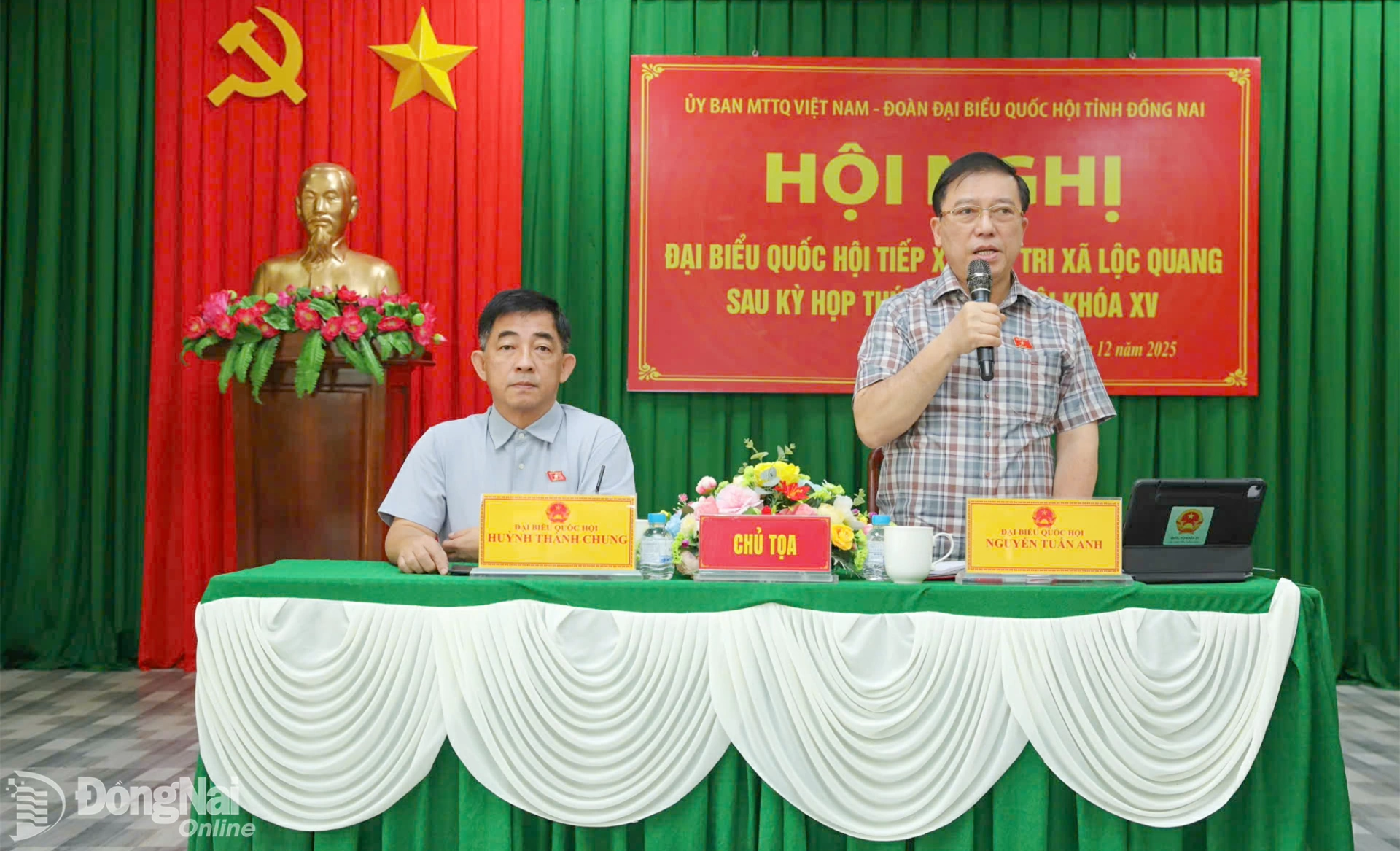 |
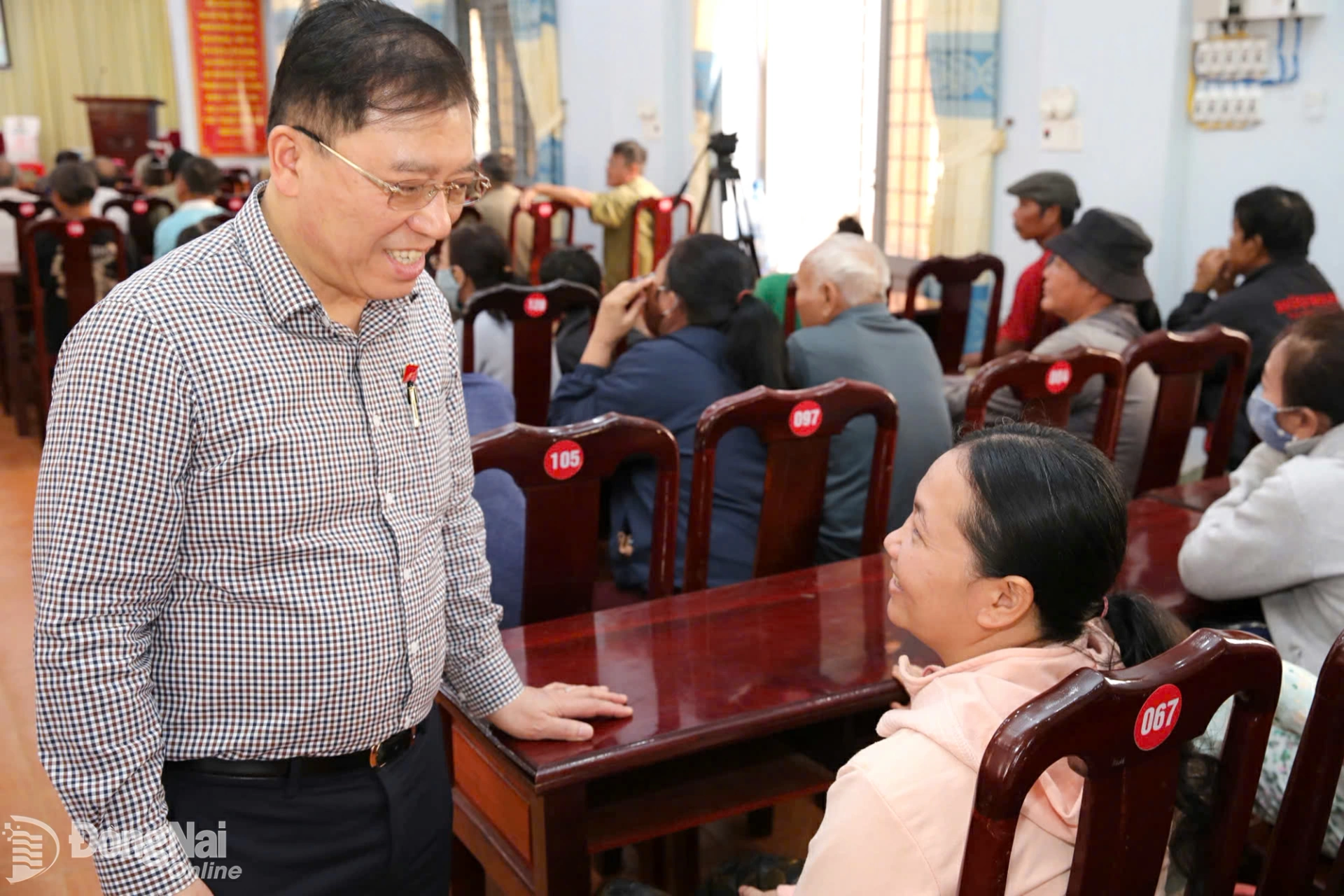 |
| National Assembly deputy Nguyen Tuan Anh meets with voters in Dong Nai province. |
In your opinion, what is the significance of Dong Nai becoming a centrally-governed city in the national development strategy and regional connectivity?
It holds very important significance in the overall national development strategy. First, this will be a new growth pole for the Southeast region, contributing to sharing the role with Ho Chi Minh City and reducing pressure on existing central urban areas.
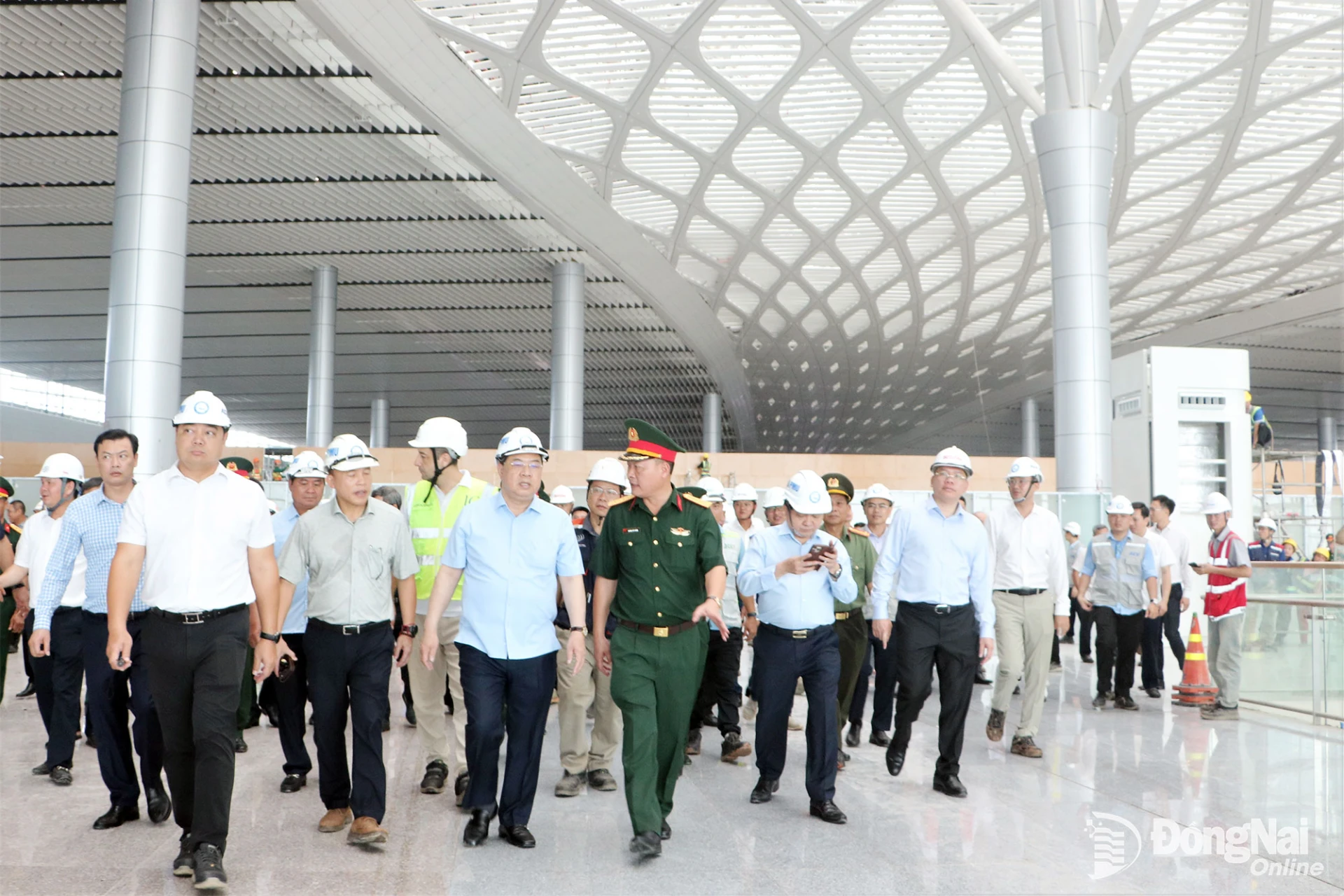
Second, Dong Nai holds a strategic position in transport and logistics connectivity, with road-border gate networks, inland waterways and the upcoming Long Thanh International Airport. Its role as a hub for regional transit and connectivity will become even more prominent once elevated.
Third, the move will promote deeper regional linkages, enabling more effective allocation of resources and better utilization of each locality’s strengths, thereby enhancing overall development efficiency.
I believe that if implemented in a synchronized manner in terms of planning, infrastructure and institutions, Dong Nai will not only grow strongly but also contribute more significantly to national economic growth.
By Tran The – Translated by Mai Nga, Thu Ha


Thông tin bạn đọc
Đóng Lưu thông tin