
On March 15, together with voters nationwide, all eligible voters in Dong Nai province cast their ballots to elect deputies to the 16th National Assembly (NA) and People’s Councils at all levels for the 2026–2031 term. For those qualified to vote, the day carries special significance. Each voter holds in hand a ballot to choose individuals with both talent and integrity, those who possess the necessary qualities, credibility and sense of responsibility to represent the voice of the people in state power bodies. It is also the moment when citizens exercise their democratic rights.
Looking back on the 80-year journey of the NA of the Socialist Republic of Vietnam, each legislative term has been associated with a particular historical period and context, requiring elected bodies and their representatives to shoulder responsibilities far beyond merely fulfilling formal roles. This election of deputies to the NA and People’s Councils at all levels takes place following the country’s recent streamlining of administrative apparatus, and adoption of a two-tier local government model.
Such changes place new responsibilities on elected bodies and their representatives. In the current context, representatives are expected not only to serve as a bridge bringing voters’ voices to sessions of the NA and People’s Councils, but also to demonstrate professional competence, political courage and a readiness to speak out, take action and assume responsibility. Voters expect their representatives to stay close to the people and understand their concerns, acting as a vital link between the Party’s will and the people’s aspirations. In doing so, they help bring real-life issues into the legislative process while ensuring that state policies and laws are effectively translated into reality.
New context and new national mission require higher standards for those entrusted with representing the people.
In Dong Nai – one of Vietnam’s key economic locomotives – the province’s evolving landscape and position place new expectations and pressures on elected representatives, requiring their forward-looking thinking, strategic vision and a strong aspiration for development.
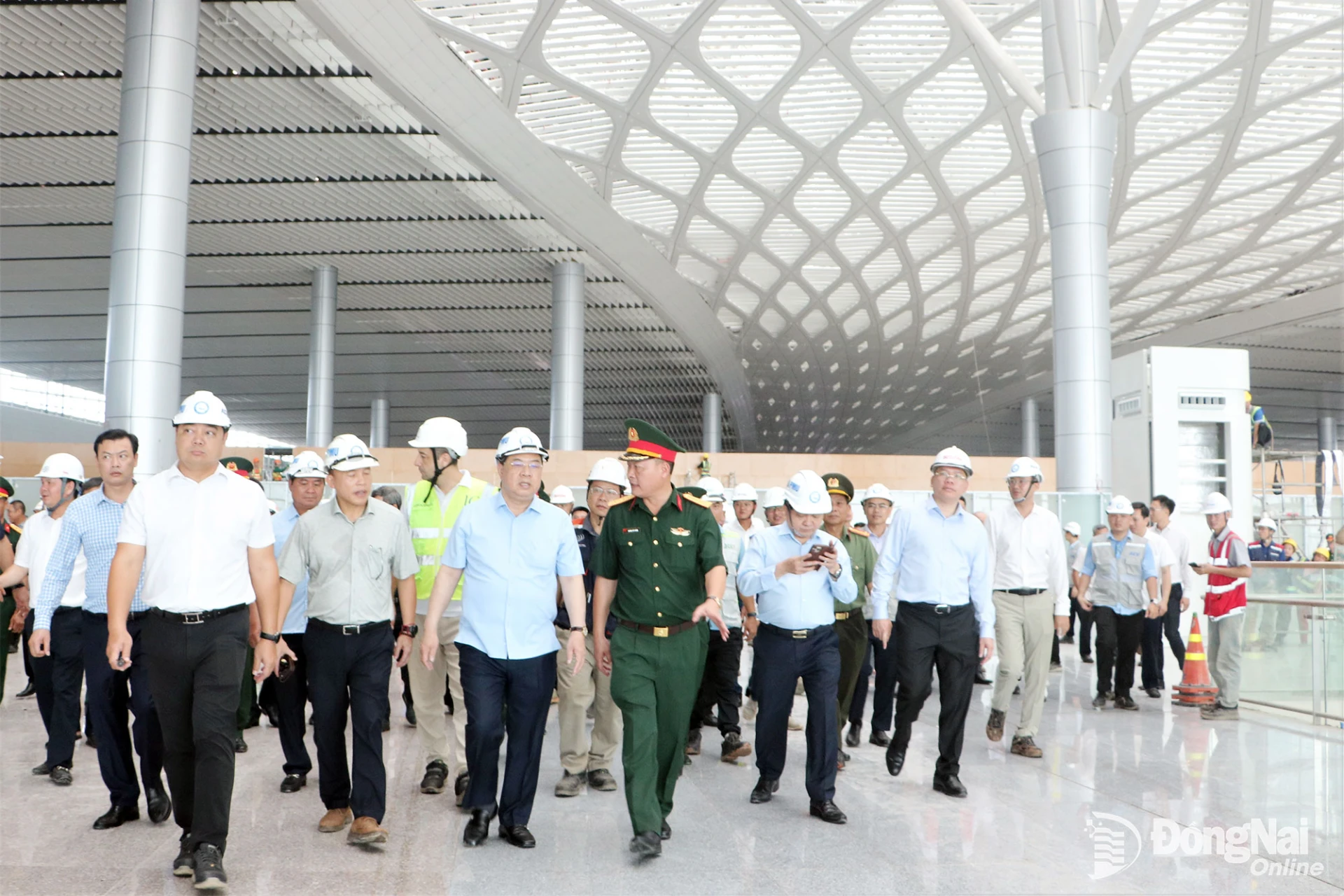
Dong Nai is currently home to one of the country’s largest construction sites, with mega-projects such as Long Thanh International Airport and an expanding network of expressways. Voters in the province therefore expect representatives who can do more than make commitments. They look for individuals capable of effectively supervising and accelerating the progress and quality of these projects for the benefit of the province, the region and the nation as a whole.
As Vietnam’s industrial hub, Dong Nai also faces pressing issues related to social welfare, social housing and the transition from labor-intensive industries to high-tech and smart manufacturing. In this regard, voters expect their chosen representatives to actively monitor policies, raise questions and propose solutions that attract investment and promote sustainable development, rather than focusing solely on short-term growth.
Each ballot represents a vote of confidence. When that trust is placed in dedicated representatives, the rule-of-law system gains a stronger foundation, enabling development aspirations to be translated into vivid reality.
By Minh Luan – Translated by M.Nguyet, Thu Ha


Thông tin bạn đọc
Đóng Lưu thông tin