
Dong Nai has an extensive network of rivers and lakes. Among them, Tri An Lake, with a surface area of more than 32,000 hectares, is the largest artificial lake in southern Viet Nam. Alongside its abundant and diverse wild fish resources, the city is also focusing on developing aquaculture.
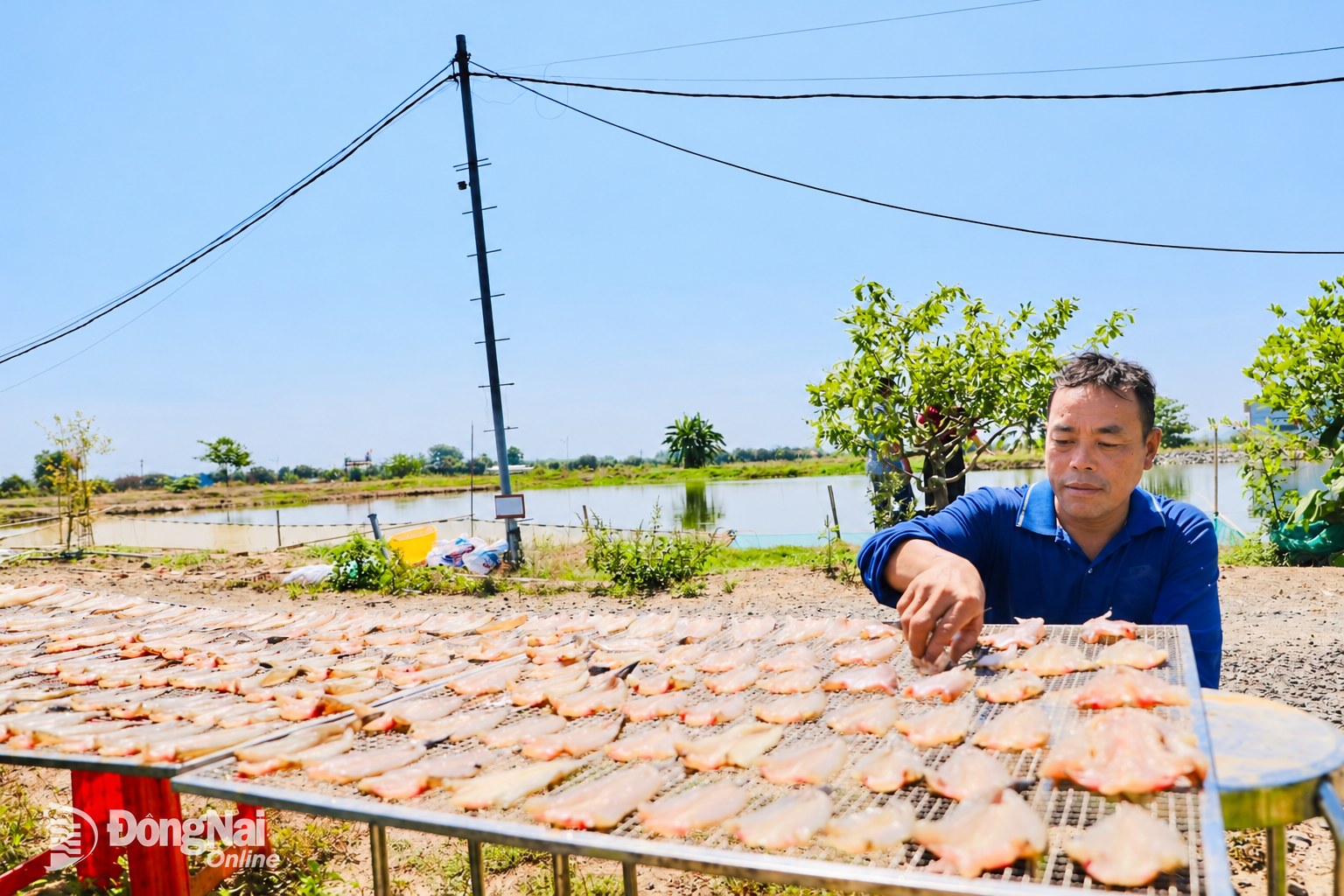 |
| Processing dried snakehead fish at a facility in Phu Hoa commune. |
The rich supply of wild-caught and farmed aquatic products provides favorable conditions for developing local processing industries and creating specialties from the region's rivers and lakes. Many of these products have earned certification under the One Commune One Product (OCOP) programme, helping boost the rural economy.
Diverse resources from rivers and lakes
The city's rivers and lakes, particularly Tri An Lake, provide abundant supplies of fish. Several species, including eel and various types of freshwater fish, are prized for their economic value. Restaurants and eateries are an effective outlet for these aquatic products.
Le Minh Tuan, owner of Song Que Restaurant in Thanh Son commune, said the restaurant specializes in dishes prepared with wild-caught fish and other aquatic products from the La Nga River, including catfish, loaches, carp, shrimp and freshwater prawns. As fishermen deliver their catch soon after landing it, the restaurant can serve fresh ingredients to its customers.
Popular dishes include grilled catfish with chili and salt, catfish hotpot with sour bamboo shoots, and stir-fried freshwater prawns with lime leaves. During the rainy season, the restaurant also serves stir-fried prawns with sesbania flowers picked along riverbanks and lakeshores. According to Tuan, the freshness of locally sourced ingredients, combined with the chefs' cooking skills, plays a key role in determining the quality of the dishes. Its riverside location and pleasant surroundings attract both local diners and visitors from other areas.
Apart from freshwater products, Dong Nai also has a range of specialties made from brackish-water resources. These include fermented shrimp made from locally caught shrimp, dried shrimp and other products that have become popular with consumers. They are particularly sought after during holidays and Tet, when people often purchase them as gifts for family and friends because of their distinctive flavors and convenience.
Tuan said fish cages are widely used along the La Nga River, providing a steady supply of freshwater fish. The restaurant also uses these locally sourced ingredients to make dried fish products, particularly one-sun-dried red tilapia and other popular varieties. The fish are cleaned, deboned and marinated before being sun-dried for about half a day. The finished products are then frozen to preserve their quality. The dried fish can be prepared in various ways, including deep-frying until crispy and serving with tamarind dipping sauce or making a salad with green mango. In addition to serving these dishes at the restaurant, Tuan also sells the products for customers to take home or give as gifts. Other local processing facilities likewise produce dried fish for distribution to markets beyond the area.
Fishermen on Tri An Lake said the types of fish available vary by season, including rohu, grass carp, silver carp, mud carp and halfbeaks. Most of the fresh catch is sold to traders. Many households living around Tri An Lake and along the Dong Nai River also make use of these fish to produce fish cakes and dried fish for sale.
Le Thi Cuc, who raises fish in cages on Tri An Lake in Tri An Ward, said she has been making fish cakes from the lake's wild-caught fish for more than 10 years. What began as a small-scale operation has grown into a business employing around 10 local workers in processing. The fish are processed immediately after being caught, and the fish cakes are made without preservatives before being frozen and distributed to various markets. By sourcing fish directly from local fishermen, the business can keep production costs down and offer its products at affordable prices.
Building brands for river and lake specialties
Beyond its wild-caught fish resources, Dong Nai has nearly 9,900 hectares of aquaculture ponds and thousands of fish cages and floating farms along its rivers and on Tri An Lake. Many localities are prioritizing aquaculture as a key sector for future development. Major farmed species include climbing perch, carp, red tilapia, Nile tilapia, snakehead fish and catfish. This growing aquaculture base also provides abundant raw materials for the production of local specialties.
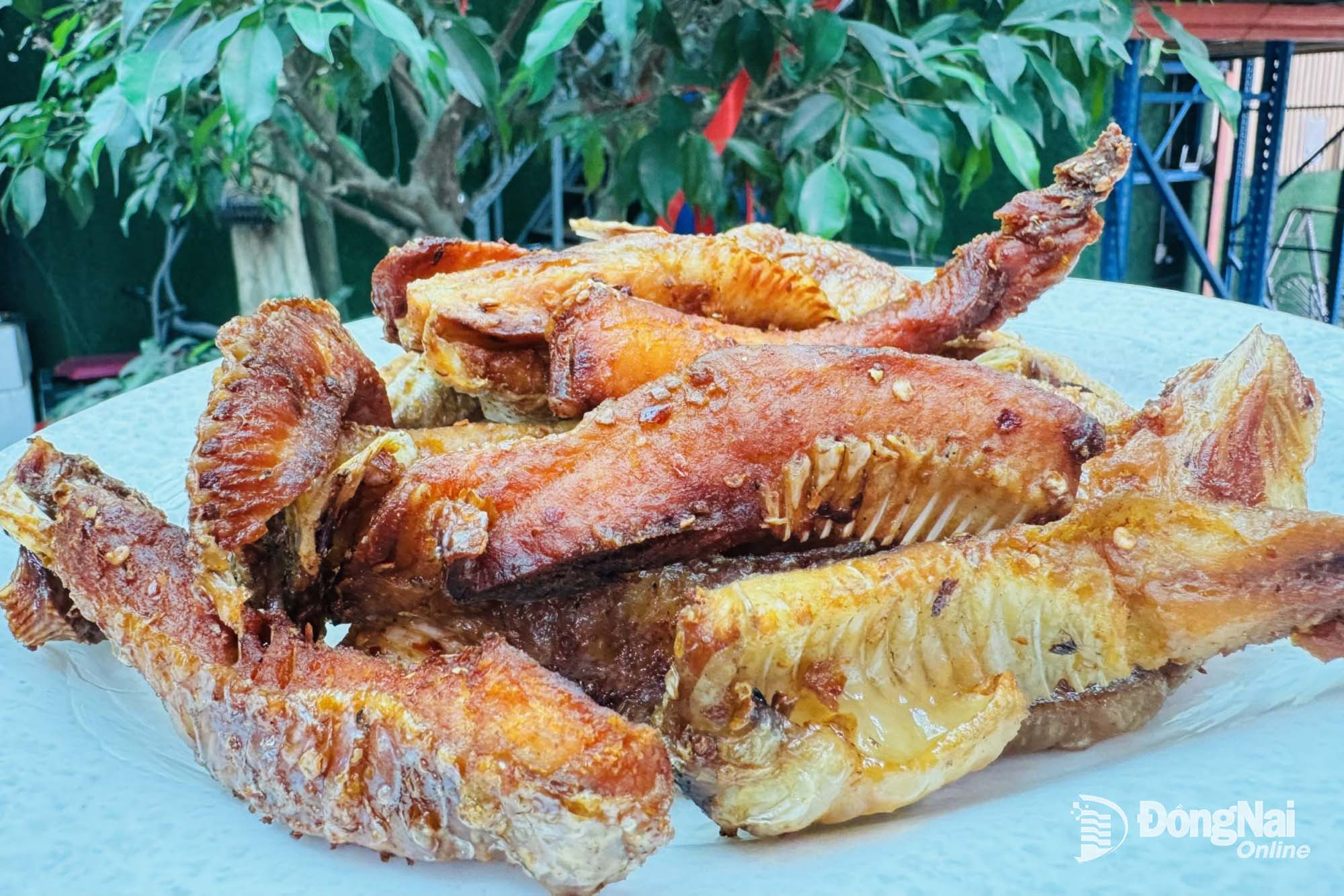 |
| One-sun-dried red tilapia is a local specialty served to guests in Thanh Son commune. |
Nguyen Ngoc Thanh, a large-scale fish-cage farmer in Phu Hoa commune, said the water conditions in the La Nga River are favorable for freshwater aquaculture. With their extensive experience, local farmers can raise high-quality fish that meet food safety requirements. Their output provides a reliable supply of fresh ingredients for processing into specialty products that appeal to consumers.
Vo Van Trung, Chairman of the Thanh Son commune People's Committee, said the locality has considerable potential to develop river and lake specialties, thanks to the abundant natural fish resources of the La Nga River and the growth of freshwater aquaculture, particularly large-scale fish-cage farming. Alongside supplying fresh fish to the market, local businesses also process fish into dried and one-sun-dried products for sale both locally and elsewhere. Visitors to the commune who sample these specialties often purchase them to take home.
According to Trung, fish processing creates jobs and generates income for local residents while helping promote the area's natural resources and culinary traditions. The commune is encouraging producers to adopt clean production practices and standardize processing and packaging procedures, paving the way for OCOP certification. Improved quality control, proper labeling and stronger branding will also help local businesses expand production and increase the value of their products.
Fish cake production and dried fish processing in various parts of the city are adding value to local aquatic resources and providing residents with more stable incomes. These specialties also reflect the distinctive culinary traditions of communities with abundant river and lake resources and developed aquaculture industries. Many local processors are investing in improved production methods, packaging and branding to expand their market reach.
Nguyen Thanh Hoang, Head of the Song Nuoc Dried Halfbeak Cooperative Group in Thong Nhat commune, said the group processes both wild-caught fish and fish raised in cages on Tri An Lake into dried products. Dried fish production has been a traditional occupation in the area for decades, with dried halfbeak emerging as a distinctive local specialty and the group's signature product.
Dried halfbeak has been certified as a city-level OCOP product, creating opportunities for the cooperative group to strengthen its supply chain from fishing to processing. The group is also working to standardize production and packaging procedures and ensure product traceability, helping the local specialty reach broader markets.
A representative of the Dong Nai - Da Lat Agricultural Tourism Cooperative in Dinh Quan commune said its one-sun-dried catfish had recently been certified as a city-level OCOP product. Through the programme, the cooperative aims to establish a distinctive brand for its catfish specialties, particularly the redtail catfish raised in the Tri An Lake area.
Alongside wild-caught fish resources, Tri An Lake also supports semi-natural cage farming of various catfish species. The cooperative is expanding its supply chain to source catfish from local fish-cage farmers. In addition to helping generate income for local households, the initiative aims to establish Dong Nai's "King of Catfish" brand and introduce the specialty to consumers at home and abroad.
By B. Nguyen – Translated by M.Nguyet, Thu Ha


Thông tin bạn đọc
Đóng Lưu thông tin