
The Dong Nai City Traffic Construction Investment Project Management Board reported that, by the end of September 2026, nearly 280 hectares of land had been handed over to it for construction of Ho Chi Minh City’s Ring Road 4 project.
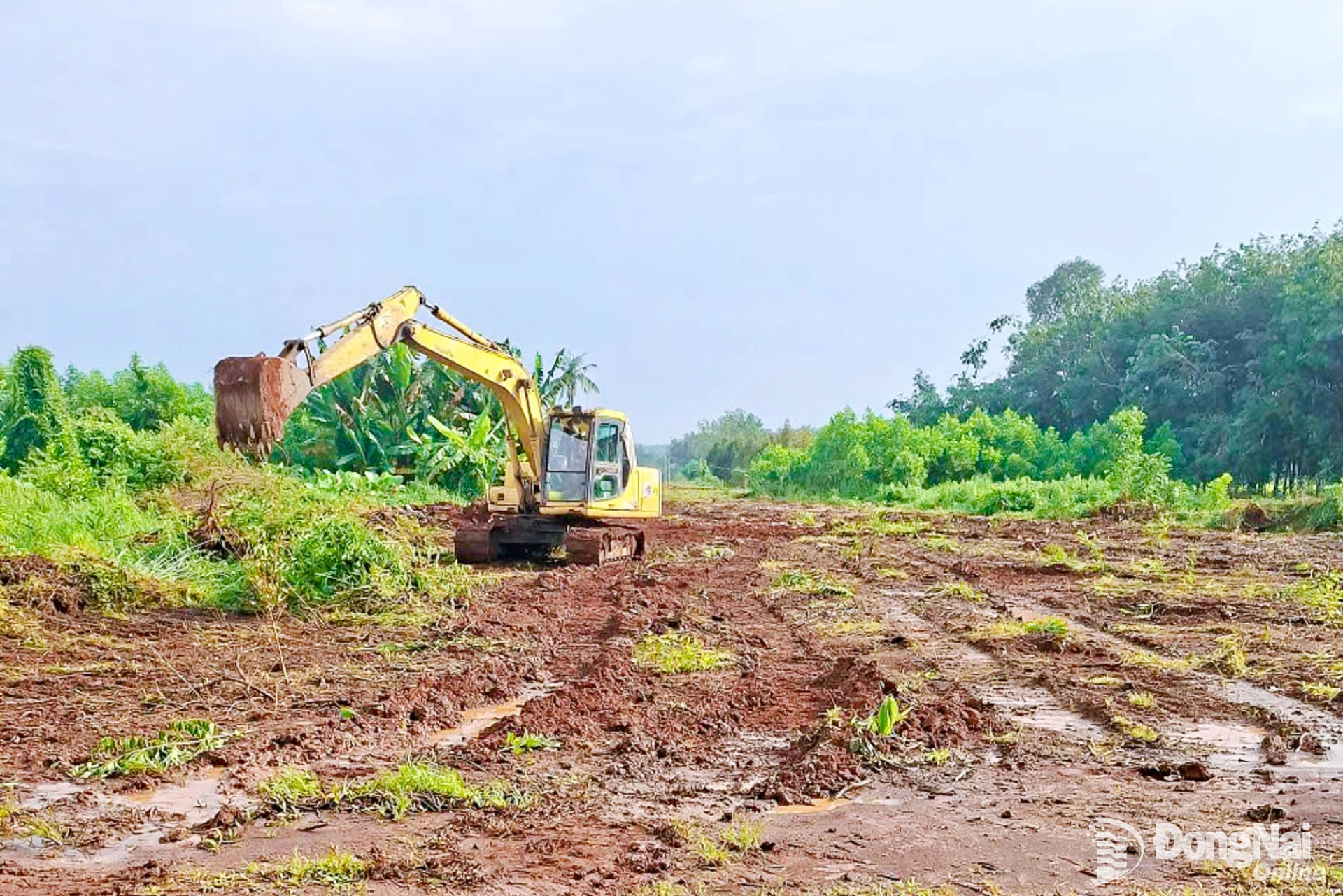 |
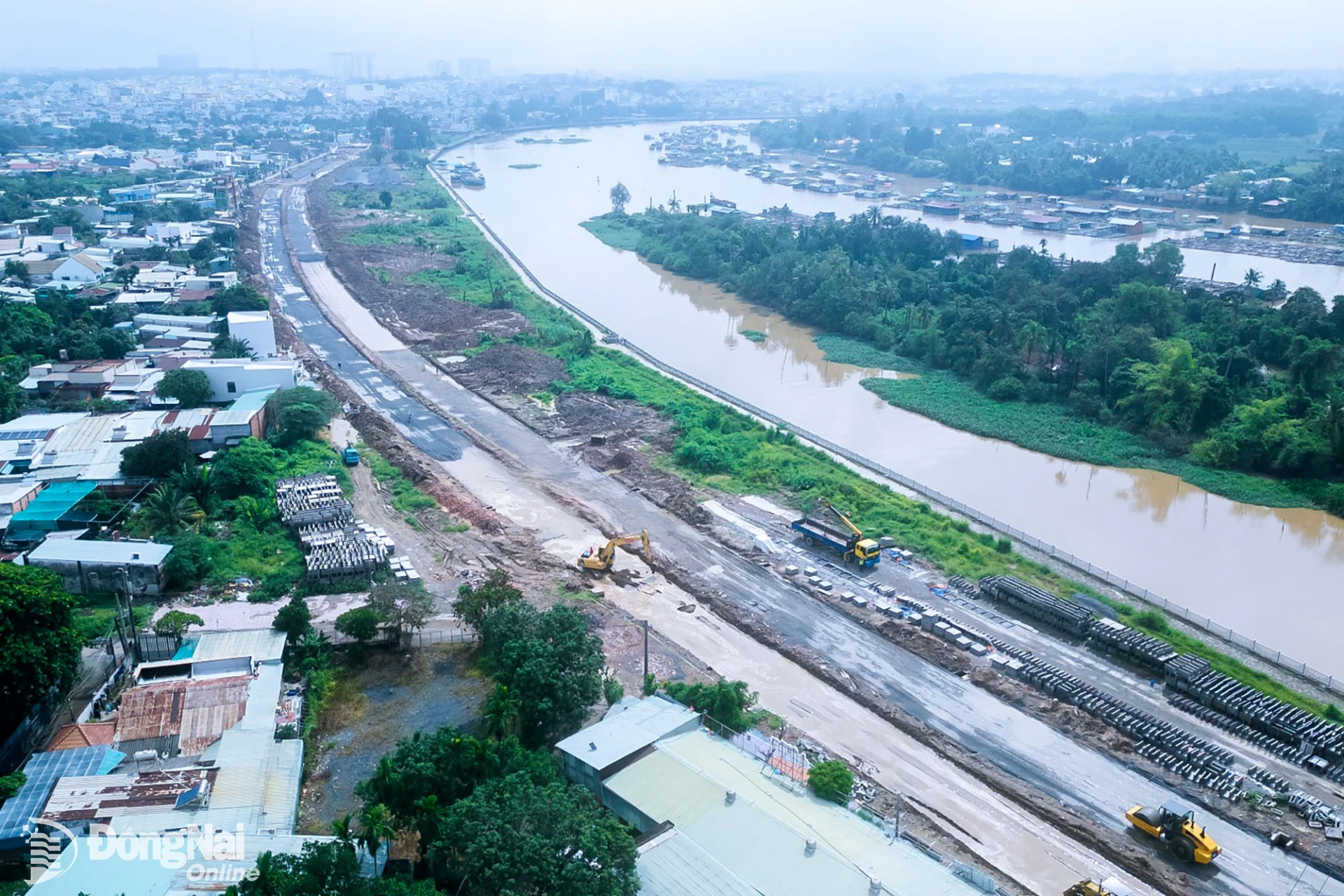
| Construction of collector and frontage roads under Component Project 1 of Ho Chi Minh City’s Ring Road 4 in Hung Thinh Commune, Dong Nai City. |
The land handed over is part of Phase 1 of the project, which requires the acquisition of more than 302 hectares. To date, nearly 93% of the total land area required for this phase has been handed over.
To build the section of Ho Chi Minh City’s Ring Road 4 passing through Dong Nai City, the city needs to carry out land acquisition, compensation and site clearance covering more than 443 hectares. For Phase 2, relevant agencies have completed installing site-clearance boundary markers on the ground and handed them over to the nine communes and wards through which the project passes. They have also handed over land acquisition maps for the nine communes and wards to the city’s Land Fund Development Center to carry out compensation and site clearance for Phase 2.
The section of Ho Chi Minh City’s Ring Road 4 passing through Dong Nai City is divided into two component projects. Component Project 1-2 covers compensation, support and resettlement, as well as the construction of collector and frontage roads within Dong Nai City. It includes compensation and site clearance, and the construction of nearly 62 kilometers of collector and frontage roads. Funded by public investment, the project broke ground in late June 2026.
Component Project 2, which involves the construction of the main expressway stretching more than 46 kilometers from Chau Duc Bridge to Thu Bien Bridge, including Thu Bien Bridge itself, is being developed under a public-private partnership (PPP) model. Construction began in late September 2026.
By Pham Tung – Translated by Mai Nga, Minho

Thông tin bạn đọc
Đóng Lưu thông tin