
Aquaculture in Dong Nai has continued to develop steadily since the beginning of 2026. Freshwater fish prices have remained relatively stable, while weather conditions and water resources have generally been favorable for aquaculture production.
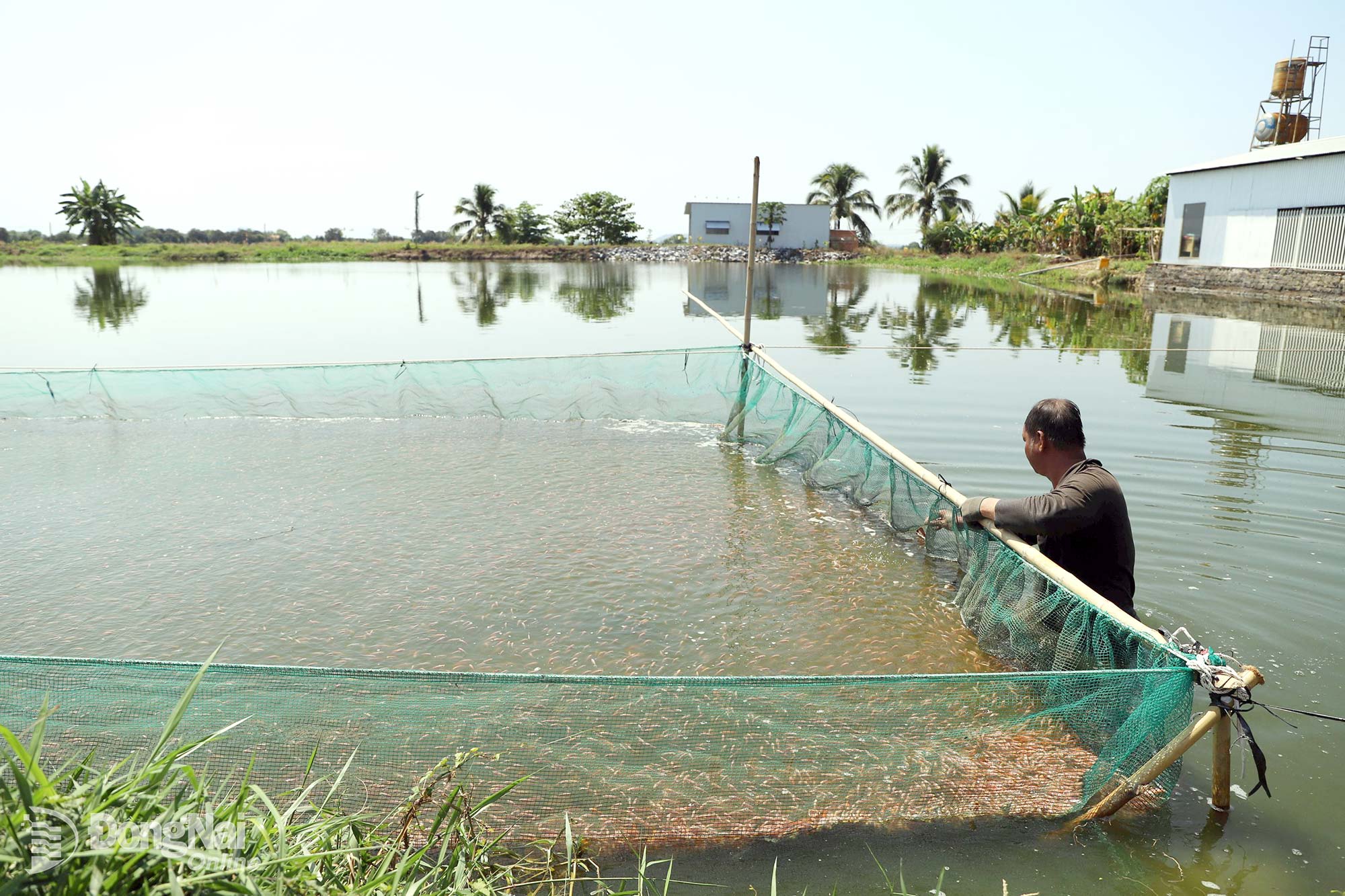 |
| Fish hatchery in Phu Hoa commune. |
These conditions have given freshwater fish farmers greater confidence to invest in the year-end production season. However, production costs have continued to rise as feed and other inputs have increased compared with the same period in 2025, putting pressure on farmers’ incomes.
Maintaining strong growth
Since the beginning of the year, aquaculture has maintained a high growth rate compared with the agriculture and forestry sector as a whole. In August 2026, aquaculture output in the city exceeded 7,900 tonnes, up over 6.1% from the previous month. In the first 8 months of 2026, total aquaculture output exceeded 56,900 tonnes, an increase of nearly 3,700 tonnes, or more than 7%, year on year. Fish production accounted for more than 50,100 tonnes, up some 7.3% year on year, while shrimp output reached nearly 5,500 tonnes, up about 4.8%.
Many localities across the city have favorable conditions for developing aquaculture. The total aquaculture area currently exceeds 9,100 hectares, with pond and reservoir farming accounting for the majority. Freshwater species are also raised in cages and pens on reservoirs and other water bodies. The city has developed a number of semi-intensive and intensive farming models for high-value species, including snakehead and climbing perch, which can yield 40-50 tonnes per hectare, as well as high-tech farming of white-leg shrimp and giant freshwater prawns. The growth in aquaculture output is supported by strong market demand, while relatively stable prices have given farmers greater confidence to invest in production.
Expectations for the year-end season
During the year-end production season in 2026, farmers are expected to raise more specialty fish, including sheatfish, yellowtail catfish, eel and crispy carp, alongside common species such as carp, red tilapia, tilapia and grass carp, to meet demand for year-end gatherings and the holiday and Tet season.
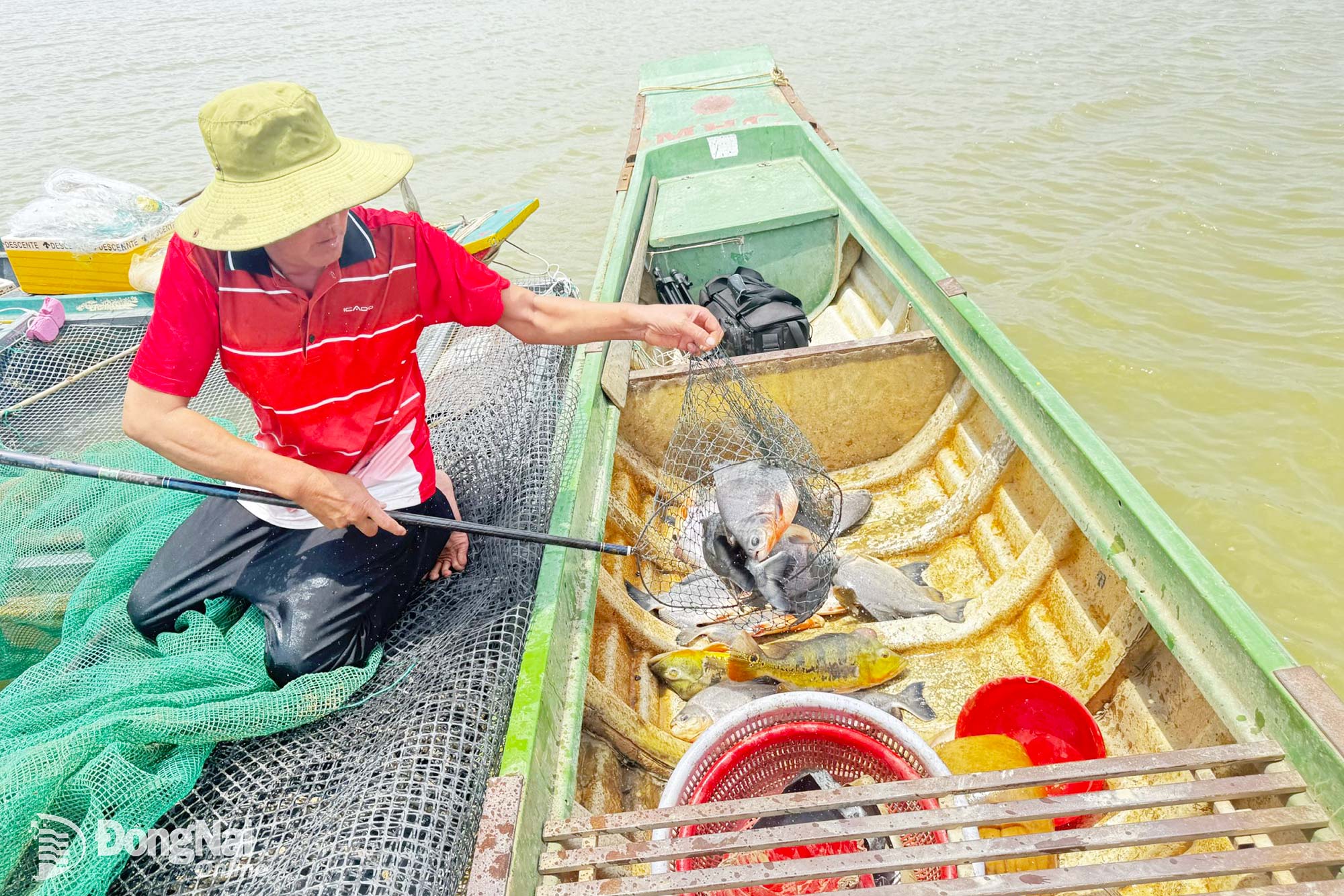 |
| Cage fish farming on Tri An Reservoir |
Nguyen Ngoc Thanh, owner of Phu Dien Fish Farm in Phu Hoa commune, which specializes in raising commercial fish and supplying freshwater fingerlings, said demand for common fish remains stable throughout the year. Therefore, the farm plans to maintain its current production volume during the year-end season. Production of several high-value specialty fish, however, will be increased to meet stronger year-end demand.
According to a number of freshwater fish farmers in the city, prices have fluctuated only slightly since the beginning of the year. Although prices have occasionally declined, they have remained at levels that allow farmers to make a profit. Farmers are also paying greater attention to adopting new technologies and production techniques, helping improve yields. As a result, the farming model continues to generate sufficient returns to encourage further investment.
Pham Ngoc Huong, a fish farmer in Tri An ward, said current fish prices still allow farmers to make a profit. However, rising input costs, particularly the sharp increase in feed prices, have narrowed profit margins. His family plans to maintain its current production volume rather than expand the scale of its operation. Farmers are focusing on proper care and management to ensure healthy fish growth and reduce losses, thereby lowering production costs. They hope that demand will increase toward the end of the year, pushing up fish prices and allowing farmers to earn better returns.
Ornamental fish are sold at much higher prices than commercial fish, meaning that even small farming areas can generate significant economic returns. Demand for ornamental fish is expected to increase toward the end of the year, with greater attention being paid to ornamental fish farming, particularly koi production.
By B.Nguyen – Translated by M.Nguyet, Thu Ha


Thông tin bạn đọc
Đóng Lưu thông tin