
To achieve its target of double-digit economic growth, Vietnam needs new growth drivers. Establishing a sound institutional foundation and “opening up” free trade zones (FTZs) and integrated logistics zones is therefore crucial. This is not simply about creating new development areas, but about finding new ways to mobilize resources, deepen economic integration and enhance competitiveness.
The Urban Development Law (UDL), passed by the 16th National Assembly (NA) on August 24, provides another important legal building block for this process. Alongside mechanisms and policies for urban development, the law contains important provisions on FTZs and integrated logistics zones. Their inclusion in the law not only expands the scope of urban development policy but also reflects a new approach: urban development in the new stage must be increasingly integrated with manufacturing, trade, logistics, finance and cross-border economic networks.
Empowering urban authorities to develop free trade and integrated logistics zones
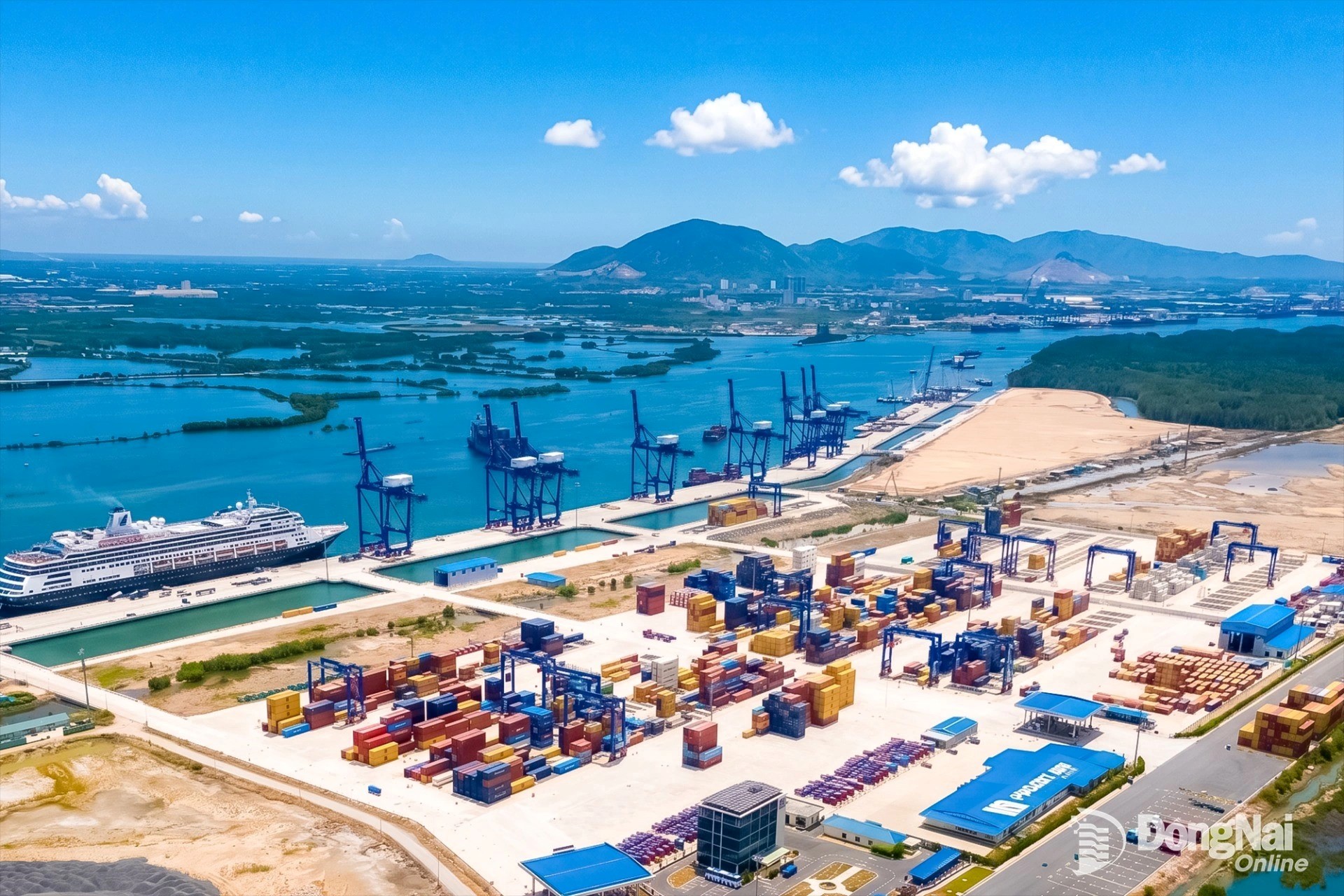 |
| Phuoc An Port, a modern seaport in Dong Nai. Photo: Cong Nghia |
Under the UDL, an FTZ is a functional area with clearly defined geographical boundaries that is either attached to or directly connected by transport links to international seaports, international airports, international financial centers, major international border gates or other strategic logistics infrastructure. The zone is established to provide preferential mechanisms and policies for investment, finance, trade, high-quality services and logistics, while promoting manufacturing and exports, research and development, and the attraction of highly skilled workers. An FTZ may comprise multiple functional areas.
Meanwhile, an integrated logistics zone is a functional area with clearly defined geographical boundaries and links to multimodal transport hubs. It is developed as an ecosystem that uses advanced science and technology to provide logistics services alongside manufacturing, goods processing, digital commerce and e-commerce activities. An integrated logistics zone may operate independently or form part of an FTZ.
Notably, the UDL establishes a legal framework for new development spaces by clearly defining the powers and responsibilities of urban authorities. Accordingly, the municipal People's Council is empowered to prescribe procedures for establishing and adjusting the boundaries and area of FTZs and integrated logistics zones, as well as other matters related to their organization and operation. The council will also decide on management mechanisms and operational policies, investment incentives, trade facilitation measures, improvements to the business environment and other specific policies arising during the operation of FTZs and integrated logistics zones.
Meanwhile, the municipal People's Committee will assign state management responsibilities and powers over FTZs and integrated logistics zones to specialized agencies and other administrative bodies under its authority.
The Chairperson of the municipal People's Committee will decide on the establishment of, and adjustments to, the name, boundaries, area, objectives, functions and other matters related to the organization and operation of FTZs and integrated logistics zones. Decisions to establish FTZs and integrated logistics zones, or to adjust their boundaries, areas or functions, will be regarded as decisions on partial adjustments to the city's master plan and other relevant plans. The Chairperson may also establish non-tariff zones within FTZs and integrated logistics zones after obtaining the Ministry of Finance's opinion, allocate or lease land without auctioning land-use rights or conducting bidding to select investors for land-use projects in FTZs under Point l, Clause 1, Article 36 of the UDL, except for commercial housing projects.
In addition, the head of the customs authority managing an FTZ or integrated logistics zone will have the power to grant, extend, temporarily suspend or terminate preferential customs status for enterprises engaged in manufacturing and business activities in the zones.
The authority will also decide on the establishment, extension, temporary suspension and termination of operations of bonded warehouses and yards; container freight stations; locations for the gathering, inspection and supervision of import and export goods; locations for the gathering, inspection and supervision of postal items and express delivery shipments; off-airport cargo warehouses; and petroleum, gas and chemical warehouses within FTZs and integrated logistics zones. Other powers will be exercised in accordance with customs regulations.
How are investment and business activities in FTZs and integrated logistics zones regulated?
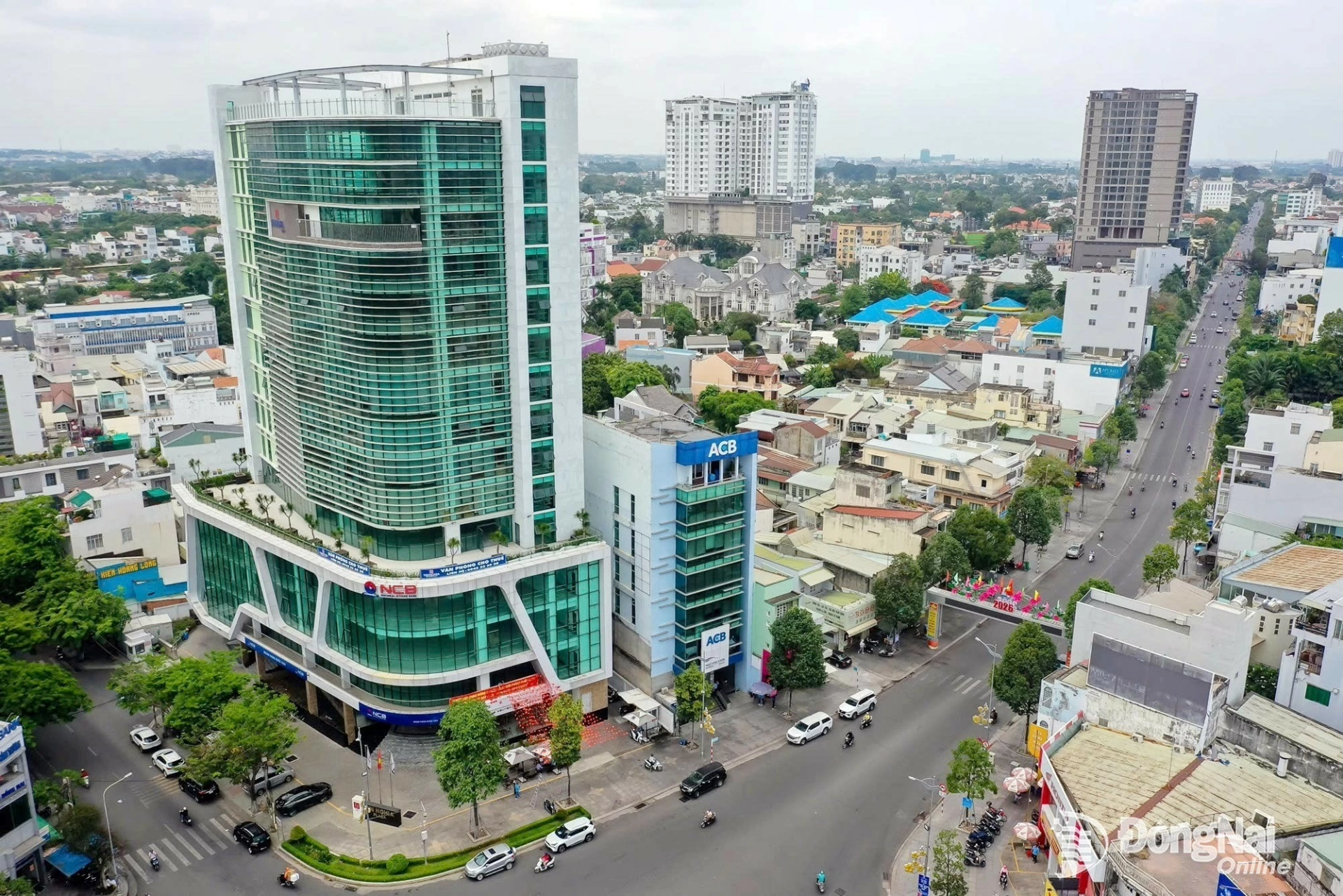 |
| Tran Bien ward center, Dong Nai City. Photo: Phan Duong |
During the drafting of the UDL, defining the scope and legal status of FTZs was an issue that needed to be addressed.
In essence, FTZs can serve as testing grounds for new development mechanisms, providing a space where goods, capital, services and businesses can connect more easily with international markets. If developed effectively, they could go beyond serving as hubs for import-export activities to attract high value-added operations such as international distribution, processing, packaging, repair services, cross-border e-commerce and trade-related financial services.
The UDL sets out detailed regulations on investment and business activities in FTZs and integrated logistics zones. Foreign investors in these zones may engage in entrepot trade as well as temporary import for re-export. The procedures for obtaining licenses for entrepot trade will comply with regulations on foreign trade management.
Enterprises headquartered and operating in an FTZ may quote and set prices, including prices stated in contracts, in foreign currencies. They may also make and receive non-cash foreign currency payments for transactions involving the supply of goods and services to partners within the FTZ.
Foreign bank branches may establish transaction offices within FTZs in addition to their existing branch premises, subject to the conditions, documentation, procedures and scope of operations prescribed by the Governor of the State Bank of Vietnam.
For functional areas within FTZs and integrated logistics zones that meet the legal requirements for non-tariff zones, goods and services purchased, sold or exchanged among those functional areas, between foreign countries and the functional areas, or between the functional areas and eligible non-tariff zones will be subject to the tax policies applicable to non-tariff zones. These policies are provided under the laws on export and import duties, special consumption tax and value-added tax.
Transactions involving the purchase, sale or exchange of goods and services between functional areas that meet non-tariff zone requirements and areas outside FTZs and integrated logistics zones will be treated as import-export transactions under customs, tax and import-export regulations. This does not apply to functional areas that meet non-tariff zone requirements in other FTZs and integrated logistics zones.
Businesses located in FTZs and integrated logistics zones stand to benefit
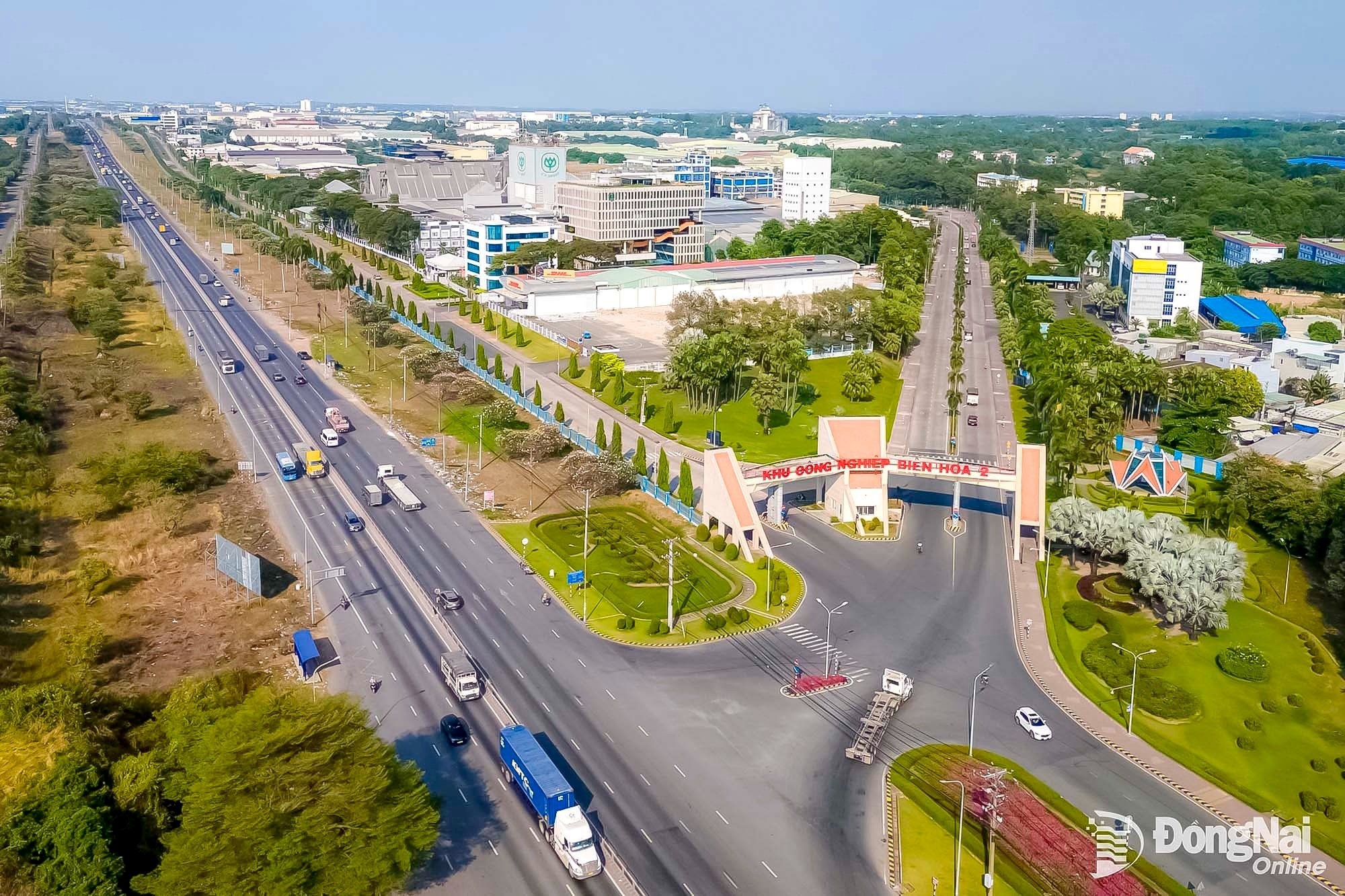 |
| Dong Nai currently has 89 industrial parks included in its master plan, making it one of the localities with the largest number of industrial parks in the country. Photo: Cong Nghia |
The development of FTZs and integrated logistics zones could deliver tangible benefits to businesses, particularly by reducing time and costs across the supply chain. When goods are concentrated in an area equipped with an integrated system of warehousing, transport, distribution, customs services and management technology, enterprises can shorten cargo transit times, reduce intermediary costs and improve their ability to fulfill orders.
Notably, the UDL provides a basis for preferential customs treatment in FTZs and integrated logistics zones. If effectively implemented, this would provide a significant advantage to import-export businesses, manufacturers and logistics providers, as faster customs clearance would help reduce warehousing and storage costs while accelerating capital turnover.
Specifically, the law stipulates that where an integrated logistics zone forms part of an FTZ, it will be entitled to the mechanisms and policies applicable to both integrated logistics zones and FTZs.
Enterprises engaged in manufacturing and business activities in FTZs and integrated logistics zones will be entitled to preferential customs and tax procedures for import and export goods brought into or taken out of these zones, provided they meet the eligibility requirements set out in customs and tax regulations. They will be exempt from requirements concerning import-export turnover and applicable time limits, if any, for eligibility for preferential treatment. Customs procedures will be carried out at the customs authority managing the relevant FTZ or integrated logistics zone.
Foreign investors establishing economic organizations in FTZs are not required to obtain an investment registration certificate before establishing such organizations, nor are they required to have an investment project.
The operating period of projects involving the construction and operation of infrastructure in functional areas within FTZs, as well as projects undertaken by investors leasing land in FTZs, shall be subject to the same provisions applicable to investment projects in economic zones under investment regulations.
FTZs and integrated logistics zones should be developed on the basis of:
-Alignment with master plans and the specific advantages of each locality.
-Seamless connectivity with airports, seaports, border gates, roads, railways and production centers.
-Transparent governance, streamlined procedures and a stable investment environment.
-Strong application of digital technology in cargo management, logistics, customs and supply-chain operations.
-Attraction of strategic investors, with a focus on high value-added industries rather than simply expanding the area or number of projects.
By H. Thanh – Translated by M.Nguyet, Thu Ha


Thông tin bạn đọc
Đóng Lưu thông tin