
In the first quarter of 2026, Vietnam’s import-export activities recorded positive growth. However, amid evolving geopolitical developments worldwide, businesses are increasingly facing pressures related to markets and rising costs.
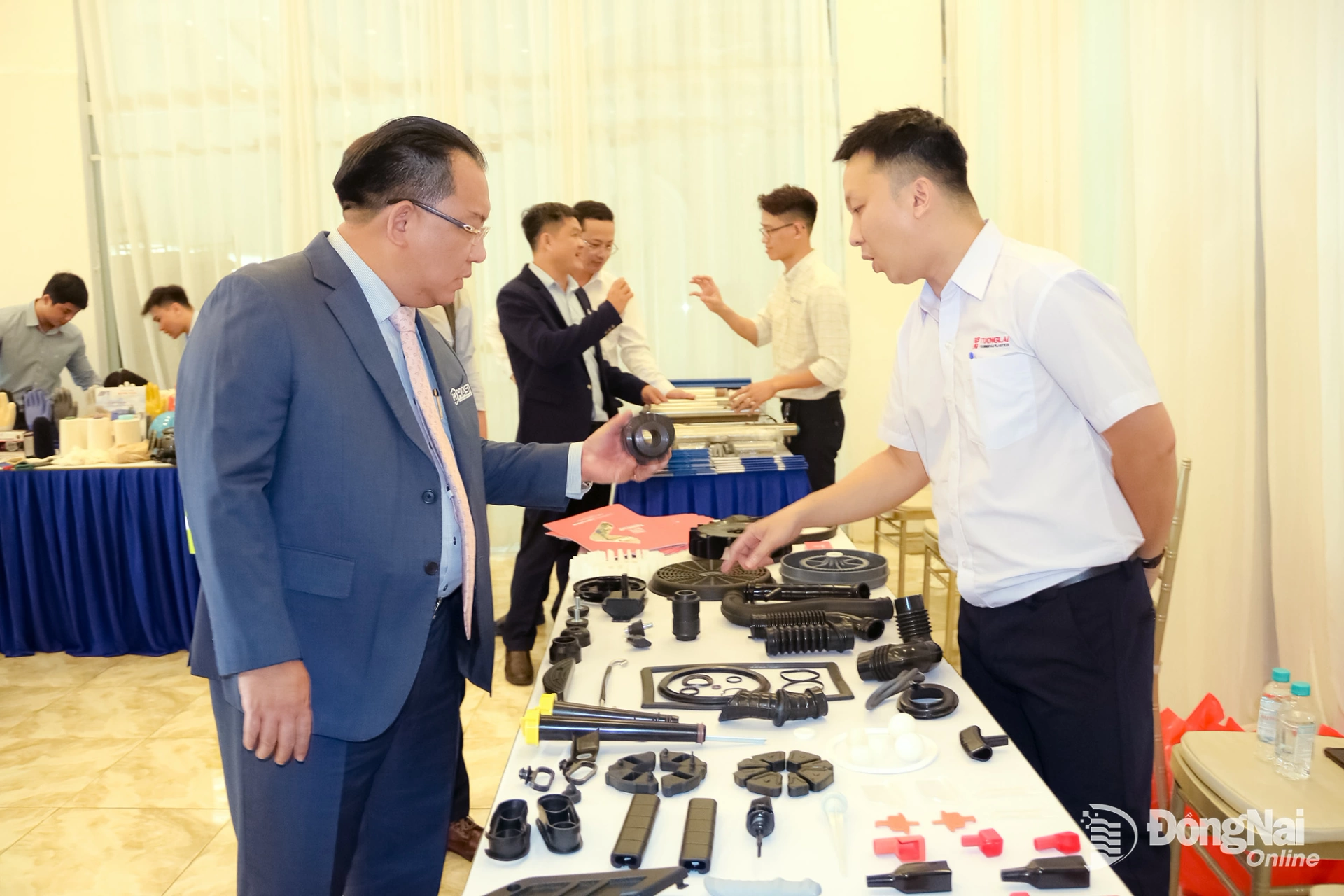 |
| Businesses in Dong Nai and Ho Chi Minh City connect to supply supporting industrial products to one another. Photo: Vuong The |
Adapting to volatile global landscape
Boosting exports remains a key task in maintaining the country’s high economic growth. Therefore, supporting the business community to better adapt to global market is an urgent priority in the current context.
Notably, the U.S., accounting for more than 30% of Vietnam’s total export value, has imposed increasingly stringent trade barriers in recent years.
According to Do Ngoc Hung, Head of the Vietnam Trade Office in the U.S., competitive pressure in the market is intensifying. Consumers are paying greater attention to sustainability and tend to favor deeply processed products with clear traceability and transparent supply chains. Moreover, the U.S. policy environment has become more complex, with strengthened trade remedy investigations adding further pressure on Vietnamese exporters.
Economic experts note that industrial self-reliance is no longer limited to large corporations or long-established manufacturing hubs. Instead, it is increasingly seen as a process of spreading production capacity across localities, leveraging advantages in infrastructure, human resources, and regional linkages.
Similarly, the European market demands high-quality goods and enforces strong commitments to environmental protection. The European Union’s evolving approach to sustainable development, with strict standards on environment, labor, traceability, and anti-deforestation, is emerging as a significant non-tariff barrier.
Nguyen Ngoc Hoa, Chairman of the Ho Chi Minh City Business Association, emphasized that such pressures require businesses to transform themselves in order to survive and grow. In practice, digital transformation, green transition, and ESG (environmental, social, and governance) standards for sustainable development are now imperative requirements. These elements need to be integrated into overall development strategies, closely linked to productivity improvement, technological innovation, and enhanced governance capacity. When implemented in a synchronized manner, these transformations not only help businesses adapt but also create opportunities to upgrade their position in global value chains.
Echoing this view, Dr. Huynh The Du of the University of Wisconsin Oshkosh in the U.S. noted that businesses must proactively stay updated on global market developments. Currently, for the U.S. market, tariffs on certain goods have been reduced to 10%, but there remains a possibility of increases or tighter controls once the 150-day temporary tariff period expires. Businesses are therefore advised to review and renegotiate contracts, ensure transparency in material sourcing, proactively manage supply chain risks, and develop financial contingency plans. Accurately recognizing the “temporary yet long-term-oriented” nature of such policies, coupled with timely responses and strict compliance with trade regulations, will be key to maintaining market share and credibility in the U.S. market.
A more proactive approach adopted in production and business planning
In the context of an increasingly volatile global market, experts stress that it’s very necessary for businesses to proactively devise their own contingency plans. Among these, diversifying export markets is crucial. In addition to traditional large-scale markets, Vietnamese enterprises are expanding into regions such as Africa, South America, and countries with which Vietnam has signed free trade agreements.
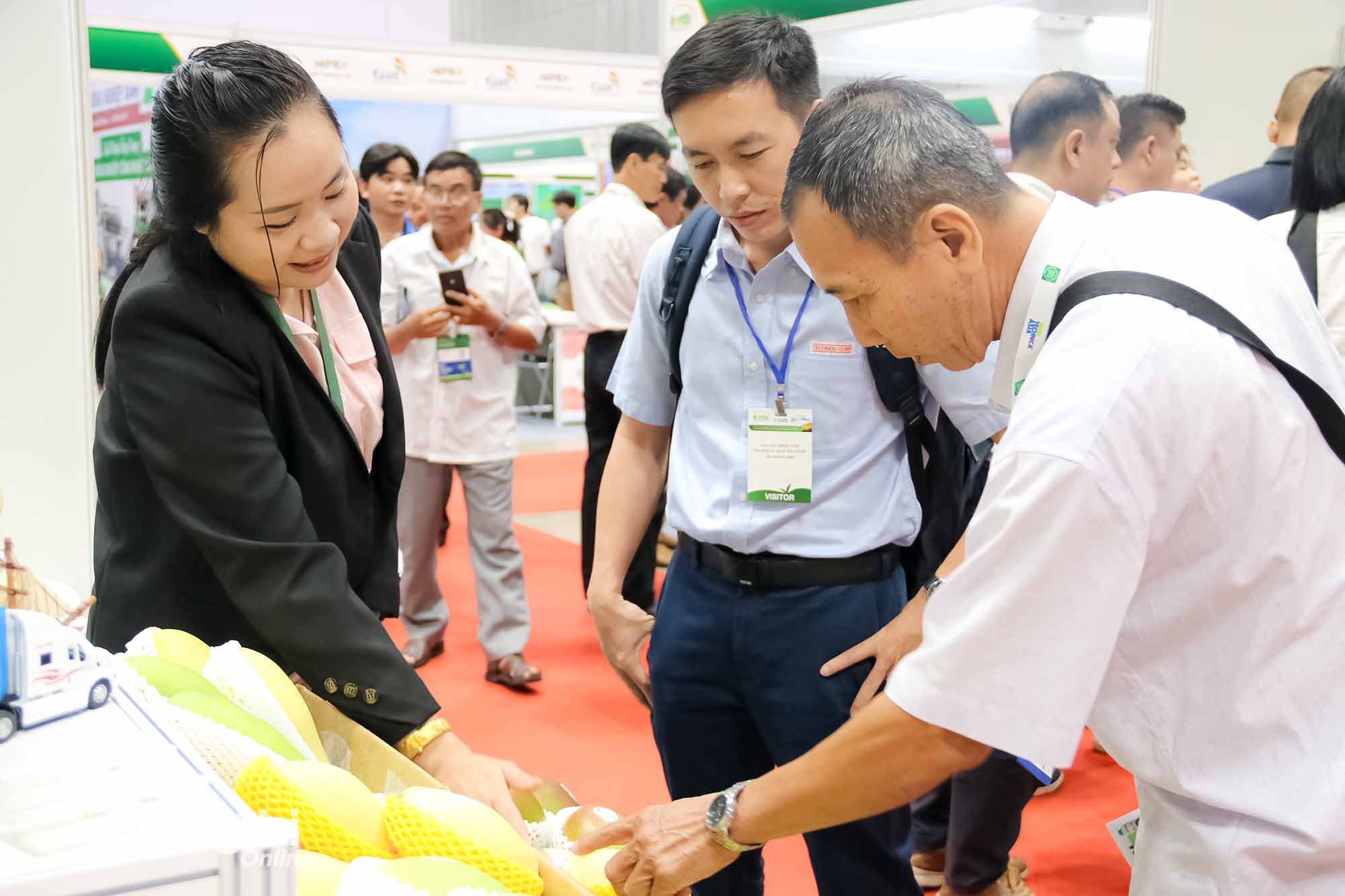 |
| Dong Nai enterprises participate in an international trade fair in Ho Chi Minh City. Photo: Vuong The |
Diversification should not be limited to export markets but also extend to import markets. Proactively developing alternative supply options can help minimize disruption risks while contributing to a healthier trade balance. Greater diversification and supply autonomy also provide businesses with more confidence in production planning, particularly for small and medium-sized enterprises.
For instance, Nam Long Co., Ltd. in Long Thanh commune is expanding both domestic and export markets for rubber gloves. Rather than focusing solely on international orders, the company treats domestic market as an important channel for its products. According to its Director Le Bach Long, this strategy not only promotes the domestic rubber industry but also strengthens the presence of Vietnamese brands at home. Leveraging abundant local rubber resources enables the company to operate more flexibly and optimize its business performance.
Similarly, in Dong Nai’s wood industry, efforts to achieve material self-sufficiency and strengthen international partnerships have been intensified in recent times. Vo Quang Ha, Vice Chairman of the Dong Nai Wood and Handicraft Association, noted that businesses in the sector are joining hands to develop domestic timber material zones in the province. In parallel, they are working closely with partners to import certified timber, thereby ensuring more sustainable material sources for wood manufacturers amid market fluctuations.
Alongside the businesses’ efforts, government support plays a vital role. Under the 2026 mandate of the Provincial Steering Committee for business support and economic development, Standing Vice Chairman of the Provincial People’s Committee Nguyen Kim Long has called for intensified trade promotion activities. These include supporting businesses and production facilities in product promotion, expanding export markets and domestic consumption, and strengthening coordination with the Trade Promotion Agency and Vietnam’s trade offices abroad to provide market information, facilitate trade connections, and enhance brand promotion. Efforts will also focus on effectively leveraging the free trade agreements to which Vietnam is a signatory.
By V.The – Translated by M.Nguyet, Thu Ha


Thông tin bạn đọc
Đóng Lưu thông tin