
With more than 370,000 hectares of forests and land planned for three types of forests, Dong Nai possesses one of the large forested areas and the most outstanding biodiversity values in the Southeast region.
Amid a city undergoing rapid transformation with airports, expressways, seaports, industrial parks and numerous new urban areas, its natural forests have helped create a distinctive value for Dong Nai.
Green “treasures”
Dong Nai is completing its infrastructure system with a host of large-scale transportation, industrial park and urban development projects. However, if the city is viewed only through the lens of construction projects, it is difficult to visualize the vast natural landscape and its many valuable ecosystems.
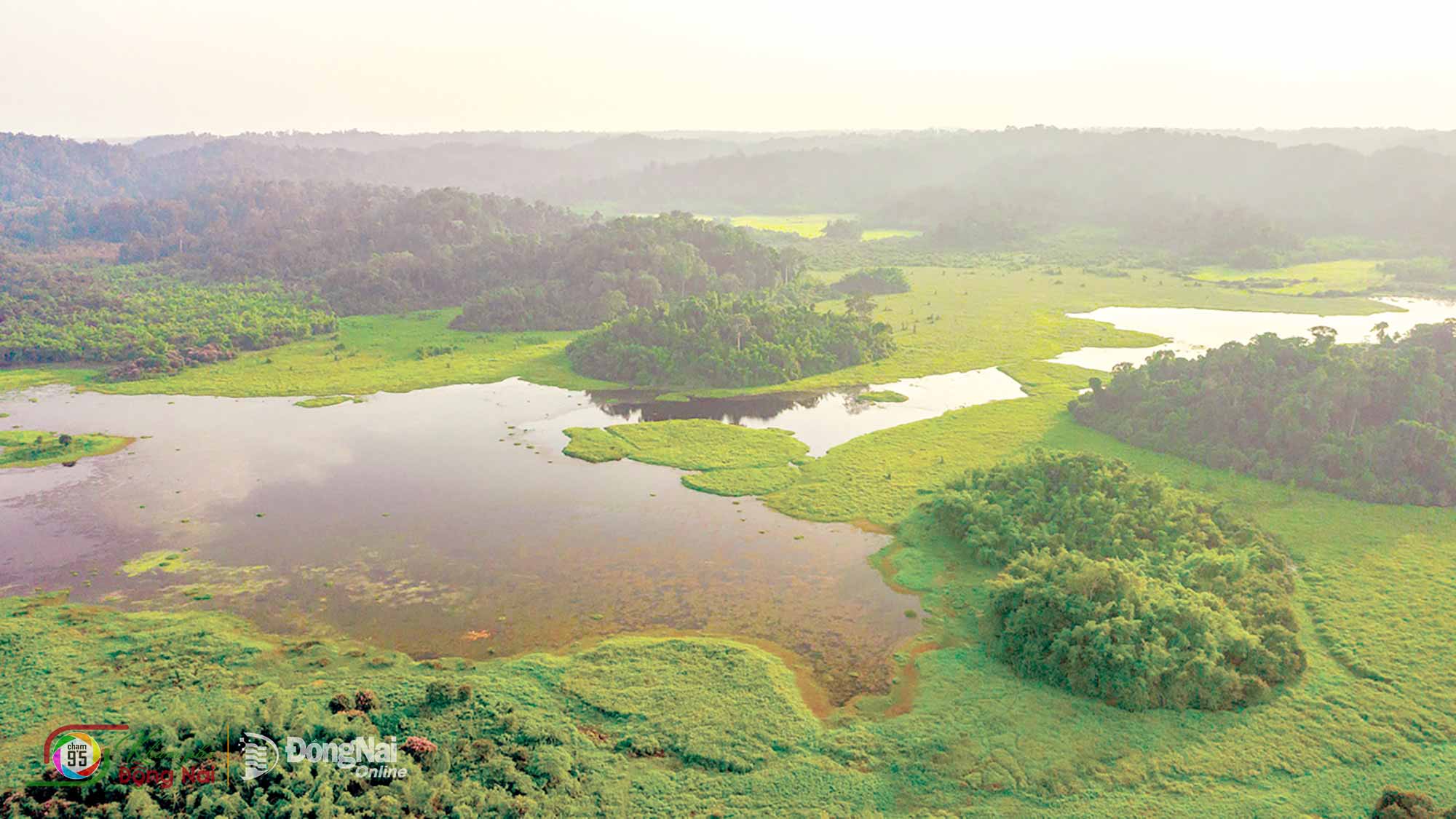
In the southern part of the city lies the Dong Nai Nature-Culture Reserve, covering more than 100,000 hectares, including over 68,000 hectares of forest, with the remainder being the waters of Tri An Lake. The reserve is home to more than 1,500 plant species and nearly 2,800 animal species, including many endangered, precious and rare species. The combination of forests, lakes and diverse ecosystems creates a unique setting for conservation, scientific research and nature exploration.
 |
 |
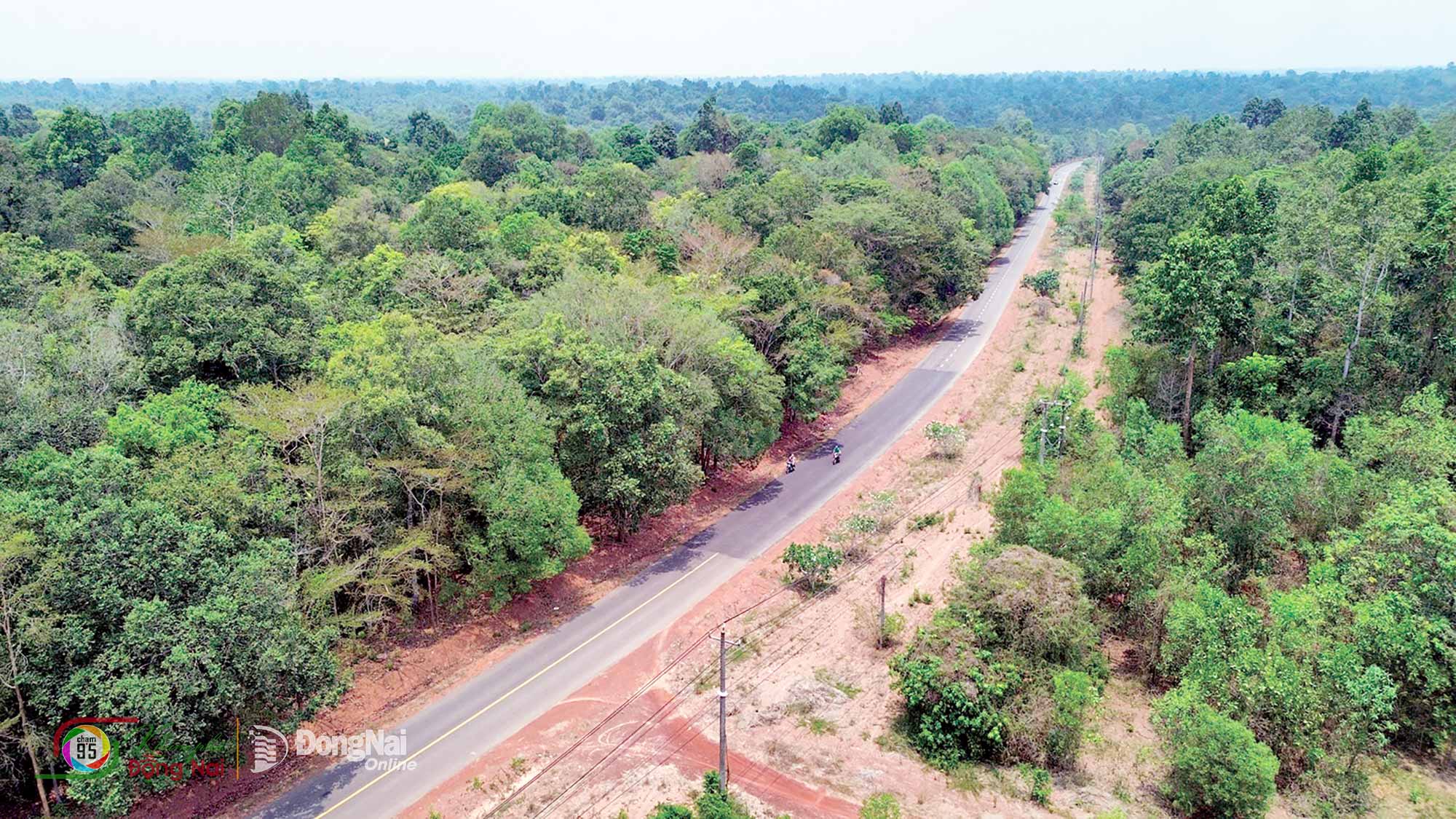 |
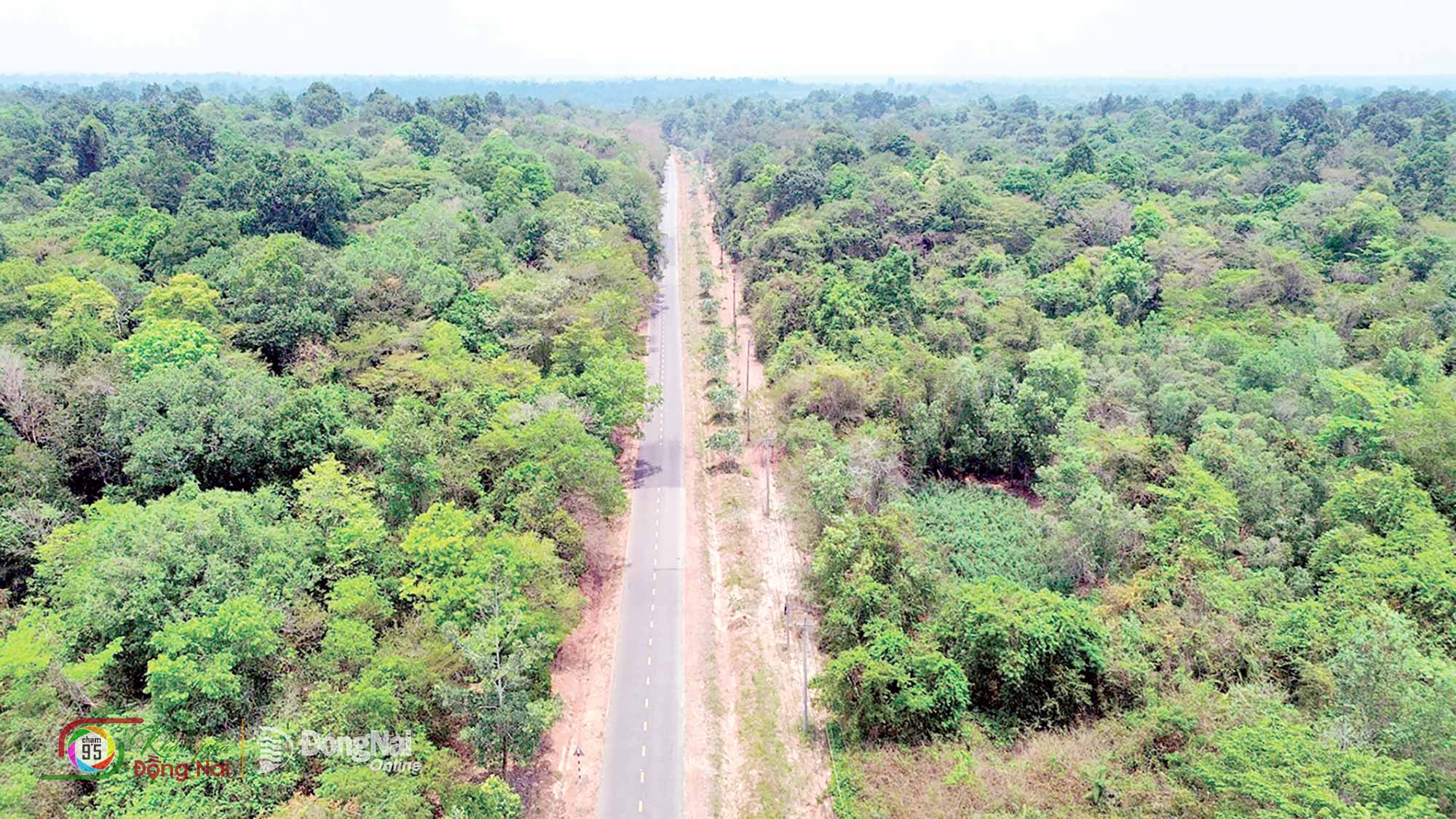
| Forests in Cat Tien National Park and the Dong Nai Nature-Culture Reserve. Photo: Binh Dang - Hoang Loc |
This natural space extends further into Cat Tien National Park. Authorities have recorded a rich diversity of flora and fauna, including numerous precious and rare species. In particular, the park preserves many characteristic primary and natural vegetation and serves as an important habitat for wildlife, including elephants and crocodiles.
In the northern part of the city, Bu Gia Map National Park is a “treasure trove” of biodiversity. Thousands of plant and animal species have also been recorded here, including many precious, rare and endangered species.
Behind the figures on plant and animal species lies Dong Nai's persistent effort to protect and restore ecosystems. Wildlife cannot survive in forests with poor habitats or declining water resources, while rare plant species also struggle to thrive where their habitats have been reduced and land is becoming degraded.
Therefore, Dong Nai possesses not only a large forest area but also a valuable “natural asset” for sustainable development.
A new gateway for the city
In mid-July 2026, the Government issued Resolution No. 188/NQ-CP on transferring Cat Tien National Park to the Dong Nai City People's Committee for management. This will give the city additional green resources to incorporate into its long-term development strategy.
Cat Tien is not an ordinary forest. It is a national park of exceptional biodiversity value and was recognized by UNESCO as the Cat Tien Biosphere Reserve in 2001. In 2011, the biosphere reserve was expanded and renamed the Dong Nai Biosphere Reserve. In 2024, Cat Tien National Park was included in the global Green List by the International Union for Conservation of Nature (IUCN).
Because of these values, taking over the management of Cat Tien National Park is not simply about receiving additional forest area. Dong Nai is also taking responsibility for an ecosystem with established natural, scientific, environmental and international values, along with a major responsibility for managing this ecological asset.
Under Resolution No. 188/NQ-CP, the city will develop a management plan to strengthen forest protection, nature conservation and biodiversity protection, scientific research, wildlife rescue, international cooperation, digital transformation and ecotourism development. The city must maintain the integrity of the ecosystem and Cat Tien's international designations.
The city is coordinating with relevant ministries, sectors and localities to take over, manage, protect and promote the value of its forests. The city's approach is to make forests part of people's lives, the green economy and its sustainable development orientation.
When forests become a livelihood
Protecting and developing forests sustainably is not only the responsibility of management agencies, forest rangers or conservation programs. It is also about helping people living around forests secure stable livelihoods and see tangible benefits from forest protection.
Nguyen Dinh Thang, a resident of Tri An Ward, has been contracted to protect forests for many years. Thang said: “Being contracted to protect the forest provides my family with an additional source of income to cover our living expenses. More importantly, local people feel a sense of responsibility for the forest. In my view, if there were more models that generated legitimate income from forests, people would have even greater motivation to protect them over the long term”.
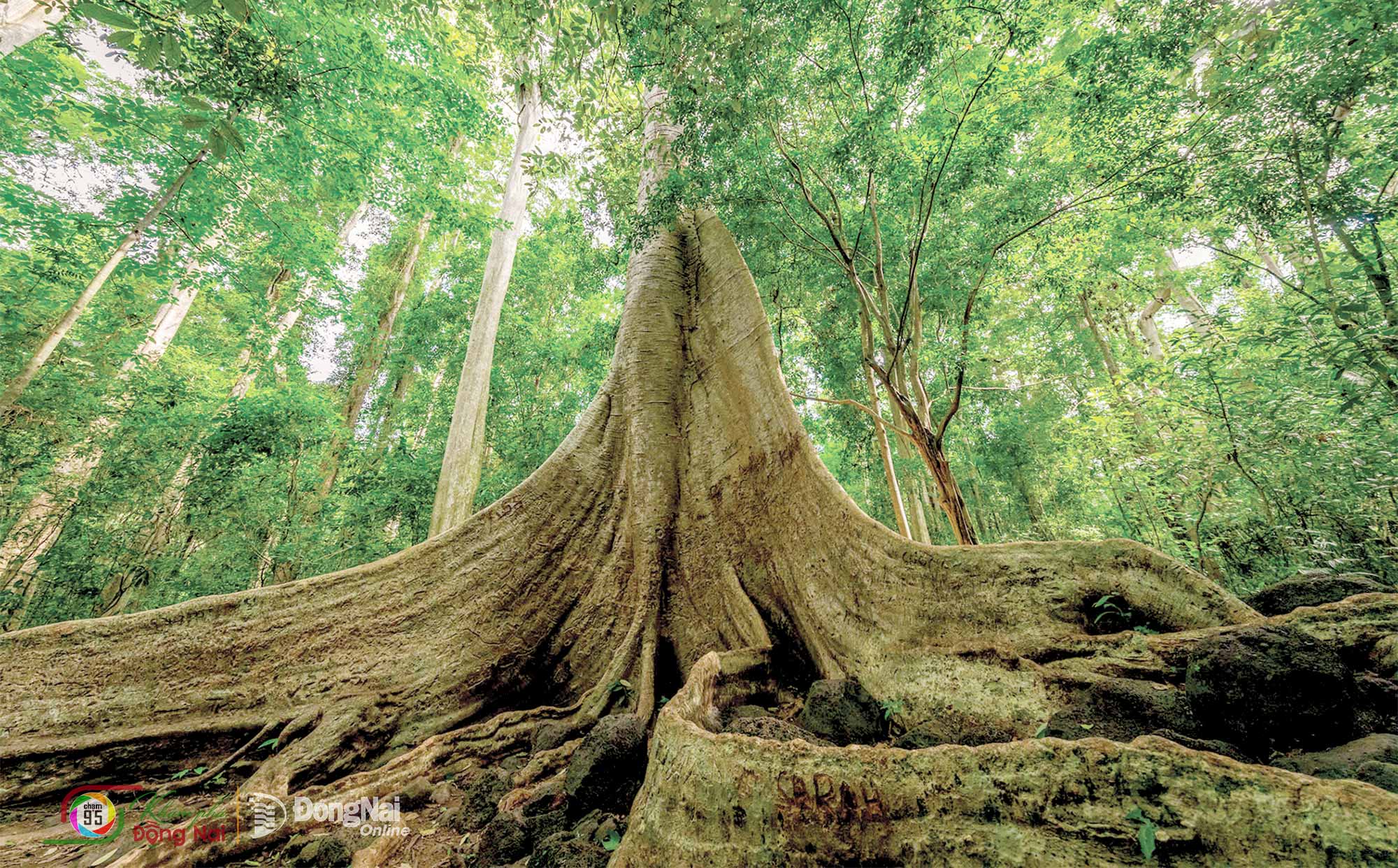 |
| Forest in Cat Tien National Park. |
Dong Nai is seeking new approaches to managing, protecting and promoting the value of its forests. The city places a strong emphasis on forest protection while clearly identifying areas, levels and methods for sustainably utilizing forest values. The city is currently inviting investment in several projects that combine ecotourism and forest-edge areas.
According to Le Thi Ngoc Loan, Member of the City Party Committee and Director of the Department of Culture, Sports and Tourism, the value of forests lies not only in conservation but can also be promoted through appropriate tourism products. Cat Tien National Park could open up opportunities for forest exploration, wildlife observation and biodiversity research. The Dong Nai Nature-Culture Reserve could connect forests with Tri An Lake, local culture and community life. Other forest areas could also develop appropriately scaled tourism, environmental education and nature-experience products. Effectively tapping into these advantages would turn forests into a resource for ecotourism and the green economy.
Nguyen Hoang Hao, Director of the Dong Nai Nature-Culture Reserve, said that creating sustainable livelihoods for people in buffer zones so that communities can participate in forest protection is important to safeguarding forests. When people earn income from legitimate activities associated with forests, such as forest protection contracts and ecotourism, they have greater motivation to protect the natural resources that are part of their daily lives.
Forests are a distinctive advantage of Dong Nai compared with other localities in the region and other cities. Preserving this green landscape while promoting the values forests bring to communities and the economy is a way to make these forests part of the city's future.
As of the end of June 2026, Dong Nai had more than 370,000 hectares of forests and land planned for three types of forests. This is the largest forest area in the Southeast region and makes Dong Nai the city with the largest forest land area among Vietnam's nine cities. The city's forest coverage rate reached 25.25%. Forests with high natural values include the Dong Nai Nature-Culture Reserve, Cat Tien National Park and Bu Gia Map National Park.
By Hoang Loc - Translated by Diec Quyen, Thu Ha


Thông tin bạn đọc
Đóng Lưu thông tin