
Grassroots digital transformation involves more than investing in technological infrastructure, upgrading equipment, launching individual campaigns, or installing applications. More importantly, it is about helping residents change their awareness, develop digital skills, and gradually establish digital habits in daily life.
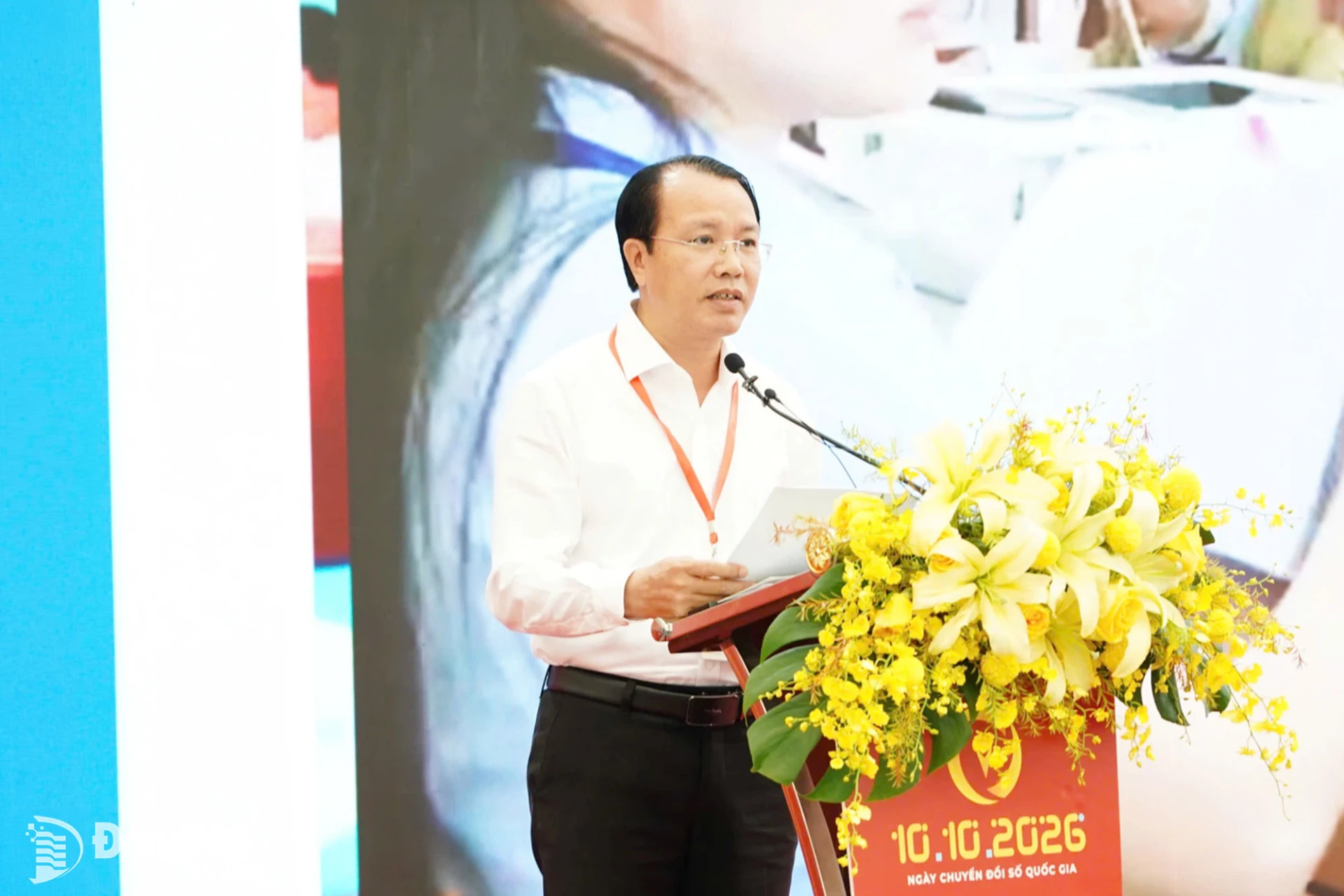 |
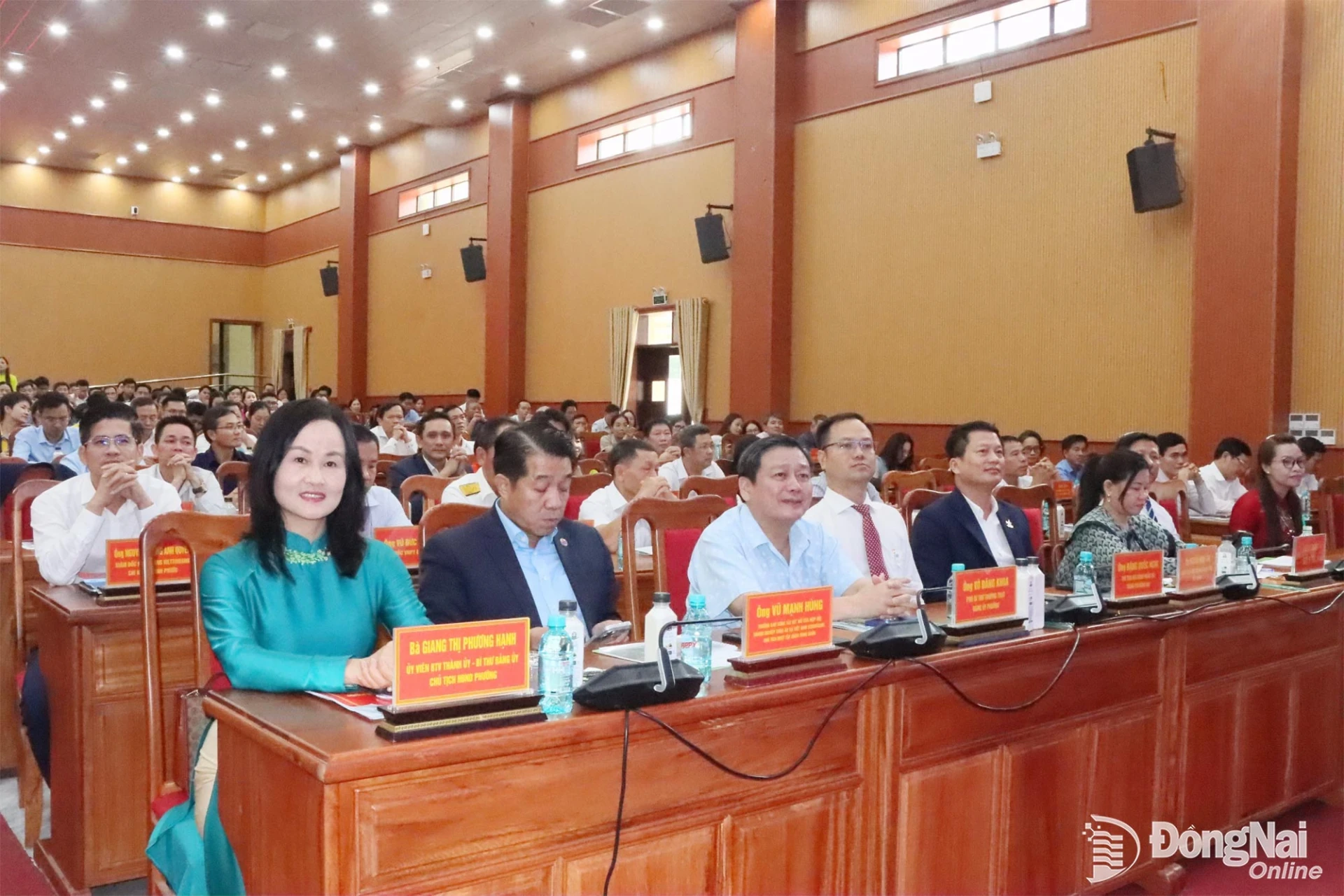
| Ngo Hong Khang, Deputy Secretary of the Binh Phuoc Ward Party Committee and Chairman of the Ward People's Committee, presents a paper titled “From Changing Habits to Cultivating Digital Citizens and Building a Digital Society: Practical Experiences from Binh Phuoc Ward, Dong Nai City” at an event marking National Digital Transformation Day 2026, organized by the Ministry of Science and Technology in Hanoi. |
Practical experience in Dong Nai City’s Binh Phuoc Ward shows that when technology becomes accessible and easy to use, residents can take the initiative in handling their affairs, accessing public services, and conducting essential transactions. This process gradually fosters digital skills and civic awareness, laying a solid foundation for the development of a citizen-centered digital society.
Grassroots digital transformation must begin with residents' practical needs
According to Ngo Hong Khang, Deputy Secretary of the Binh Phuoc Ward Party Committee and Chairman of the Ward People's Committee, one of the challenges facing grassroots digital transformation is not simply a lack of technological solutions or platforms, but rather residents' established habits and their limited ability to use technology.
 |
|
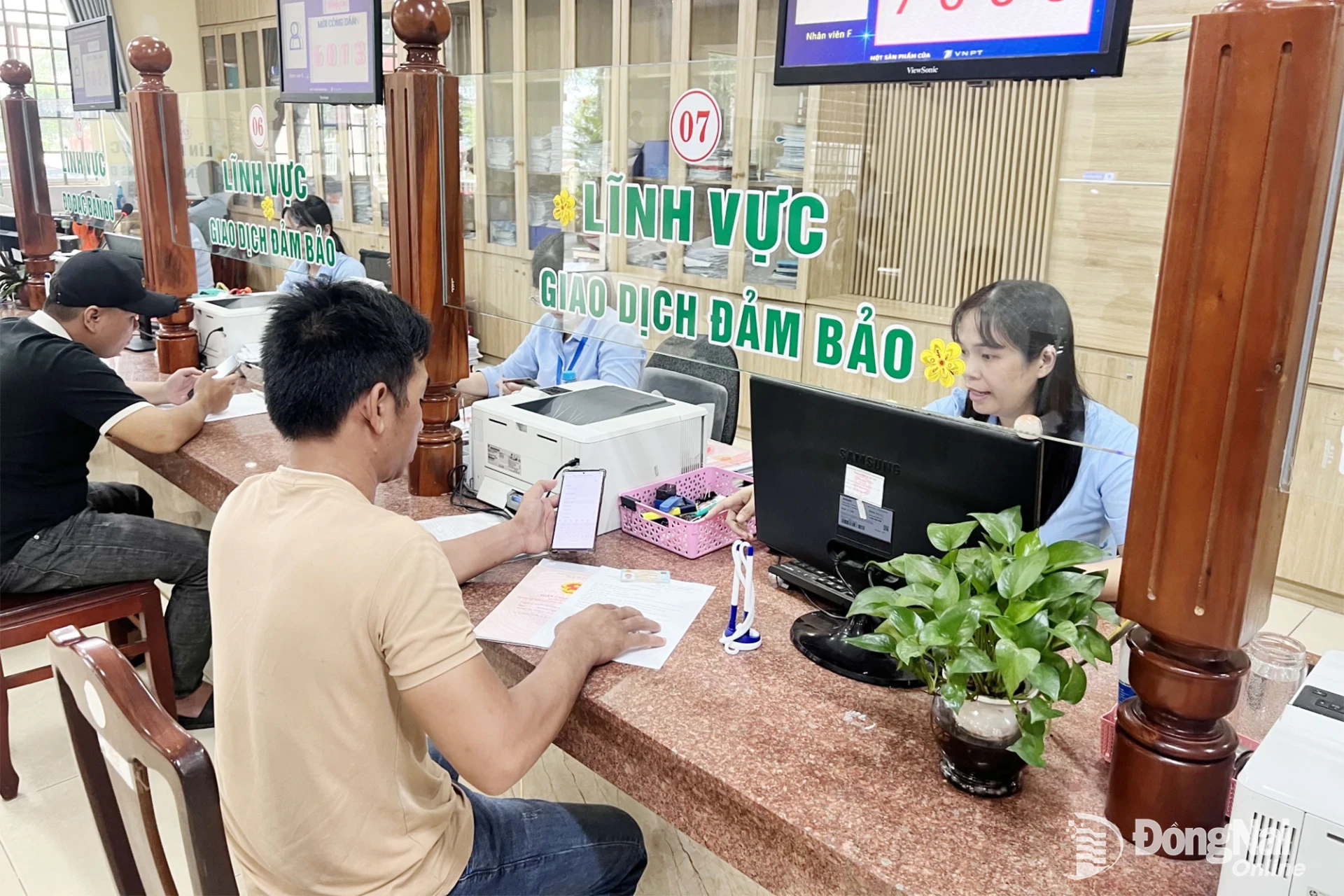
Residents complete administrative procedures at the Binh Phuoc Ward Public Administration Service Center. Photo: Ha Le |
Local experience shows that changing established habits is no simple task. Previously, although many residents used smartphones, they continued to prepare paper documents and visit government offices in person to seek guidance from officials. Many were reluctant to submit applications online for fear of making mistakes or encountering complicated procedures. Meanwhile, cash remained the predominant means of payment in daily transactions. Some residents had activated their VNeID accounts or installed digital applications but had not made effective use of their functions. When encountering difficulties, they often relied on civil servants or family members to complete procedures on their behalf.
 |
| The Binh Phuoc Ward People's Committee holds a conference to announce and launch the pilot operation of the DC4.0 quarter management software across its 12 quarters following administrative reorganization on July 10, 2026. |
Recognizing these challenges, the Party Committee and People's Committee of Binh Phuoc Ward determined that grassroots digital transformation must begin with creating changes in residents' awareness, skills, and daily habits. Owning smart devices does not automatically make people digital citizens, just as installing an application does not necessarily mean that digital transformation has been successful.
 |
| Residents of Binh Phuoc Ward receive practical guidance on using digital applications. |
"Our approach is clear: disseminate information so that residents know, explain so that they understand, guide residents so they can do things themselves, and support them so they can use technology, with the ultimate goal of ensuring that they genuinely benefit. This approach is being put into practice through the “Digital Literacy for All” movement, the “Every Resident Is a Digital Citizen” skilled mass mobilization model and the provisional criteria set for assessing and supporting digital citizen development for 2026–2030," emphasized Khang.
The “Digital Literacy for All” movement is not merely about introducing technology to residents. It must enable them to use technology to address everyday needs and improve their lives," said Ngo Hong Khang, Deputy Secretary of the Binh Phuoc Ward Party Committee and Chairman of the Ward People's Committee.
These efforts are beginning to yield results in the settlement of administrative procedures. According to Nguyen Thai Son, Deputy Director in charge of the Binh Phuoc Ward Public Administration Service Center, the center's online application submission rate reached 85.2% in 2025. During the first nine months of 2026, it received and processed 19,028 online applications, achieving a digitization rate of 100% (19,028 out of 19,028). All 18,661 processed applications were completed on or ahead of schedule, with no overdue cases. During the same period, the center guided residents, organizations and businesses through administrative procedures on 65,860 occasions.
During the 30-day-and-night campaign in 2026, all 1,818 administrative applications involving financial obligations were paid online. Initially adopted as part of administrative procedures, cashless payments have gradually expanded into everyday transactions. In the first nine months of 2026, all 11,437 applications involving payment were settled online, totaling VND774 million.
Notably, the use of digital applications among residents has also increased significantly. As of October 5, 2026, Binh Phuoc Ward had recorded 18,287 downloads of the Dong Nai Citizen application (Dong Nai City). However, local authorities do not regard the number of downloads as the ultimate measure of success. Instead, they focus on how effectively residents use application functions, interact with government agencies, and address practical needs in their daily lives.
Developing digital citizens lays foundation for digital society and smart ward
Behind these achievements is a fundamental change in how grassroots authorities support residents in accessing and using technology. Through their visits to residential neighborhoods, Community Digital Technology Teams and the Technology and Professional Support Response Team for Administrative Procedures have shifted from performing tasks on behalf of residents to guiding them through each step so they can complete the tasks independently. This approach has helped residents overcome their reluctance to use online public services while ensuring that no one is left behind in the digital transformation process.
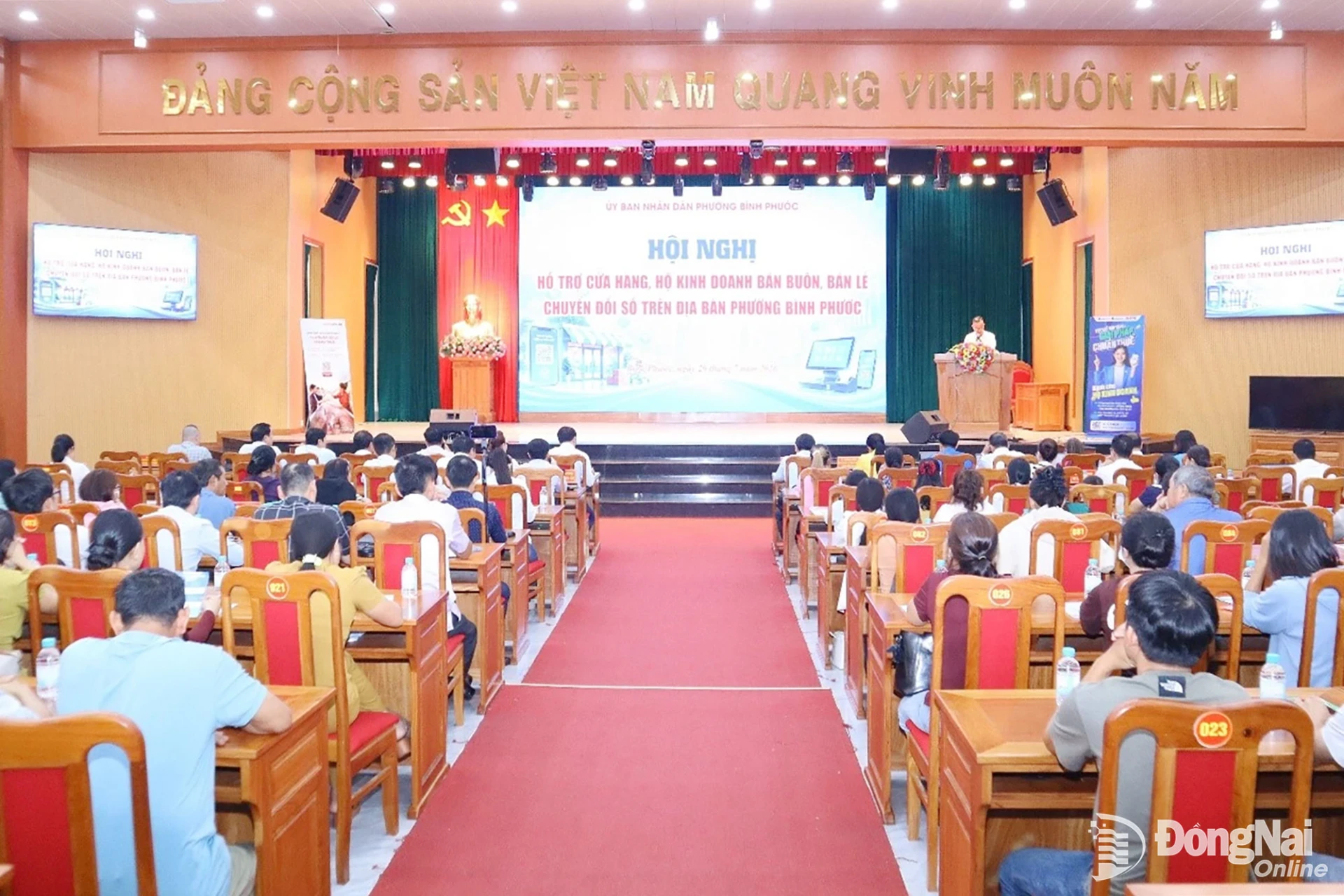 |
| A conference is held in Binh Phuoc Ward to support local wholesale and retail establishments and household businesses in their digital transformation. |
This approach is particularly meaningful for older people, vulnerable groups, and those unfamiliar with technology. Through step-by-step assistance, residents can not only complete immediate administrative procedures but also gradually acquire digital skills, build confidence, and become more independent in accessing and using digital services.
Chairman of the Ward People's Committee Ngo Hong Khang said Binh Phuoc Ward aims not only to increase the number of applications submitted online but also to help residents shift from the habit of "visiting government offices to complete administrative procedures" to "proactively interacting with public administration agencies in the digital environment."
"A digital citizen does not necessarily have to be a technology expert. First and foremost, a digital citizen must know how to use electronic identification, access public services, make digital payments and conduct digital transactions, obtain verified information, interact with government authorities, protect personal data, and behave responsibly in cyberspace," emphasized Ngo Hong Khang, Deputy Secretary of the Binh Phuoc Ward Party Committee and Chairman of the Ward People's Committee.
Platforms such as VNeID, online public services, Dong Nai City, DC4.0, and Digital Citizen Station serve not only administrative purposes but also create opportunities and provide practical environments where residents can develop digital skills and access useful services. For Binh Phuoc Ward, developing digital citizens is an essential step toward building a digital society, promoting the digital economy, improving the operational efficiency of digital government, and realizing the smart ward model.
 |
| Leaders of the Department of Science and Technology, VNPT Dong Nai, and Binh Phuoc Ward press the button to launch the Smart Market and Digital Market 247 management software in early August 2026. Photo: Nha Tram |
 |
| The Binh Phuoc Ward Community Digital Technology Team assists residents in installing and using digital applications. Photo: Nha Tram |
According to Chairman of the Binh Phuoc Ward People's Committee Ngo Hong Khang, developing digital citizens means establishing the human foundation for a digital society and a smart ward. Therefore, grassroots digital transformation must originate from residents' practical needs. Efforts to popularize technology must be accompanied by the dissemination of digital skills, while direct support teams at the grassroots level must be maintained to help residents gradually become independent in using digital technology. The ultimate measure of success is not the number of technological platforms deployed, but the practical benefits residents receive, including greater convenience, increased independence, improved transparency, and enhanced security.
Digital transformation can deliver its full value only when every resident can independently complete necessary administrative procedures, access information, and use digital tools to meet everyday needs. What matters is not how many apps residents install, but what they can do with technology and the benefits they get from it. “People Know, People Use, People Benefit” is also the message Binh Phuoc Ward seeks to convey in promoting the development of digital citizens, ensuring that digital transformation becomes accessible, practical, and closely integrated into the daily lives of all residents.
By Ha Le – Translated by Minh Hong, Thu Ha



Thông tin bạn đọc
Đóng Lưu thông tin