
From a riverside locality, Dai Phuoc Commune in Dong Nai City is poised to develop new urban and service spaces as a series of interregional transport infrastructure projects move forward. However, to turn these advantages into tangible drivers of growth, the locality must comprehensively address challenges related to planning, site clearance, investment attraction, and securing residents' livelihoods amid urbanization.
Transport infrastructure opens up new development space
Located at a gateway to eastern Ho Chi Minh City (HCMC), Dai Phuoc Commune benefits from its strategic geographical position, river network, and connectivity to major transport routes. These advantages provide favorable conditions for the locality to develop urban areas, commerce, services, and tourism, gradually emerging as a new growth pole in the Nhon Trach area.
 |
||
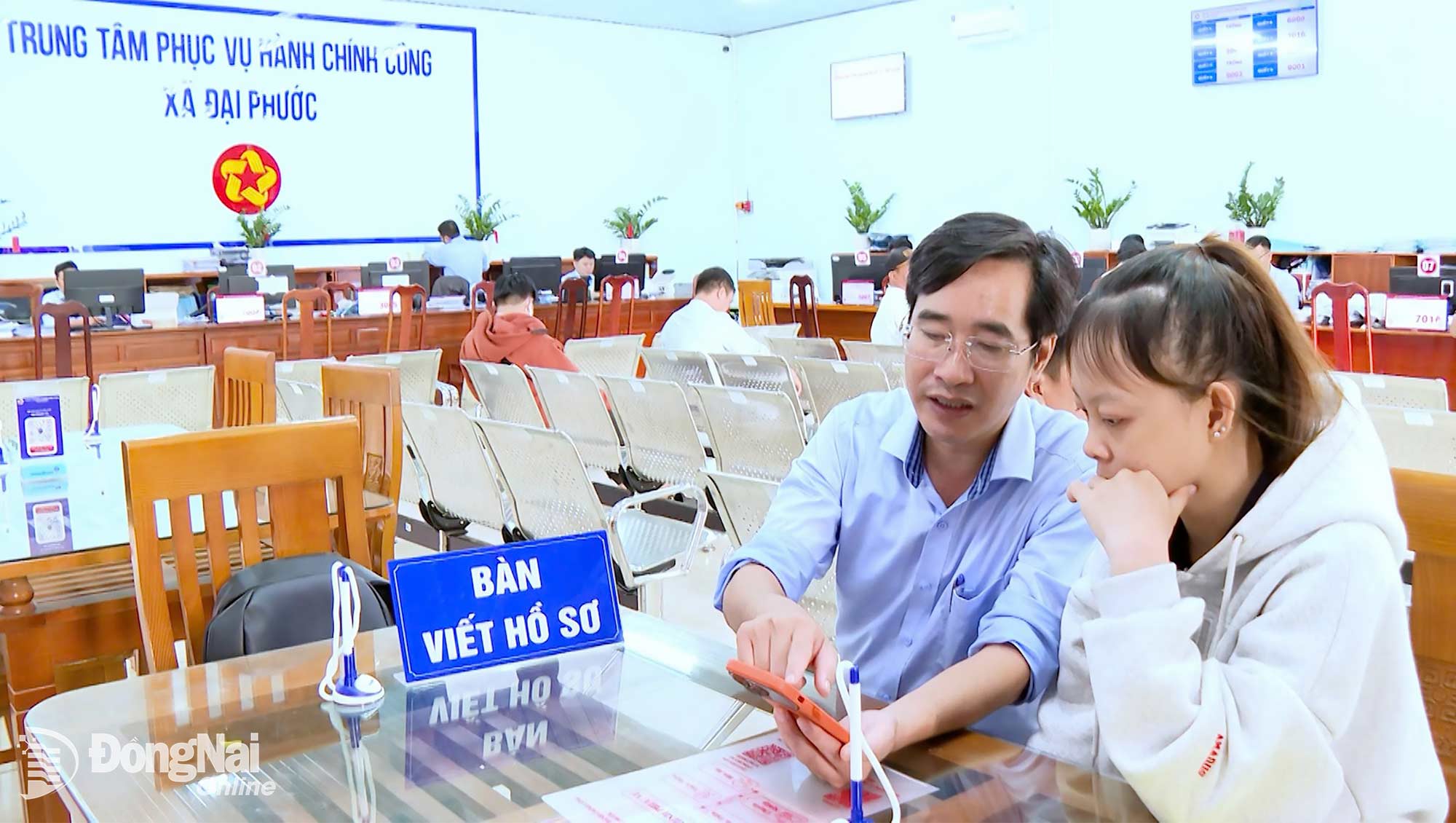
Dai Phuoc Commune promotes a people-friendly administration and digital transformation to create momentum for development and investment attraction. Photo: Phuoc Tho |
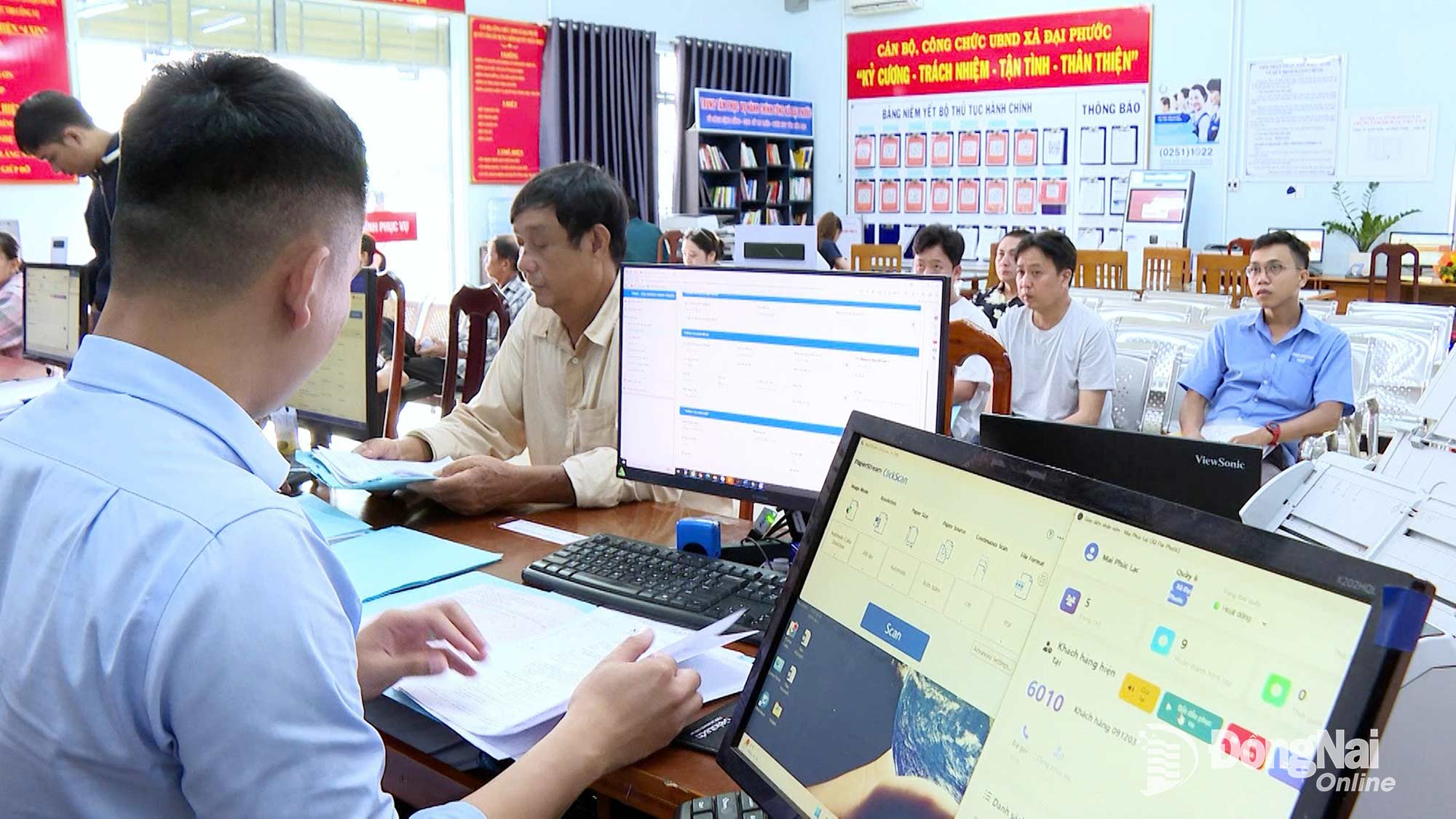
Among the infrastructure projects currently being implemented, Cat Lai Bridge is considered a key project shaping Dai Phuoc's connectivity and development orientation. Spanning more than 11.6 km, the bridge will connect the My Thuy interchange in HCMC with the Ben Luc–Long Thanh Expressway in Dai Phuoc Commune and is scheduled for completion in 2029. Once operational, it will provide an additional direct transport link between Dong Nai and HCMC, gradually reducing dependence on the Cat Lai ferry while improving access to regional economic, commercial, and service centers.
The significance of Cat Lai Bridge extends beyond shortening journeys. Improved transport connectivity will also create favorable conditions for attracting enterprises, restructuring economic activities, and generating employment opportunities for local residents. It will also provide a basis for Dai Phuoc to reorganize its development space and identify investment sectors suited to its local advantages.
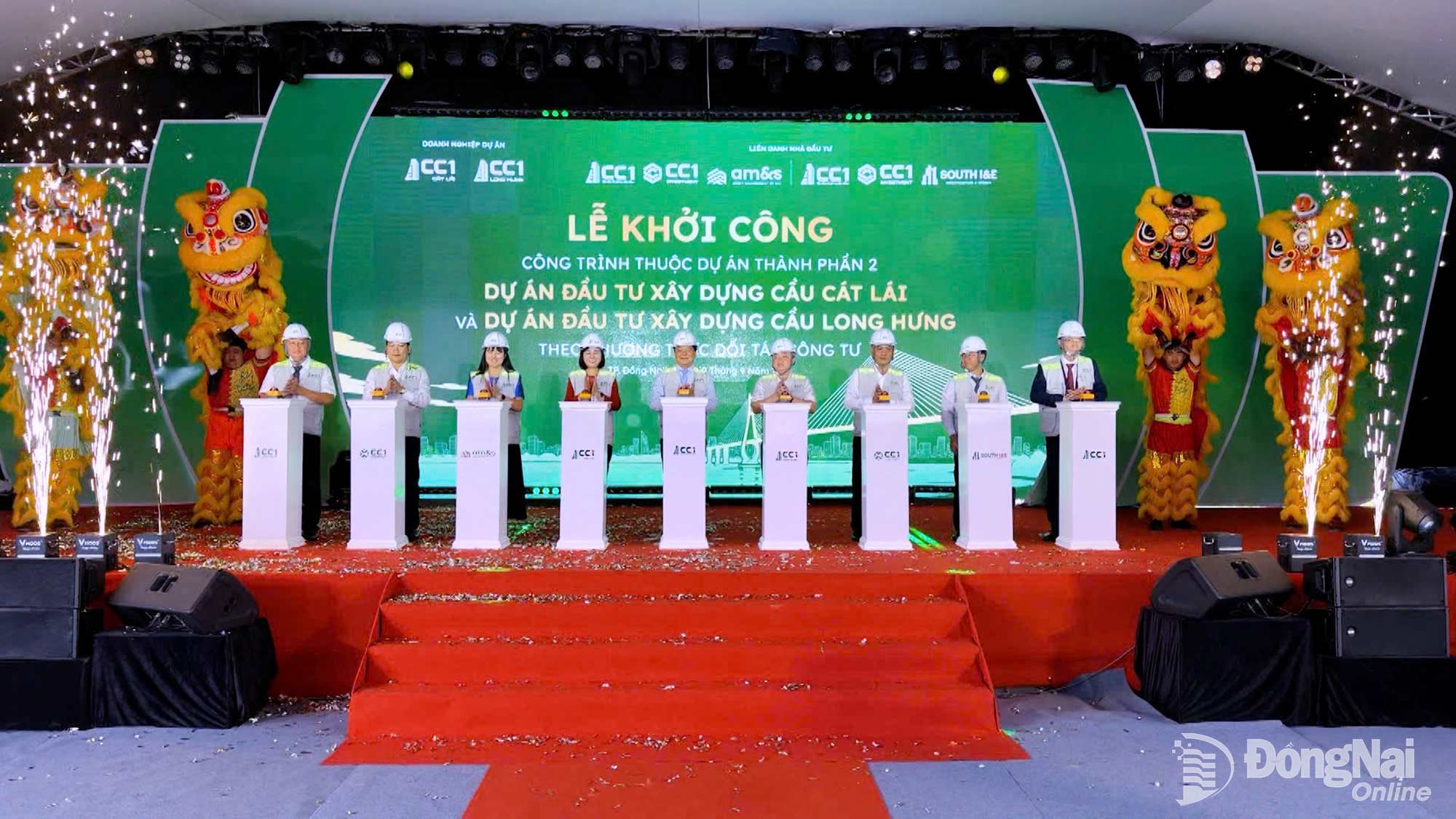 |
| After 30 years of anticipation, construction officially begins on Cat Lai Bridge connecting Ho Chi Minh City and Dong Nai City on September 29, 2026, to the delight of officials and residents in both localities. Photo: Phuoc Tho |
Together with Cat Lai Bridge, the Ben Luc–Long Thanh Expressway, the planned Phu My 2 Bridge, and several interregional transport routes are forming an important connectivity network. Once these projects are completed in a coordinated manner, Dai Phuoc will benefit from improved connections to HCMC, Long Thanh International Airport, and regional logistics centers.
Notably, the first phase of the Inter-Port Road project, which stretches more than 8.8 km and includes five bridges passing through the commune, is being actively implemented. To date, the locality has handed over 65 hectares of land, equivalent to 100% of the site required for construction. The project is expected to strengthen connectivity among ports, creating favorable conditions for the development of freight transport, warehousing, and logistics services.
According to Ho Quoc Tan, Deputy Secretary of the Dai Phuoc Commune Party Committee and Chairman of the Commune People's Committee, developing a transport network linked to port operations will open up additional opportunities for business support services. However, spatial planning must ensure a balance among transport corridors, service areas, and residential neighborhoods to prevent economic expansion from causing traffic congestion and environmental pressures.
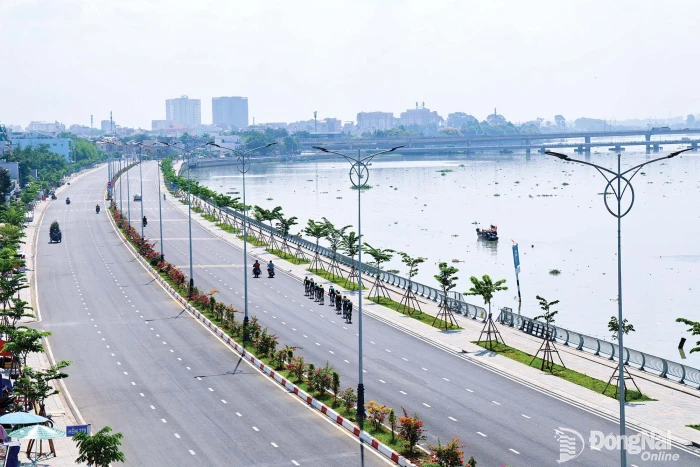
In addition to its transport advantages, Dai Phuoc's river system and natural landscape are important assets in shaping the locality's distinctive urban identity. The commune has announced the Dai Phuoc 1 zoning plan, which aims to develop a smart riverside urban space centered on science, innovation, and improved quality of life.
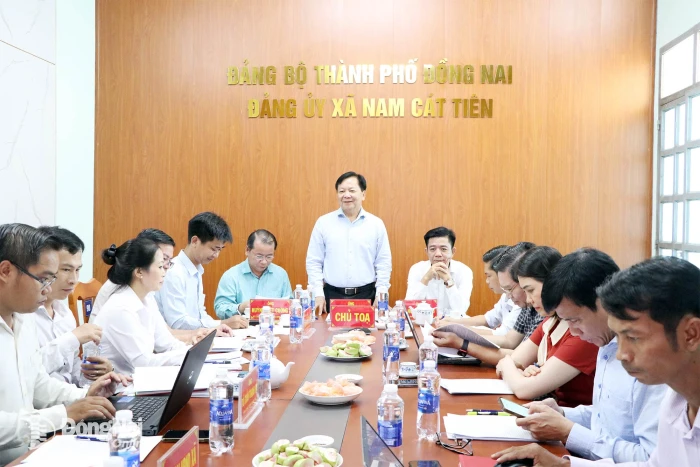
Nguyen The Phong, Member of the Dong Nai City Party Committee, Secretary of the Dai Phuoc Commune Party Committee, and Chairman of the Commune People's Council, said the locality is focusing on accelerating the preparation of zoning plans, developing coordinated transport and urban infrastructure, and strengthening interregional connectivity. Its overall objective is to build a green, clean, and smart riverside urban area, creating a favorable environment for attracting investment and improving residents' quality of life.
Unlocking resources and ensuring stable housing for residents
Although transport infrastructure is opening up new development opportunities, Dai Phuoc must address numerous challenges arising from urbanization to translate these advantages into concrete results. Among the key priorities are urban planning, land management, site clearance, and resettlement arrangements.
By the end of September 2026, total state budget revenue in the commune had exceeded VND460.6 billion, reaching 120.6% of the annual budget estimate. The result demonstrates the locality's capacity to mobilize budget revenue while highlighting the need to manage and use resources effectively for infrastructure investment, improvements in public services, and sustained long-term growth.
Statistics show that Dai Phuoc Commune is implementing 11 projects involving land acquisition, covering a combined estimated area of nearly 3,000 hectares and affecting approximately 6,000 households. Site clearance on such a large scale not only puts pressure on project implementation schedules but also directly affects the rights, housing, and livelihoods of thousands of families. Therefore, project implementation requires comprehensive coordination, from completing legal procedures and determining compensation and support plans to securing land for resettlement.
 |
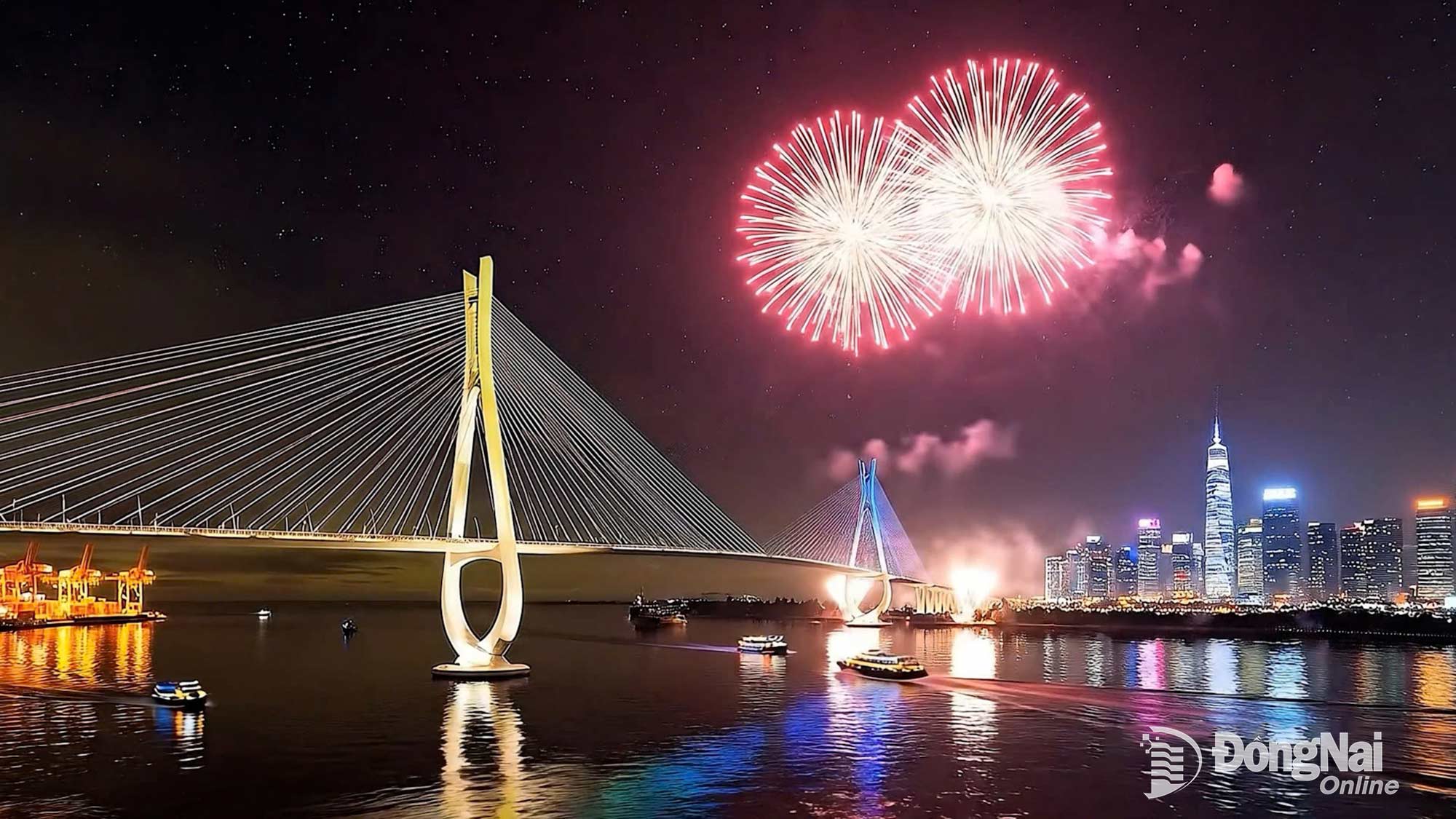 |
| A rendering of the completed Cat Lai Bridge. The key transport infrastructure project, which will connect Dong Nai City with Ho Chi Minh City, is expected to generate new momentum for the development of Dai Phuoc. |
Chairman of the Dai Phuoc Commune People's Committee Ho Quoc Tan said the locality is concentrating resources on accelerating compensation and site clearance for major projects, including Cat Lai Bridge, Phu My 2 Bridge, and two large-scale urban development projects. Alongside completing administrative procedures, the commune is intensifying public communication and mobilization to explain relevant policies, build consensus among residents, and encourage their cooperation.
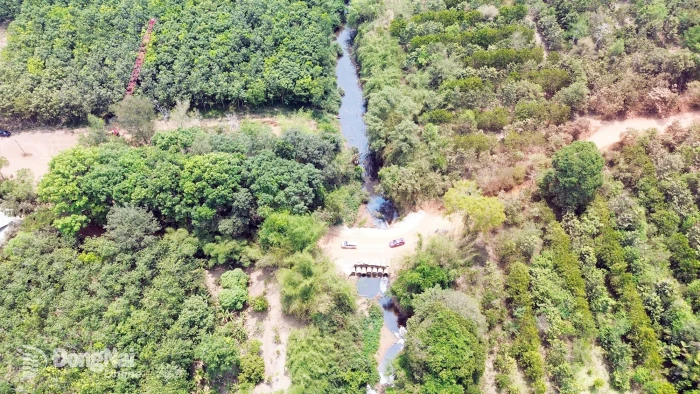
However, public consensus depends not only on communication and mobilization but also on satisfactorily addressing the rights and interests of people whose land is acquired, particularly ensuring stable living conditions following relocation. To meet resettlement needs arising from project implementation, commune leaders have proposed that relevant departments, agencies, and the Dong Nai City People's Committee promptly invest in expanding the Phuoc Khanh resettlement area to approximately 42.26 hectares, with an expected capacity of around 1,435 land plots.
Preparing land for resettlement involves more than providing new housing. It must also be linked to essential infrastructure, daily living conditions, and access to employment. This is an important factor in minimizing disputes during land acquisition and helping ensure that priority projects remain on schedule.
Regarding Dai Phuoc's development orientation, Deputy Secretary of the Dong Nai City Party Committee Vo Tan Duc instructed the locality to make effective use of its riverside advantages, natural landscape, and strategic transport connectivity to develop high-quality urban areas, commerce, services, and tourism. At the same time, due attention must be given to implementing major urban development projects to generate additional growth momentum.
Deputy Secretary of the City Party Committee also emphasized the need to harmonize economic growth, environmental protection, and the legitimate rights of residents. In this process, resettlement arrangements must be completed in advance, ensuring that living conditions at new places of residence are equal to or better than those at previous locations.
This orientation demonstrates that urban development should be assessed not merely by the number of projects, investment scale, or the pace of developing new residential areas, but also by residents' quality of life and the extent to which they benefit from development. Dai Phuoc has favorable conditions to transform itself as major infrastructure projects gradually take shape. However, development opportunities can be translated into sustainable growth only when urban planning is coordinated, land resources are used effectively, projects achieve substantive progress, and residents' rights are protected.
According to Nguyen The Phong, Member of the City Party Committee, Secretary of the Dai Phuoc Commune Party Committee, and Chairman of the Commune People's Council, alongside advancing planning and attracting investment, the locality is strengthening discipline and order in land management to promptly detect and address violations. The locality is also harnessing land resources in accordance with regulations, linking it to infrastructure investment and urban development to prevent inefficient land use and unplanned development. This is an essential requirement as a series of transport and urban development projects are being implemented, improving connectivity and enhancing the potential for local land use.
By Tung Minh – Translated by Minh Hong, Thu Ha

Thông tin bạn đọc
Đóng Lưu thông tin