
Focusing on developing new-style rural (NSR) areas, accelerating public investment disbursement, and improving the quality of Party building and the operational efficiency of the political system are key tasks that Thong Nhat Commune is undertaking during the special 500-day-and-night emulation campaign themed “Unity – Discipline – Efficiency – Breakthrough, building a civilized and modern Dong Nai.”
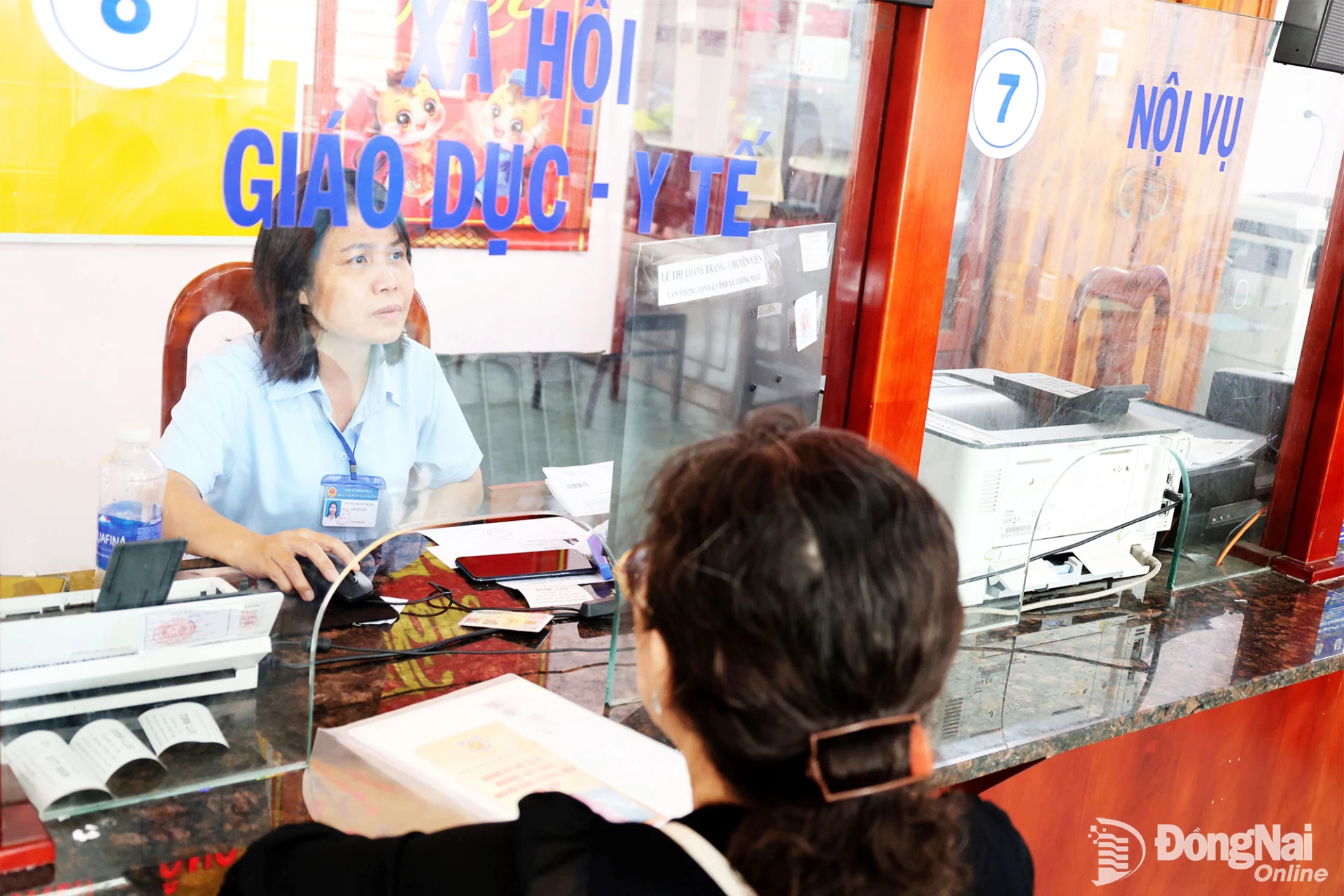 |
| Staff at the Thong Nhat Commune Public Administrative Service Center process administrative procedures for residents. |
Through proactive leadership, direction, and implementation, the locality has achieved positive results across various fields.
Key tasks
In early July 2026, the Dong Nai City People's Committee issued a decision approving a list of six communes striving to meet NSR standards in 2026, including Thong Nhat Commune.
Trinh Van Truong, Secretary of the Thong Nhat Commune Party Committee and Chairman of the Commune People's Council, said that more than three months after the decision was issued, the locality had recorded numerous positive results. The commune has completed the required documentation and submitted documentation for 46 of the 47 NSR criteria for verification. To date, 30 criteria have received appraisal documents from city departments and agencies confirming that they meet the requirements, while the remaining criteria are undergoing verification. The commune continues to work toward fulfilling the criteria, linking NSR development with the renovation of village roads and alleys and the creation of green, clean, and beautiful landscapes.
According to Truong, in implementing the resolution of the City Party Committee’s Executive Board on launching the special 500-day-and-night emulation campaign, the Standing Committee of the Thong Nhat Commune Party Committee issued a plan identifying three key tasks: striving to meet NSR standards in 2026; strengthening administrative discipline and order while promoting digital transformation; and accelerating land clearance and public investment disbursement.
Regarding NSR development, the Commune Party Committee issued a thematic resolution, consolidated the steering committee for national target programs for the 2026–2030 period, and assigned members responsible for individual criteria. The Party Committee also directed Party cells, agencies, mass organizations, and hamlets to strengthen communication efforts and mobilize officials, Party members, union members, association members, and local residents to participate. The locality has also focused on mobilizing resources from communities and businesses to fulfill the criteria.
Venerable Thich Duc Phuong, abbot of Nam Son Pagoda in Thong Nhat Commune, said that NSR development is a shared responsibility of the entire community, requiring public consensus and collective efforts. Recently, the pagoda has worked alongside the Party Committee and local authorities to actively encourage Buddhists to uphold the spirit of solidarity, participate in local movements, and join efforts to build an increasingly prosperous and developed homeland.
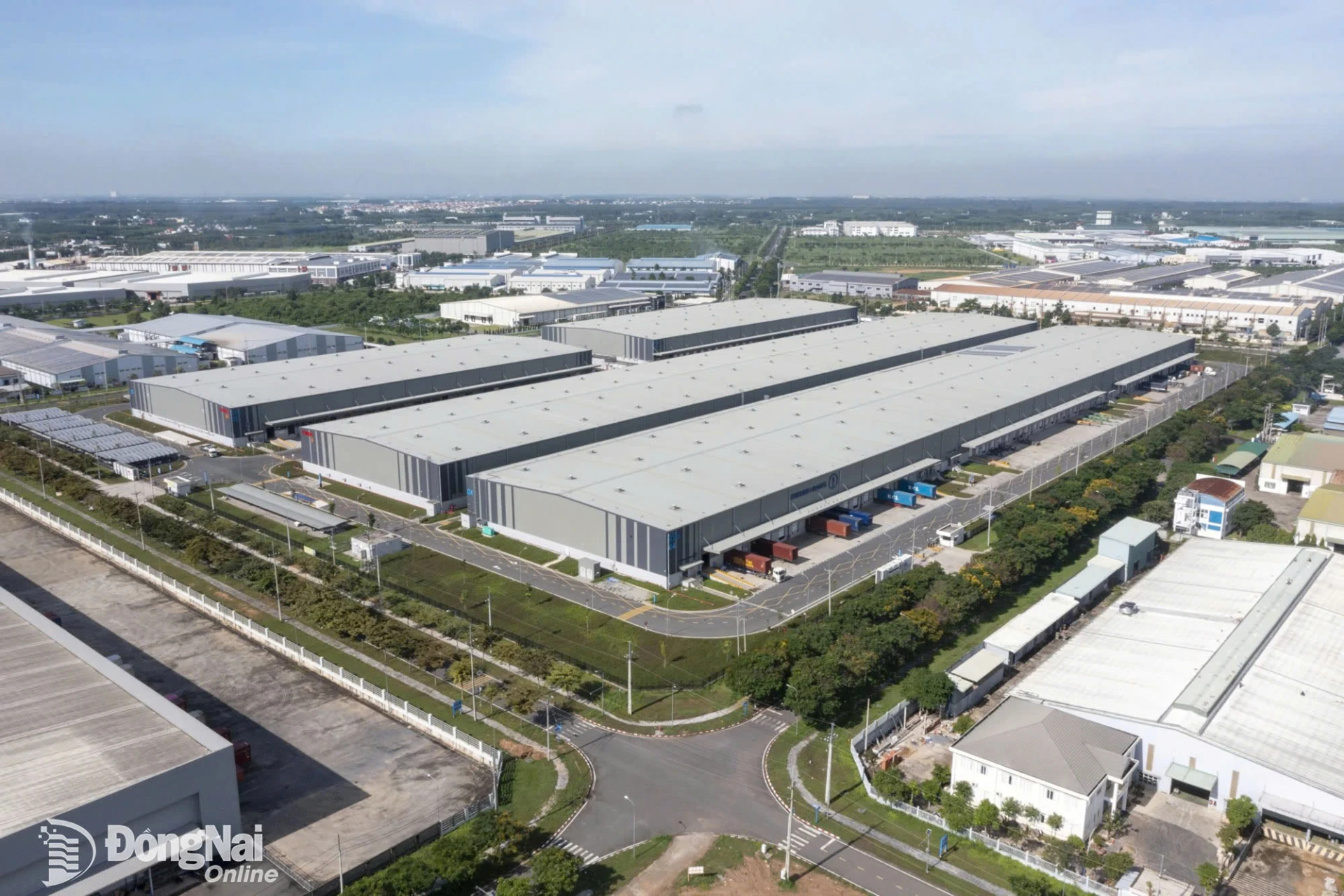
Alongside NSR development, the commune has focused on implementing socioeconomic development tasks and achieving encouraging results in several areas. During the first nine months of 2026, total state budget revenue in the commune exceeded 118 billion VND, surpassing the assigned estimate by 11%. As of September 22, public investment disbursement had reached 78.4% of the plan assigned by the city. The commune aims to complete 100% of its disbursement plan in October 2026.
Linking emulation efforts with grassroots tasks
In Party building, Thong Nhat Commune has focused on identifying and fostering outstanding individuals for Party admission, particularly in hamlet Party cells and schools. Nguyen Thanh Hoang, Head of the Thong Nhat Commune Party Building Board, said that the Commune Party Committee had been assigned a target of admitting 26 new Party members in 2026. However, the locality had already fulfilled the target by September. In October, the commune plans to complete three additional admission dossiers, aiming to exceed the assigned target.
Trinh Van Truong, Secretary of the Thong Nhat Commune Party Committee and Chairman of the Commune People's Council, said the locality's achievements are attributed to the enhanced role and responsibility of leaders, unity and consensus within the Party Committee and local authorities, and the collective efforts of the entire political system and residents. Based on the resolution of the City Party Committee’s Executive Board on launching the special 500-day-and-night emulation campaign, the Commune Party Committee continues to translate its objectives into specific plans and implementation roadmaps tailored to each field, linking the responsibilities of collectives and individuals to their task performance.
With religious followers accounting for more than 72% of the commune's population, efforts to identify prospective Party members have been closely linked with communication, mobilization, and coordination with religious organizations. Most newly admitted Party members are Catholics who participate in Party cell activities in hamlets and schools.
According to the Head of the Thong Nhat Commune Party Building Committee, following the reorganization of administrative units, the commune's 23 hamlets were consolidated into eight. The expansion in geographical area and the increase in Party membership in several Party cells have necessitated efforts to strengthen organizational structures and improve the quality of Party activities. The Party Building Board has provided guidance to Party cells on professional skills, Party-related documentation, inspection work, and thematic activities, while focusing on organizational consolidation and improving the capacity of grassroots personnel. To date, Party cell activities have stabilized.
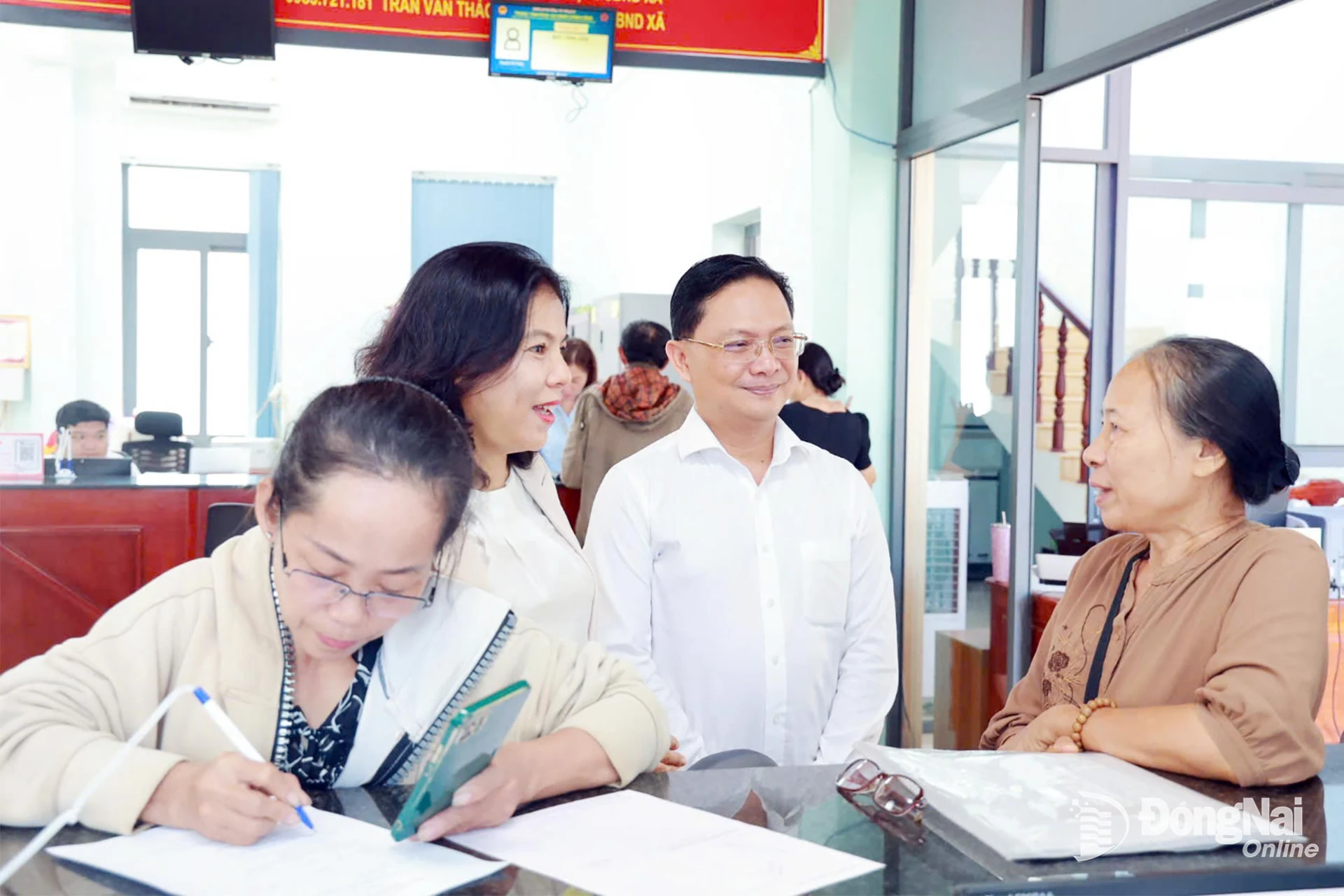
In digital transformation, the Commune Party Committee has implemented plans to carry out the Politburo's Resolution No. 57-NQ/TW on the development of science, technology, innovation, and national digital transformation. The commune has also implemented the "Digital Literacy for All" model throughout the political system and promoted the use of electronic platforms in handling administrative work. Meanwhile, the "Morning with the People" model has been maintained, providing a channel for the Party Committee and local authorities to directly engage with residents and listen to their opinions. The commune’s dialogues with residents have focused on practical issues, including the issuance of land use rights certificates, waste sorting at source, and NSR development.
According to Party Committee Secretary and Commune People's Council Chairman Trinh Van Truong, public mobilization must be closely linked with communication activities, meetings, and efforts to listen to opinions at the grassroots level. As a locality with a large religious population, the commune maintains regular contact with religious establishments and holds meetings with religious dignitaries to discuss local issues. It also encourages residents to comply with the Party's guidelines and the State's policies and laws while actively participating in patriotic emulation movements.
By Ho Thao – Translated by Minh Hong, Thu Ha

Thông tin bạn đọc
Đóng Lưu thông tin