
Dong Nai possesses all the necessary conditions to develop forest, waterfall, and lake ecotourism, modern entertainment complexes, and large-scale international-standard tourism projects. The elevation of Dong Nai to city status from April 30, 2026, together with the upcoming operation of Long Thanh International Airport, is expected to become a strategic catalyst, creating major momentum for Dong Nai City’s tourism industry.
Specifically, Dong Nai has a rich natural ecosystem, with two national parks, nature reserves, and a diverse system of lakes and waterfalls. A standout feature is Tri An Lake, one of the country’s largest artificial lakes, along with ecologically rich areas with strong potential for resort, sports, and experiential tourism development. In addition, the Ba Ra–Thac Mo Lake area has been designated as a national tourism zone, offering considerable scope for regional connectivity. Beyond natural resources, Dong Nai also has distinctive cultural values, such as Bom Bo Hamlet, Ta Lai Community Village, and Bu Gia Map National Park, which are identity-rich sources for developing community-based and experiential tourism. However, limitations in transport infrastructure and service quality, especially the shortage of high-quality, distinctive tourism products and limited innovation in tapping historical and cultural relics, have also partly restricted Dong Nai’s appeal to visitors.
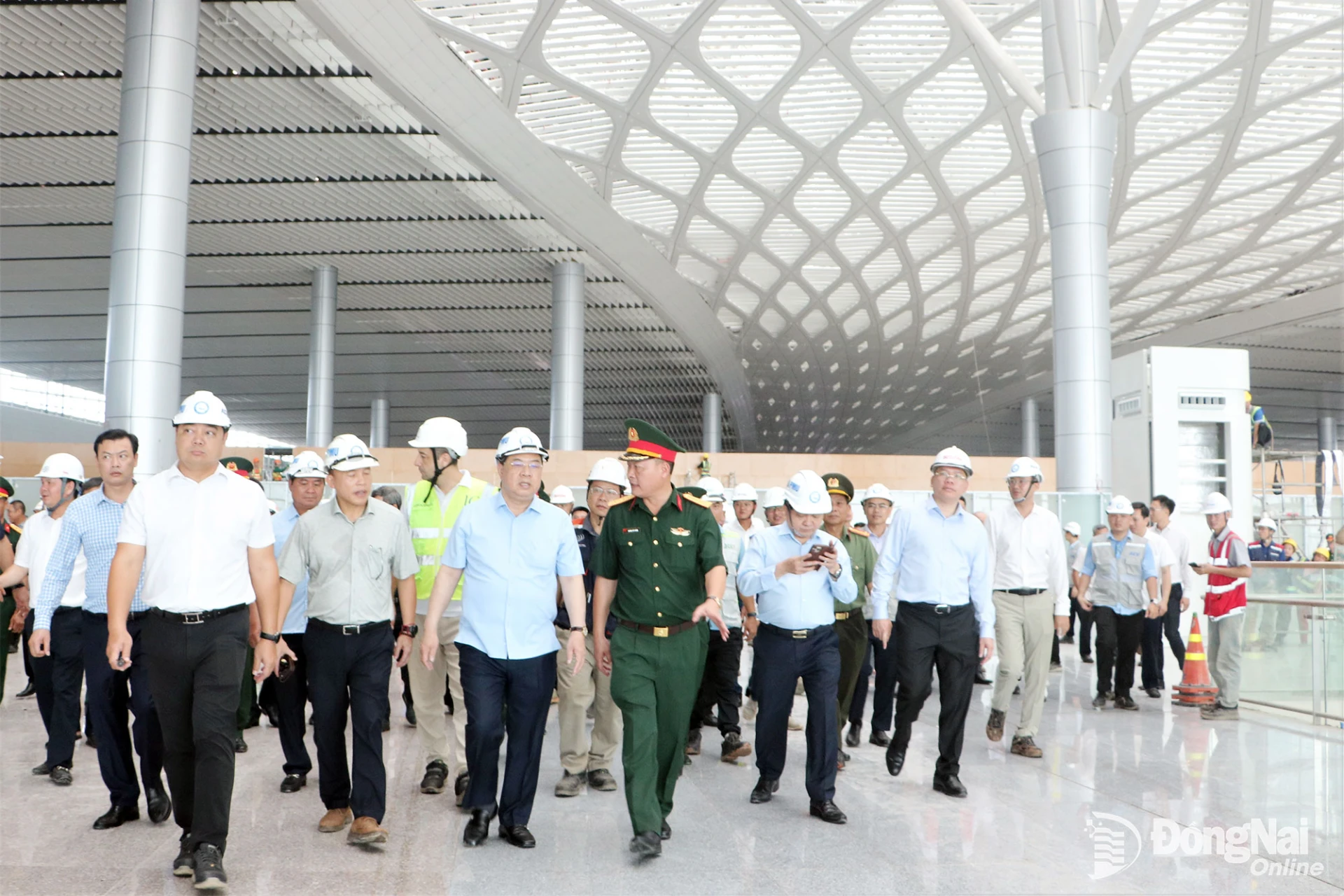
In the coming period, the operation of Long Thanh International Airport will not only open wider access to international travelers but also reposition Dong Nai on the regional tourism map. Furthermore, following Dong Nai’s elevation to city status, transport connectivity will continue to improve. Once expressways, ring roads, and metro connections are completed, Dong Nai will significantly shorten travel times to Ho Chi Minh City and other major tourism centers, helping form integrated tourism corridors. This undertaking will create favorable conditions for the development of “satellite tourism,” weekend tourism, and high-end resort products associated with the airport urban area.
Under the Provincial Master Plan for the 2021-2030 period, with a vision toward 2050, Dong Nai will strongly develop urban areas and tourism, especially in riverside, mountainside, lakeside, and airport-adjacent zones. This approach not only expands development space but also creates a modern tourism structure that integrates resorts, entertainment, commerce, and services, targeting high-spending visitor segments.
To realize these goals, improving institutions and policies will be a key factor. Dong Nai needs to further concretize tourism development policies by prioritizing strategic investors, creating clean land banks, streamlining administrative procedures, and offering competitive incentives for large-scale projects such as the Eco-tourism, Resort and Entertainment Project at Chua Chan Mountain and the first tourism project in the Dong Nai Nature and Culture Reserve. At the same time, the locality should focus on developing distinctive tourism products, including high-end ecotourism, indigenous cultural experiences, sports and adventure tourism, and tourism linked to high-tech agriculture.
Another indispensable pillar is the development of community-based tourism. Local residents need to be placed at the center of the development process through policies that support access to capital, skills training, improved management capacity, and professional tourism practices. In particular, tourism human resources must be standardized, from tour guides and managers to service workers, to ensure more consistent and professional service quality.
With tourism development solutions prioritized and new growth drivers activated in the right direction, Dong Nai tourism has every opportunity to make a breakthrough, becoming one of the locality’s key economic sectors, contributing to socio-economic development and helping Dong Nai grow rapidly, modernly, and sustainably, while emerging as an attractive destination for both domestic and international visitors.
By Thu Ngoc – Translated by Mai Nga, Minho


Thông tin bạn đọc
Đóng Lưu thông tin