
On January 2, the Dong Nai Department of Health reported that in the context of implementing provincial administrative restructuring and facing multiple complex disease outbreaks in 2025, the health sector worked diligently to successfully meet all key targets, reaffirming its central role in protecting, caring for, and improving public health.
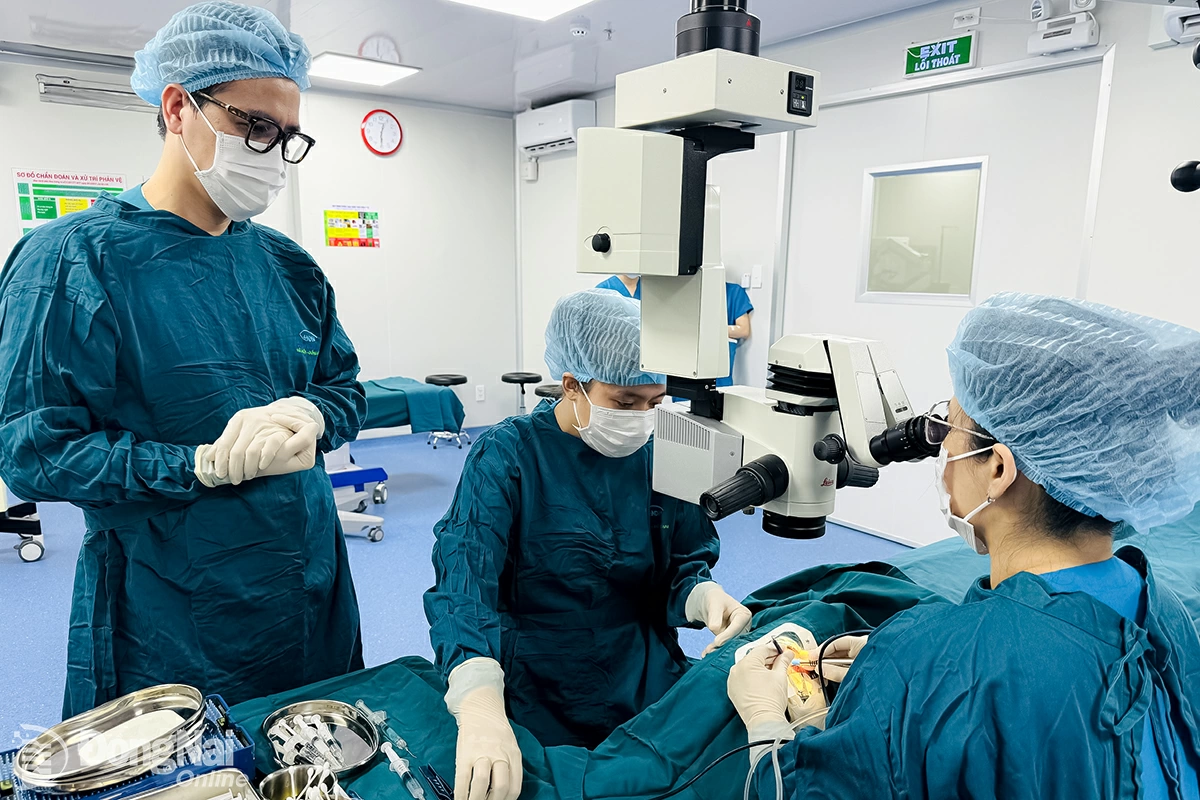 |
| A patient undergoes phacoemulsification cataract surgery at Hanoi – Dong Nai Eye Hospital. Photo: Hanh Dung |
The year 2025 marked a historic milestone with the merger of Dong Nai and Binh Phuoc provinces on July 1. Despite initial challenges, the Department of Health rapidly stabilized organizational apparatus and directed its units to complete assigned tasks, achieving all six core targets set by the Provincial Party Committee, People’s Council, and People’s Committee.
The targets achieved include 100% doctor coverage at all commune and ward health stations and outposts, 90 percent of these facilities meeting health insurance service standards, undernutrition rates among children under five of 4.9% for weight-for-age and 10.5% for height-for-age; and the provision of 10 doctors and 30 hospital beds per 10,000 residents.
 |
| A dengue fever patient in critical condition is treated at Dong Nai General Hospital. Photo: Hanh Dung |
Administrative reform remained a highlight of the health sector over the past year. Authorities reviewed 166 administrative procedures, reducing processing times by 30 percent for business-related services. On-time and accurate completion of processing records reached 98.5 percent, while public satisfaction stood at 97.4 percent.
All health insurance-covered medical facilities have implemented information lookup using either chip-based citizen identity cards or the VNeID application.
Despite the complex developments of infectious diseases, particularly the sharp rise in dengue fever and hand-foot-and-mouth disease, the health sector successfully kept outbreaks under control, preventing large-scale epidemics. Expanded immunization programs maintained high coverage, with 14 out of 15 targets met on schedule, including a full vaccination rate of 95.1%.
Notably, provincial hospitals have mastered a range of advanced medical techniques through international cooperation and knowledge transfer from major hospitals in Ho Chi Minh City, including Cho Ray Hospital and the Ho Chi Minh City Oncology Hospital. Interventions in cardiology, neurosurgery, and stroke care are now performed locally, easing pressure on higher-level facilities and reducing costs for patients.
 |
| A nurse at Thong Nhat General Hospital works with an electronic medical record. Photo: Hanh Dung |
In 2026, Dong Nai’s health sector aims to develop a fair, high-quality, and sustainable healthcare system. Key priorities include completing post-merger organizational arrangements to ensure all commune and ward health stations have doctors. Grassroots healthcare infrastructure is being strengthened, with a target of 87% of health stations meeting national standards. Major projects under development include the Bien Hoa and Nhon Trach regional health centers and the medical quarantine office at Long Thanh International Airport.
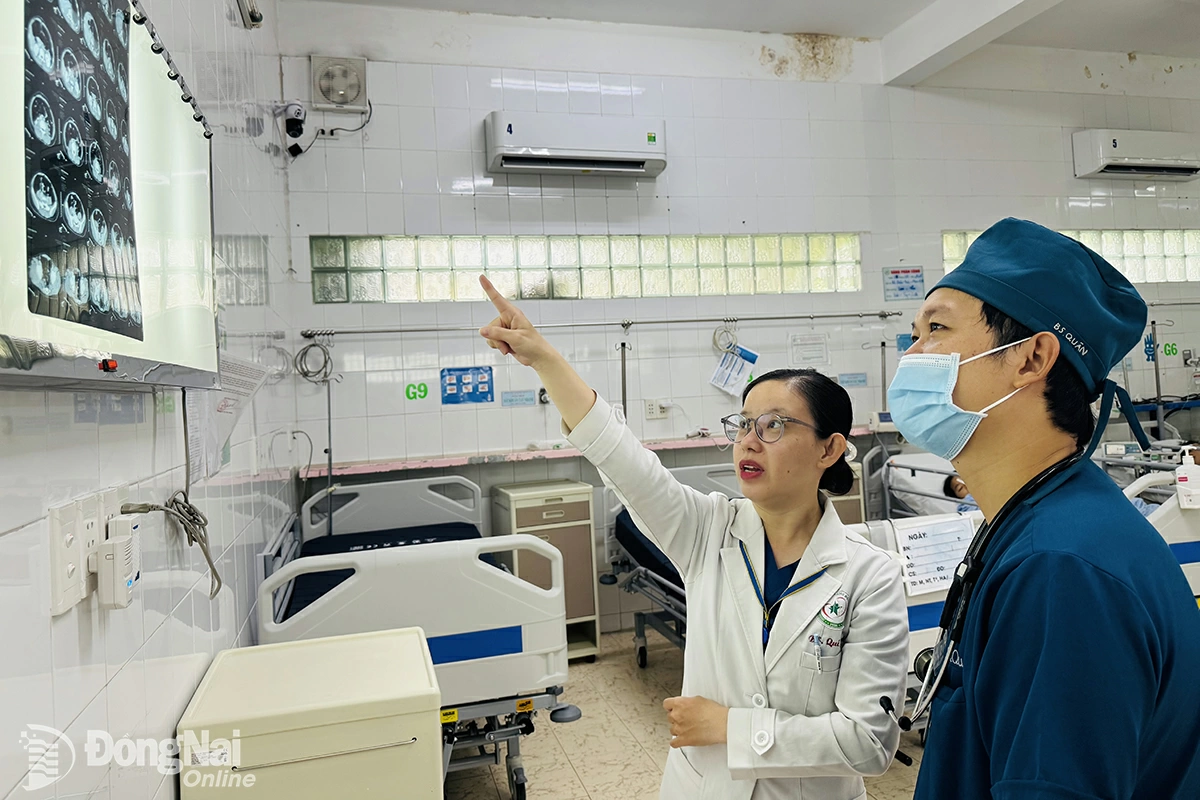 |
| Doctors at Dong Nai Children’s Hospital hold a case review to determine the best treatment for a complex patient. Photo: Hanh Dung |
The health sector plans to expand hospital bed capacity to 30.5 beds per 10,000 people and increase health insurance coverage to 96 percent of the population. It is connecting health records from grassroots to provincial hospitals to move closer to universal healthcare. The target for children under one to receive all eight recommended vaccines is over 98 percent.
By Hanh Dung – Translated by Tam Binh, Thu Ha


Thông tin bạn đọc
Đóng Lưu thông tin