
The Government's Resolution No. 36/2026/NQ-CP on simplifying administrative procedures for growing area codes (GACs) and packing facility codes introduces a number of new points to make the process more transparent, streamlined and convenient for farmers, cooperatives and businesses.
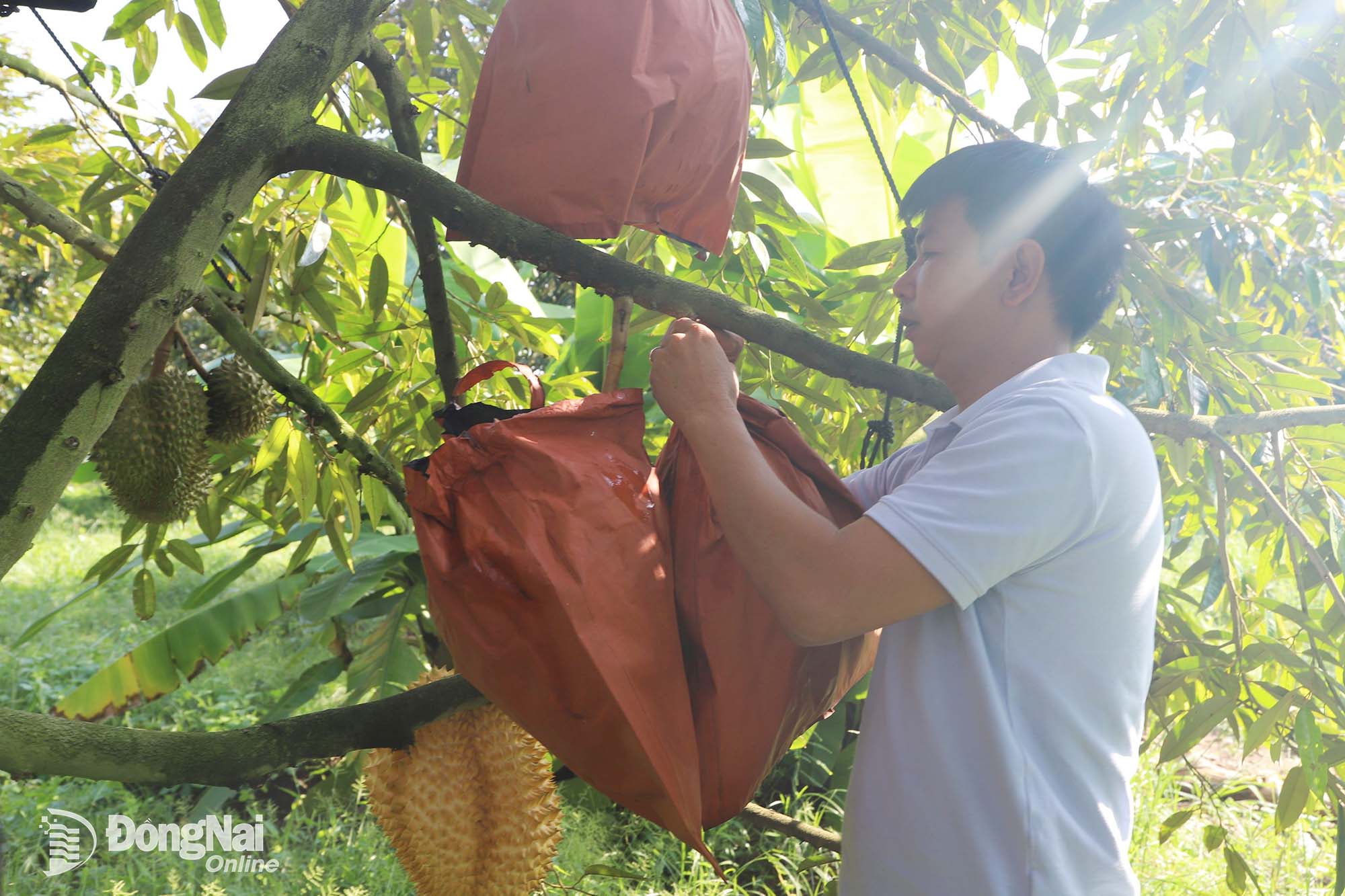 |
| Farmers tend to durian trees in an export-oriented durian growing area in Xuan Bac commune. Photo: Binh Nguyen |
The streamlined procedures for issuing GACs, together with the shift from pre-inspection to post-inspection, allow farmers to take a more proactive role in safe production, maintain electronic farming logs and take responsibility for the traceability of their agricultural products.
Streamlining procedures
Under Resolution No. 36, the number of documents required for GACs and packing facility codes has been reduced by 50%. Applicants are no longer required to resubmit documents already available in state databases.
Processing times have also been significantly shortened. For applications not involving export registration, processing time has been cut from 14 working days to three, a reduction of more than 78%. For applications involving exports to markets that require GACs or packing facility codes, processing time has been reduced to 10 working days, equal to a 28% reduction.
Data on GACs and packing facility codes will be centrally managed, made publicly available and connected to the agricultural product traceability system, helping ensure unified management nationwide. Resolution No. 36 also abolishes the minimum area requirement, clarifies the issuance of codes for intercropped growing areas and clearly defines the parties responsible for ensuring product traceability.
Do Phuoc Dung, Vice Chairman of the Dong Nai City Farmers' Association (DNFA), said building production-to-market linkages has long been a priority for the association. The DNFA will continue to work with farmers to change their mindset and practices and meet new requirements for agricultural production and exports.
Another major change is the greater decentralization of authority to localities. Accordingly, Chairpersons of commune-level People's Committees are authorized to issue and reissue GACs and packing facility codes and are responsible for post-inspection, management, withdrawal, suspension and reinstatement of codes in accordance with regulations. For codes issued previously, Resolution No. 36 maintains their validity to ensure that the transition does not disrupt production, business or export activities.
Phan Thi Thu Hien, Director of the Plant Quarantine Post-Entry Center II under the Department of Crop Production and Plant Protection, said Resolution No. 36 contains a number of new provisions, including the removal of the minimum area requirement. Under the new regulations, applicants for codes are responsible for maintaining compliance and keeping complete records. Those who fail to comply will be held accountable. The new system also introduces a multi-level monitoring mechanism involving local and central authorities, as well as overseas partners when products are exported.
Greater autonomy for farmers
The simplified GAC issuance procedures, which emphasize self-declaration and accountability, require farmers to take a more proactive role in production and agricultural product traceability. Farmers are now required not only to comply with safe farming practices and maintain production logs but also to bear legal responsibility for the accuracy of information declared on the centralized data system. Information on GAC issuance procedures and plant quarantine requirements is fully disclosed. Farmers therefore need to stay informed, keep their knowledge up to date and comply with the regulations to ensure that their products qualify for export markets.
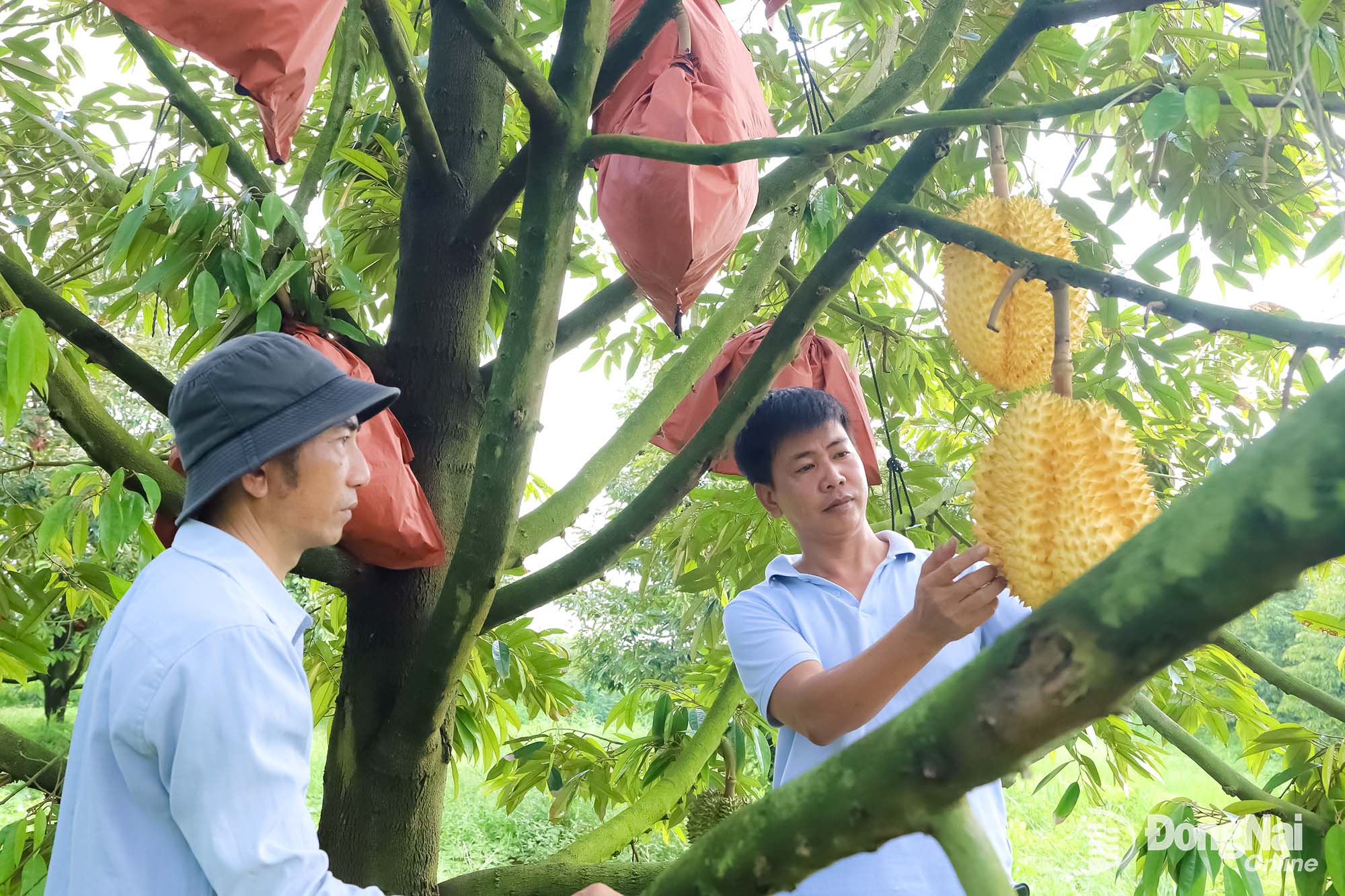 |
| Farmers tend to durian trees in an export-oriented durian growing area in Xuan Bac commune. Photo: Binh Nguyen |
According to Phan Thi Thu Hien, Director of the Plant Quarantine Post-Entry Center II, the biggest change is that farmers must clearly understand their responsibilities and fully comply with regulations to ensure that their products meet export market requirements. Farmers are required to maintain complete electronic farming logs, with the information made publicly available to support unified management nationwide and meet the traceability requirements of importing countries. To qualify for export, agricultural products must be traceable from planting materials through farming, harvesting and packaging. While requirements vary from one importing market to another, they generally share common requirements for export growing area codes. Farmers and businesses therefore need to comply fully with the requirements in practice rather than simply meeting them on paper.
Le Viet Binh, Deputy Chief of the Office of the Ministry of Agriculture and Environment in the Southern region, stressed that localities should move quickly to implement Resolution No. 36. Accordingly, farmers need to change their mindset and practices, starting with developing the habit of maintaining farming logs and strictly complying with production processes that meet export standards. At the same time, state management agencies and authorities at all levels should help create a favorable environment for businesses and farmers to obtain and maintain GACs and packing facility codes for export, while promoting the development of sustainable agricultural export chains.
By B. Nguyen – Translated by M.Nguyet, Thu Ha



Thông tin bạn đọc
Đóng Lưu thông tin