
The Central Inter-sectoral Steering Committee on Food Safety has issued Plan No. 598/KH-BCĐTUATTP dated April 10, 2026, to implement the “2026 Action Month for Food Safety”.
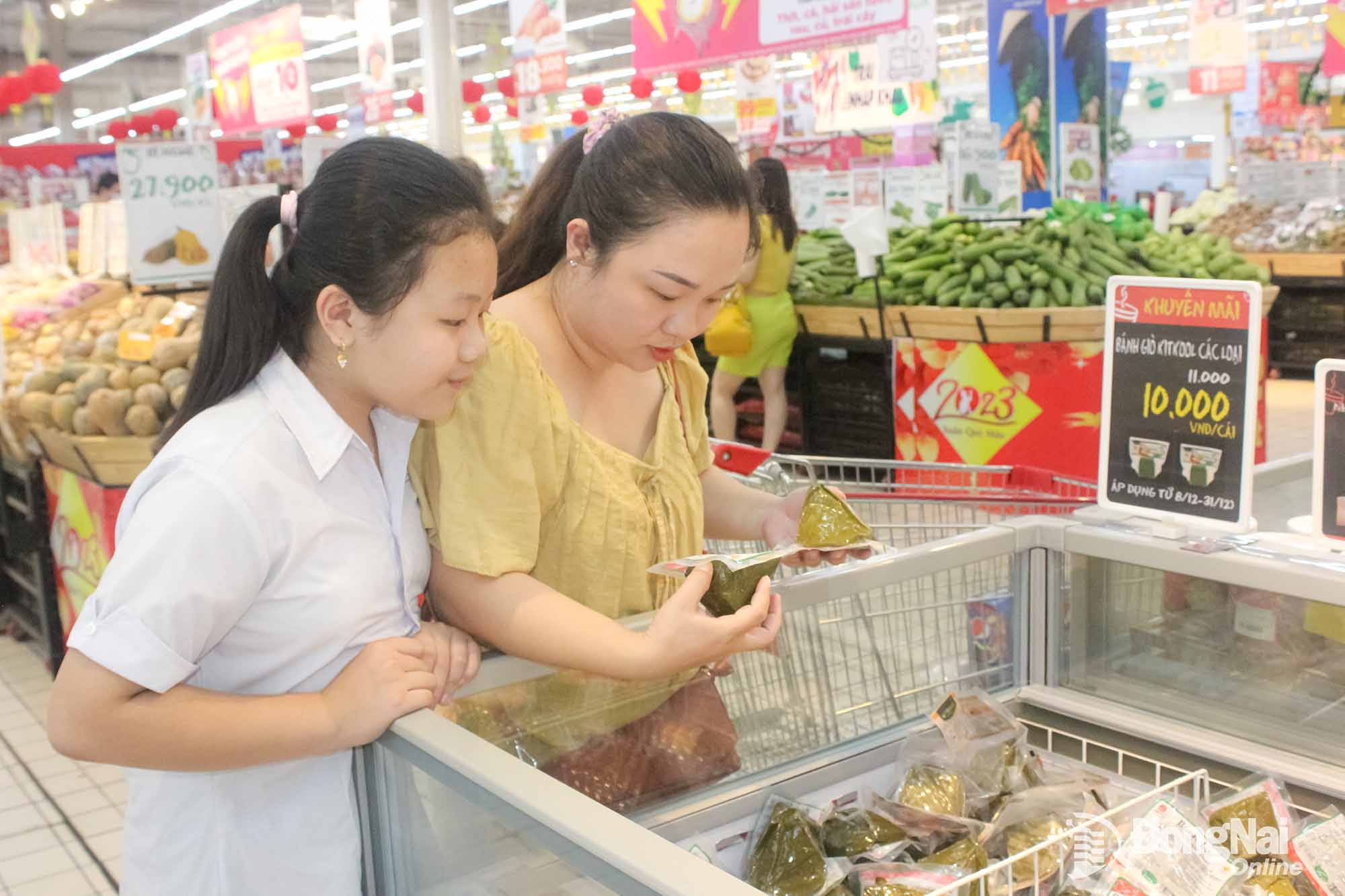 |
| Residents shop for food at a supermarket in Long Hung ward. Photo: Hanh Dung |
Accordingly, the Action Month will take place nationwide from April 15 to May 15 under the theme "Ensuring food safety and preventing food poisoning in catering services and street food." The objective is to raise awareness and accountability across all levels, sectors, businesses, and the public to ensure food safety, while strengthening the prevention of food poisoning, especially in collective kitchens, catering establishments, and street food vendors.
The Central Inter-sectoral Steering Committee on Food Safety has asked the People's Committees of provinces and cities to develop strategies tailored to their local circumstances proactively. This undertaking includes intensifying communication activities through mass media and local loudspeaker systems to disseminate information on legal requirements, food poisoning prevention, and consumer alerts regarding infractions.
In addition, efforts will be increased to promote and advertise models of safe food production and businesses, clean agricultural supply chains, and local specialty products, and to publicly name violating establishments to discourage and stop the production and sale of unsafe food.
Vo Thi Ngoc Lam, Deputy Director of the Dong Nai Department of Health, who is also the Standing Deputy Head of the Dong Nai Provincial Inter-sectoral Steering Committee on Food Safety, said that the Dong Nai Department of Health has issued a communication plan for the province's 2026 Action Month for Food Safety to raise public awareness and responsibility across society for ensuring food safety.
Communication activities will focus on target audiences, including local authorities, regulatory agencies, food production and business establishments, and consumers. Disseminating regulatory rules, enhancing compliance among food establishments, especially collective kitchens, catering services, and street food vendors, and guiding people on safe food selection and usage will be the main topics of the campaign.
Various communication methods will be implemented, such as training sessions, conferences, and direct community outreach; hanging banners and posters; distributing leaflets; and increasing coverage in newspapers, on radio, on social media, and on local broadcast systems.
By Hanh Dung – Translated by Minh Hong, Minho



Thông tin bạn đọc
Đóng Lưu thông tin